The Evolution of Modern Leisure: How Adult-Only and Empty-Nest Travel Are Reshaping the Global Tourism Industry

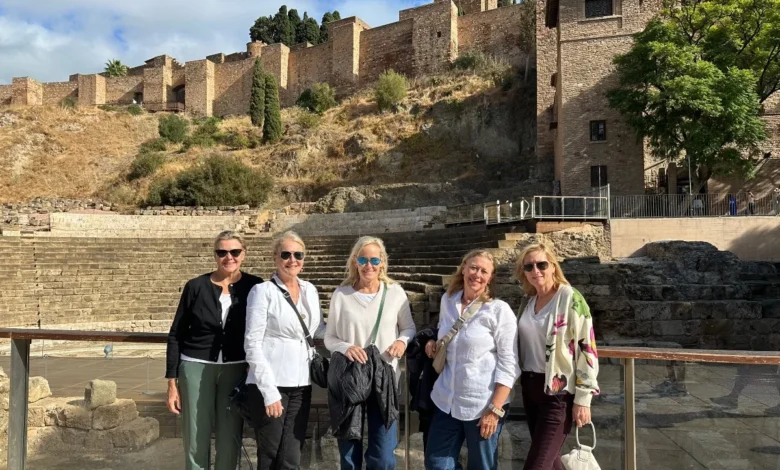
The global tourism landscape is undergoing a significant demographic shift, moving away from hyper-scheduled family itineraries toward flexible, adult-centric travel. For decades, the vacation planning calculus for parents has been dominated by child-friendly parameters: proximity to medical facilities, child-proofed swimming pool perimeters, strict adherence to nap and bedtime schedules, robust Wi-Fi capabilities for adolescents, and predictable culinary options. However, as shifting generational milestones—such as empty nesting, delayed parenthood, and coordinated adult friend groups—alter household demographics, a new era of travel planning has emerged. Industry analysts report a surging demand for child-free travel, prompting tour operators, luxury hotels, and global airlines to restructure their offerings around adult autonomy.
This transition from family-centric vacations to autonomous adult travel represents more than just a fleeting lifestyle trend; it is a major economic driver within the hospitality sector. According to recent tourism and hospitality market research, child-free demographics, including empty nesters, solo travelers, and adult peer groups, now account for a substantial and growing share of luxury travel expenditures. Freed from the constraints of academic calendars and youth-oriented logistics, these travelers are redefining peak seasons, hotel amenity expectations, and the very philosophy of leisure.
The Economics of Off-Peak Mobility and Shoulder-Season Travel
The most immediate disruption caused by the rise of adult-only travel is the decentralization of traditional vacation windows. Historically, global tourism has experienced acute peaks and valleys driven by school calendars, resulting in overcrowded destinations, inflated pricing, and severe inventory shortages during spring breaks, summer months, and major winter holidays.

Adult-only travelers and empty nesters possess a distinct advantage: calendar flexibility. By opting to travel during shoulder seasons—such as mid-spring in Italy, the post-summer lull in the Greek Isles, or late January in Hawaii—this demographic bypasses the congestion that plagues major cultural hubs. Economic analysts note that shoulder-season travel yields tangible benefits for both the consumer and the destination economy. Travelers secure better pricing and higher availability at sought-after accommodations, while tourism boards achieve a more sustainable distribution of visitors throughout the calendar year, mitigating the environmental and infrastructural strain of overtourism.
Furthermore, this flexibility allows travelers to align their journeys with specific seasonal phenomena that fall outside standard school breaks. Examples include partaking in the grape harvests in Provence, witnessing the Yosemite firefall, or experiencing the blooming jacarandas in Buenos Aires. Travel industry associations emphasize that eliminating the synchronization challenges of school schedules vastly broadens the window of opportunity for multi-couple getaways and milestone reunions, ensuring higher rates of trip realization.
Redefining Accommodation: Architecture and Amenities Beyond the Sofa Bed
With the removal of the requirement for multi-room configurations and pull-out sofa beds, adult travelers are exercising new purchasing criteria when booking accommodations. Hospitality developers and boutique hotel operators have responded by prioritizing design elements and locations that were previously impractical for families.
Demand has surged for urban high-rise rooms featuring alfresco terraces, cliffside boutique hotels reached only via extensive stone staircases, and secluded countryside inns centered around quiet fireplaces. Additionally, market segments previously restricted or entirely unsuited for children—such as overwater bungalows in French Polynesia and the Maldives—are experiencing heightened occupancy rates among couples and adult friends.
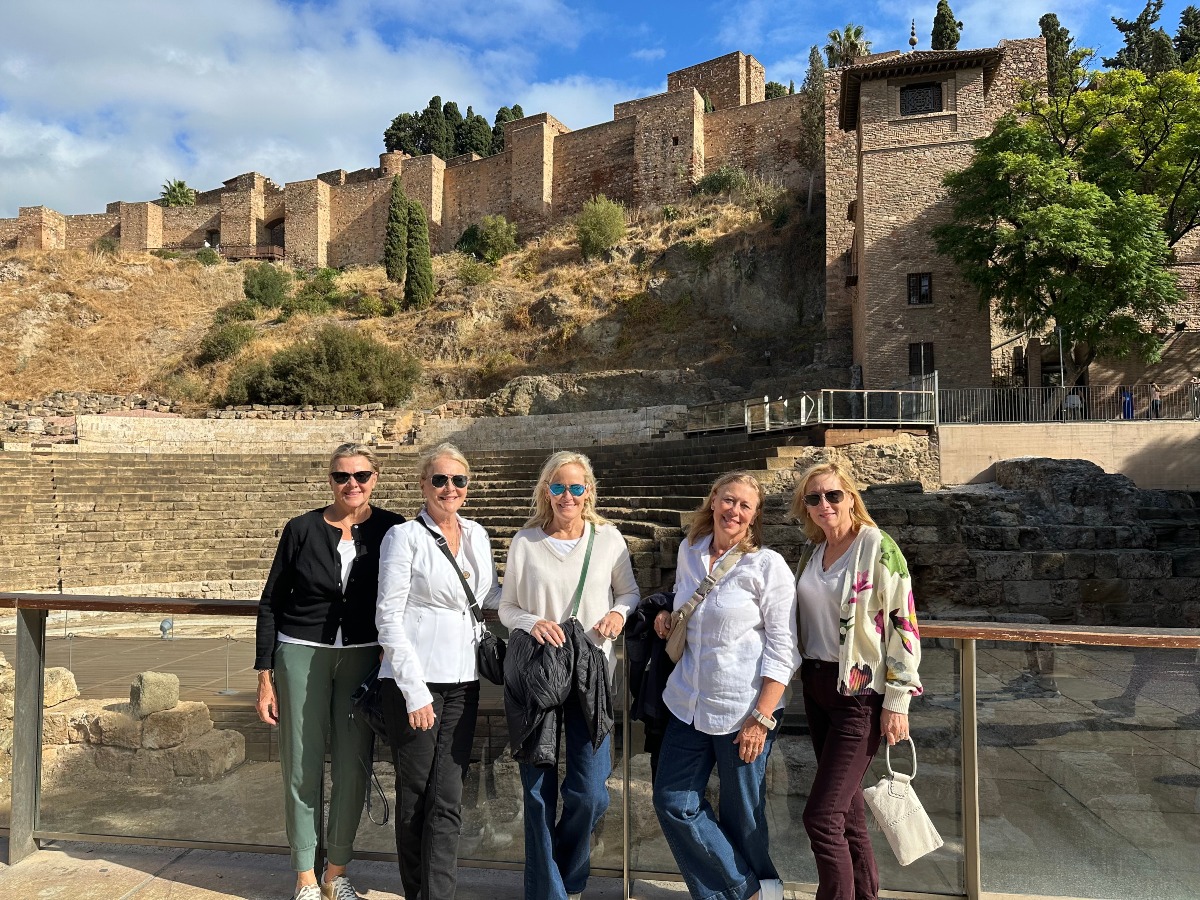
Hospitality executives observe that without the need to monitor child safety hazards or entertain younger guests, travelers are willing to invest higher percentages of their budgets into premium room categories that emphasize sensory experiences, architectural uniqueness, and expansive panoramic views.
The Chronology of Leisure: Reclaiming Personal Time and Discarding Rigid Schedules
The psychological shift from structured family itineraries to unstructured adult travel is mirrored in daily vacation routines. Travel psychologists and consumer behaviorists point out that family vacations often function as an extension of domestic labor, requiring parents to manage logistics, meal planning, and behavioral oversight in an unfamiliar environment.
Adult-only travel removes these operational burdens, allowing individuals to calibrate their daily schedules entirely to their internal clocks. Chronobiological studies on vacation satisfaction consistently indicate that the freedom to alternate between high-activity mornings and unstructured afternoons significantly enhances recovery from burnout.
Without the rigid parameters of pediatric bedtimes, itineraries naturally evolve. Travelers can engage in sunrise hikes driven purely by personal desire rather than a toddler’s pre-dawn wake-up call, linger over multi-course meals that stretch into the late afternoon, or experience European city squares long after day-tripping crowds have departed. This temporal autonomy encourages a slower, more observant style of tourism, where spontaneous discoveries—such as following the scent of baking bread down a side street or exploring an unexpected art gallery—take precedence over checklist-based sightseeing.
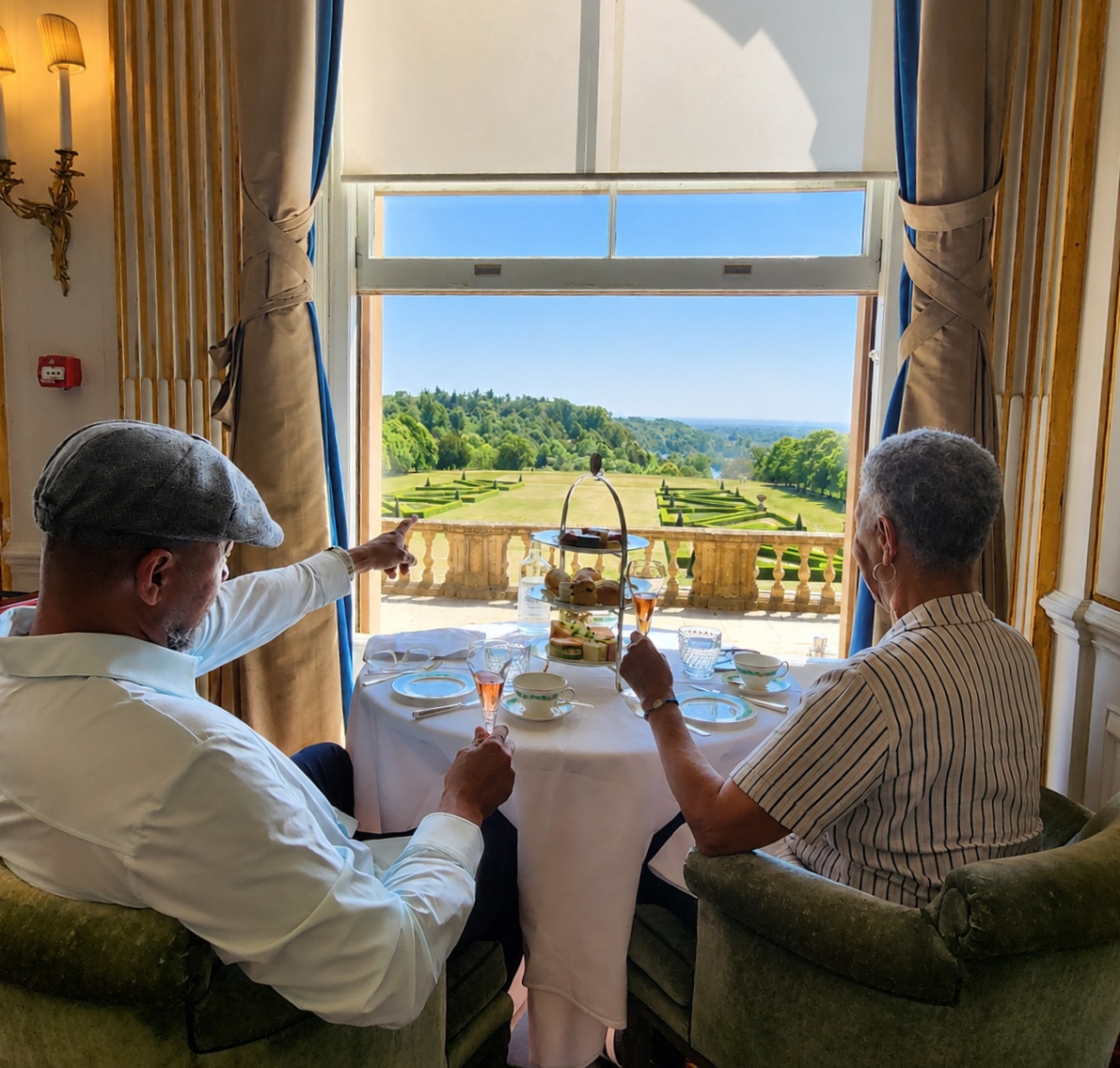
Specialization, Deep Immersion, and the Rise of Niche Itineraries
For years, parents consciously curbed their personal travel preferences to accommodate the developmental interests of their children, favoring theme parks, dinosaur museums, and interactive zoos. The resurgence of adult travel has triggered a corresponding boom in niche, passion-driven tourism.
Travel agencies specializing in adult and empty-nest itineraries report unprecedented demand for deeply immersive, specialized travel products. These include private oenological tastings in Burgundy, multi-hour explorations of medieval manuscript libraries, attendance at classical opera performances at Milan’s La Scala, and elaborate 12-course kaiseki dining experiences in Kyoto.
This trend reflects a broader cultural appreciation for experiential luxury. Rather than collecting passport stamps through rapid sightseeing, adult travelers are investing in mastery, education, and slow consumption. Industry experts suggest that this focus on special interests has elevated the role of specialized travel advisors, who are increasingly tasked with curating hyper-customized itineraries featuring private local experts, behind-the-scenes access, and rare cultural engagements.
Industry Implications and Future Outlook
As global demographics continue to trend toward smaller household sizes and longer active lifespans, the travel industry is permanently adapting to accommodate the adult-only market segment. Luxury hotel brands are expanding their footprints of quiet zones, adult-only infinity pools, and sophisticated wellness facilities. Airlines and cruise lines are similarly tailoring their premium product tiers to appeal to travelers seeking peace, sophisticated culinary programs, and unhurried schedules.

Ultimately, the growth of adult-only and empty-nest travel underscores a fundamental evolution in how society views vacations. No longer merely a break from domestic routines, travel has reclaimed its status as a vehicle for personal enrichment, psychological restoration, and the uncompromised pursuit of individual passions.