The Essential Guide to Inflatable Airplane Beds for Toddlers: A Comprehensive Review and Analysis of the Fly Tot Plus

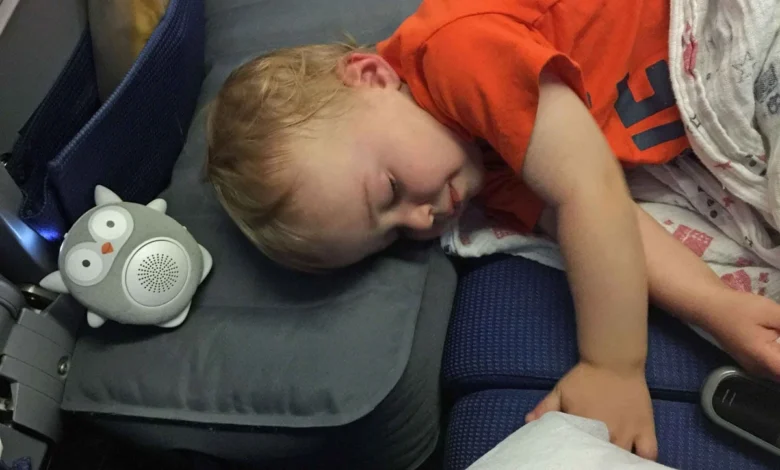
Navigating long-haul air travel with toddlers remains one of the most significant logistical challenges for modern families. The confined space of an economy seat, combined with the physical restlessness inherent in young children, often leads to sleep deprivation for both the child and their caregivers. In response to this recurring pain point, the travel industry has seen the rise of specialized inflatable cushions designed to transform standard economy seating into a flat, extended surface. Among these products, the Fly Tot has emerged as a prominent solution. This report provides a detailed examination of the current iteration of this technology, the Fly Tot Plus, and evaluates its utility within the broader context of family aviation.

The Evolution of In-Flight Comfort Solutions
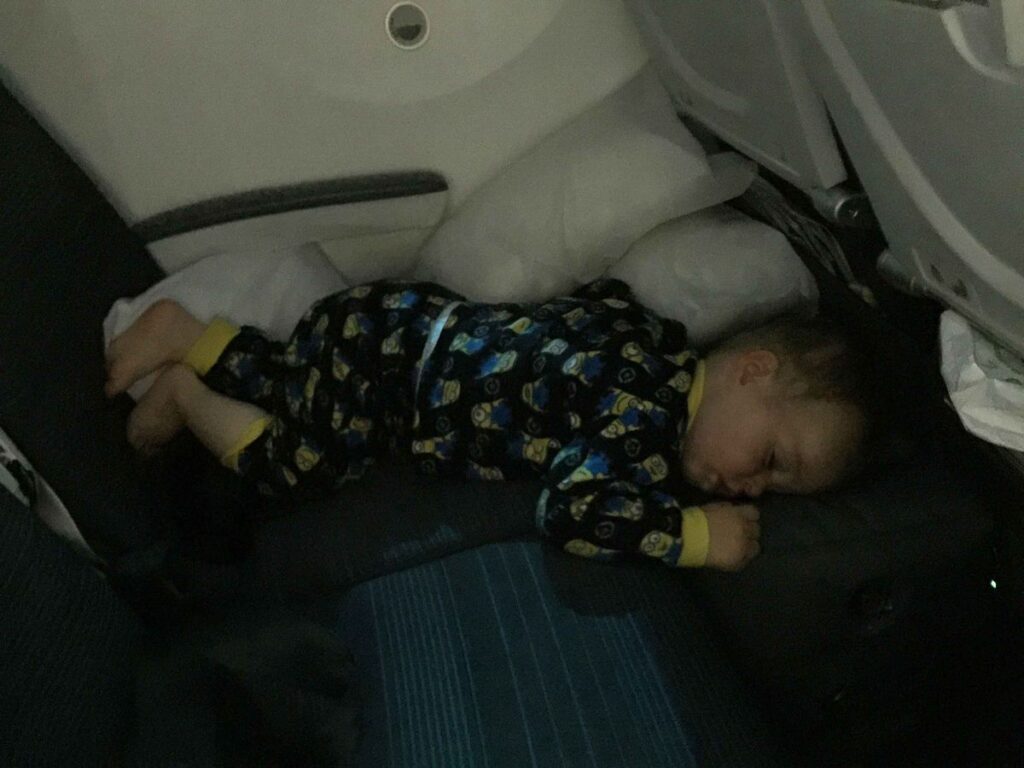
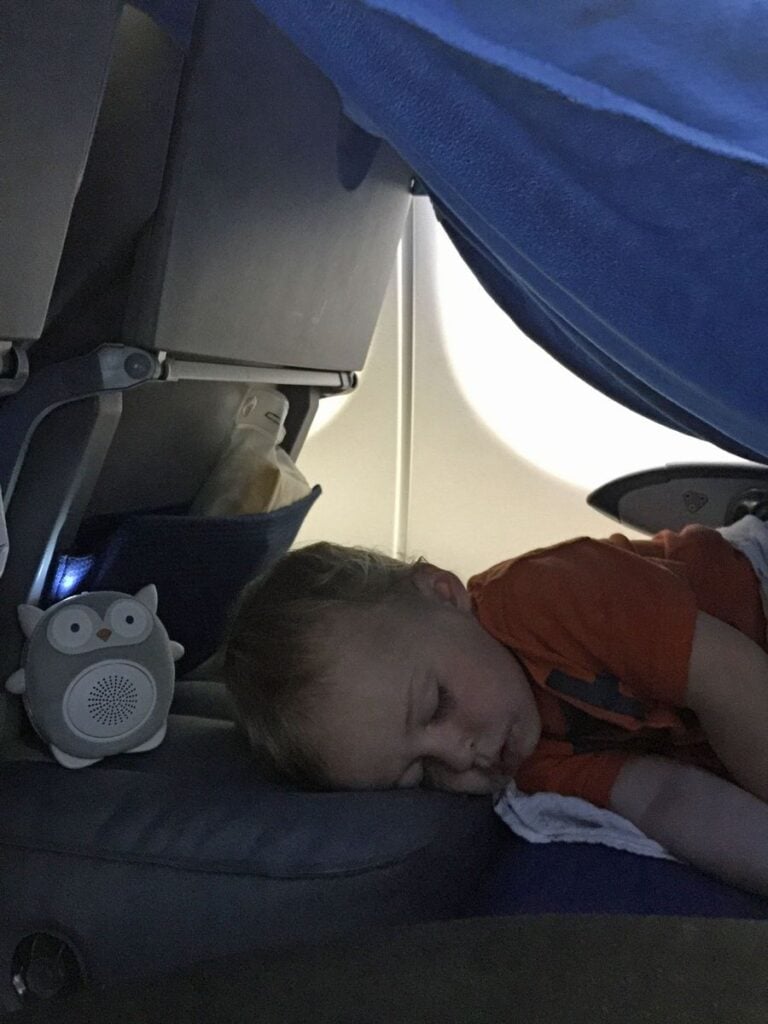
The conceptual foundation of the inflatable airplane bed is relatively simple: by filling the floor space between the passenger seat and the seat in front, the device provides a level surface that allows a toddler to lie flat. This mimics the horizontal sleeping position offered in premium cabins, albeit within the constraints of economy class.
The original iteration of the Fly Tot gained significant traction nearly a decade ago, as families sought alternatives to traditional lap-travel, which often left children overstimulated and parents unable to rest. Since that time, the product has undergone a redesign, culminating in the release of the Fly Tot Plus. This updated model addresses several functional limitations identified in earlier versions, including ergonomics, ease of deployment, and safety integration.

Technical Specifications and Design Improvements
The Fly Tot Plus incorporates several key engineering updates intended to improve user experience and safety. Central to the new design is a patented two-width structure. This allows the cushion to be adjusted based on the specific legroom dimensions of different aircraft, accommodating both standard economy and premium economy configurations. Furthermore, the inclusion of a tapered profile serves to mitigate interference with under-seat equipment, such as life vests or in-flight entertainment hardware.

Perhaps the most significant technical advancement is the integration of an automatic emergency safety release valve. This mechanism is designed to facilitate rapid deflation in the event of a sudden cabin pressure fluctuation, addressing concerns regarding emergency protocols. Additionally, the transition to a single-valve system simplifies the inflation and deflation process, reducing the time required for setup—a critical factor when navigating the cramped confines of an airplane cabin.

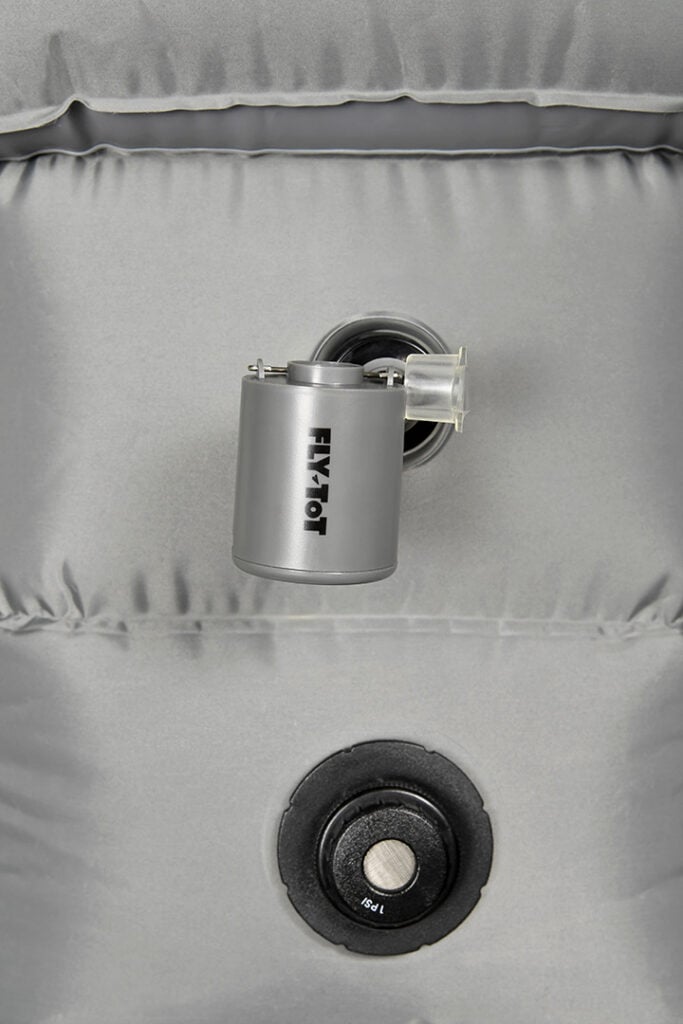
Perhaps the most practical improvement for the modern traveler is the inclusion of a rechargeable, palm-sized electric pump. Older models often required manual inflation or bulky external pumps, which added significant weight and volume to carry-on luggage. The new, compact pump is capable of inflating the device in under one minute, significantly lowering the barrier to entry for parents who are already managing multiple pieces of luggage and child-related equipment.
Operational Context and Safety Guidelines
While products like the Fly Tot Plus offer potential benefits for in-flight comfort, their use is subject to the stringent regulations of individual airline carriers. There is no universal industry standard regarding the use of inflatable seat extenders. Consequently, policies vary wildly; some carriers permit their use without reservation, while others explicitly ban them, citing potential safety hazards or the possibility of obstructing evacuation routes.

Data from major international carriers suggest that airline policies are largely dictated by safety risk assessments. Most airlines require that these devices be used only in window seats or middle seats in a center block, ensuring that no passenger’s egress to the aisle is blocked. Furthermore, standard safety protocols usually dictate that the device must be stowed during critical phases of flight, such as taxi, takeoff, and landing, and that the child must remain securely fastened with a seatbelt at all times, even while sleeping.
Experts in aviation safety emphasize that the responsibility for adherence to these rules rests with the passenger. Failure to comply with instructions from cabin crew, or the unauthorized use of such equipment, can result in the device being confiscated or a formal request for the passenger to cease use immediately. Therefore, it is strongly advised that families contact their specific airline prior to booking to confirm the current policy regarding "inflatable leg rests" or "child comfort devices."

The Economic and Practical Implications for Families
For many families, the decision to invest in an inflatable airplane bed is a cost-benefit analysis. A standard long-haul flight can cost thousands of dollars; the incremental cost of a travel bed is often viewed as a form of "sleep insurance." Evidence from frequent travelers suggests that even a modest increase in sleep quality for a child can dramatically alter the temperament of the child upon arrival, thereby reducing the stress associated with international travel and jet lag.

However, the product is not without its drawbacks. The primary limitation is the inherent uncertainty of airline approval. Even if a website lists an airline as "approved," operational policies can change without notice, and the final decision rests solely with the pilot-in-command and the flight attendants on duty. Furthermore, the device is intended for children between the ages of two and eight. Infants under two, who typically travel as "lap infants," may not be appropriate candidates for these devices, and parents are cautioned to strictly adhere to the manufacturer’s age-based recommendations.

Comparative Analysis of Market Alternatives
The market for toddler travel beds has expanded to include several competitors, such as the Flyaway Kids Bed and the Plane Pal. These products often differ in their fundamental design philosophy. For instance, while the Fly Tot uses an inflatable cushion to bridge the gap, other designs may utilize a raised platform that anchors to the seat structure itself.

Prospective buyers should perform a side-by-side comparison of these options. Key factors for consideration include the weight of the device, the time required for deployment, the durability of the materials, and whether the device requires a specific type of seat belt extension. Some designs may leave more floor space available for personal items, while others prioritize stability for the child.

Strategic Recommendations for Implementation
For parents who decide to proceed with an inflatable airplane bed, successful implementation requires preparation. The following strategies are recommended by experienced travelers:

- Pre-Flight Practice: It is essential to practice inflating and deflating the device at home multiple times. Understanding the mechanics of the valve and the electric pump before arriving at the airport will prevent unnecessary frustration in a high-pressure environment.
- Strategic Seat Selection: When booking, prioritize window seats or middle seats in the center section to ensure compliance with common airline positioning requirements.
- Respect for Cabin Crew: Flight attendants have the final say on all cabin safety matters. If a crew member requests that the device be stowed, compliance should be immediate and polite. Maintaining a cooperative relationship with the cabin crew is far more beneficial to the overall flight experience than challenging their authority.
- Consistency in Safety: Ensure that the child is buckled in according to the airline’s requirements. A comfortable child is still a passenger subject to the laws of aviation safety; the device should never be considered a replacement for the aircraft’s own restraint systems.
Conclusion
The development of products like the Fly Tot Plus represents an attempt to bridge the gap between the logistical realities of economy air travel and the developmental needs of young children. When used correctly and with the full consent of the airline, these devices can be an effective tool for improving the quality of sleep for young travelers. However, they are not a panacea for the inherent difficulties of flying with children. Success remains dependent on a combination of careful planning, strict adherence to safety guidelines, and a flexible approach to the realities of commercial aviation. As airlines continue to update their policies, it remains incumbent upon the traveling public to verify the legality and safety requirements of these devices for every individual journey.