The Ultimate Guide to 10 Stunning Luxury Hotels in Zermatt, Switzerland for Your Next Family Vacation

Nestled dramatically in the shadow of the iconic Matterhorn and bordered by the glacial waters of the Visp River, Zermatt stands as one of the most distinctive alpine destinations in the world. Operating strictly as a car-free village since a 1961 referendum banned standard combustion-engine passenger vehicles, this Swiss municipality relies entirely on pedestrian pathways, horse-drawn carriages, and a dedicated fleet of quiet electric vehicles to transport residents and travelers alike. Despite its compact footprint and strict environmental regulations, Zermatt boasts a surprisingly dense collection of world-class luxury accommodations, making it a premier destination for upscale family travel across both the winter ski season and the increasingly popular summer alpine tourism window.
Logistical Framework and Arrival Protocols
Traveling to a destination that prohibits private automobiles requires careful planning. Visitors arriving by motor coach or personal vehicle must park at the designated terminal in Täsch, situated approximately five kilometers down the valley. From Täsch, travelers board frequent shuttle trains operated by the Matterhorn Gotthard Bahn, which transport passengers directly into the heart of Zermatt railway station in roughly twelve minutes.
For international travelers arriving by air, the primary entry points are Zurich Airport (ZRH) and Geneva Airport (GVA). Both transport hubs feature integrated railway stations offering seamless, multi-segment train connections directly to Zermatt. To streamline regional travel, many visitors utilize the Swiss Travel Pass, an all-inclusive transit card providing unlimited access to trains, buses, and boats across the Swiss Travel System network.
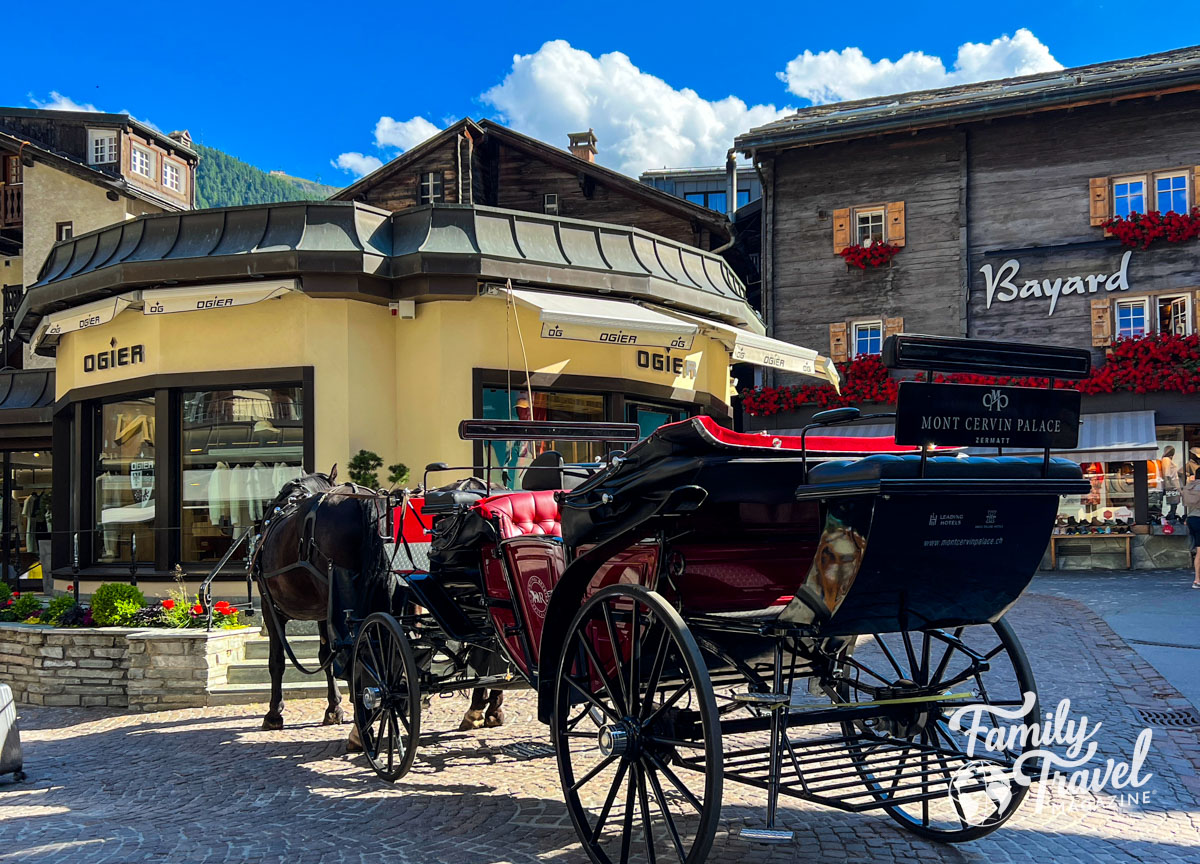
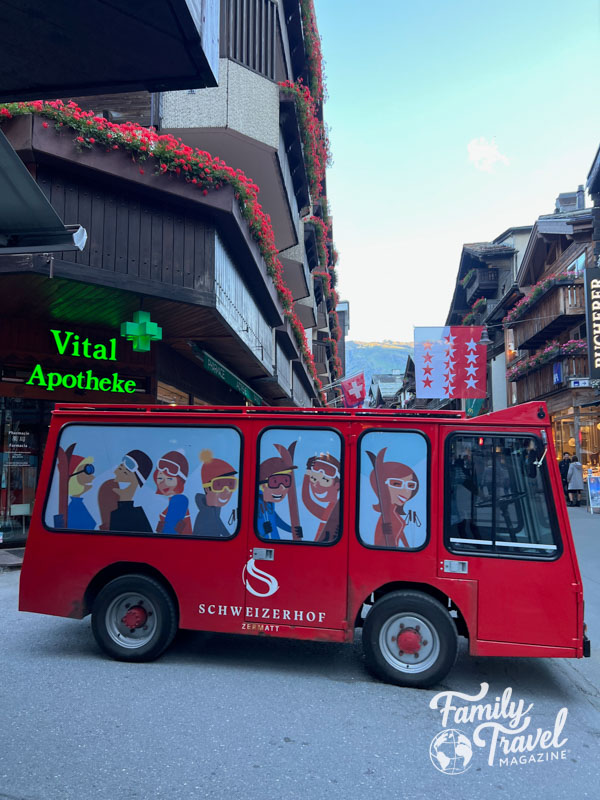
Upon arrival at the Zermatt train station, standard taxis are absent. Instead, hotels deploy private electric courtesy vehicles, or guests utilize local electric taxis to reach their accommodations. Because standard vehicles are banned, the village is exceptionally walkable, offering safe, pedestrian-friendly corridors lined with high-end boutiques, traditional Swiss chalets, and gourmet restaurants.
Seasonal Dynamics: Summer Versus Winter
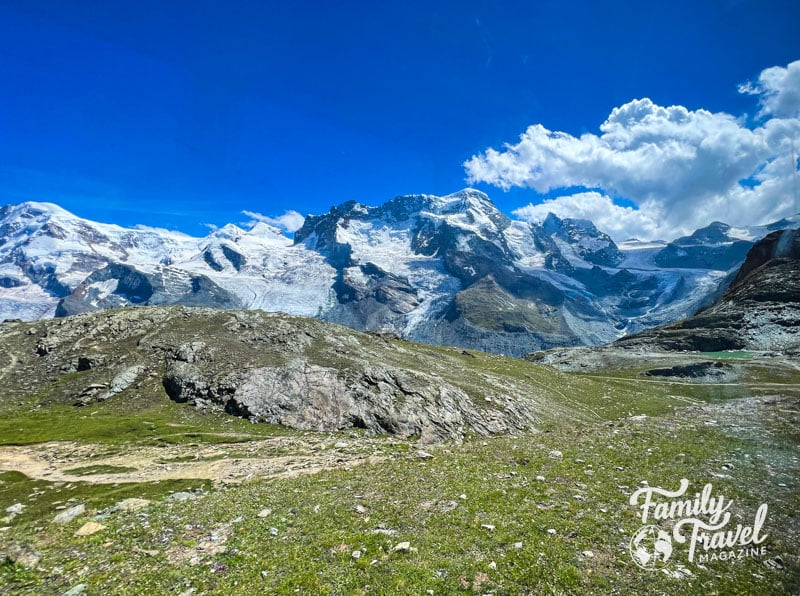
Zermatt operates year-round as a dual-season resort destination. Historically known as a winter playground for elite skiers and mountaineers, the region has experienced a significant surge in summer tourism. During the peak summer months of July and August, valley temperatures typically hover in the high 60s to low 70s Fahrenheit, creating ideal conditions for daytime hiking, alpine sightseeing, and outdoor dining. At higher elevations, such as the Gornergrat or Matterhorn Glacier Paradise, temperatures drop considerably, requiring visitors to pack layers, including sweaters and windbreakers.
Conversely, the winter season transforms Zermatt into a premier global hub for winter sports. Offering access to the Matterhorn ski paradise—the highest ski resort in the Alps—the area provides 360 kilometers of pistes spanning both the Swiss and Italian borders, accommodating skiers and snowboarders of all proficiency levels from late autumn through spring.
Essential Criteria for Selecting a Zermatt Hotel
When evaluating luxury accommodations in Zermatt, travelers must consider several unique regional and architectural factors. Most properties in the village, including five-star luxury establishments, do not feature traditional air conditioning. During peak summer heatwaves, rooms can warm up significantly during the day, though temperatures typically moderate by evening when windows are opened to capture the crisp alpine air.
Room configuration is another critical consideration for family travelers. Similar to many historic European hotels, standard guest rooms in Zermatt properties are often designed for double occupancy, meaning families frequently need to secure interconnecting rooms, multi-room suites, or specialized family apartments.
Furthermore, while panoramic views of the Matterhorn command a premium, guests must weigh the cost against their itinerary. Travelers who plan to spend their days exploring trails, skiing, or dining out may find that a village-facing room provides equal comfort at a more favorable rate. Finally, while most luxury hotels feature robust on-site dining and wellness facilities, Zermatt’s dense concentration of world-class restaurants within walking distance means that expansive on-site culinary programs are an added luxury rather than a strict necessity.
Comprehensive Directory of Zermatt Luxury Hotels
Chalet Hotel Schönegg
Operating as a prestigious Relais & Châteaux property, Chalet Hotel Schönegg combines boutique styling with a dramatic hillside location overlooking the main village. Accessible via the Sunnegga Express funicular mountain elevator, the hotel comprises 39 rooms in its main building and nine alpine-themed quarters in the adjacent Petit Chalet. Accommodations range from classic double rooms to expansive family suites with unobstructed Matterhorn views. On-site wellness amenities include a private spa featuring two jacuzzis, a Finnish sauna, a steam room, and a Kneipp hydrotherapy basin.
CERVO Mountain Resort
Situated approximately a ten-minute walk from the central railway station, CERVO Mountain Resort is reached via a dedicated cliffside elevator. The resort encompasses 54 rooms and suites distributed across seven private lodges, categorized into Nomad, Alpinist, and Huntsman designs. A defining feature of CERVO is the Mountain Ashram Spa, which offers holistic wellness programs, yoga, meditation, and specialized alpine treatments. The resort also houses multiple distinct dining concepts, including Bazaar, Madre Nostra, and Ferdinand.
Mont Cervin Palace
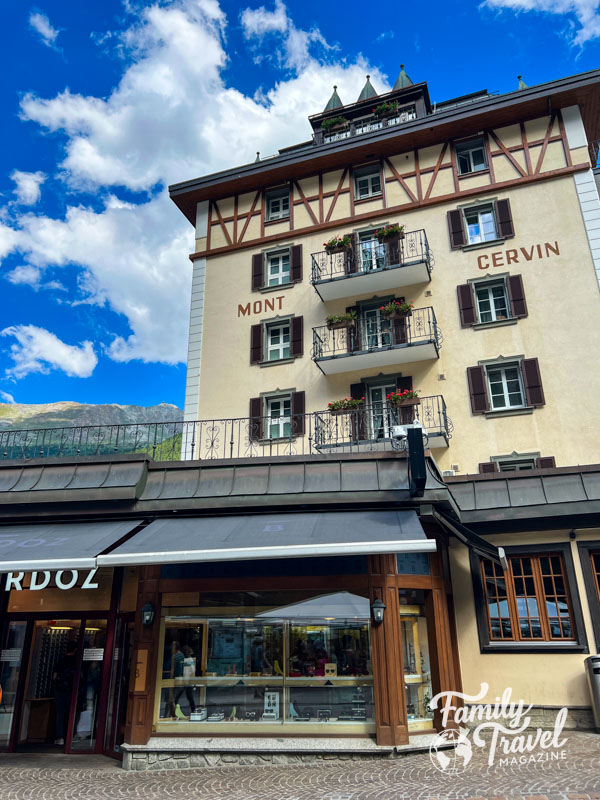
As one of Zermatt’s most storied historic hotels, the Mont Cervin Palace occupies a prime central location just steps from the railway station and primary retail corridors. Offering a blend of Alpine and Chalet-style architecture, the property provides expansive family apartments and luxury suites with large private balconies framing the Matterhorn. The resort features the extensive Spa Nescens Zermatt, which includes an indoor swimming pool, multiple whirlpools, saunas, and steam baths. Gastronomic options range from the elegant Le Restaurant to Grill Le Cervin and Joseph’s Bar & Terrace.
The Omnia
Perched on a forested rock formation in the center of the village, The Omnia reinterprets the traditional alpine lodge through a sleek, minimalist modern lens designed by architect Sterling Cooper. Accessible via a dramatic rock-hewn tunnel and elevator, the boutique hotel offers crisp, contemporary interiors and exceptional wellness facilities. The exclusive spa includes an indoor-outdoor pool, an outdoor hot tub oriented toward the Matterhorn, a Finnish sauna, a bio sauna, and a fitness suite.
Hotel Schweizerhof Zermatt
Centrally located within the village, Hotel Schweizerhof Zermatt delivers contemporary alpine hospitality geared toward families and active travelers. The property offers standard rooms, junior suites, and multi-room family apartments featuring modern, clean aesthetics. Culinary offerings include the Schweizerhof Kitchen and the specialized Cheese Factory, which serves regional Swiss fondue. The wellness center features a heated indoor pool, whirlpools, saunas, and a fitness room, with designated family swim hours.
Grand Hotel Zermatterhof
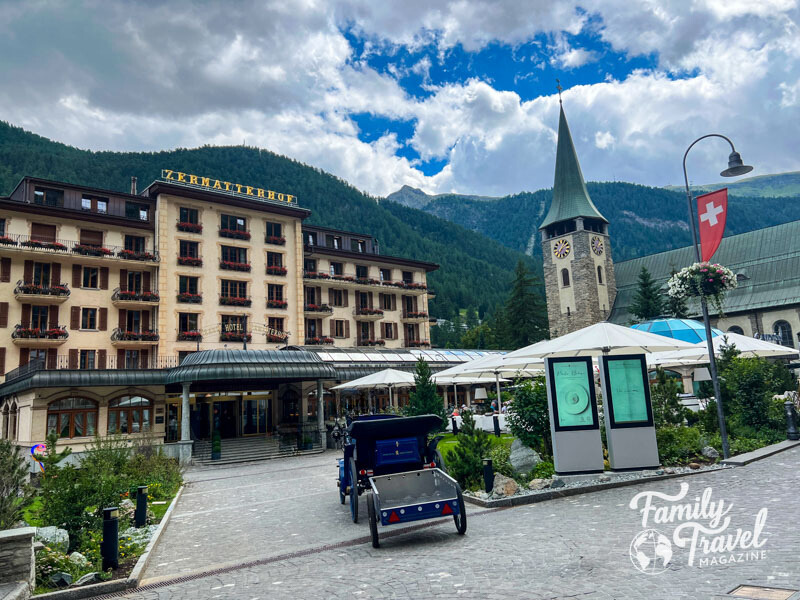
Widely regarded as Zermatt’s most opulent and traditionally grand institution, the Grand Hotel Zermatterhof is a member of Preferred Hotels & Resorts. Located in the absolute center of the village, the hotel features 69 classically appointed rooms and suites with flexible connecting configurations for families. Unique property amenities include a private stable housing Lipizzaner horses. The Vita Borni Alpine Spa offers a comprehensive wellness circuit, including an ice grotto, while dining venues range from the casual Saycheese! restaurant to the Michelin-starred Alpine Gourmet Prato Borni.
Christiania Mountain Spa Resort
Positioned along the banks of the Visp River, the Christiania Mountain Spa Resort is celebrated for housing one of the largest wellness facilities and swimming pools in Zermatt. The family-owned property provides a diverse range of accommodations, from compact single rooms for solo travelers to spacious multi-room family suites with Matterhorn vistas. The extensive spa infrastructure includes a Finnish sauna, bio sauna, ice cave, steam bath, beauty salon, and a seasonal outdoor sunbathing deck.
Matterhorn Focus Design Hotel
Located on the northern periphery of the village near the Matterhorn Glacier Paradise valley station, the Matterhorn Focus Design Hotel offers a quieter, design-forward retreat. Architect Heinz Julen utilized extensive glass, concrete, and timber to create a striking modern aesthetic across thirty rooms distributed among three buildings. The property features a wellness zone complete with an indoor pool, saline bath, outdoor jacuzzi, caldarium, and Finnish sauna. Notably, children under the age of nine stay complimentary in existing parent rooms.
Riffelalp Resort 2222m
Positioned high above the main village at an altitude of 2,222 meters, the Riffelalp Resort is uniquely situated for alpine sports enthusiasts, offering true ski-in, ski-out access in the winter and guided hiking excursions in the summer. Accessible via a historic cog railway and a connecting resort tram, the property features Europe’s highest dedicated hotel spa, Spa 2222m. Facilities include indoor and outdoor heated pools, saunas, and comprehensive family-friendly recreational spaces including bowling and billiards.
22 Summits Boutique Hotel
Named in tribute to the twenty-two prominent mountain peaks surrounding the valley, this intimate boutique hotel features twenty-two alpine-styled rooms and suites. The property emphasizes quiet luxury and personalized hospitality. Its wellness center includes a Finnish sauna, vitarium, alpine hay bath, outdoor jacuzzi, and a dedicated fitness studio, providing a tranquil recovery space following a day of outdoor exploration.
Broader Impact and Regional Tourism Trends
Zermatt’s strict adherence to its car-free mandate has served as a global benchmark for sustainable alpine tourism. By eliminating vehicular emissions within the municipal boundaries, the town has preserved its pristine air quality and traditional aesthetic, directly enhancing its appeal as a high-end wellness and family destination. Local municipal data indicates that investments in high-speed lift infrastructure, such as the Matterhorn Alpine Crossing linking Zermatt to Cervinia, Italy, continue to drive international visitation, ensuring that Zermatt remains a competitive anchor within the European luxury travel market.