Horns at Las Américas, Palms at Bávaro: Navigating the Strategic Corridor Between Santo Domingo and Punta Cana

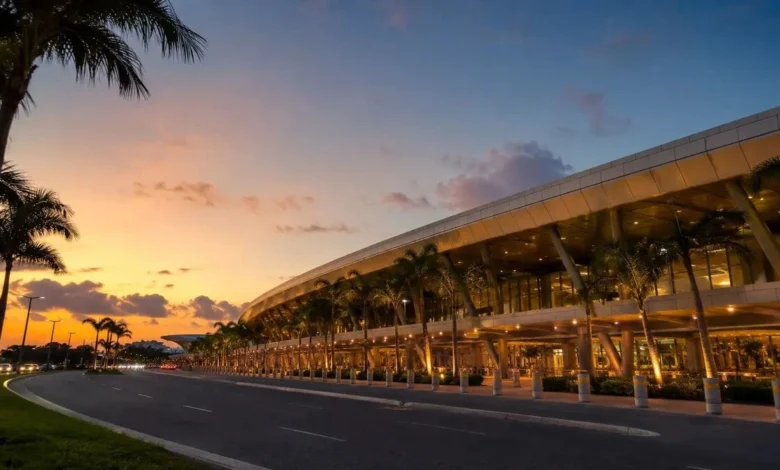
For many travelers planning a Caribbean vacation, the assumption remains rigid: a resort stay in Punta Cana necessitates a flight directly into Punta Cana International Airport (PUJ). However, a significant and increasingly popular alternative involves flying into Las Américas International Airport (SDQ) in Santo Domingo. Driven by competitive airfares, better scheduling availability, or simply sold-out flights to the east, travelers frequently land in the Dominican Republic’s capital before making the approximately two-and-a-half-hour overland journey across the island, predominantly via modern toll highways.
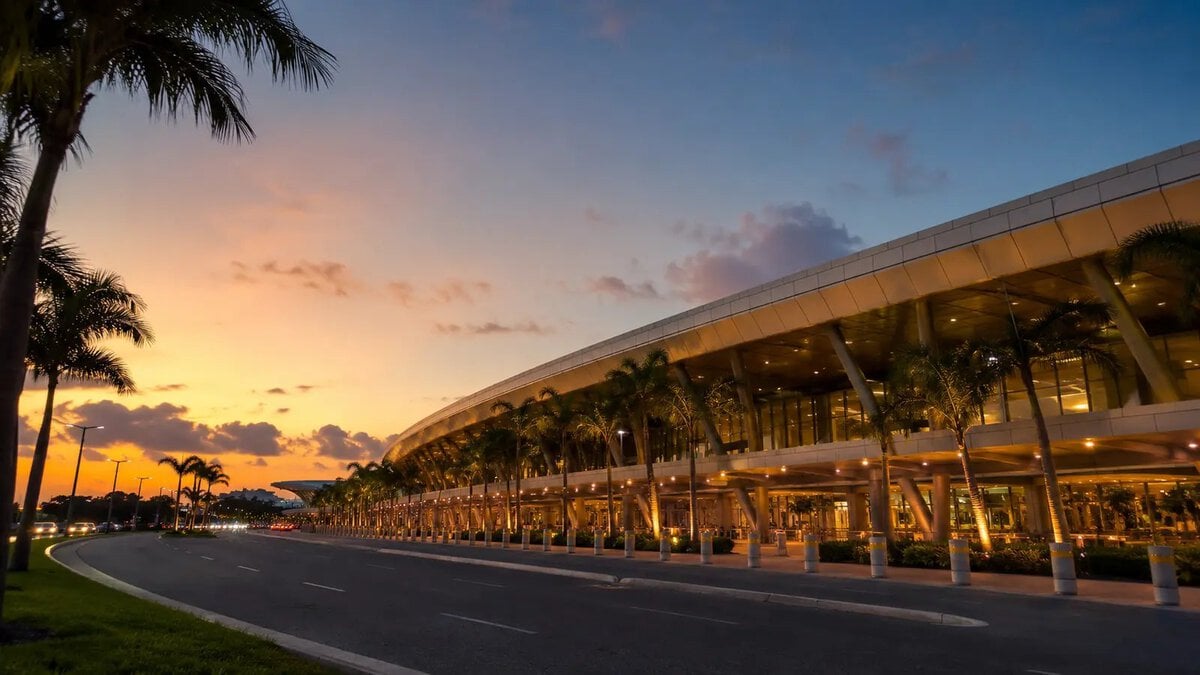
This overland corridor has evolved into one of the most reliable and efficient long-distance transfers in the Caribbean region. Private transfer operators, such as Transekur, manage daily rotations in both directions, highlighting a logistics shift that savvy travelers use to bypass inflated airfares and notoriously congested airport customs queues in the east.
Chronology and Logistics of the Trans-Island Route
The journey begins upon clearing immigration at Las Américas International Airport. Industry data frequently shows that processing times at SDQ are notably faster than at Punta Cana, primarily because SDQ functions as a major metropolitan hub catering to a mix of business travelers, diaspora families, and regular commercial flights, rather than concentrated waves of international charter vacationers.
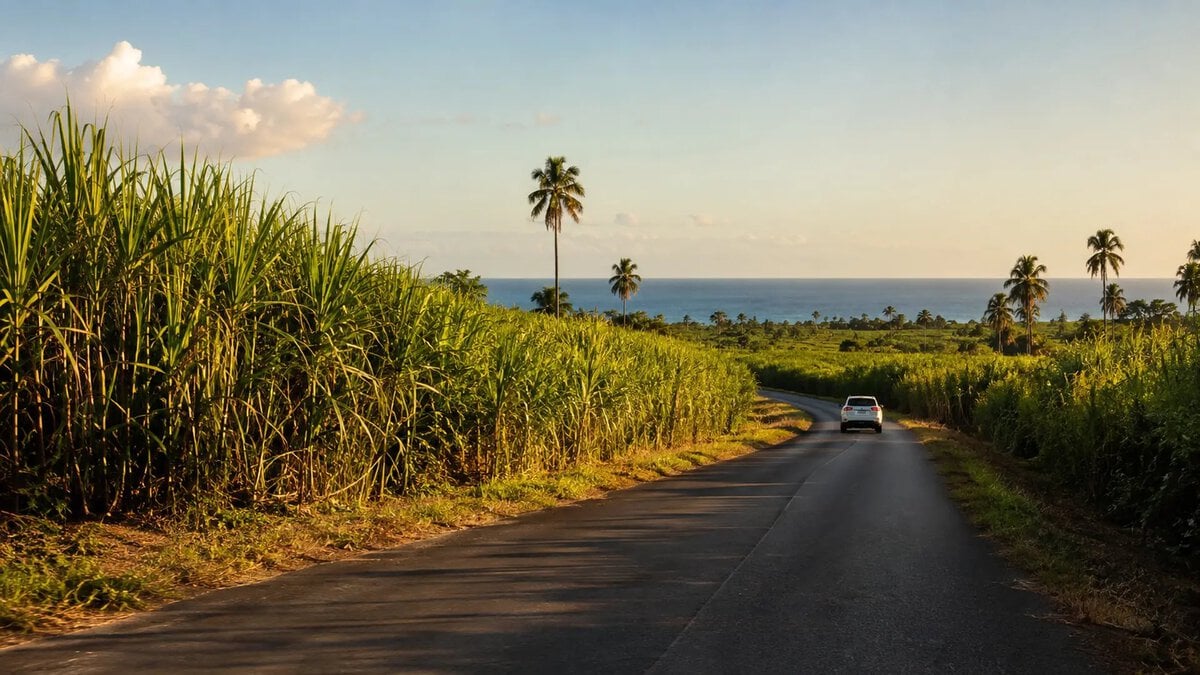
Upon exiting the terminal, travelers encounter the immediate sensory landscape of the capital: a bustling environment marked by family reunions, lively curbside traffic, and local transport operators. Within minutes of departure, vehicles merge onto the Autopista del Este, heading eastbound. The dense cityscape quickly gives way to the flat, agrarian topography of San Pedro de Macorís and La Romana, dominated by historic sugar-cane fields. From there, the Autopista del Coral facilitates high-speed travel toward the coast, ultimately descending into the palm-lined boulevards of Cap Cana and Bávaro.
Timing and Traffic Variables: A Data-Driven Overview
Under normal operational conditions, baseline transit data from SDQ to Cap Cana averages approximately 2 hours and 20 minutes without traffic disruptions. Destinations slightly further along the resort coast, such as Bávaro, typically require two and a half hours, while northern outposts like Uvero Alto push transit times closer to the three-hour mark.

However, transit times are intrinsically tied to temporal variables, particularly on the western side of the journey. The highway infrastructure itself remains remarkably stable and well-maintained, but departing Santo Domingo during weekday peak rush hours or during the evening exodus of a three-day weekend can significantly inflate travel times. Transportation logistics experts recommend scheduling departures for mid-morning or early afternoon windows to ensure optimal traffic flow. Once past the metropolitan perimeter, the toll highway maintains a steady, efficient pace.
Comparative Analysis of Transit Options
Travelers navigating the Santo Domingo-to-Punta Cana corridor generally choose among three primary modes of transportation, each carrying distinct operational profiles:
- Private Transfer Services: Functioning as a door-to-door solution, private operators track inbound flights, assign appropriately sized vehicles based on passenger and luggage metrics, and incorporate toll fees into fixed quotes. This method eliminates intermediary stops, making it the preferred choice for families, late-night arrivals, and travelers seeking streamlined logistics.
- Intercity Coach Networks: Scheduled long-distance carriers, such as Expresso Bávaro, offer cost-effective transportation between Santo Domingo and the eastern coast. While economically efficient, this option introduces logistical friction, requiring independent taxi arrangements from the airport to the city terminal, as well as secondary transport from the Bávaro drop-off point to the final resort property. Consequently, it is best suited for light-packing, budget-conscious travelers with flexible itineraries.
- Car Rentals: Independent vehicle rentals are viable due to the modern engineering of the toll highway system. Nevertheless, navigating out of Santo Domingo immediately following an international flight presents a formidable challenge for first-time visitors unaccustomed to local urban driving dynamics.
Safety, Infrastructure, and Driving Realities
A common misconception among first-time visitors is that the trans-island highway is rugged or hazardous. In practice, the route utilizes a modern, well-marked toll road system supplemented by routine security patrols and emergency posts.
The primary adjustment for motorists lies in local driving culture, particularly within urban centers and rural settlements. First-time self-drivers are strongly advised to complete the transit during daylight hours. While highway navigation is straightforward, urban environments feature dense traffic, dynamic lane discipline, and localized obstacles such as unannounced speed bumps (policías acostados) in smaller towns. Furthermore, while ride-hailing applications operate effectively within Santo Domingo, ground transportation in the Punta Cana resort zone is heavily regulated by local syndicates, precluding reliance on rideshare apps for local transit upon arrival.

Family Travel and Special Considerations
For families traveling with young children or heavy luggage, pre-planning is essential. Standard taxis rarely keep child safety seats in inventory, making pre-arranged private transfers critical for long-distance safety. Transport providers frequently highlight scenarios where families facing full flights to Punta Cana successfully pivot to SDQ. By booking private vehicles equipped with pre-installed child safety seats, parents turn a potentially stressful late-night transfer into a seamless transition, allowing children to sleep along the smooth highway corridor.
Additionally, travelers must complete the mandatory Dominican Republic eTicket online prior to departure, retaining the digital QR code for rapid presentation upon arrival.

Strategic En-Route Stops and Cultural Integration
To maximize the travel experience, many visitors incorporate strategic stops along the two-and-a-half-hour route.
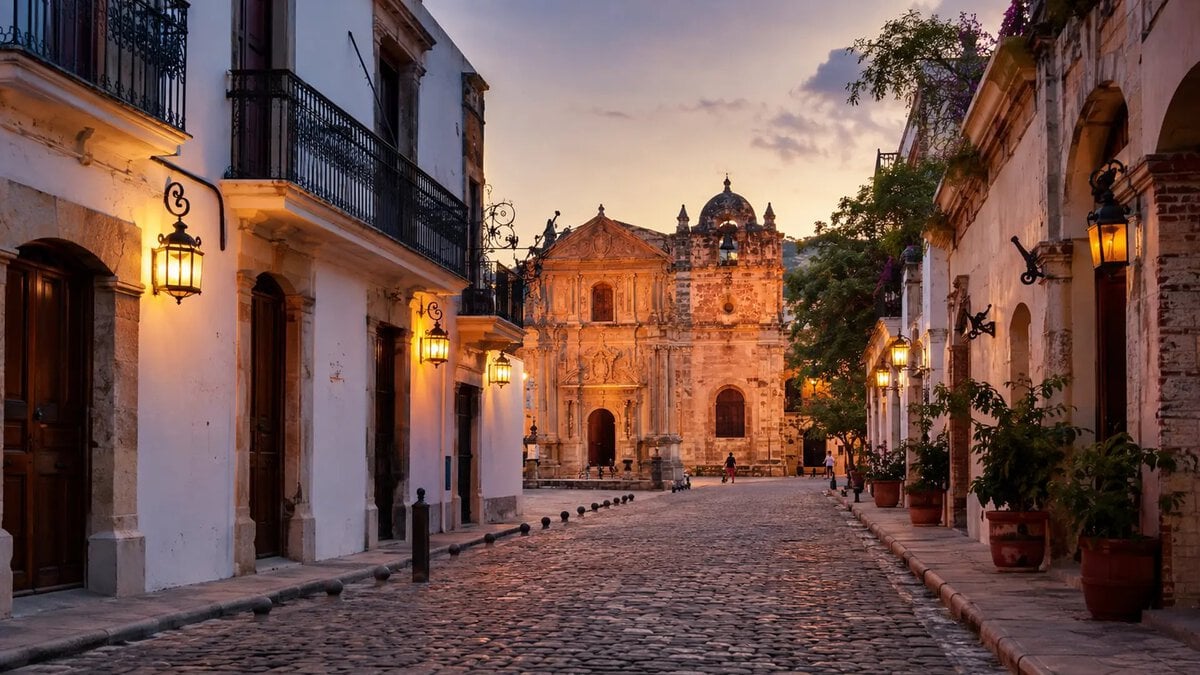
- Santo Domingo’s Colonial Zone: Situated approximately 40 minutes west of SDQ in the opposite direction of Punta Cana, the Colonial Zone represents the oldest permanent European settlement in the Americas. Featuring the hemisphere’s first cathedral, hospital, and university, a detour here adds roughly an hour and a half of cumulative driving time and is best utilized as a half-day excursion prior to heading east.
- La Romana and Bayahibe: Located roughly at the midpoint of the journey, these coastal areas offer ideal locations to break up the trip for dining or sightseeing. Roadside dining culture is an integral part of the Dominican travel experience. Traditional eateries (comedores) frequently serve la bandera—a staple dish consisting of white rice, red beans, and stewed meat—accompanied by tostones and crispy chicharrón, washed down with a local Presidente beer or a traditional morir soñando beverage.
Broader Implications for Caribbean Tourism
The viability of utilizing Santo Domingo as a secondary gateway for Punta Cana tourism underscores a broader trend in Caribbean travel logistics: mitigating destination bottlenecks through regional connectivity. As peak-season congestion at specialized resort airports like PUJ increases wait times, savvy travelers and tour operators leverage secondary infrastructure. By trading a shorter airport queue for a manageable, scenic overland transfer, visitors gain access to broader flight inventories, often at lower costs, while contributing to regional economic distribution beyond isolated resort enclaves.