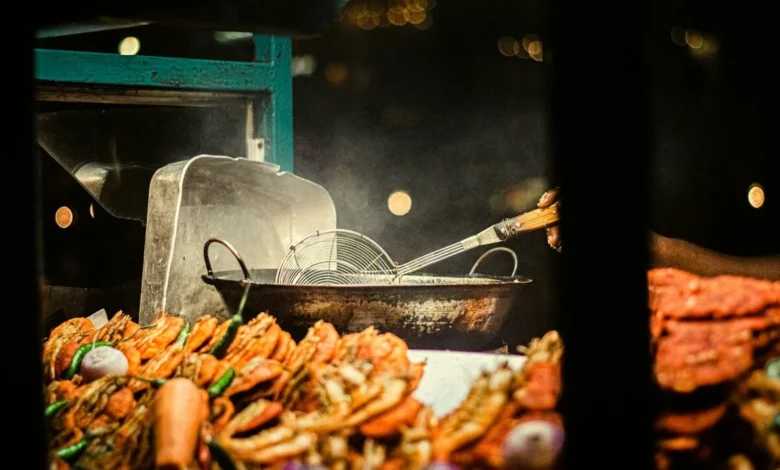
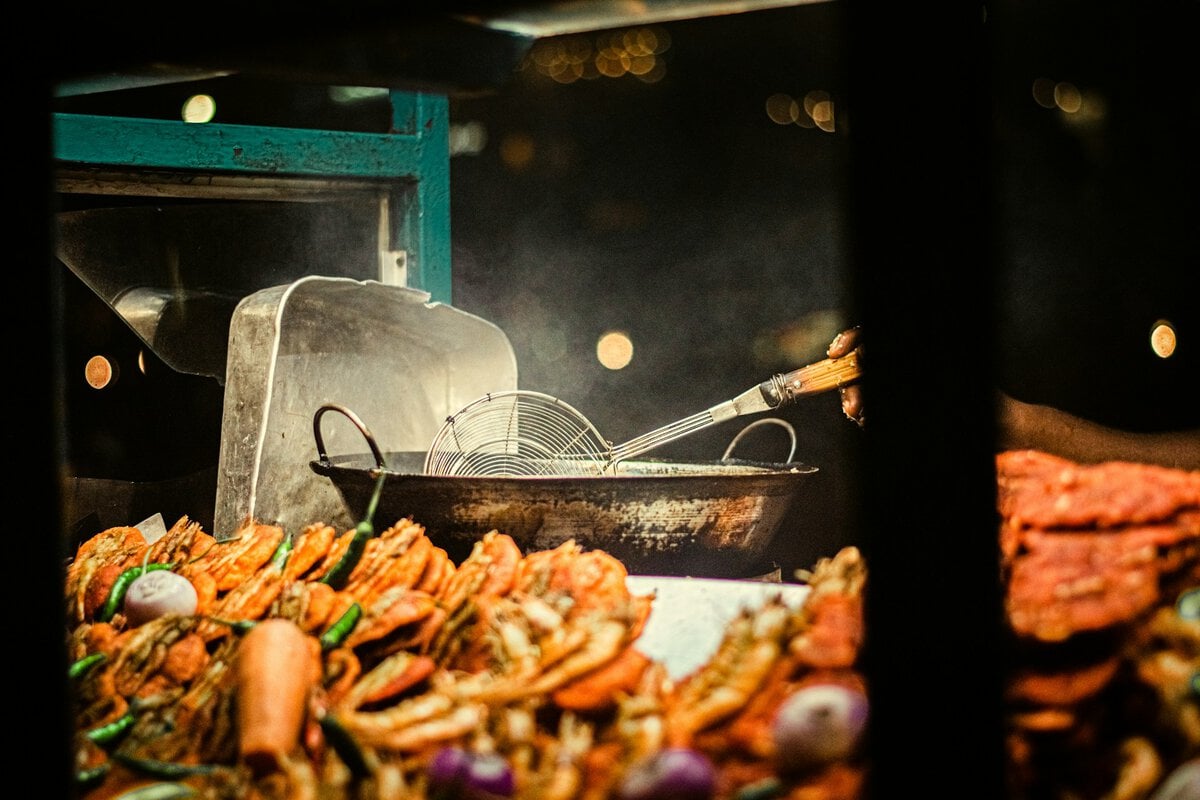
The culinary landscape of Colombo, Sri Lanka, is defined not by white-tablecloth establishments or hotel buffets, but by the dynamic, sensory-rich environment of its street food culture. For travelers seeking an authentic introduction to the city’s gastronomy, the local food scene offers a complex interplay of indigenous ingredients, historical trade influences, and deeply communal dining traditions. Moving beyond standard tourist itineraries reveals an urban ecosystem driven by rhythm, spice, and social connection, centered primarily in bustling commercial hubs like Pettah and the seafront promenades of Galle Face Green.
Historical Evolution and Cultural Context
To understand modern Sri Lankan cuisine, one must examine the historical convergence of cultures that shaped the island’s trade ports over centuries. Situated at the crossroads of ancient maritime spice routes, Colombo absorbed culinary techniques from South India, Arab traders, Portuguese colonizers, Dutch administrators, and British planters. However, the contemporary street food identity—particularly dishes like kottu roti and hoppers—has evolved into something distinctively local.
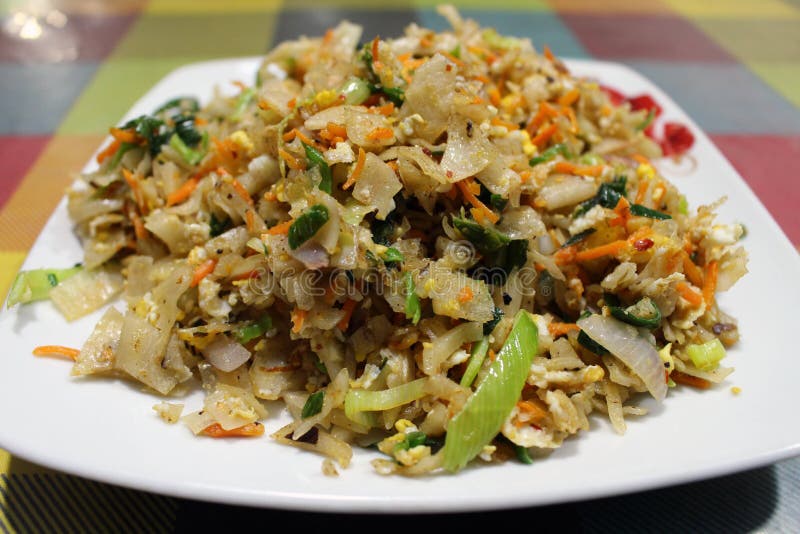
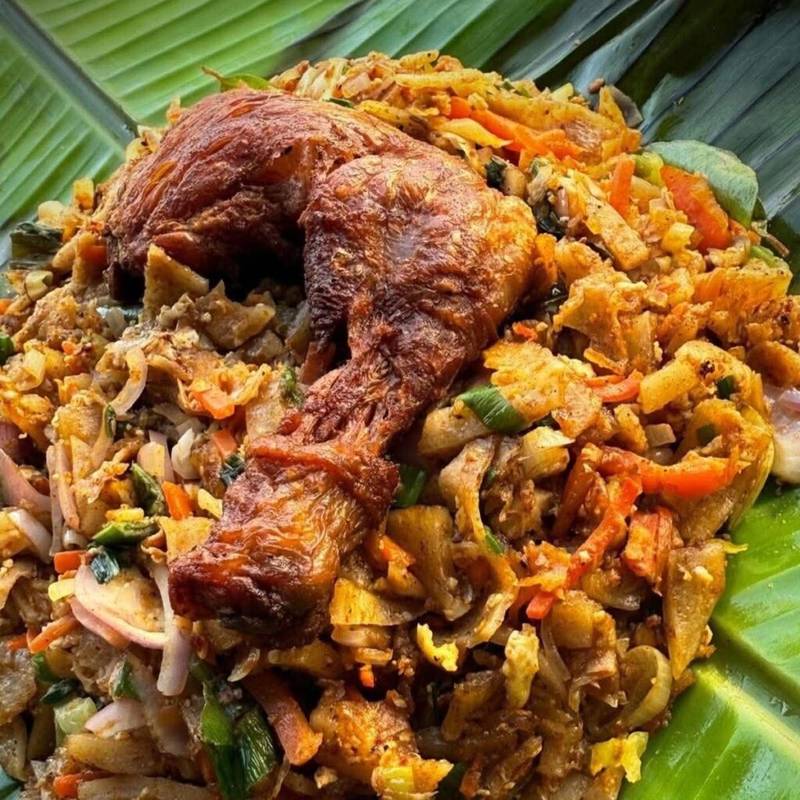
Kottu roti, arguably the most iconic street food item in the country, originated in the eastern coastal towns of Batticaloa and Trincomalee during the 1960s and 1970s. Initially conceived as a resourceful method to repurpose leftover godhamba roti (a thin, elastic flatbread), working-class cooks began chopping the day-old bread on a flat iron griddle alongside vegetables, eggs, and leftover meats. The name itself derives from the Tamil word for "chopped." Over subsequent decades, this utilitarian meal migrated to Colombo, where it transformed into the sonic and olfactory heartbeat of the city’s evening economy.
Similarly, hoppers (appam)—bowl-shaped pancakes constructed from a fermented batter of rice flour, coconut milk, toddy (palm wine) or yeast, and a touch of sugar—reflect ancient culinary traditions of southern India and Sri Lanka. Cooked in specialized small, curved pans that impart a crisp, lacy edge while maintaining a spongy center, hoppers demonstrate the foundational role of coconut in the local diet. When paired with pol sambol, a fiery condiment made from freshly grated coconut pounded with red onions, dried chilies, lime juice, and Maldive fish, the dish encapsulates the delicate balance of heat, fat, acid, and umami characteristic of the region’s cooking.
Deconstructing Misconceptions: Spice and Nuance
A persistent misconception among international travel literature is that all Sri Lankan cuisine is uniformly incendiary or merely a subset of Indian culinary traditions. Food historians and local culinary experts emphasize that while chilies play a prominent role, the defining characteristic of Colombo’s food is balance rather than sheer heat.
The integration of coconut milk across curries and breakfast items acts as a natural softening agent, subduing the sharpness of spices like black pepper, cardamom, and cinnamon. Furthermore, acidic elements such as lime juice, tamarind, and goraka (a dried fruit used in fish curries) are systematically employed to lift and brighten heavy dishes. Understanding this nuance alters the traveler’s experience, shifting the focus from endurance-based eating to an appreciation of layered flavor profiles.
The Daily Rhythm of Colombo Dining
Food consumption in Colombo follows a strict temporal and social rhythm that dictates the city’s daily life.
Morning hours are characterized by communal breakfast routines. Establishments and roadside kiosks serve hot hoppers, string hoppers (extruded rice-flour noodle nests), and Dhal curry, often consumed before the tropical heat peaks. Pettah Market serves as the epicenter of this morning activity. Located adjacent to the Colombo Fort railway station, the market district hums with activity in the early hours as vendors unload fresh tropical fruits, vegetables, whole spices, and regional snacks. Economists and urban planners note that Pettah functions not merely as a commercial bazaar, but as the logistical supply chain for the capital’s thousands of independent food stalls.
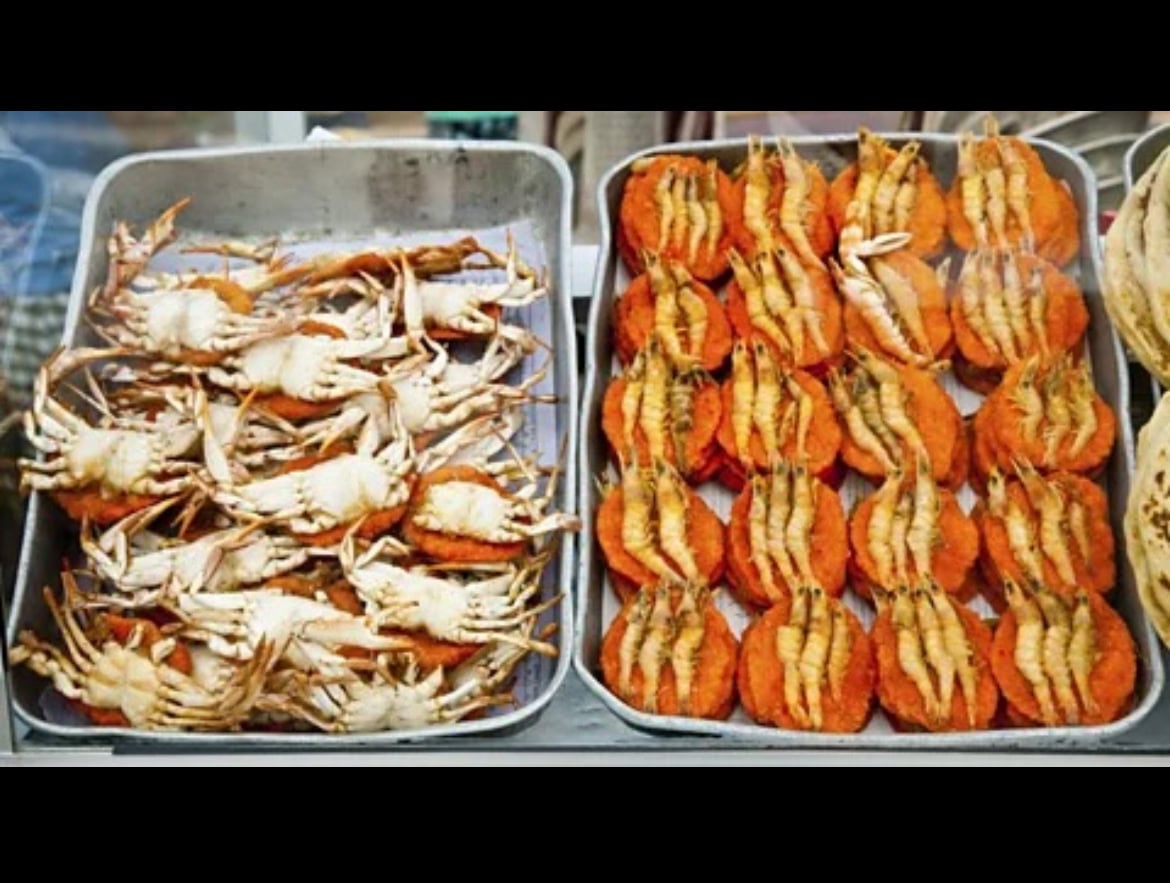
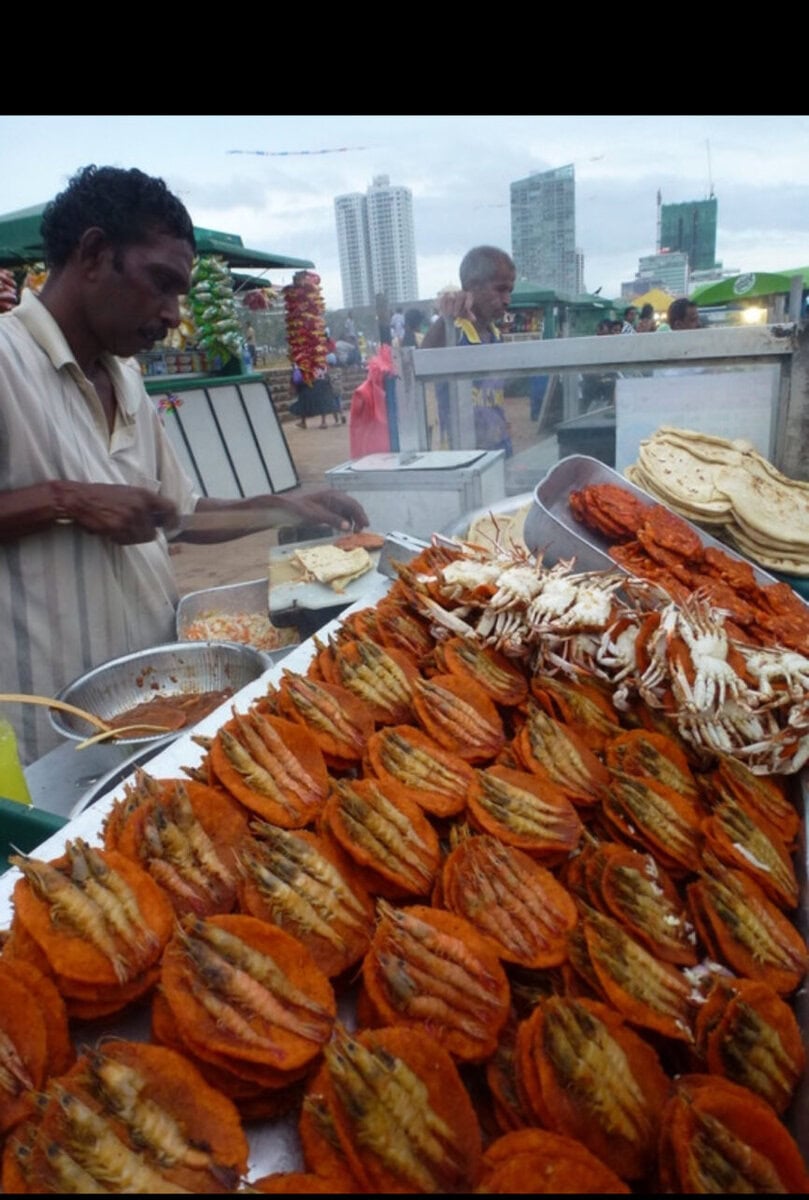
As afternoon transitions into evening, the culinary focus shifts outward. Neighborhoods across the city witness the ignition of kottu griddles, accompanied by the signature rhythmic clanging of heavy metal blades against hot iron plates. Concurrently, the Galle Face Green seafront promenade fills with families and visitors from approximately 5:00 PM onward. Street vendors line the walkway, offering isso vadai—spicy, crunchy lentil fritters topped with whole freshwater prawns—alongside freshly harvested king coconuts (thambili), consumed through a straw as the sun sets over the Indian Ocean.
Logistics, Economics, and Practical Guidance
Navigating Colombo’s street food economy requires an understanding of local pricing, etiquette, and logistical frameworks. Transactions at traditional street stalls and market kiosks are cash-based, necessitating small denomination Sri Lankan Rupees (LKR), as vendors rarely possess card processing facilities.
While formal economic data specific to the informal street food sector is difficult to quantify due to its decentralized nature, municipal authorities and tourism boards increasingly recognize street food vending as a vital component of the local tourism economy and cultural heritage preservation. Independent culinary tours, such as guided tuk-tuk excursions through Pettah, have emerged as structured bridges for international travelers, facilitating safe navigation through complex market streets while supporting local drivers and small-scale vendors.
Health, safety, and hygiene standards in Colombo’s street food sector are generally maintained through high turnover and visual transparency. Culinary experts advise patrons to select stalls where food is prepared fresh to order in full view of the customer, ensuring that items are served piping hot directly from the griddle or fryer. For hydration, commercially bottled water and sealed king coconuts provide safe alternatives to municipal tap water.
Dietary accommodations are broadly available within the street food sphere. Vegetarianism is easily supported, as vegetable and egg kottu, plain hoppers, and lentil-based vadai are ubiquitous. However, travelers with strict dietary restrictions must remain vigilant regarding hidden ingredients, such as the use of Maldive fish in traditional sambols or fish stocks in seemingly vegetarian gravies.
Socio-Economic Implications and Future Outlook
The persistence of street food culture in Colombo highlights broader socio-economic dynamics within urban Sri Lanka. Amidst fluctuating economic conditions and rising living costs, the informal food sector provides accessible nutrition for the urban workforce and secures livelihoods for multigenerational vendor families.
At the same time, rapid urban development, waterfront modernization projects, and shifting consumer preferences present both challenges and opportunities for traditional street food vendors. While upscale restaurants and international chains proliferate in commercial districts, the enduring popularity of roadside kottu kiosks and Pettah market stalls underscores a collective cultural commitment to preserving communal, street-level dining traditions.
Ultimately, experiencing Colombo through its food is an exercise in cultural immersion. Whether standing at a sidewalk griddle watching a cook synchronize the beat of twin blades, or sharing a plate of string hoppers at dawn, the city’s culinary identity remains rooted not in elite gastronomy, but in the shared rhythms of everyday life.