The Essential Thanksgiving Archive: A Comprehensive Guide to Executing the Quintessential Holiday Meal

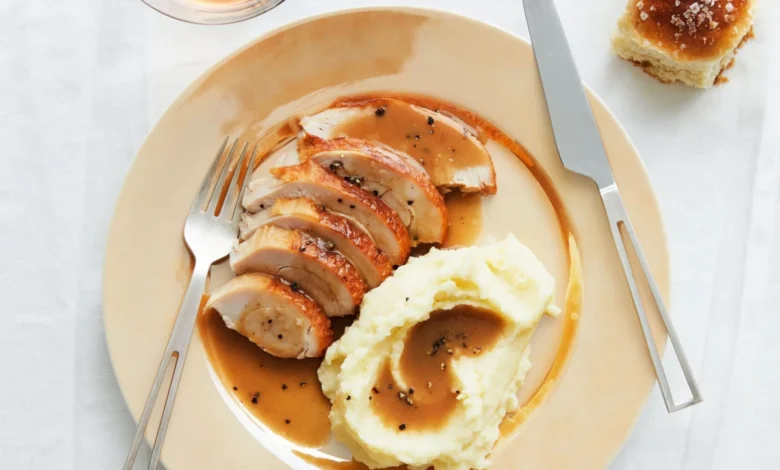
The Thanksgiving holiday remains the most significant culinary event in the American calendar, representing a unique intersection of cultural tradition, domestic labor, and agricultural heritage. As millions of households prepare for the upcoming holiday, the demand for reliable, rigorously tested recipes has surged, reflecting a collective desire to balance innovation with the comfort of historical consistency. According to data from the American Farm Bureau Federation, the average cost of a Thanksgiving dinner has fluctuated significantly over the last decade, yet consumer spending on premium ingredients—particularly heritage-breed turkeys and artisanal baking components—continues to rise. This indicates that while the menu remains tethered to tradition, the execution of these dishes has become increasingly sophisticated.
The architecture of a classic Thanksgiving feast is built upon a specific foundation of high-demand staples: roasted poultry, starch-heavy sides, and seasonal desserts. Culinary experts at major test kitchens, including the editorial staff at Bon Appétit, note that despite the year-round culinary experimentation common in modern cooking, the Thanksgiving table is the one place where tradition dictates the menu. This inertia is not a failure of creativity but a reflection of the role the meal plays in social cohesion. Guests arrive with specific expectations, and the "Rockwellian" aesthetic—a term used to describe the idealized, nostalgic imagery of American life—serves as the benchmark for success.
The Chronology of Preparation
Executing a seamless Thanksgiving dinner requires a departure from traditional same-day cooking methods. Industry standards suggest a multi-day timeline to mitigate the logistical challenges of oven management and kitchen congestion.
Preparation should begin no later than the weekend preceding the holiday. The first phase involves the production of items that are shelf-stable or improved by refrigeration, such as cranberry sauce. Priya Krishna’s 2019 recipe, a staple in the archives, highlights the efficacy of preparing acidic components days in advance. Beyond convenience, this allows for the infusion of secondary aromatics like cinnamon, star anise, or black pepper, which benefit from a resting period.

The second phase, occurring 72 to 96 hours before the event, focuses on the gravy. Traditional wisdom often dictates that gravy must be made from pan drippings immediately after the turkey is removed from the oven. However, modern culinary techniques, such as those championed by chef Andy Baraghani, emphasize the "make-ahead" approach. By utilizing a robust stock—preferably homemade or high-quality store-bought—and thickening agents well before the holiday, cooks can avoid the high-stress environment of the kitchen on Thursday afternoon. This gravy can be reheated with a splash of stock to restore its emulsified, silky texture.
The Foundation: Poultry and Starch
The centerpiece of the meal, the roast turkey, remains the most scrutinized element of the day. The "Very Classic Dry-Brined Roast Turkey," first featured in 2017, illustrates the shift away from wet brining, which can often result in water-logged tissue. A dry brine—the process of applying salt and aromatics directly to the skin and meat—draws moisture out, then reabsorbs it, ensuring the white meat remains succulent while the skin achieves a crisp, burnished finish. This technique relies on the principles of osmosis, providing a scientific advantage over older, more invasive methods.
Accompanying the protein are the essential starches, most notably mashed potatoes and stuffing. The technical standards for mashed potatoes have evolved; the use of a food mill or ricer is now considered essential for achieving the light, airy texture required for a professional-grade side. The "BA’s Best" designation for these recipes is not merely marketing; it signifies a consistent adherence to a high-fat-to-starch ratio that has been vetted through hundreds of iterations.
Stuffing, or "dressing" as it is technically defined when cooked outside the bird, serves as the meal’s structural anchor. The 2012 recipe by Victoria Granof remains a benchmark, relying on the classic culinary quartet of parsley, sage, rosemary, and thyme. By isolating the stuffing from the turkey, cooks can achieve a superior crust-to-interior ratio, preventing the bread from becoming saturated by the bird’s juices, which can lead to a gummy consistency.
The Evolution of Traditional Sides
While the main courses remain static, the preparation of sides has undergone a "de-industrialization" of sorts. The green bean casserole, a dish historically dependent on canned cream of mushroom soup and processed fried onions, has seen a transition toward scratch-made components. Chris Morocco’s 2016 iteration of this dish serves as a case study for this shift. By preparing a savory mushroom velouté from scratch, the dish retains its nostalgic profile while significantly elevating the depth of flavor. This represents a broader trend in American home cooking: the desire to replicate mass-produced convenience foods with higher-quality, artisanal ingredients.

Parker House rolls, dating back to the 19th-century Fannie Farmer Baking Book, round out the starch profile. These items are particularly useful for logistical management, as they can be baked, cooled, and frozen weeks in advance. Reheating them on the day of the feast requires only a brief oven session, providing an opportunity to maximize oven efficiency while the turkey rests.
Data and Logistics: The "Oven Budget"
A primary factor in the success of the holiday meal is what professionals call the "oven budget." On Thanksgiving, the oven is a limited resource. Proper scheduling requires a strategic assessment of temperatures and bake times.
- The Turkey: Usually requires the longest time and the highest volume of space. It must be rested for at least 30–60 minutes after roasting, which provides a critical window to bake sides.
- The Sides: Green bean casserole and dressing require a lower temperature than the turkey but need sufficient space to develop a crust.
- The Rolls: These require a quick, high-heat blast just before service.
If the stuffing and casserole are prepared in advance, they can be transitioned from the refrigerator to the oven during the turkey’s resting period. Failure to account for this overlap is the most common cause of service delays and lukewarm meals.
Cultural and Economic Implications
The endurance of these specific recipes—many of which date back to 2012 or 2016—speaks to the stability of the Thanksgiving menu in the American consciousness. While restaurants and professional caterers often attempt to introduce "modern" or "fusion" elements to the Thanksgiving table, public data suggests that home cooks are highly resistant to changing the core components of the feast. This resistance is largely psychological; Thanksgiving is viewed as a bridge between generations.
From an economic perspective, the reliance on these recipes also influences supply chain demand. The ingredients cited in these archives—specifically fresh herbs, root vegetables, and quality fats—see predictable spikes in demand in late November. The "BA’s Best" moniker has become a driver of consumer behavior, as home cooks look for an assurance of quality to protect their investment in an expensive, high-stakes meal.

Conclusion: The Role of the Archive
The practice of returning to established, "archival" recipes serves as a form of risk management. For the home cook, the anxiety surrounding the Thanksgiving meal is significant; the potential for a failed turkey or a lumpy sauce is high. By relying on recipes that have been tested and refined by professional editors, the home cook mitigates these risks, ensuring a result that aligns with the expectations of guests.
As the holiday approaches, the focus remains on these foundational techniques: dry brining for moisture, ricers for texture, and the strategic "make-ahead" approach to gravy and bread. These methods are not merely about efficiency; they are about preserving the integrity of a tradition that continues to define the American culinary calendar. Whether one chooses to strictly follow the 2012 stuffing recipe or experiment with a modern twist, the objective remains the same: the successful execution of a meal that balances the nostalgia of the past with the technical standards of the present.