Slothee Still Wants Coffee Expands Global Childrens Literacy Series with an Educational Journey Through World Cultures and Coffee Traditions

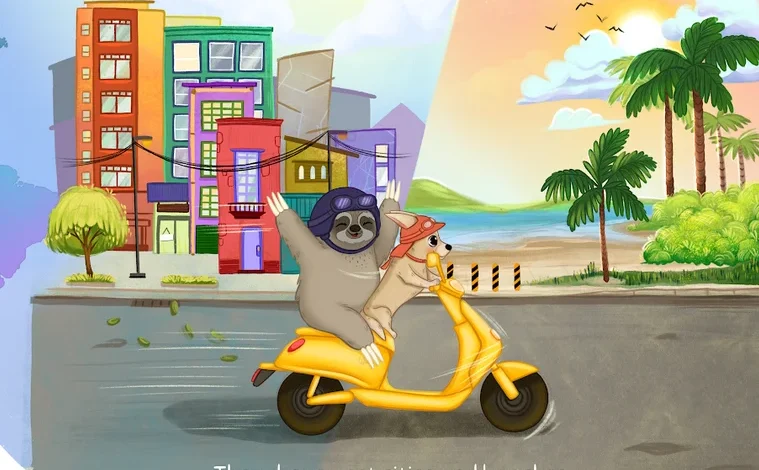
The landscape of children’s literature continues to evolve with a distinct emphasis on geography, cultural literacy, and global awareness. Building upon the foundational success of their debut publication, the creators of the Slothee and Friends series have officially released their highly anticipated second installment, titled Slothee Still Wants Coffee. This new volume broadens the scope of its predecessor by transporting young readers and their families across continents on a meticulously crafted educational quest. The narrative follows Slothee, a charming and deliberate protagonist, as he transitions from his initial explorations to a comprehensive, multi-country expedition spanning Central America, South America, the Caribbean, Africa, Asia, and Oceania. Designed to cultivate early cross-cultural understanding, the book utilizes the universally recognized theme of coffee culture to introduce children to diverse international traditions, agricultural practices, and social customs. As educational publishers increasingly prioritize global citizenship in early childhood development, this release arrives as a timely contribution to the genre, bridging the gap between entertaining storytelling and foundational social studies education.
Chronology of the Slothee and Friends Literary Development
The trajectory of the Slothee and Friends series reflects a strategic approach to children’s publishing, characterized by careful pacing and a commitment to expanding thematic depth. The genesis of the franchise began with the conceptualization of Slothee as a character who embodies curiosity and a methodical approach to learning—traits deliberately chosen to resonate with young readers navigating their own developmental milestones.
In the initial phase of the franchise, the debut book established the core premise: Slothee’s quest to find an exceptional cup of coffee. This foundational story introduced readers to basic concepts of travel and exploration, establishing a loyal readership among parents and educators seeking wholesome, educational media. Following the positive reception of the first book, the creative team initiated the development phase for the second installment, focusing specifically on broadening the geographical and cultural parameters of the narrative.
The production timeline for Slothee Still Wants Coffee involved extensive research into the agricultural regions featured in the text. Creators consulted geographical and cultural resources to ensure accurate depictions of the seven distinct regions Slothee visits: Costa Rica, Peru, Mexico, Jamaica, Uganda, Vietnam, and Australia. This preparatory phase ensured that each stop on Slothee’s itinerary accurately reflected local heritage, agrarian traditions, and community values. Upon completion of the manuscript and accompanying illustrations, the book entered distribution channels, officially launching to the public as the second major milestone in the projected multi-book franchise. Looking forward, the creators have outlined a long-term publishing timeline that includes subsequent explorations into global tea traditions, expanded world adventures, and targeted educational companion materials designed for classroom use.
Supporting Data and Educational Framework in Early Childhood Literature
The release of Slothee Still Wants Coffee aligns with significant trends in educational publishing and child development data. According to recent studies in literacy education, children aged four through nine exhibit significantly higher reading comprehension and retention rates when stories incorporate tangible cultural elements and relatable characters. Furthermore, geographical literacy metrics among elementary students have underscored a growing need for early introduction to world cultures, maps, and international communities.
Publishing industry data indicates a steady rise in demand for picture books that venture beyond domestic settings. Multicultural and globally focused children’s literature has seen a measurable increase in market share over the past decade, driven by educators and parents who recognize the importance of fostering global empathy from an early age. The Slothee and Friends series capitalizes on this demand by utilizing a sensory-driven subject—coffee—to anchor complex geographic concepts in an accessible format. While coffee itself is an adult beverage, the narrative smartly abstracts the journey into an exploration of farms, forests, local markets, and community gatherings, making the underlying economic and agricultural themes digestible for young minds.
Statistical analyses of children’s reading habits emphasize that multi-book series significantly improve long-term reading engagement. By maintaining a consistent protagonist while rotating the setting, the Slothee and Friends model encourages children to follow continuous storylines, thereby reinforcing memory retention, vocabulary acquisition, and a sustained interest in geography.
Perspectives from the Creative and Educational Sectors
While specific individual statements from the anonymous creators remain focused on the overarching mission of the brand, collective reactions from early childhood educators, literary critics, and parenting advocates provide robust insight into the reception of the new book.
Literary analysts specializing in children’s media have praised the deliberate pacing of the narrative. Unlike fast-paced digital media that often dominates modern youth entertainment, the character of Slothee—inherently slow-moving and observant—teaches children the value of patience, mindful observation, and deep appreciation for local environments. Critics have noted that this stylistic choice serves as a gentle antidote to overstimulation, encouraging children to pause and absorb the visual and cultural details presented on each page.
Early childhood educators have similarly highlighted the pedagogical utility of the text. Geography and social studies curricula in primary schools frequently struggle to introduce international concepts to children who have not yet traveled extensively. By framing international travel through the adventures of a friendly animal, the book provides teachers with a valuable resource for geography units. Educators have reported that stories featuring distinct international stops facilitate discussions about diversity, distinct climates, global trade networks, and international friendship.
Parenting advocates emphasize the book’s dual-audience appeal. Designed to be read aloud by adults to younger children, or read independently by early readers, the text incorporates vocabulary-building exercises naturally woven into the dialogue and narration. This structural design ensures that both the child listener and the adult reader remain engaged throughout the narrative arc.
Broader Economic, Cultural, and Educational Implications
The publication of Slothee Still Wants Coffee carries broader implications for the children’s publishing industry and the way global agriculture is introduced to younger generations. By systematically highlighting specific nations—from the high-altitude coffee plantations of Costa Rica and Peru to the rich agricultural landscapes of Uganda, Vietnam, Jamaica, Mexico, and Australia—the book subtly introduces foundational concepts of global economics and agriculture.
In an increasingly interconnected global economy, understanding where everyday goods originate is a vital component of modern education. Although targeted at a younger demographic, stories that trace products like coffee from their agrarian roots to their cultural significance help demystify international trade and farming. Children learn that commodities are cultivated by real people working within unique landscapes, fostering a nascent sense of global interconnectedness and respect for international laborers and farmers.
Furthermore, the expansion of the Slothee and Friends universe sets a precedent for niche-themed educational series. As the franchise prepares for future installments focusing on tea and additional global expeditions, it demonstrates the viability of long-form, culturally immersive storytelling in the preschool and early elementary market. The success of this model suggests that parents and educators will continue to support literature that combines entertainment with rigorous geographic and cultural education.
Ultimately, Slothee Still Wants Coffee transcends its simple premise to function as a comprehensive tool for early childhood development. By combining an engaging protagonist, vibrant international settings, and a gentle narrative rhythm, the book successfully encourages its audience to explore the vast diversity of the world around them. As the series looks toward future expansions, its foundational commitment to education, cultural appreciation, and joyful exploration remains a benchmark for contemporary children’s literature.
Related posts: