The Cultural and Culinary Significance of Collard Greens in Southern American Traditions

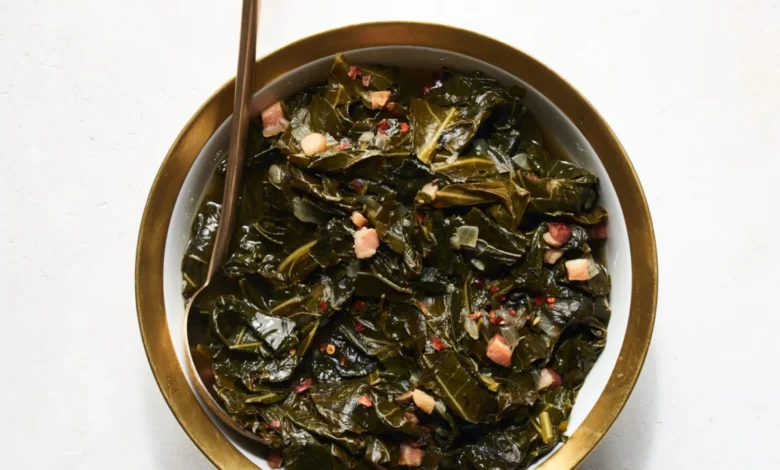
Collard greens, a stalwart of Southern American cuisine, occupy a position of significant cultural importance that transcends their status as a simple seasonal vegetable. While these hardy, dark leafy greens are available year-round, they reach their peak of public visibility during the transition from the old year to the new. For many, particularly across the American South, a New Year’s Day meal is considered incomplete without the presence of collard greens, often served alongside black-eyed peas and cornbread. This ritual is rooted in long-standing superstition, where the greens are symbolically linked to monetary prosperity and the black-eyed peas represent good luck and fortune in the coming calendar year.
Historical Context and Regional Significance
The tradition of consuming greens on January 1 has deep historical roots, originating from a blend of agricultural cycles and cultural folklore. Historically, enslaved people in the American South relied on garden staples that could withstand the winter climate. Collard greens (Brassica oleracea var. acephala) became a reliable source of nutrition throughout the colder months. Over time, the folklore evolved to associate the green color of the leaves with the color of folding money, establishing the belief that consuming them on the first day of the year would invite financial abundance.
Chef Julia Sullivan, of the acclaimed Nashville restaurant Henrietta Red, notes that this practice is frequently passed down through generational lines. “It’s something my mom has always done, and I think my grandparents, too,” Sullivan explains. “It’s a superstitious thing.” This intergenerational transmission of culinary habits acts as a tether to regional identity, maintaining Southern customs even as urban culinary landscapes evolve toward more modern, globalized trends.
Culinary Methodology: Achieving the Ideal Texture and Flavor
The preparation of collard greens requires a careful balance of technique and timing to manage their naturally fibrous texture and earthy, slightly bitter flavor profile. In professional kitchens and home cooking alike, the goal is to reach a "silky-tender" consistency that is achieved through a slow-simmering process.
Chef Sullivan’s approach, which serves as a baseline for many professional applications, involves rendering bacon to provide a smoky, savory foundation. This is enhanced by the inclusion of aromatics—specifically onion, garlic, and red pepper flakes—which provide a nuanced flavor profile that cuts through the inherent earthiness of the greens. The cooking process, which typically spans just under an hour, allows the greens to soften significantly. A critical final step involves the addition of apple cider vinegar and a small amount of sugar. The acidity of the vinegar acts as a necessary counterpoint to the richness of the bacon and the broth, creating a "sweet-tart" finish that prevents the dish from feeling overly heavy.
Technical Preparation: Cleaning and Processing
Because collard greens grow close to the ground, they are notorious for trapping grit and sand within their thick, crinkled leaves. Proper preparation is essential to ensure the final product is palatable.
- Stem Removal: The fibrous, tough center ribs and stems must be removed, as they do not break down at the same rate as the leaf tissue.
- Technique: The leaves are typically stacked, rolled into a cylinder, and sliced into 1-inch strips, often referred to as a "chiffonade" in culinary terminology.
- Washing: The most effective method for removing grit involves submerging the cut greens in a large basin or sink filled with cold water. Agitating the leaves allows the sediment to settle at the bottom.
- Drainage: Removing the greens by lifting them from the water, rather than pouring the water out, is a critical step to prevent the settled grit from adhering back onto the leaves. Residual water remaining on the leaves is not a detriment, as it facilitates a natural steaming process during the initial stages of cooking.
Scientific and Nutritional Implications
Beyond the symbolic, collard greens offer significant nutritional value. They are rich in vitamins K, A, and C, as well as calcium and folate. However, the culinary process can affect the bioavailability of these nutrients. The use of fats—such as the traditional bacon fat or alternative plant-based lipids—assists in the absorption of fat-soluble vitamins. The addition of acidic agents, such as vinegar, does more than provide flavor; it can help neutralize some of the stronger, sulfurous compounds that are released during the long-boiling process, rendering the greens more digestible and palatable.
Adaptability and Dietary Modifications
Modern culinary practices have seen a shift toward making traditional recipes more inclusive, particularly regarding dietary restrictions. The traditional inclusion of bacon can be omitted entirely, or substituted with turkey bacon or smoked meats. For vegetarian or vegan applications, culinary professionals suggest replacing animal-based broths with high-quality vegetable stock or plain water. To replicate the "umami" or savory depth typically provided by the meat, chefs often introduce ingredients like miso paste, which provides a fermented, salty complexity that mimics the function of cured pork.
Broader Impact of Regional Greens
While collards are the primary choice for New Year’s celebrations, the category of "sturdy cooking greens" is vast. Mustard greens and turnip greens are frequent alternatives, particularly in rural Southern communities. These varieties offer a sharper, more peppery flavor profile that requires less cooking time than the dense collard leaf. Kale serves as another common substitute, though its texture is significantly different when cooked. Swiss chard, by contrast, is much more delicate; those choosing to swap it into a standard collard recipe must adjust cooking times downward to avoid over-softening the leaves into a paste.
Chronology of Consumption Trends
- 18th-19th Century: Collard greens become a staple of Southern subsistence farming and enslaved diet due to their resilience to frost.
- Early 20th Century: The association between greens, black-eyed peas, and New Year’s prosperity becomes cemented in Southern folklore, crossing from rural farming communities into broader American cultural consciousness.
- Mid-20th Century: As migration patterns shift populations from the South to the North and West, the tradition of eating greens on New Year’s Day gains national recognition.
- 21st Century: The "farm-to-table" movement and a renewed interest in heritage cooking elevate collard greens from "comfort food" to a respected component of fine dining, with chefs like Julia Sullivan refining traditional techniques for high-end service.
Economic and Supply Chain Considerations
The economic impact of the collard green market is most acute during the winter holiday season. Grocery retailers typically see a significant spike in demand during the final week of December. This surge requires careful supply chain management, as the greens must be kept cool and moist to prevent wilting. For many agricultural producers in the South, the New Year’s window represents one of the most profitable periods for leafy green sales.
Conclusion: The Continued Relevance of Tradition
The practice of preparing collard greens on New Year’s Day serves as a fascinating intersection of history, superstition, and culinary technique. While the core of the tradition remains unchanged, the flexibility of the recipe allows it to remain relevant in a modern society that prioritizes both heritage and health. Whether prepared with traditional pork fat or modernized with miso and vegetable broth, the dish continues to function as a vessel for communal values, marking the transition into a new year with a nod to the past and a hope for future prosperity. The dish’s ability to evolve while maintaining its fundamental identity is perhaps the greatest indicator of its enduring place in the American culinary canon.