Barcelona, a global hub of Mediterranean culture, maintains a literary identity as complex and layered as its architectural landscape. From the medieval labyrinth of the Gothic Quarter to the deliberate, grid-like geometry of the Eixample district, the city has long fostered an environment where literature, art, and intellectual inquiry are foundational to its urban fabric. Recent data from the Barcelona City Council’s Department of Culture underscores this, noting that the city boasts one of the highest densities of independent bookstores in Southern Europe, with over 300 active outlets supporting a vibrant local publishing industry. This network of spaces—ranging from high-end, contemporary cultural centers to intimate, second-hand repositories—serves not only as retail outlets but as critical hubs for the city’s civic and social life.

The Evolution of Barcelona’s Literary Ecosystem
The development of Barcelona’s book culture is historically tied to the city’s role as the publishing capital of the Spanish-speaking world. For decades, the city has served as the primary headquarters for major publishing houses, creating an ecosystem where writers, editors, and readers intersect. This legacy is epitomized by the annual celebration of Sant Jordi on April 23. On this date, the city transforms into an open-air library, with millions of books and roses sold in a tradition that blends Catalan identity with global literary appreciation. According to figures from the Cambra del Llibre de Catalunya, the Sant Jordi festival consistently generates nearly 10% of the annual revenue for the regional book market in a single day, highlighting the profound economic and cultural impact of the written word on the city’s identity.
Curated Spaces: The Modern Literary Experience
Contemporary Barcelona has seen a resurgence in “concept” bookstores—spaces that function as multidisciplinary venues. Llibreria Finestres, located in the heart of the Eixample district near the iconic Passeig de Gràcia, represents the modern shift toward experiential retail. Since its inception, Finestres has positioned itself as a "third space," offering an extensive inventory of international literature, graphic novels, and academic essays, while simultaneously hosting workshops and lectures.
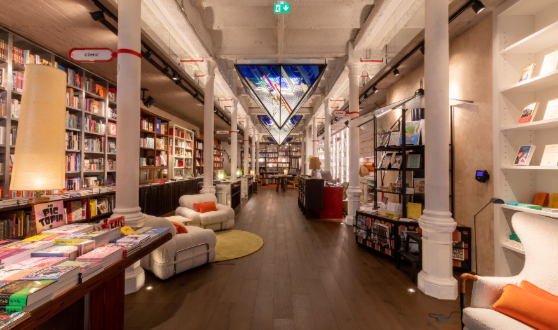
Industry analysts suggest that the success of such establishments is driven by a consumer desire for physical connection in an increasingly digital era. By integrating cafes, art galleries, and dedicated reading areas, these venues mitigate the pressures of the digital marketplace. Similarly, Laie Pau Claris has maintained its relevance for decades by operating a hybrid model that includes a restaurant and a terrace, catering to the city’s intellectual and artistic community. The cultural impact of these institutions is significant; they act as nodes for the dissemination of critical theory and contemporary art, often providing a platform for local authors to engage with international audiences.
Preservation and Intellectual History
While new spaces innovate, Barcelona remains committed to the preservation of its historical intellectual sites. The Biblioteca Pública Arús, founded in 1895, stands as a testament to this commitment. Originally established as a library for the working class, its current collections focus heavily on the history of social movements, anarchism, and labor unions. The institution provides a rare, tangible link to the 19th-century intellectual atmosphere that shaped modern Catalonia.
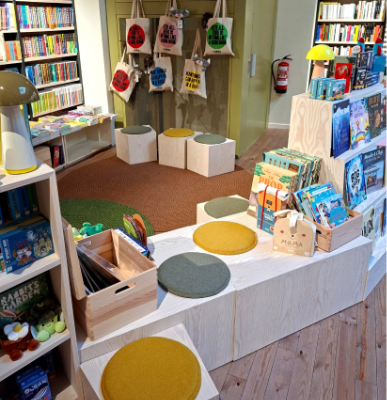
The presence of the Statue of Liberty replica within the Arús library is more than a mere curiosity; it serves as a symbolic marker of the library’s historical mission to promote liberal values and democratic ideals. The library remains a critical resource for scholars and researchers, demonstrating that even in a city dominated by modernist tourism, there is a sustained demand for institutional spaces that prioritize long-term historical preservation over transient consumer trends.
The Role of Contemporary Culture Centers
Barcelona’s broader cultural strategy is defined by the integration of art and literature into the urban experience. The Centre de Cultura Contemporània de Barcelona (CCCB), situated in the historic El Raval neighborhood, functions as the nexus of this strategy. By addressing topics such as urban planning, technological transformation, and environmental science, the CCCB ensures that literature and art remain engaged with the immediate challenges facing the city.
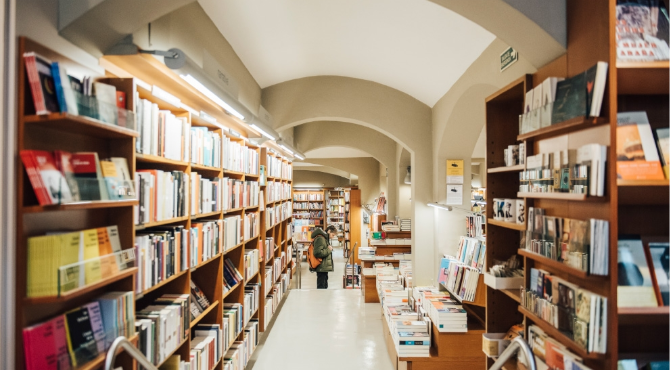
The influence of such centers is felt across the district. In El Raval, the presence of the CCCB, alongside the Barcelona Museum of Contemporary Art (MACBA) and a dense cluster of independent bookstores like La Central del Raval, creates a "cultural corridor" that encourages deep, focused engagement with local history. Research from the local municipality indicates that districts with high concentrations of cultural amenities—such as the Eixample and El Raval—experience higher levels of pedestrian engagement and local economic resilience, as these spaces draw residents and tourists alike away from purely commercial shopping routes.
Second-Hand Markets and Accessibility
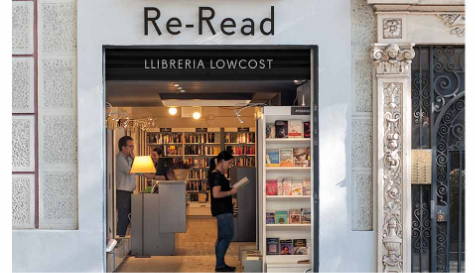
Accessibility to knowledge is a central pillar of the city’s book culture, supported by a network of second-hand and independent sellers. Re-Read, a bookstore chain operating across several city locations, exemplifies the circular economy within the literary sector. By purchasing and reselling books at fixed, affordable prices, these shops make literature accessible to a broader demographic.
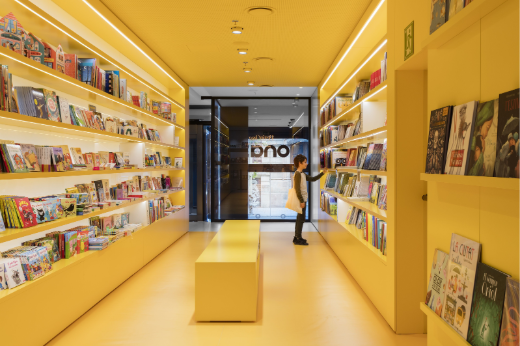
For the international community, Hibernian Books in the Gràcia neighborhood serves a specific demographic need. As one of the few dedicated English-language second-hand bookshops in the city, it provides a crucial point of entry for expatriates and tourists into the local literary scene. Gràcia, known for its village-like atmosphere and pedestrianized squares, provides an ideal backdrop for this type of business, which relies on the "discovery" element of the browsing experience. The existence of these shops is vital to the city’s inclusive identity, ensuring that the cost of entry into the literary world remains low.
Regional Identity: The Case of Ona Llibres
The prominence of the Catalan language in Barcelona’s bookstores is not merely a linguistic preference but a core component of regional self-expression. Ona Llibres has become a critical venue for the promotion of Catalan literature, offering a comprehensive look at the region’s output. The store’s design—modern, spacious, and highly functional—challenges the perception of Catalan-language literature as a niche interest.
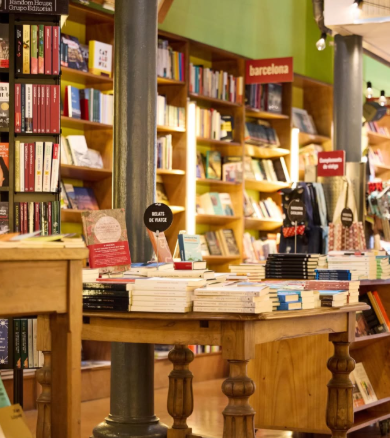
By hosting consistent programming of exhibitions, talks, and presentations, Ona Llibres contributes to the professionalization of the Catalan literary market. Official data from the Generalitat de Catalunya shows that books published in Catalan have seen a steady increase in market share over the last decade, a trend bolstered by bookstores that prioritize local authors and provide the infrastructure for high-level literary discourse.
Future Projections and Urban Integration
The continued success of these cultural spaces relies on their ability to adapt to changing urban dynamics. As Barcelona grapples with the impact of mass tourism, these bookstores provide a necessary "quiet space" for the local population. They are increasingly being recognized by urban planners as essential infrastructure that promotes social cohesion.
Looking forward, the integration of digital technology into physical bookstores—such as augmented reality tours of historical sites or digital archives of rare books—represents the next frontier for these institutions. However, the core appeal remains the physical experience. Whether it is the industrial charm of the Fabra i Coats creation factory in Sant Andreu or the quiet, wood-paneled reading rooms of the Arús library, Barcelona’s bookstores and cultural centers provide a necessary counter-narrative to the city’s fast-paced tourism industry.
Ultimately, these spaces are more than just destinations for purchasing media; they are guardians of a collective memory. For the visitor, they offer a deeper understanding of the city’s soul, far removed from the superficiality of typical tourist attractions. For the resident, they remain the quiet workshops where the ideas that will shape Barcelona’s future are still being written, read, and debated. The city’s commitment to maintaining this balance between the traditional and the contemporary ensures that its status as a world-class literary capital remains secure for the foreseeable future.
Related posts: