A Slow Weekend Itinerary for Couples in Milan: Finding Balance Between City Pulse and Thermal Stillness

Milan is frequently characterized by the frenetic velocity of its professional and social spheres. As Italy’s financial capital and a global titan of the fashion industry, the city demands a pace that often leaves visitors feeling as though they are perpetually chasing their next reservation. However, a growing trend in urban tourism suggests that the most rewarding way to experience the Lombardy metropolis is not by accelerating, but by strategically embedding a period of intentional deceleration into the itinerary. By alternating between the high-octane energy of the city center and the restorative environment of its revitalized historical spaces, couples can achieve a balanced weekend that prioritizes both cultural immersion and personal wellness.
The architectural and social fabric of Milan serves as the ideal backdrop for this dual-rhythm approach. The city is a collage of six centuries of structural evolution, ranging from the Gothic intricacies of the Duomo to the modern, minimalist aesthetics of the Porta Nuova district. To understand the necessity of this balanced itinerary, one must consider the sheer density of the city’s offerings. Milan hosts over six million visitors annually, with a significant percentage concentrated in the immediate vicinity of the Piazza del Duomo. This density creates a sensory saturation that can lead to rapid tourist fatigue, making the inclusion of a "thermal pause" not merely a luxury, but a logistical necessity for a sustainable weekend trip.
The Architecture of Movement: Day One and the Urban Sprint
The initial phase of a successful Milanese weekend requires an engagement with the city’s most prominent historical landmarks while they are at their most accessible. The Duomo di Milano, a project that spanned nearly six centuries, stands as the geographical and spiritual heart of the city. Data from the Veneranda Fabbrica del Duomo indicates that morning attendance remains the most effective strategy for managing crowd flow. By arriving at the cathedral’s rooftop terraces within the first hour of operation, visitors avoid the peak congestion that typically begins by mid-morning. The experience of walking among the 135 spires and the thousands of statues provides a perspective on the city’s scale that is unavailable from the street level.
Following the vertical exploration of the Duomo, the transition to the Brera district offers a shift in atmospheric intensity. Brera, historically known as the bohemian quarter, functions as the city’s cultural repository. The Pinacoteca di Brera, established in 1776, houses a collection of masterpieces by Caravaggio, Raphael, and Mantegna. A visit here requires a departure from the "checklist" mentality. The gallery’s layout, within a 17th-century palazzo, encourages a slower pace, reflecting the historical importance of the Brera Academy as a hub for artistic reflection. The surrounding cobblestone streets, relatively insulated from the primary shopping thoroughfares, provide an environment conducive to casual, unhurried exploration—a stark contrast to the transactional nature of the nearby fashion districts.
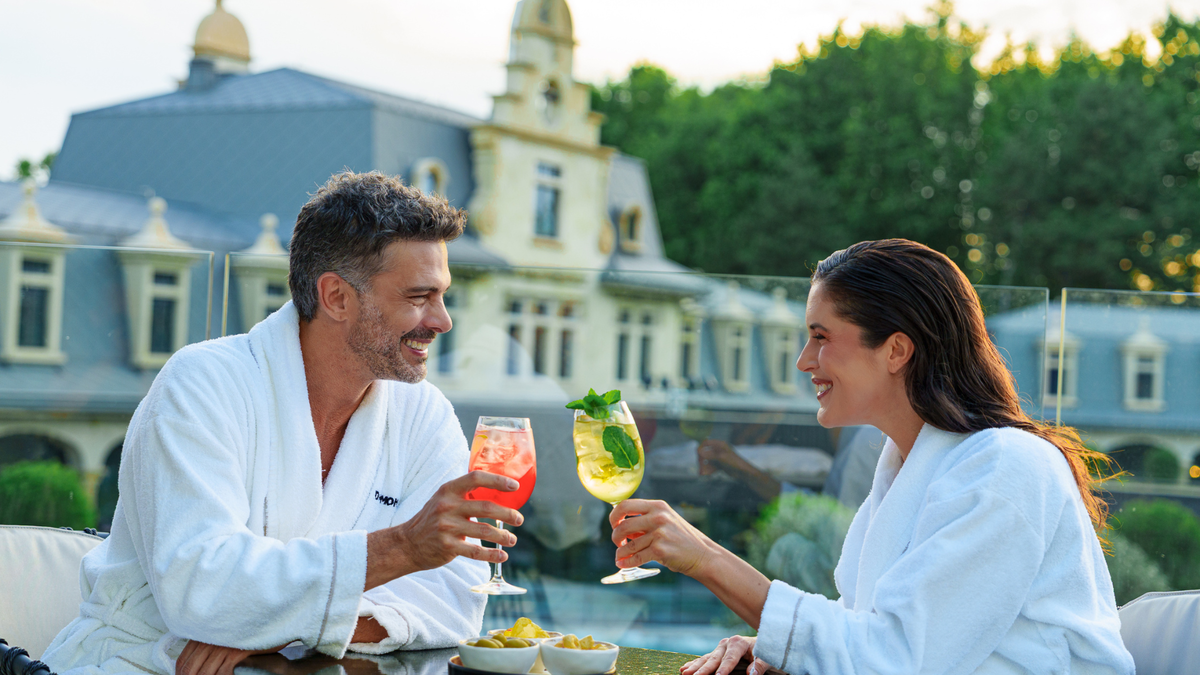
As the first day concludes, the traditional Milanese ritual of aperitivo serves as the final, essential component of the city’s rhythm. This social institution, which typically occurs between 6:00 p.m. and 9:00 p.m., represents the transition from the professional day to the social evening. By engaging in this custom, visitors participate in a local tradition that prioritizes conversation and light consumption over the rigid structure of a formal dining reservation.
The Midday Pivot: Integrating Wellness in San Siro
The second day represents a deliberate restructuring of the weekend’s energy. The focus shifts toward the San Siro district, an area often overlooked by tourists who associate the neighborhood exclusively with the Giuseppe Meazza stadium. However, the district has recently become a focal point for urban revitalization, most notably through the restoration of the Scuderie De Montel.
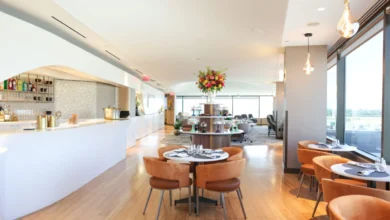
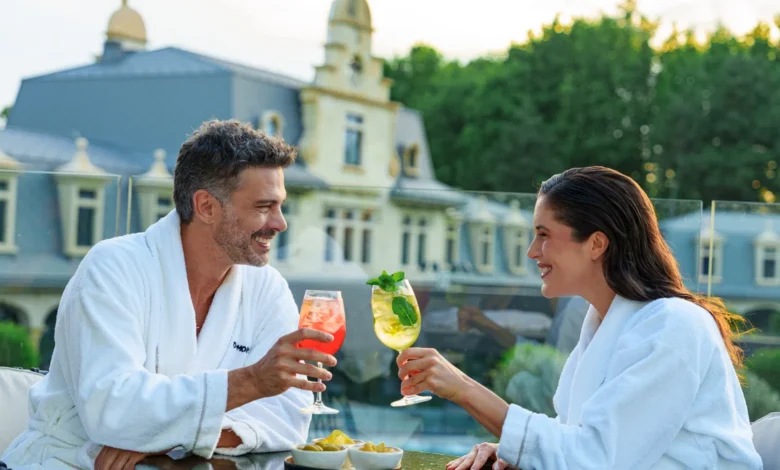
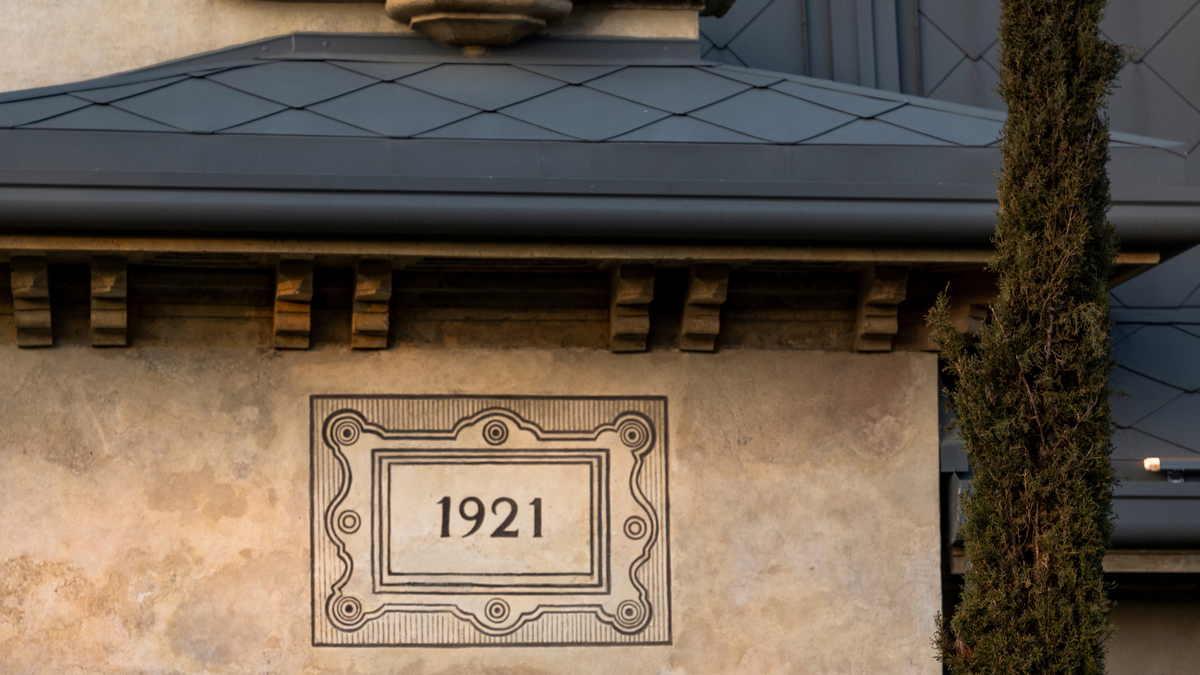
Built in 1921, the Scuderie De Montel—the historic stables of the San Siro racecourse—represents a significant case study in adaptive reuse. The transformation of this site into a thermal bath facility, Terme De Montel, is not merely a commercial development but an architectural intervention aimed at restoring a piece of Milan’s heritage to public use. The integration of thermal water into these historic structures provides a unique juxtaposition of 20th-century craftsmanship and contemporary wellness technology.
From a physiological and psychological perspective, this midday pause functions as a "circuit breaker." Research into urban tourism suggests that the introduction of a high-sensory-input environment—such as a crowded metropolitan center—followed by a low-sensory-input environment—such as a thermal spa—can significantly mitigate the cortisol spikes associated with travel stress. The thermal pools at Scuderie De Montel utilize natural water temperatures and mineral qualities that facilitate muscle relaxation, while the sound-dampened architecture minimizes the urban hum of the city. For couples, this space offers a rare opportunity to disconnect from the digital tether of smartphones and reservation tracking, allowing for a more authentic engagement with their surroundings and each other.
Socio-Economic Context and Urban Impact
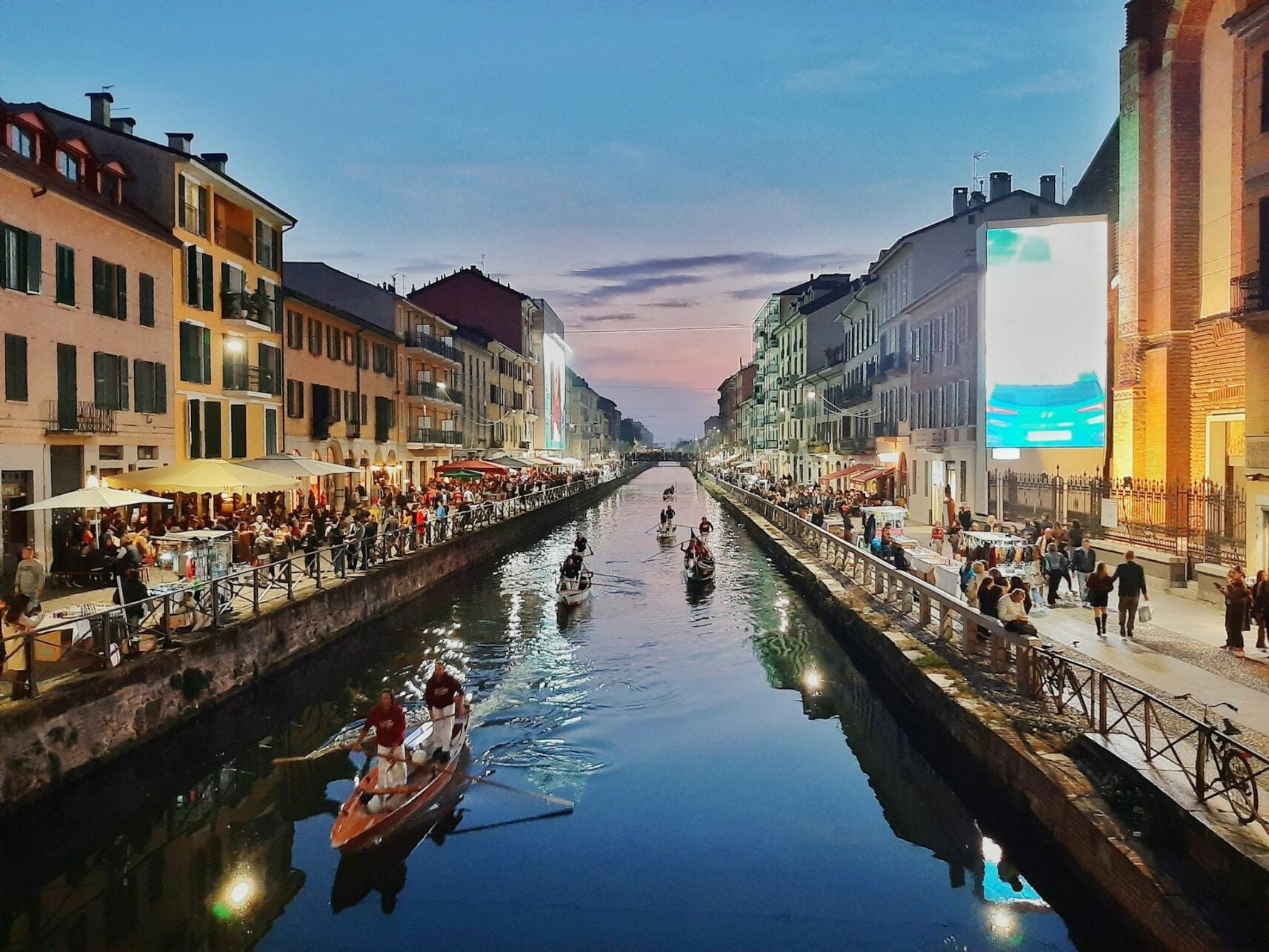
The inclusion of the Navigli canals as a morning activity for day two serves to bridge the gap between the historic center and the western periphery of the city. The Navigli, a network of canals originally designed by Leonardo da Vinci to facilitate trade and irrigation, are now the center of a vibrant, pedestrian-centric life. The Vicolo dei Lavandai, a landmark where local women historically performed communal laundry, serves as a poignant reminder of Milan’s industrial past.
The broader implication of this itinerary is a shift in how travelers consume urban spaces. By choosing to spend a significant portion of a trip in a facility like Terme De Montel, visitors are contributing to the decentralization of tourism in Milan. As the city continues to expand its reach beyond the historical center, the development of luxury and wellness infrastructure in peripheral districts like San Siro demonstrates a strategic move toward sustainable urban tourism. Local officials and urban planners have noted that distributing visitor density more evenly across the city’s various districts is a primary goal for the post-pandemic tourism economy, reducing the strain on central transit and historical preservation sites.
Practical Considerations for the Discerning Traveler
For those planning this specific rhythm of movement, logistical precision is essential, even when the goal is to slow down. The public transport system in Milan is highly integrated, with the M5 metro line providing efficient access to the San Siro area from the city center. While the Duomo and Brera are best navigated on foot, the connection to the Navigli and the subsequent transit to the spa facility are optimized by the tram and metro networks.
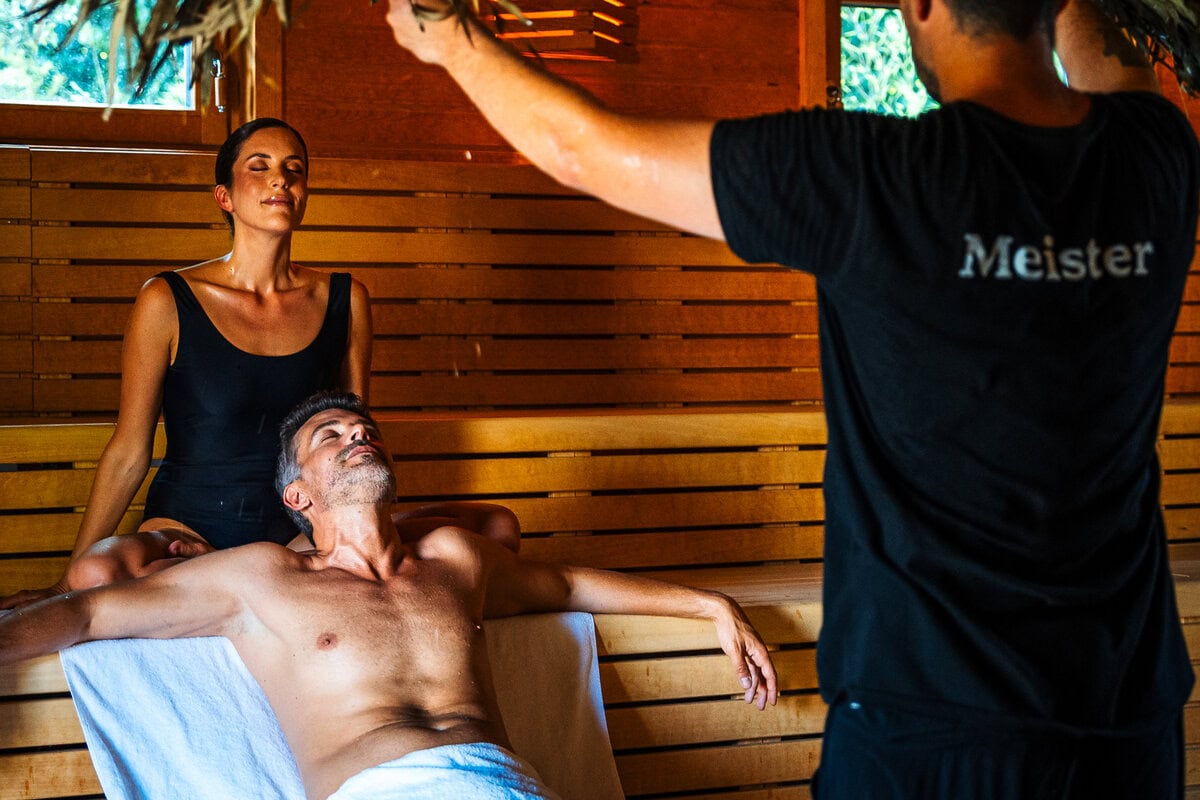
Regarding the financial and administrative aspects of the trip, it is critical to note that entry to major cultural sites, including the Duomo terraces and the Pinacoteca di Brera, requires pre-booked, time-slotted tickets. The failure to secure these in advance is the most common reason for scheduling disruptions. Furthermore, the Terme De Montel experience is best treated as a five-hour engagement. This timeframe allows for a full cycle of thermal immersion, sauna sessions, and recovery time without the pressure of a compressed itinerary.
Conclusion: The Value of the Pause
The utility of a "slow weekend" in a city as fast-paced as Milan lies in the realization that the quality of travel is not measured by the number of sites visited, but by the depth of the experience. By anchoring the second day of the trip with a five-hour wellness intervention, travelers can reframe their relationship with the city.
The transition from the architectural grandeur of the Duomo to the mineral-rich waters of the San Siro thermal baths creates a holistic experience that honors both the history of the location and the necessity of personal recovery. In the context of modern tourism, where "over-tourism" is a persistent concern for major European hubs, this model offers a path forward that is both respectful of the local environment and deeply rewarding for the individual. Ultimately, the ability to balance the intense energy of Milan with the profound silence of a historic thermal spa is perhaps the most sophisticated way to experience the city. Through this lens, the visitor ceases to be a mere spectator of Milan’s history and becomes a temporary participant in its enduring, multifaceted evolution.