Waldorf Astoria Hotels & Resorts officially expands into the Malaysian market with the grand opening of its inaugural property in Kuala Lumpur

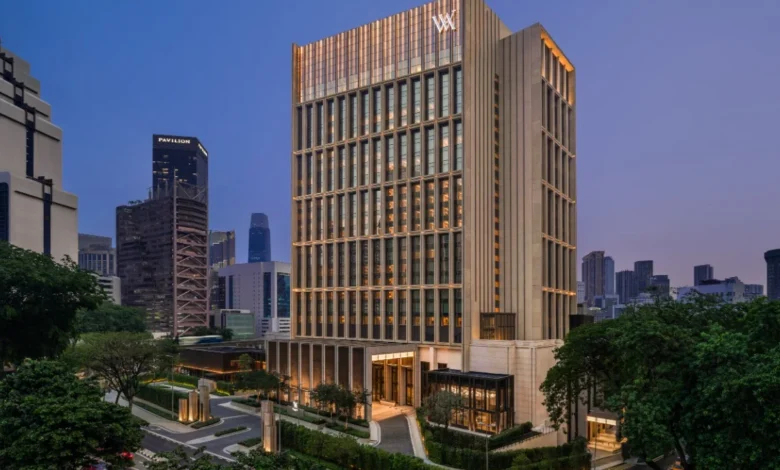
The debut of the Waldorf Astoria Kuala Lumpur marks a significant milestone in the strategic expansion of Hilton Worldwide’s luxury portfolio across Southeast Asia. Located in the heart of the city’s vibrant Golden Triangle, the property represents the brand’s first foray into Malaysia, signaling a heightened focus on the country’s burgeoning luxury hospitality sector. As global travel continues to rebound toward pre-pandemic levels, the arrival of such an iconic brand underscores Kuala Lumpur’s growing stature as a premier destination for both international business travelers and high-net-worth leisure tourists.

A New Landmark in the Golden Triangle
The Waldorf Astoria Kuala Lumpur occupies a prime position in the capital, situated within proximity to the iconic Petronas Twin Towers and the upscale retail hubs of Bukit Bintang. The hotel has been designed to reflect the synthesis of classic Waldorf heritage—rooted in the legendary New York flagship—and local Malaysian cultural motifs.
The property is expected to house several signature dining concepts, a hallmark of the Waldorf Astoria brand. Historically, the brand’s culinary offerings have served as anchor attractions for local residents and international visitors alike. By integrating bespoke dining experiences with the city’s already sophisticated gastronomic landscape, Hilton aims to capture a significant share of the premium market.

Chronology of Development and Market Entry
The project has been several years in the making, navigating the complex logistical landscape of the post-pandemic era. The formal announcement of the hotel’s development dates back to 2019, when Hilton signed a management agreement with Tradewinds Corporation Berhad, a leading Malaysian conglomerate.
Initial construction phases focused on the integration of existing architectural assets within the city center. Despite global supply chain disruptions that impacted the hospitality construction sector between 2020 and 2022, the development team accelerated the interior fit-out and final branding phase throughout 2025. The soft launch in late 2026 follows a rigorous pre-opening period characterized by the recruitment of specialized hospitality talent and the implementation of Waldorf Astoria’s signature “True Waldorf Service” training modules, which are designed to offer personalized concierge-style assistance to every guest.

Supporting Data: The Growth of Malaysia’s Luxury Sector
The expansion into Kuala Lumpur is supported by favorable economic indicators within the Malaysian tourism and hospitality market. According to data from the Ministry of Tourism, Arts and Culture, international tourist arrivals have shown a robust upward trajectory since 2024.
Key metrics contributing to this decision include:

- Average Daily Rates (ADR): High-end hotel assets in the Golden Triangle have seen a 12% year-over-year increase in ADR, reflecting a shift in traveler demographics toward higher-spending segments.
- Business Travel Resilience: As an emerging regional hub for multinational corporations, Kuala Lumpur continues to see consistent demand for MICE (Meetings, Incentives, Conferences, and Exhibitions) facilities, which the new Waldorf Astoria is equipped to support with high-capacity, technology-integrated event spaces.
- Hotel Supply Pipeline: While the mid-scale hotel segment in Malaysia is well-saturated, the ultra-luxury segment remains relatively underserved, providing a clear competitive advantage for Hilton to establish its flagship brand as the market leader in service and design.
Official Perspectives and Strategic Alignment
In discussions surrounding the opening, representatives from Hilton Worldwide have emphasized the importance of the Malaysian market within the company’s broader Asia-Pacific strategy. "The arrival of the Waldorf Astoria in Kuala Lumpur is not merely an addition of a hotel, but a statement of confidence in the Malaysian economy," noted a company spokesperson. "We see Kuala Lumpur as a gateway city that perfectly balances traditional heritage with rapid modern development."
The partnership with Tradewinds Corporation Berhad highlights the importance of local expertise in navigating the regulatory and cultural nuances of the Malaysian hospitality industry. By leveraging local infrastructure, Hilton ensures that the property is not only an international brand outpost but also a destination that honors local customs, architecture, and culinary traditions.

Implications for the Competitive Landscape
The entry of Waldorf Astoria into the Kuala Lumpur market is likely to disrupt the existing luxury hospitality hierarchy. Currently, the city’s high-end sector is dominated by a mix of established international luxury chains and premium local operators. The arrival of a world-renowned brand like Waldorf Astoria typically triggers a “luxury ripple effect,” forcing competitors to invest in renovations and service upgrades to maintain their market position.
Furthermore, the brand’s entry serves as a vote of confidence for Kuala Lumpur’s international standing. As global investors look for stable markets in Southeast Asia, the presence of premier brands like Waldorf Astoria acts as a signal of maturity and accessibility for the high-end travel market.

Design and Architectural Significance
The property’s aesthetic philosophy focuses on "timeless luxury." Drawing inspiration from the Art Deco influence of the original Waldorf Astoria in New York, the architects have incorporated local materials—such as Malaysian timber and artisanal brass—to create a distinct sense of place.
The suites are designed to cater to a new generation of travelers who prioritize privacy, technological integration, and seamless service. Each room features advanced home-automation systems, allowing guests to control climate, lighting, and entertainment via personal devices. This focus on "smart luxury" is a direct response to the requirements of the modern business traveler who expects the same level of connectivity in a hotel room as they do in their private residence.

Broader Economic and Tourism Impact
Beyond the immediate revenue generated by the property, the hotel’s opening is expected to have a broader impact on the local economy through job creation and talent development. The Waldorf Astoria brand is known for its rigorous training standards, and the local employment of over 300 staff members provides significant investment in the Malaysian hospitality workforce.
Furthermore, the hotel is expected to drive “luxury tourism” revenue, attracting high-net-worth individuals who previously might have bypassed Kuala Lumpur in favor of Singapore or Bangkok. By curating unique, culturally immersive experiences, the hotel aims to extend the average length of stay for international visitors, thereby increasing the total economic output of the tourism sector in the capital.

Looking Ahead: Sustainability and Future Growth
In line with Hilton’s global environmental, social, and governance (ESG) goals, the new property has been constructed with sustainability in mind. From energy-efficient lighting and water conservation systems to a zero-single-use-plastic policy, the hotel aims to meet the growing demand from travelers for environmentally conscious luxury options.
The opening of the Waldorf Astoria Kuala Lumpur is the first of several planned luxury expansions for Hilton in the region. Analysts expect that the success of this flagship property will determine the speed at which the group introduces its other luxury brands, such as Conrad or LXR, into the secondary markets of Malaysia, such as Penang or Langkawi.

As of November 2026, the Waldorf Astoria Kuala Lumpur is fully operational and accepting reservations. For the hospitality sector in Malaysia, this represents the beginning of a new chapter—one defined by international prestige, elevated service standards, and a renewed focus on the unique cultural character of Kuala Lumpur. As the city continues to position itself as a focal point of regional commerce and tourism, the Waldorf Astoria is poised to serve as the benchmark against which future luxury developments in the region will be measured.