Discovering the Architectural Splendor and Investment Potential of Puglia’s Salento Region

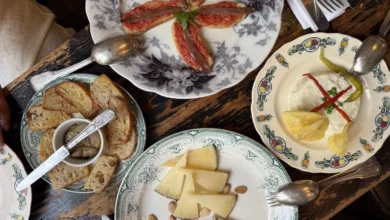
The Salento peninsula, situated in the heel of Italy’s southern Puglia region, has experienced a significant surge in prominence within the international tourism market. Renowned for its crystalline coastlines, architectural heritage, and a culinary tradition deeply rooted in fresh seafood, local olive oil, and robust red wines, Salento represents a vital economic and cultural anchor for Southern Italy. While the region’s hospitality sector initially expanded through the rustic conversion of historic rural manor houses known as masserie, a contemporary shift is drawing international travelers and real estate investors toward the historic centers of Salento’s picturesque inland towns, most notably Nardò and Galatina.
Main Facts and Regional Overview
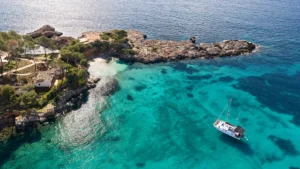
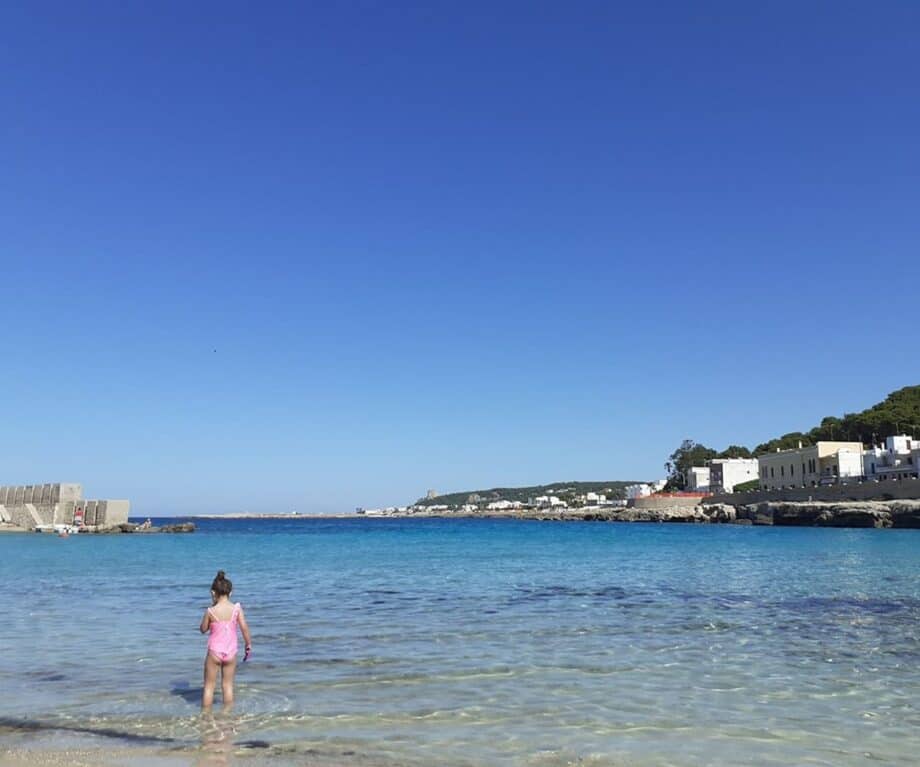
Salento’s geographic profile combines miles of accessible coastline featuring some of Italy’s finest beaches with densely populated, architecturally rich urban centers. Historically, tourism development in Puglia favored coastal resorts or secluded countryside estates. However, regional tourism boards and hospitality analysts have noted an increasing demand for authentic year-round urban living.
Unlike purely seasonal seaside villages that experience drastic population drops during the winter months, strategically chosen towns near the coast maintain vibrant local economies throughout the year. Municipalities such as Nardò and Galatina—both situated within proximity to the regional capital of Lecce—offer a functional balance of civic infrastructure, including operational restaurants, cafes, and commercial enterprises, alongside preserved Baroque and Renaissance architecture.
Historical Context and Architectural Evolution
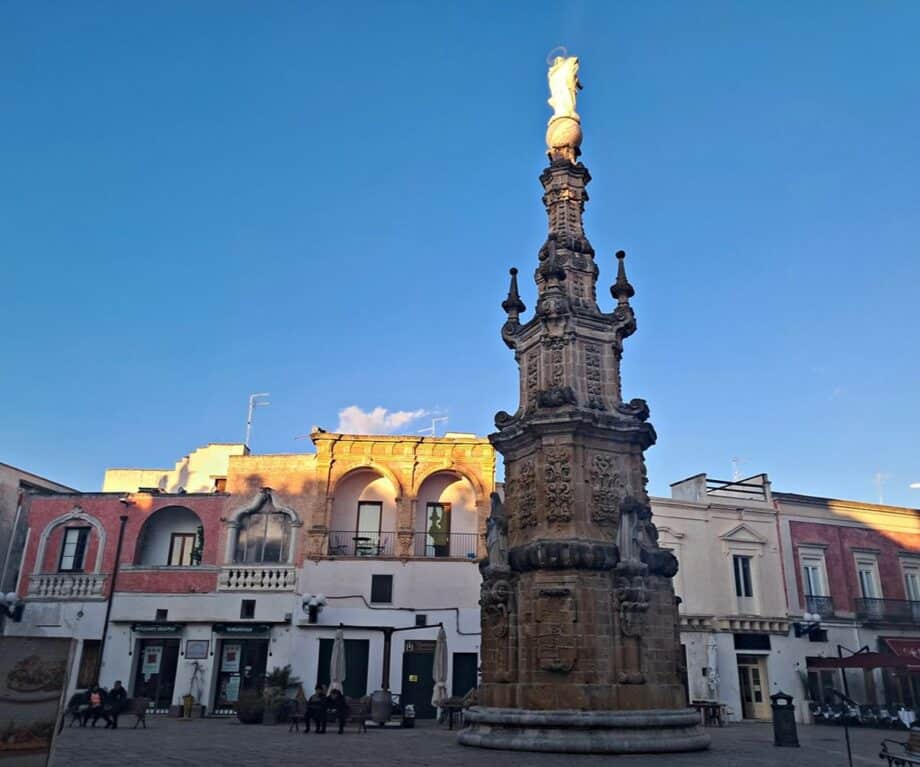
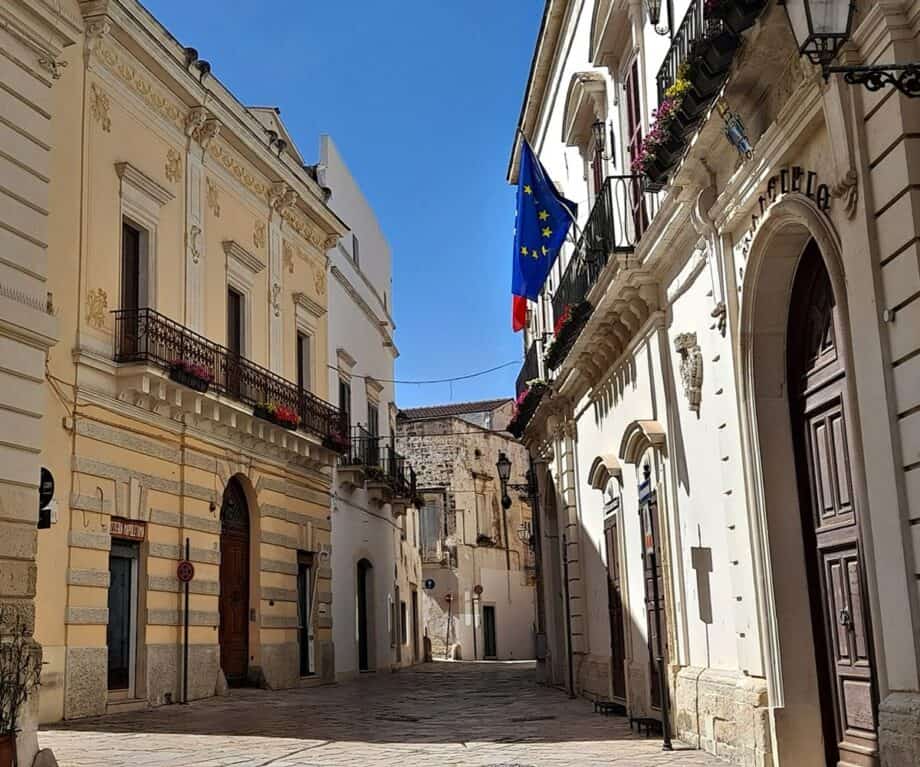
The urban fabric of Nardò and Galatina reflects centuries of layered history, characterized by grand aristocratic townhouses (palazzi) and ornate churches. For generations, these urban cores served as administrative and economic hubs for the region’s landowning nobility. Over the past three decades, demographic shifts and depopulation trends in historic town centers led to a surplus of vacant or underutilized heritage properties.
In response, local authorities and private investors initiated revitalization programs aimed at preserving these architectural assets. Historic palazzi are increasingly repurposed into high-end boutique hotels, bed-and-breakfasts, and private residential properties. This adaptive reuse model has transformed decaying heritage structures into engines of economic growth, aligning historic preservation with the demands of the luxury travel sector.
Chronology of Modern Tourism and Real Estate Development in Salento
The evolution of Salento’s luxury tourism and property market can be traced across several distinct phases:
- Late 20th Century: The initial wave of foreign investment focused predominantly on rural masserie, transforming abandoned agricultural estates into secluded luxury retreats.
- Early 2010s: Increased international media coverage highlighted Salento’s coastlines and culinary offerings, driving demand beyond traditional summer peaks and introducing a broader demographic of travelers.
- Mid-2010s to 2020: Private investors began acquiring historic townhouses in urban centers like Nardò and Galatina, recognizing the potential for boutique hospitality ventures within walkable community settings.
- 2020 to Present: The market has seen a maturation of urban luxury accommodations, such as Nardò House and Palazzo Galluccio, alongside active real estate listings for unrestored palazzi targeting foreign buyers seeking residential or commercial conversion projects.
Case Studies in Urban Boutique Hospitality
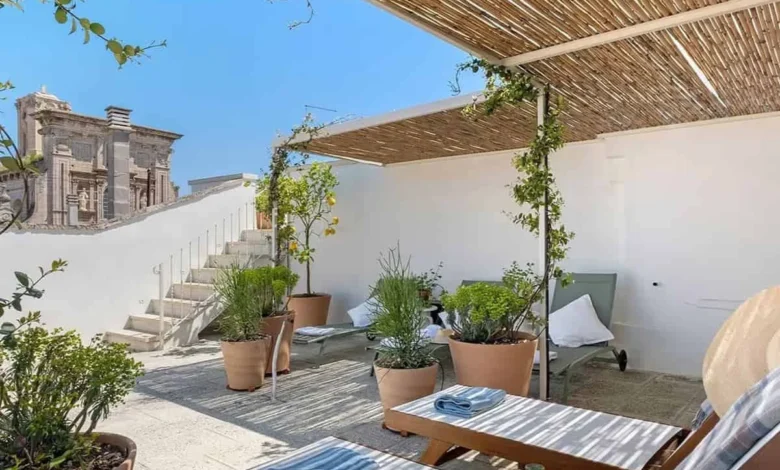
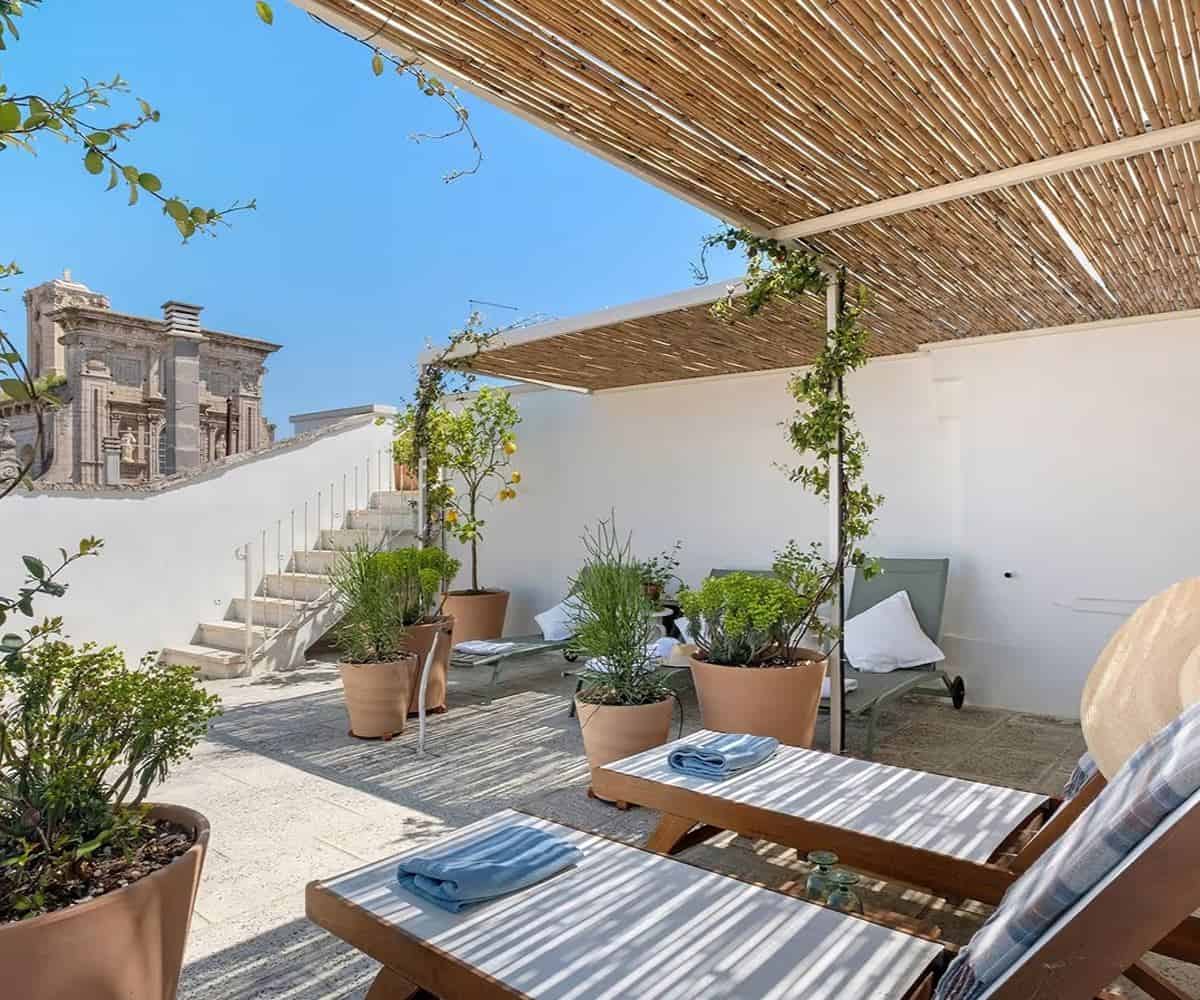
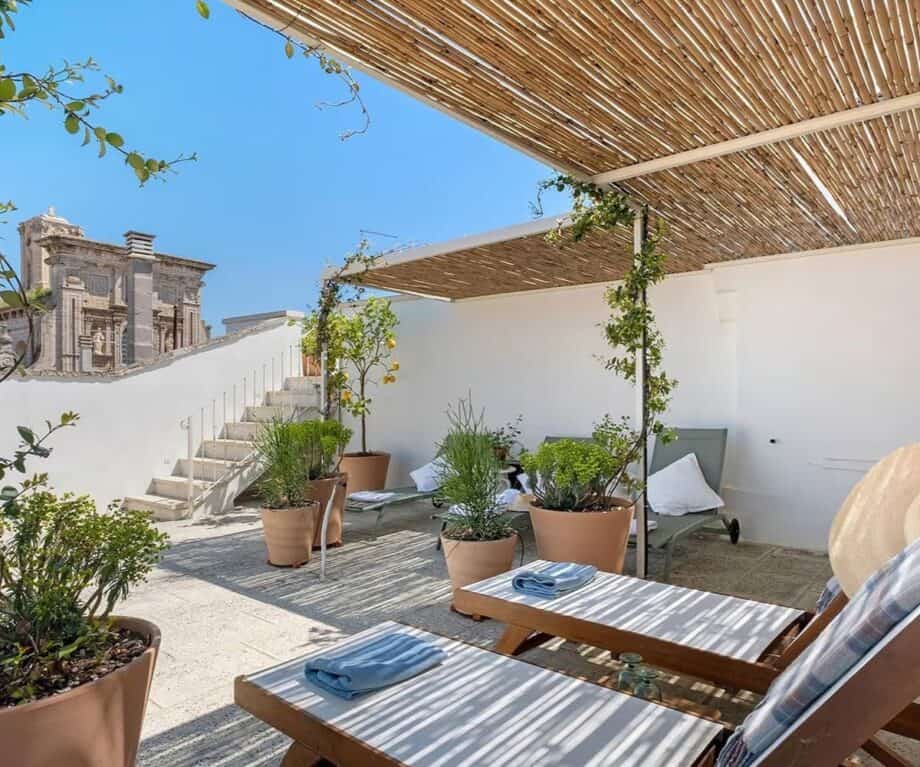
Recent hospitality ventures in Nardò and Galatina illustrate the operational model of urban boutique properties in Salento. Nardò House, situated within the historic center of Nardò, features multiple suites and a landscaped roof terrace overlooking local architectural landmarks. Operated by private owners, the property caters to diverse travel demographics, including multi-generational families, solo travelers, and event organizers, by offering flexible configurations and personalized concierge services.
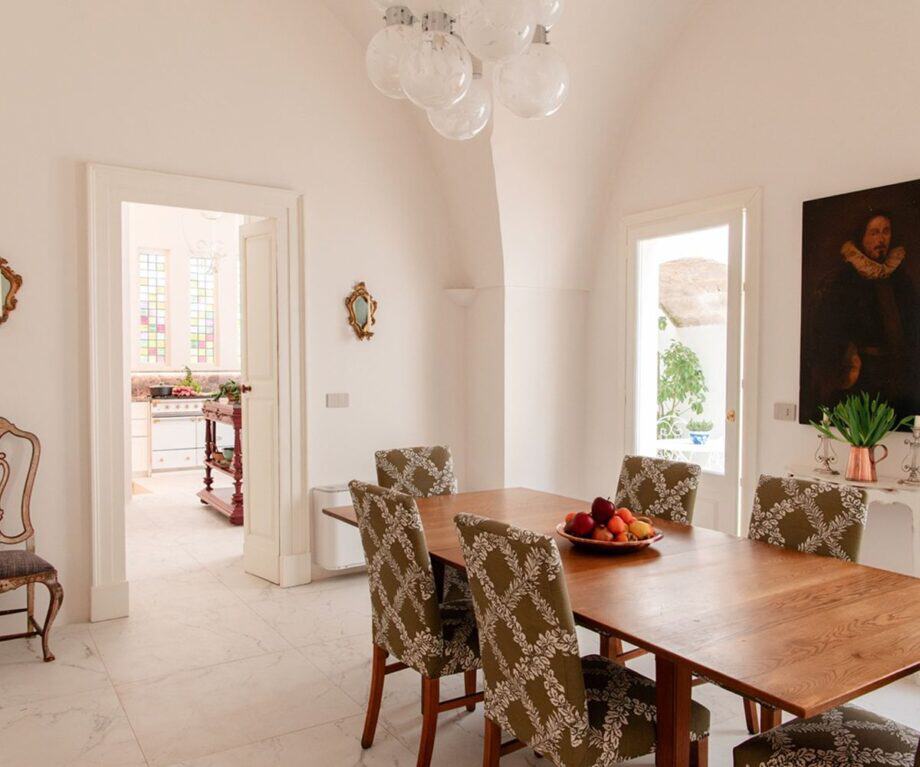
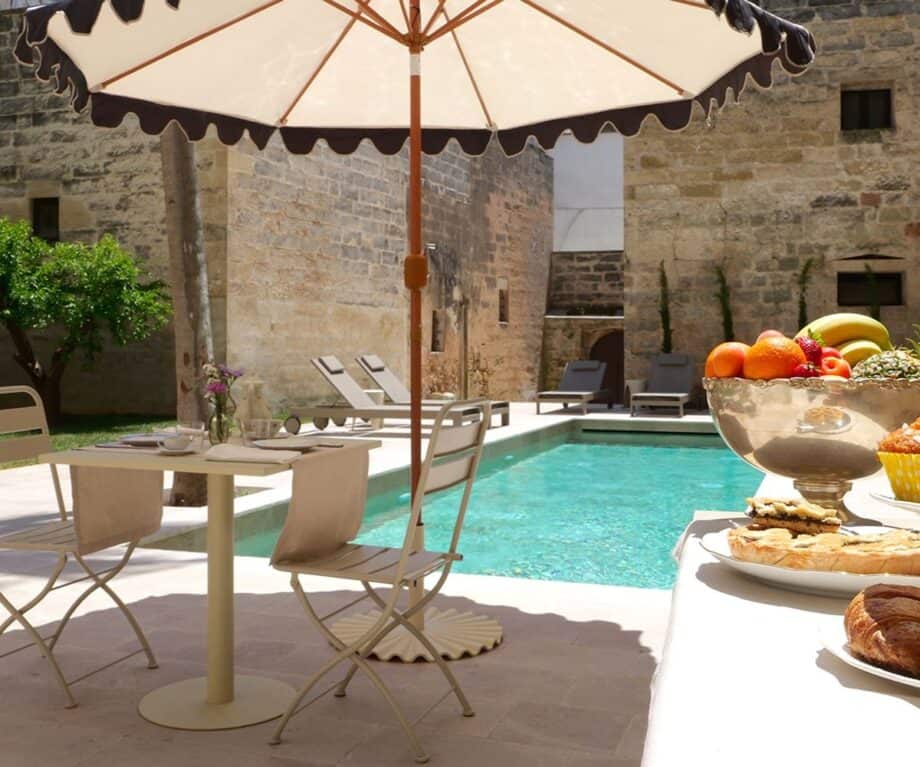
Similarly, in Galatina, the opening of Palazzo Galluccio—following a multi-year restoration process led by international investors Sophie and Laurent Mencherini—demonstrates the viability of blending historic preservation with contemporary amenities. Located near the 14th-century Basilica di Santa Caterina d’Alessandria, the property retains original frescoed ceilings and stone courtyards while integrating modern hospitality standards, including walled gardens and swimming pools.
Real Estate Market Dynamics and Investment Implications
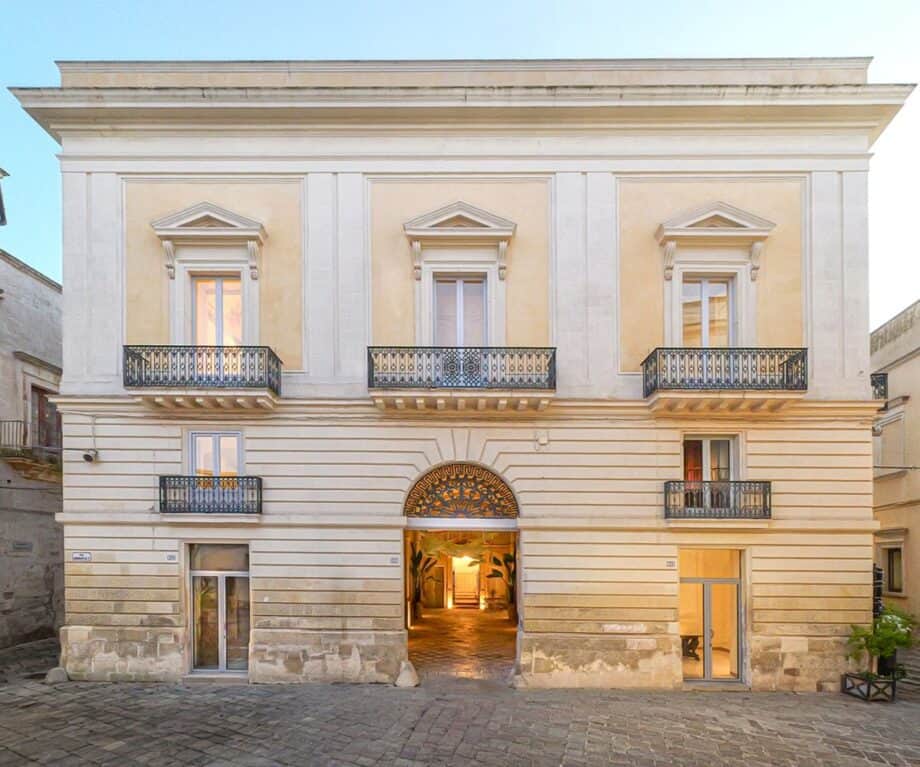
The real estate market in Salento’s historic towns presents distinct opportunities and challenges for foreign and domestic investors. Property inventory ranges from fully restored structures ready for immediate commercial operation to unrestored historic assets requiring substantial capital expenditure.
Current market listings highlight this spectrum:
- Palazzo Andriani (Galatina): Encompassing approximately 550 square meters, this property has undergone comprehensive structural and aesthetic restoration. Priced at €1,350,000, it features combined independent apartments and multi-use ground-floor spaces suitable for immediate commercial deployment as a hospitality business.
- Palazzo Siciliani (Galatina): Spanning a comparable footprint of 550 square meters with 17th-century architectural origins, this unrestored property is listed at €350,000. Industry estimates suggest total restoration costs would bring the cumulative investment to under €1,000,000, yielding a multi-apartment residential asset with rare historic center garage facilities upon completion.
Economic and Social Implications
The transition toward urban-centered tourism and real estate investment carries significant economic implications for the Salento region. By decentralizing tourism away from congested coastal strips during peak summer months, year-round urban tourism helps stabilize local employment and supports small businesses in towns like Nardò and Galatina.
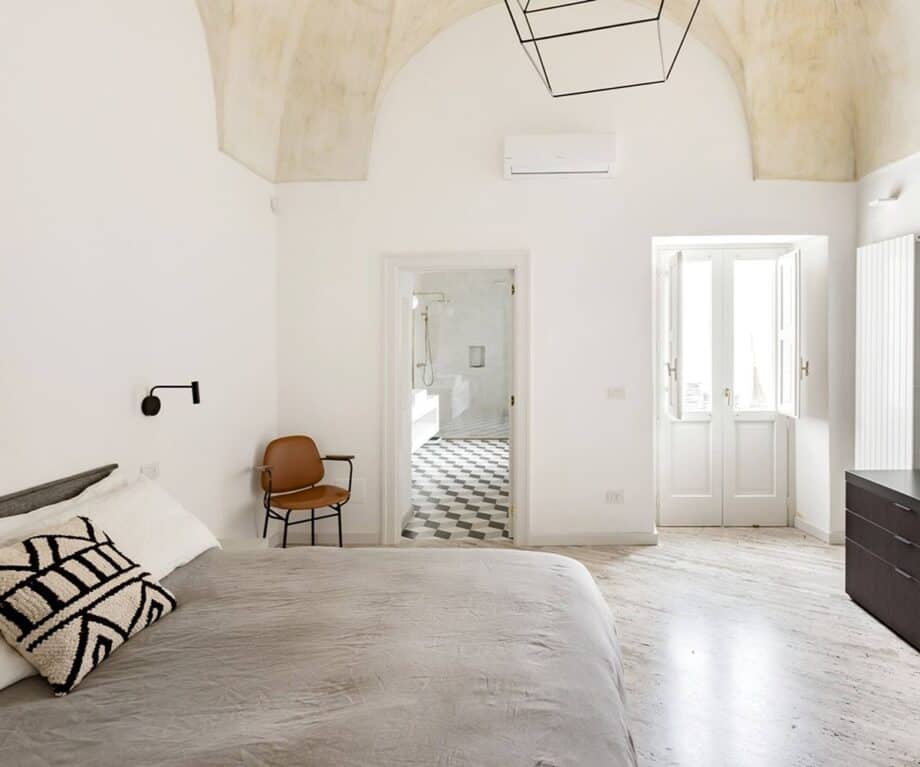
Furthermore, the meticulous restoration of historic palazzi prevents the structural degradation of culturally significant architectural heritage. However, urban planners note that rising property values driven by foreign investment must be balanced with local housing needs to prevent displacement and maintain the socioeconomic diversity that underpins the region’s authentic cultural appeal. As international interest persists, municipal authorities face the ongoing task of regulating heritage renovations to preserve the historical integrity of these ancient urban centers while fostering sustainable economic growth.