The Gentlemen and the Art of the Pour: A Deep Dive into the Rare Vintages of Netflix’s Hit Series

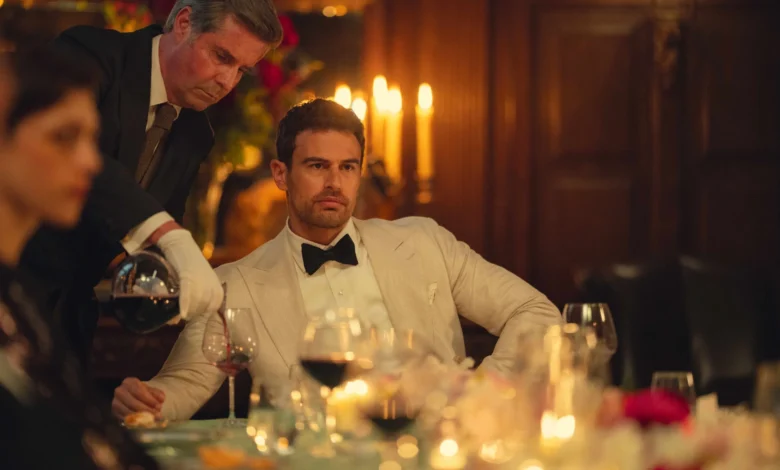
The latest season of Netflix’s high-stakes crime drama, The Gentlemen, has captivated audiences not only with its labyrinthine plot of aristocratic intrigue and criminal syndicates but also with its meticulous attention to material culture. Amid the sprawling estates and high-pressure negotiations at Halstead Manor, the show’s production team has curated an impressive selection of vintage wines that serve as more than mere props; they act as silent characters, signaling the wealth, taste, and power dynamics of the series’ elite protagonists.
For the discerning viewer, these bottles—ranging from legendary Pomerol estates to the iconic vineyards of Bolgheri—provide a masterclass in oenological prestige. To understand the significance of these selections, it is necessary to examine the historical and market context of these wines, which represent some of the most sought-after assets in the global fine-wine trade.
The Strategic Value of the Cellar
In the world of The Gentlemen, wine is a currency of influence. When Eddie Horniman, played by Theo James, attempts to secure the favor of Lord Hawthorne, portrayed by Hugh Bonneville, his choice of offering is not random. The use of specific, rare vintages suggests an intimate knowledge of the host’s preferences, effectively bridging the gap between old-world aristocratic tradition and the aggressive, modern reality of the criminal underworld.
The curation of these bottles reflects a trend in high-end television production where authenticity is paramount. According to Michele Longari, purchasing director at Hay Wines and an Italian wine ambassador for Vinitaly International, the inclusion of such labels as Petrus and Masseto signifies a production philosophy that prioritizes verisimilitude. For the ultra-wealthy, a cellar is not merely a storage space but a diversified portfolio, and the bottles selected for the series are among the most stable and high-performing assets in the investment-grade wine market.
Petrus 2009: The Crown Jewel of Pomerol
The standout feature of the series is undoubtedly the double magnum of 2009 Petrus. As Longari notes, the sheer scarcity of this format elevates it from a mere luxury item to a genuine collector’s trophy. A standard 75cl bottle of 2009 Petrus commands a significant premium in the secondary market, but a 3-liter double magnum represents an exponential increase in value, with current retail listings exceeding £40,000 (approximately $54,000).
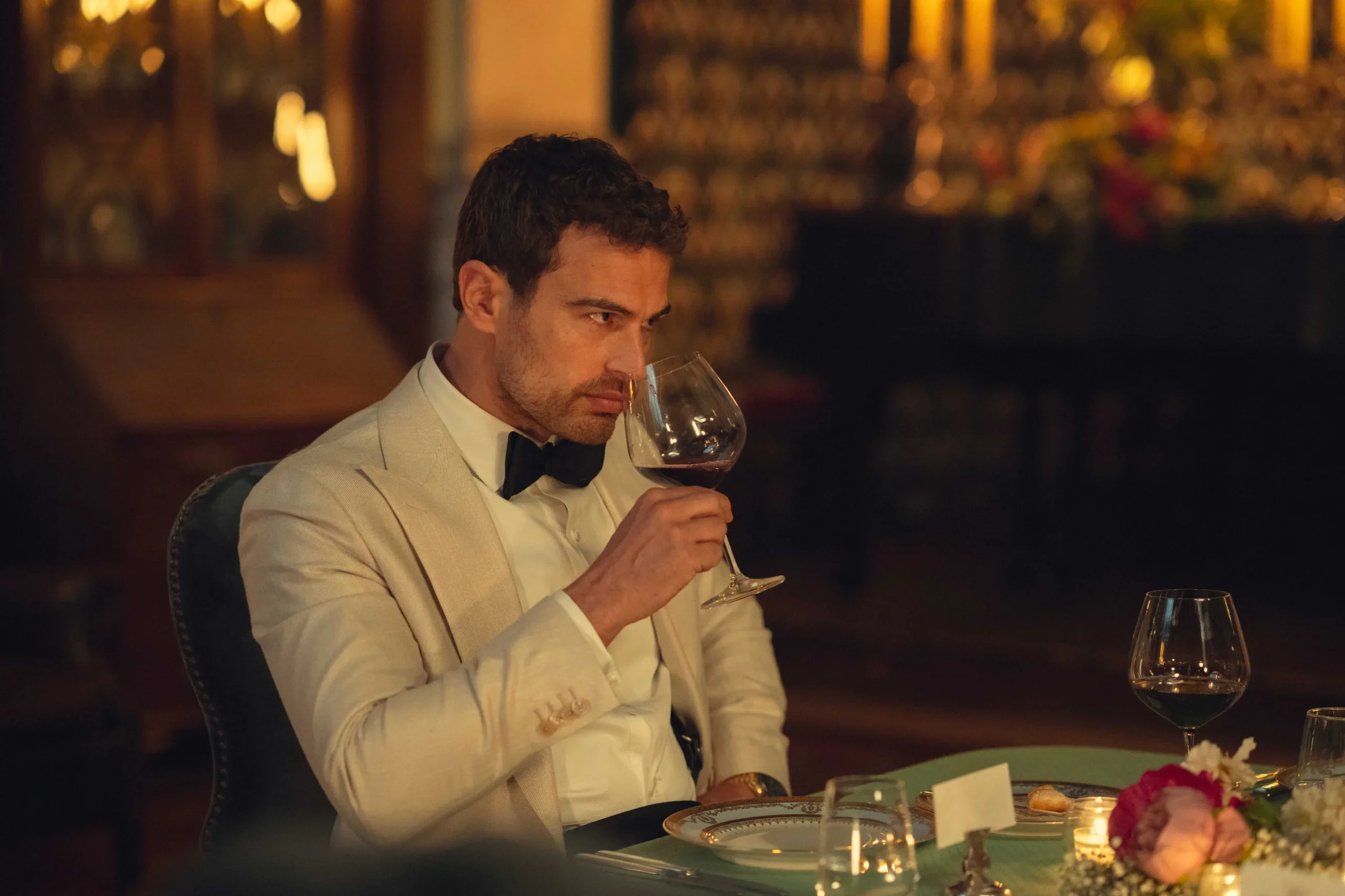
The 2009 vintage in Bordeaux is widely regarded as one of the greatest of the 21st century. The growing season benefited from near-perfect conditions, leading to a level of concentration and phenolic ripeness that is rarely achieved. Tasting notes for this vintage often highlight a profile of dark plum, blackberry, mocha, and cocoa, which, as the wine matures, transitions into the complex, savory characteristics of black truffle, cedar, and leather. The choice of this specific bottle on screen underlines the extreme lengths to which characters in the show will go to assert their dominance.
The Evolution of Petrus 1998
In addition to the 2009 double magnum, the series features the 1998 Petrus, a bottle that offers a different, more seasoned narrative. While the 2009 is characterized by youthful power and intensity, the 1998 is an example of a wine at the peak of its maturity.
For a wine collector, the 1998 Petrus represents the intersection of historical reputation and current drinkability. After nearly three decades of cellar aging, the aggressive tannins present in the wine’s youth have softened into a silk-like texture, while the primary fruit notes have receded to make room for tertiary aromas of forest floor, dried tobacco, and game. The appearance of this bottle in the series serves as a subtle nod to the passage of time and the weight of legacy—themes that underpin the entire narrative arc of the Horniman family.
Masseto 1989: A Milestone in Italian Viticulture
The inclusion of the 1989 Masseto during a dinner with the character Cico Maldini is a sophisticated choice that speaks to a deeper appreciation of wine history. Unlike the established giants of Bordeaux, the Tenuta dell’Ornellaia estate—where Masseto is produced—was a relative newcomer to the international stage in the late 1980s.
Masseto, a pure Merlot produced in the coastal Tuscan region of Bolgheri, effectively challenged the hegemony of French wines, proving that Italian soil could produce world-class, cellar-worthy reds. The 1989 vintage is particularly significant as it showcases the estate’s early mastery of the terroir. At current market valuations, which hover around £1,400 ($1,900) per bottle, the 1989 Masseto is a quintessential "collector’s wine." Its presence in the series indicates that the characters are not just wealthy, but are deeply versed in the shifting power dynamics of the global wine trade.
The Irony of the Corked Mouton Rothschild
Perhaps the most poignant moment in the show’s wine-focused scenes involves the 1989 Châteaumonton Rothschild. A "First Growth" Bordeaux, the Mouton Rothschild is globally recognized for its consistent quality and its unique tradition of commissioning world-famous artists to design the labels for each vintage—in this case, German artist Georg Baselitz.
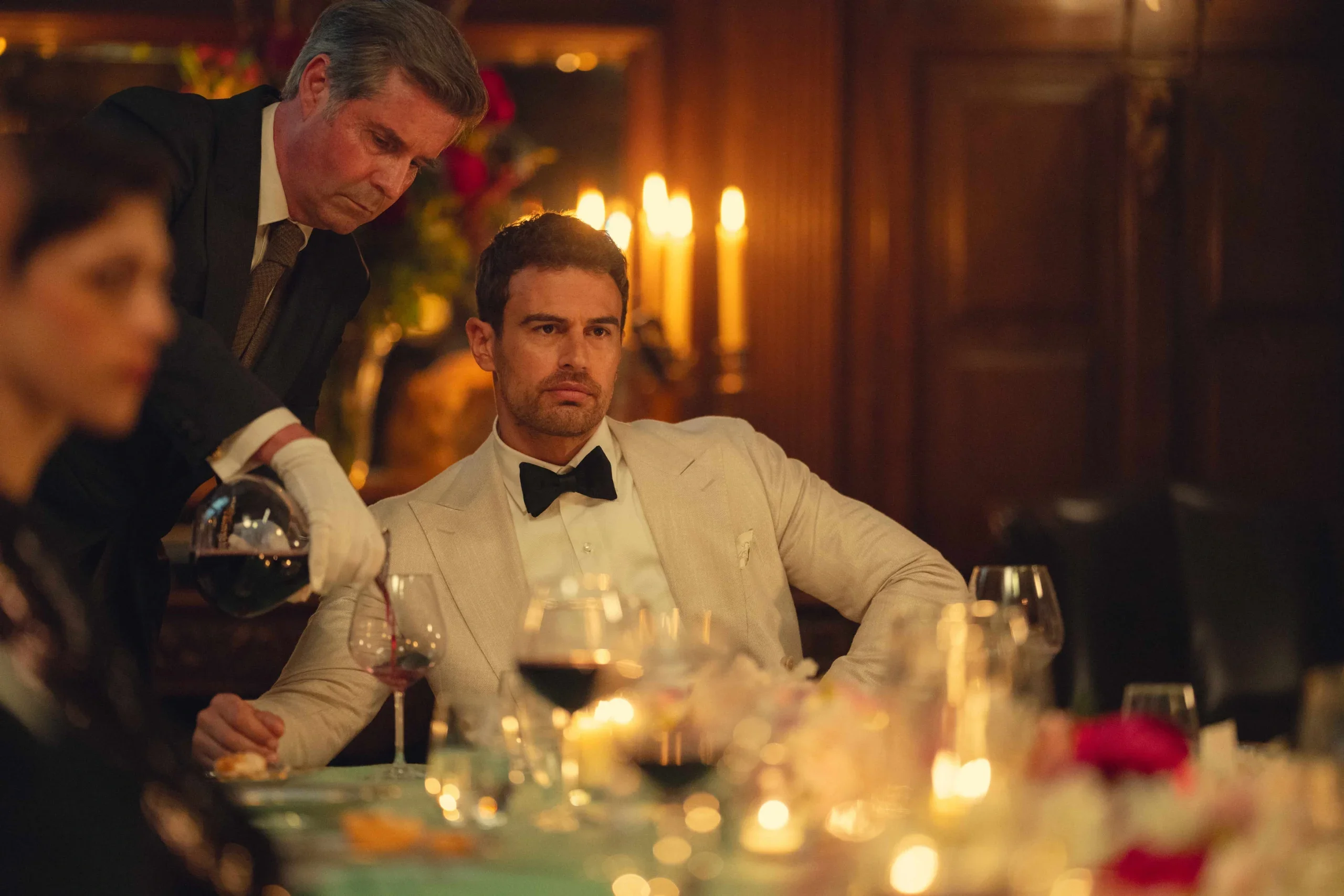
The plot point involving a "corked" bottle—a bottle tainted by TCA (2,4,6-trichloroanisole)—is a clever inclusion. Even with the highest level of provenance and ideal storage conditions, the risk of cork taint remains an inescapable reality for any wine enthusiast. This plot device serves as a metaphor for the unpredictability of the criminal world depicted in the show: despite the most meticulous planning and the highest standards of preparation, external factors can ruin even the most precious assets. It is a humble reminder that, at its core, fine wine is an agricultural product subject to the whims of nature.
Market Context and Economic Implications
The secondary market for fine wine has seen consistent growth over the past decade, driven by increased demand from emerging markets and a growing interest in wine as an alternative asset class. Data from major auction houses indicates that the labels featured in The Gentlemen are consistently among the most traded and highest-appreciating lots.
For example, the Liv-ex Fine Wine 1000 Index, which tracks the price performance of 1,000 wines from across the world, has historically shown resilience during periods of economic volatility. The wines featured in the series are "blue-chip" assets; they are rarely subject to the speculative bubbles that affect lower-tier wines. Their presence on Netflix serves to reinforce the cultural capital of these specific estates, potentially driving further interest and demand among a new generation of high-net-worth individuals.
The Cultural Impact of On-Screen Oenology
The portrayal of wine in modern television has evolved from simple set decoration to a sophisticated form of product placement and cultural signaling. Shows like The Gentlemen utilize these items to establish character archetypes. A protagonist who chooses a classic, powerhouse Bordeaux communicates a different set of values than one who opts for a rare, avant-garde Super Tuscan.
Furthermore, the increased accessibility of wine information through digital platforms means that audiences are more knowledgeable than ever. When a production team opts for a specific vintage like the 1989 Masseto rather than a generic "fine wine," it acts as a subtle wink to the audience. It creates a community of viewers who can recognize the effort behind the curation, thereby deepening their engagement with the show.
Conclusion: A Legacy in Every Drop
The selection of wines in the latest season of The Gentlemen is a testament to the show’s commitment to detail. By incorporating bottles with significant historical weight, market value, and specific tasting profiles, the production has created an atmosphere of authenticity that enhances the narrative. Whether it is the 2009 Petrus representing unbridled power, or the 1989 Mouton Rothschild highlighting the inherent fragility of luxury, these bottles contribute to the show’s complex exploration of status and survival. As the series continues to explore the high-stakes world of the British elite, the wine cellar at Halstead Manor will undoubtedly remain a focal point for both the characters and the observant audience.