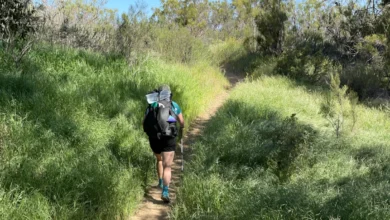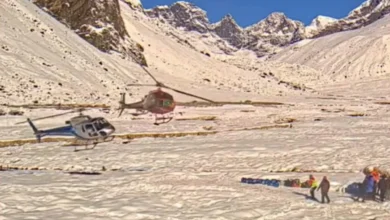
Caleb McDaniels, 25, and Henry Penfold, 22, have successfully concluded a monumental 3,262-kilometer expedition around the perimeter of Baffin Island, an endeavor that pushed the boundaries of human endurance in one of the world’s most unforgiving environments. Over the course of 145 days, the two Americans navigated the Arctic landscape by alternating between cross-country skiing, trekking, and packrafting. Starting and finishing in Iqaluit, the capital of Nunavut, the pair spent nearly five months traversing terrain that ranged from expansive, frozen tundra to the complex waterways of the Foxe Basin.
A Chronology of the Expedition
The journey began in late May, a time when the transition from winter to spring in the Arctic still allows for snow-based travel. As the season progressed and the ice began to break up, the expedition team transitioned their strategy to match the evolving landscape. Their itinerary was not a rigid, pre-planned circuit aimed at a specific record, but rather a fluid route determined by satellite imagery and the aesthetic preference for remote, unexplored corridors.
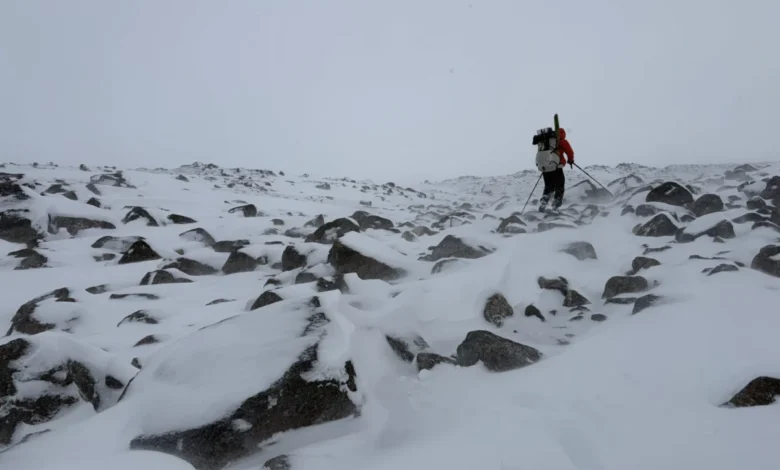
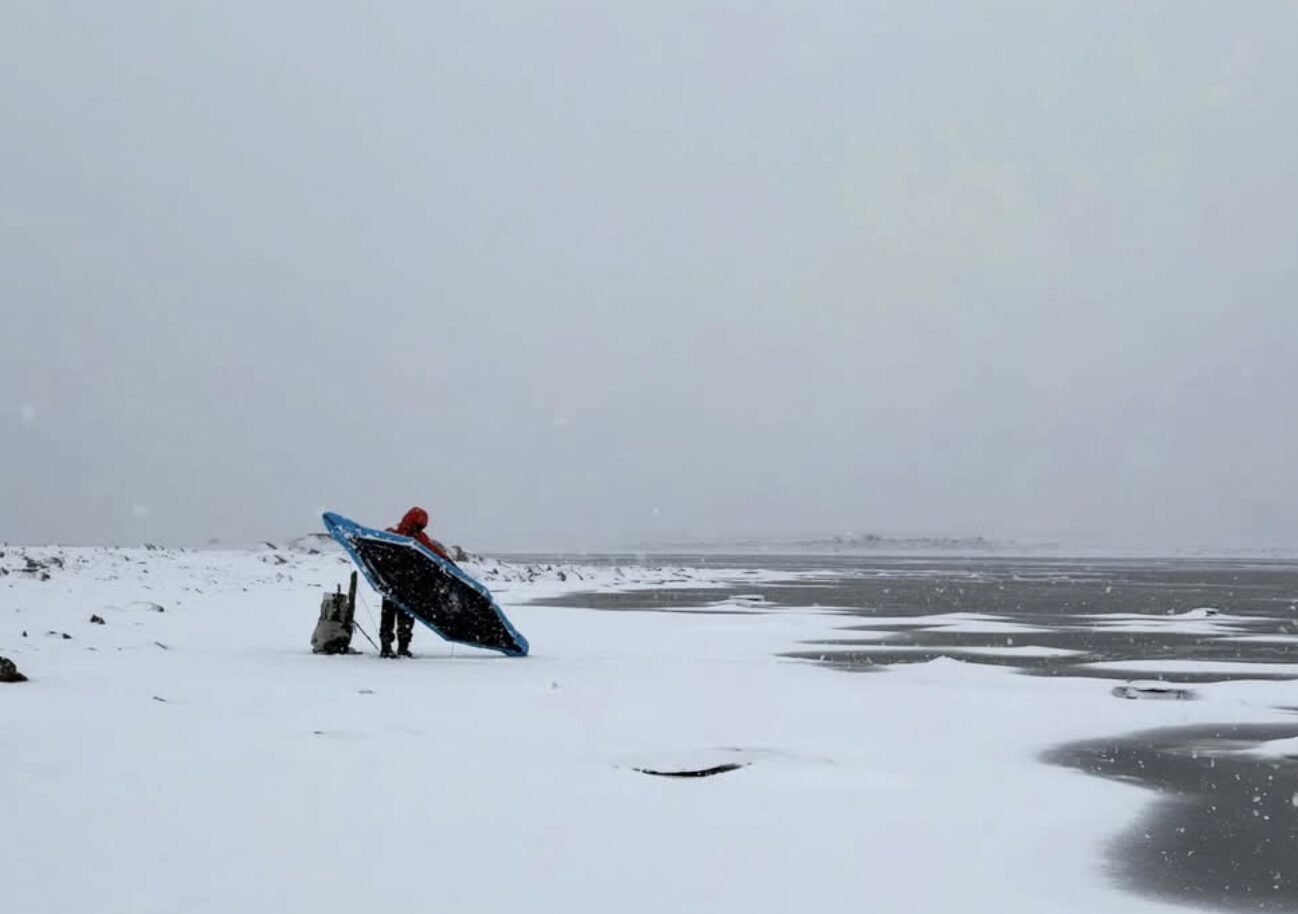
The expedition can be broken down into distinct phases. The initial weeks were defined by ski-touring across the island’s interior and coastal fringes, utilizing the late-season snowpack. As the temperatures rose and the thaw set in, the pair transitioned to their packrafts, utilizing the island’s massive river systems and lakes. The mid-expedition period saw them crossing major bodies of water, including the vast expanse of Nettilling Lake—the largest lake on any island in the world. By mid-October, the Arctic winter had firmly established its grip, forcing the pair into a grueling final 160-kilometer trek back to Iqaluit, characterized by sub-zero temperatures, limited daylight, and the physical exhaustion of “postholing” through knee-deep snow.
Logistical Challenges and the Burden of Autonomy
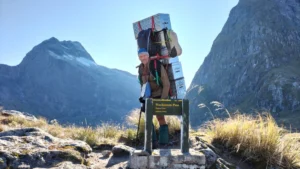
One of the most significant challenges facing McDaniels and Penfold was the total lack of resupply infrastructure across a vast portion of their route. After departing from the hamlet of Igloolik, the duo faced a 1,130-kilometer stretch devoid of any human settlement. To maintain self-sufficiency, they carried a massive 82-kilogram load of food and supplies.
The weight necessitated innovative logistical solutions. For the first 644 kilometers of this unsupported section, the explorers utilized their packrafts to ferry the bulk of their equipment. To enhance their mobility on the water, they fashioned makeshift sailing rigs using trekking poles as masts and salvaged sections of an old tent as sails. This ingenuity allowed them to achieve speeds exceeding five miles per hour during favorable wind conditions, a critical factor in maintaining their momentum before the onset of winter.
For the final 483-kilometer overland stretch, the pair was forced to bear the full weight on their backs. This transition highlighted the brutal reality of Arctic travel: as they neared the end of their 145-day journey, they were forced to contend with frozen marshlands and boulder fields. Each night presented a new challenge, with the team forced to chip ice from their footwear and thaw out equipment that had frozen solid during the short, dark nights.
Environmental Encounters and Wildlife Dynamics
The isolation of Baffin Island provided the duo with rare, albeit hazardous, encounters with local wildlife. The Arctic environment requires a high level of vigilance, particularly regarding polar bear activity. In one notable incident, McDaniels discovered a polar bear resting behind a terrain feature while attempting to secure a water source. The encounter, which took place at close range, underscored the inherent risks of traversing habitats that are apex predator territories. The pair’s rapid, disciplined withdrawal into their packrafts serves as a case study in effective wilderness safety protocols.
Furthermore, their interaction with marine life provided a stark contrast to the threat posed by polar bears. On Nettilling Lake, the pair reported an extended encounter with a curious seal, which approached their vessels and engaged with their gear for nearly half an hour. These interactions reflect the unique, often unpredictable nature of the Baffin Island ecosystem, where the thin line between danger and wonder is constant.
Data and Comparative Analysis
To understand the scale of this achievement, it is necessary to look at the geographical context of Baffin Island. Spanning approximately 507,451 square kilometers, it is the fifth-largest island in the world. Historically, successful circumnavigations have been rare and usually facilitated by dog teams, which allow for a more traditional, albeit equally difficult, mode of travel.
McDaniels and Penfold’s reliance on a multi-modal approach—skiing, hiking, and packrafting—demonstrates a modern evolution in expeditionary travel. By effectively managing the transitions between these three modes of transport, they were able to traverse sections of the island that are virtually impassable to traditional terrestrial transport. The 1,130-kilometer unsupported stretch represents a significant achievement in modern expedition history, particularly given the constraints of a 40-day window to complete the final push before the total loss of daylight.
Broader Implications and Scientific Value
The expedition serves as a practical demonstration of the changing conditions in the High Arctic. The ease with which the pair utilized watercraft suggests that the seasonal window for aquatic travel in the Arctic is shifting, influenced by broader climate trends that are altering the timing of ice breakup and freeze-up. While the duo’s primary objective was personal exploration, the data gathered regarding their route, the state of the marshlands, and the water levels of the interior lakes provides a valuable anecdotal record of current conditions in one of the most climate-sensitive regions on Earth.
From a sociological perspective, the feat highlights a growing trend in endurance athletics: the move away from competitive, record-chasing expeditions toward “aesthetic” or “exploratory” ventures. By focusing on the continuity of the landscape rather than the fulfillment of a strictly defined circumnavigation, McDaniels and Penfold represent a shift toward a more holistic appreciation of wilderness travel.
Conclusion
As Caleb McDaniels and Henry Penfold returned to Iqaluit in mid-October, their arrival marked the end of an exhausting five-month saga that tested the limits of their physical and mental fortitude. Their successful crossing, completed under the harsh conditions of an oncoming Arctic winter, serves as a testament to the efficacy of meticulous planning, technical innovation, and the ability to adapt to an environment that is fundamentally indifferent to human survival. While they did not set out to satisfy the criteria of a traditional circumnavigation, the magnitude of their journey—3,262 kilometers of self-supported, multi-modal travel—places them among the most notable adventurers of the decade. Their journey remains a poignant reminder of the sheer scale and untamed nature of Baffin Island, a territory that continues to demand respect from those who dare to cross its borders.