The Essential Guide to Selecting the Best Baby Beach Tents for Maximum Sun Safety and Comfort

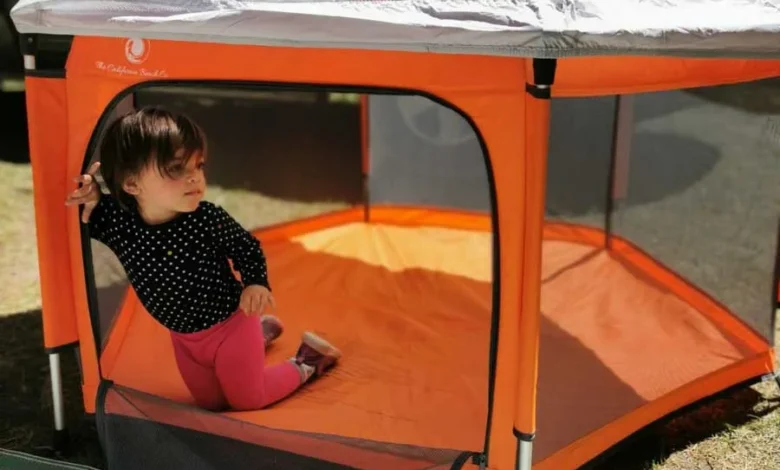
Family beach outings represent a quintessential summer activity, yet the logistical challenges of protecting an infant from environmental hazards remain a primary concern for parents. While traditional beach umbrellas were once the industry standard for coastal shade, modern pediatric recommendations and evolving outdoor gear technology have shifted the preference toward specialized, high-coverage baby beach tents. These portable shelters provide critical UV protection and a controlled, sand-free environment that traditional open-air setups cannot match.

The Clinical Necessity of Sun Protection for Infants
The primary impetus for the rise in popularity of baby beach tents is the heightened vulnerability of infant skin. According to the American Academy of Dermatology (AAD) and the Skin Cancer Foundation, infants under the age of six months have significantly less melanin and thinner skin than adults, making them uniquely susceptible to the damaging effects of ultraviolet (UV) radiation. Medical experts emphasize that sunscreen should be used sparingly on infants under six months, and only after consulting a pediatrician.

Consequently, both organizations advocate for a "shade-first" approach. This includes keeping infants in consistent shade, utilizing UV-protective clothing that provides full-body coverage, and ensuring the child wears a wide-brimmed hat. A high-quality beach tent acts as a critical barrier, offering a physical shield that mitigates the risk of both UVA and UVB ray exposure. By providing a consistent shaded microclimate, these tents reduce the risk of heat exhaustion and severe sunburn, which have been linked to an increased lifetime risk of developing skin cancer.

Evolution of Beach Shelter Technology
The transition from cumbersome, wind-sensitive umbrellas to compact, "pop-up" style tents marks a significant advancement in family travel gear. Early iterations of beach shelters were often heavy, difficult to anchor, and required extensive assembly. Current models leverage lightweight, high-tensile fiberglass or steel frames that collapse into circular, portable discs.

The market has responded to consumer demand for convenience by integrating "instant-setup" mechanisms. These designs allow for deployment in seconds—a critical feature when managing a restless infant—while simultaneously incorporating improved aerodynamic profiles. Modern materials now feature UPF 50+ (Ultraviolet Protection Factor) ratings, which represent the highest level of protection available in clothing and fabrics, effectively blocking 98 percent or more of the sun’s UV rays.

Critical Considerations for Prospective Buyers
Selecting the appropriate tent requires balancing structural integrity with portability. Pediatric safety experts and travel consultants have outlined ten key criteria that parents should evaluate before purchase:

- UV Protection Rating: Ensure the fabric carries a verified UPF 50+ rating. This is the gold standard for protecting delicate skin.
- Structural Stability: Coastal winds can render flimsy tents hazardous. Prospective buyers should prioritize models featuring both integrated sand pockets and reinforced steel or plastic stakes.
- Ventilation Systems: Overheating is a major risk for infants in enclosed spaces. A superior tent should feature 360-degree mesh ventilation or strategically placed windows that facilitate cross-breeze.
- Portability and Weight: For families traveling by air, a tent that fits within standard luggage dimensions is essential. For those driving, size remains a factor, but overall weight is less critical.
- Ease of Deployment: The "twist-and-fold" mechanism is standard, but the proficiency required to collapse the tent varies. Manufacturers often provide video tutorials; practicing this maneuver at home before a trip is highly recommended.
- Cost-to-Utility Ratio: Parents should evaluate whether the investment is for a one-off vacation or for long-term use. Multi-purpose tents that transition from beach shade to backyard play-yards often offer better value.
- Footprint and Capacity: Determining whether the tent is intended strictly for the infant or for both parent and child will dictate the necessary interior dimensions.
- Versatility: Some high-end models offer dual functionality, serving as both a sun shelter and an indoor travel crib or playpen.
- Coverage and Design: A fully enclosed design with a front flap provides the best protection from direct and reflected UV rays bouncing off the sand.
- Developmental Stage: Newborns require a secure, enclosed space for naps, while mobile toddlers benefit from larger, more open-concept designs that allow for play.
Market Leaders and Comparative Analysis
The current marketplace offers a variety of specialized solutions. The WolfWise AquaBreeze A10 is frequently cited as the top overall choice due to its balance of robust ventilation and ease of setup. Its design features large mesh windows that ensure airflow, preventing the greenhouse effect common in cheaper alternatives.

For budget-conscious consumers, the WhiteFang Pop-Up Beach Tent provides comparable UPF 50+ protection and a lightweight frame. While it may not offer the same durability as premium models in high-wind conditions, it satisfies the basic requirement of safe, portable shade.

Innovation has also led to the "Tent-plus-Pool" category. The Monobeach and Babymoov Aquani models have gained significant traction by integrating a waterproof base that can be filled with a small amount of water. This creates a safe, shallow, and shaded splash zone for infants, allowing them to cool off without the risks associated with the open surf. Safety experts maintain that regardless of the equipment used, constant adult supervision is mandatory when an infant is in proximity to water, regardless of the depth.

The Broader Impact of Sun Safety Awareness
The rise of the "sun-safe" baby gear movement is part of a broader shift in public health education. As public awareness of the long-term dangers of childhood UV exposure grows, the industry has seen a corresponding increase in the demand for sophisticated, safe-by-design products.

Retail data suggests that consumer preferences are moving away from purely aesthetic or price-based decisions toward safety-certified, functional gear. This trend is supported by data from the Skin Cancer Foundation, which indicates that childhood sun protection is the most effective preventative measure against the later development of melanoma.

Furthermore, the integration of mosquito netting into many modern beach tents reflects an increasing concern regarding insect-borne illnesses, such as West Nile or Zika, in tropical or humid environments. By combining UV protection with insect barriers, manufacturers are creating multi-functional safety environments that address the most common environmental threats families face while traveling.

Strategic Recommendations for Parents
When preparing for a beach excursion, experts suggest that a tent should be viewed as one component of a larger safety strategy. Even within a tent, babies should be dressed in UV-protective clothing and hats. Furthermore, the timing of beach visits remains a vital factor; the AAD recommends avoiding the beach during peak UV hours, typically between 10:00 a.m. and 4:00 p.m.

The transition from an era of minimal protection to the current standard of high-tech, portable, and protective gear represents a significant win for public health. By investing in the right equipment and adhering to established pediatric guidelines, parents can transform the beach from a potential source of environmental risk into a safe and enriching developmental space for their infants. As the market continues to evolve, the focus on sustainable, lightweight, and high-performance materials will likely continue to drive innovation in the family travel sector, ensuring that the next generation of beach-goers remains protected from the elements.
Related posts: