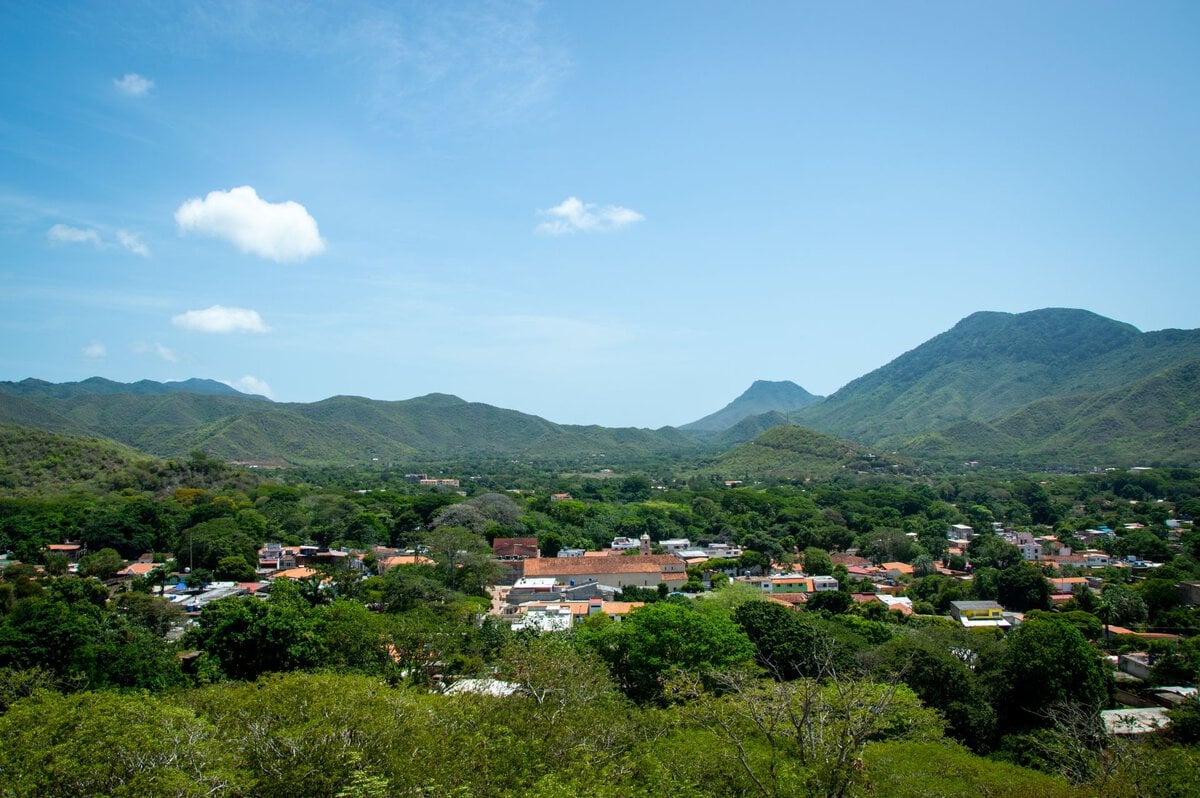
The road from Panama City climbs through rolling hills, shedding the humid coastal air of the Pacific for the crisp, thin atmosphere of the interior highlands, eventually dropping into a broad green bowl ringed by high walls of ancient forest. This town, El Valle de Antón, occupies the floor of one of the world’s largest inhabited volcanic craters, a geological anomaly that has dictated the rhythm of local life, agriculture, and tourism for centuries. Looming above the town is the ridgeline known as La India Dormida—the Sleeping Woman—a formation whose silhouette of a woman resting on her back has become the most iconic landmark in the Coclé province.
The geological origins of this basin date back approximately 2.5 million years to a massive volcanic eruption. The resulting caldera, spanning roughly six kilometers in diameter, created a unique microclimate shielded by the surrounding peaks. While some local lore suggests this is the second-largest inhabited crater globally, geological surveys categorize it as one of several significant volcanic calderas in the region. Regardless of its precise international ranking, the crater provides a distinct environment where fertile volcanic soil supports a thriving agricultural industry, known for producing everything from golden frogs and exotic orchids to temperate climate vegetables.
The Cultural Tapestry and the Legend of Luba
The ridge is more than a geological feature; it is the centerpiece of local mythology. The prevailing legend, passed down through generations of oral history, centers on Flor del Aire, or Luba, the daughter of a powerful Indigenous chief. According to the folklore, Luba fell in love with a Spanish conquistador during the colonial era, a romance that sparked the intense jealousy of a rejected Indigenous warrior. The narrative concludes in tragedy, with Luba succumbing to heartbreak and eventually merging with the mountain itself, leaving her silhouette etched against the sky.
While historians note the absence of written records to verify the specific timeline of this event, sociologists suggest the story serves as a vital cultural repository for the region’s complex colonial history. It reflects the intersection of Indigenous tradition and European arrival, framing the landscape as a living memorial. For the modern visitor, understanding this legend is central to appreciating the local identity. Community leaders in El Valle often encourage travelers to engage with these narratives respectfully, noting that the mountain is held in high regard as a sacred and protective figure by the local population.
Navigating the La India Dormida Trail
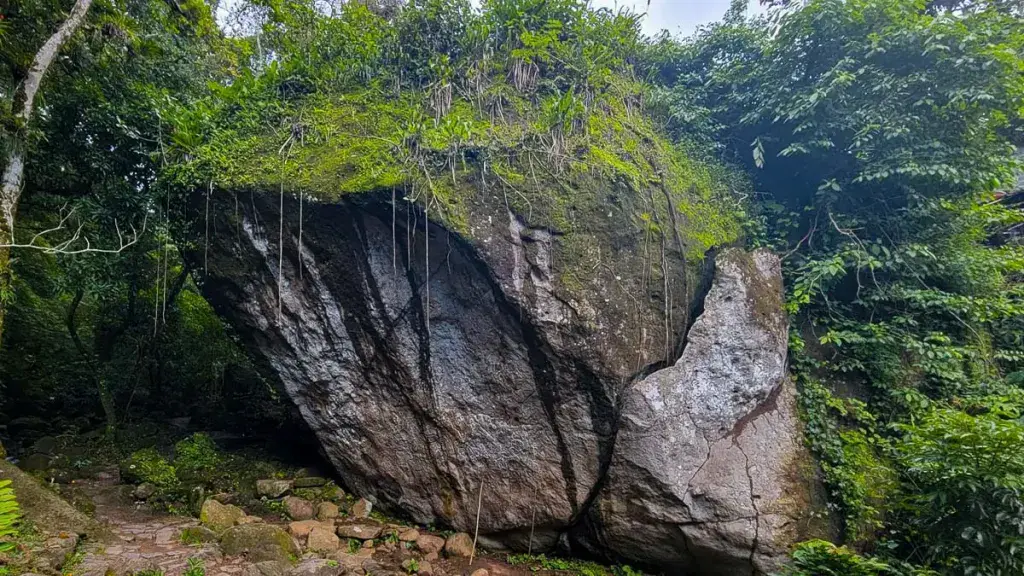
For those seeking to explore the ridge, the hike begins at the Piedra Pintada trailhead, located roughly 15 to 20 minutes from the town center. The trail is approximately 3 to 6.5 kilometers in length, depending on the chosen route along the ridgeline. While the ascent is frequently underestimated by casual tourists, it is characterized by steep, uneven stone pathways that require a moderate level of physical fitness.
Chronologically, the climb is best managed in the early morning. During the dry season, which extends from mid-December through April, the path is stable and provides the highest probability of clear panoramic views. In contrast, the rainy season—stretching from May through December—introduces significant challenges. During these months, the trail becomes notoriously slick and prone to mud, requiring sturdy footwear and careful navigation. The descent is often cited by local guides as more dangerous than the ascent due to the high probability of slips on the volcanic rock.
The Economic and Social Impact of Tourism
The tourism infrastructure in El Valle de Antón has evolved significantly over the past two decades. What was once a secluded agricultural outpost has transitioned into a primary weekend destination for residents of Panama City and international travelers. This shift has necessitated a balance between economic development and environmental preservation.
The town serves as a hub for small-group excursions, such as those operated by firms like Live Folks, which provide comprehensive day trips including visits to El Chorro El Macho waterfall and the local hot springs. These services typically include professional guidance and transport, which are critical for navigating the region’s topography. The economic ripple effect of this tourism is evident in the Sunday Market, where local farmers and artisans generate a significant portion of their annual revenue. By purchasing goods directly from these vendors, visitors provide direct support to the local economy, a practice strongly encouraged by municipal authorities to combat the displacement of traditional livelihoods.
Strategic Logistics and Visitor Information
For the independent traveler, the logistics of visiting El Valle require careful planning. The most efficient route from Panama City involves taking the Pan-American Highway west toward San Carlos, followed by a northern turn at Las Uvas. The drive typically takes between two and two-and-a-half hours. Public transportation remains a viable and affordable alternative, with direct bus services departing from the Albrook Bus Terminal in Panama City.
- Transportation: Rental cars provide the most flexibility, though public buses offer a lower cost of entry at approximately $4.50 to $5.00 per ticket.
- Entrance Fees: Access to the La India Dormida trail requires a nominal fee of $3.00, which is directed toward trail maintenance and site preservation.
- Climate Considerations: The temperature in the crater is consistently lower than in the coastal capital, often requiring a light jacket during the early morning hours or in the evenings.
Expert Recommendations and Safety Protocols
Local authorities and veteran guides emphasize that the safety of the hiker is paramount. Weather in the crater can shift rapidly, with dense clouds often obscuring the ridge within minutes. Travelers are advised to monitor the meteorological forecast and confirm trail accessibility with local officials before beginning the ascent.
Furthermore, etiquette in a working community is essential. When interacting with local residents, particularly in the market or during agricultural activities, visitors are expected to maintain professional and courteous decorum. This includes obtaining permission before taking photographs of individuals, a practice that respects the privacy and dignity of the local workforce.
Beyond the Summit: A Deeper Look at El Valle
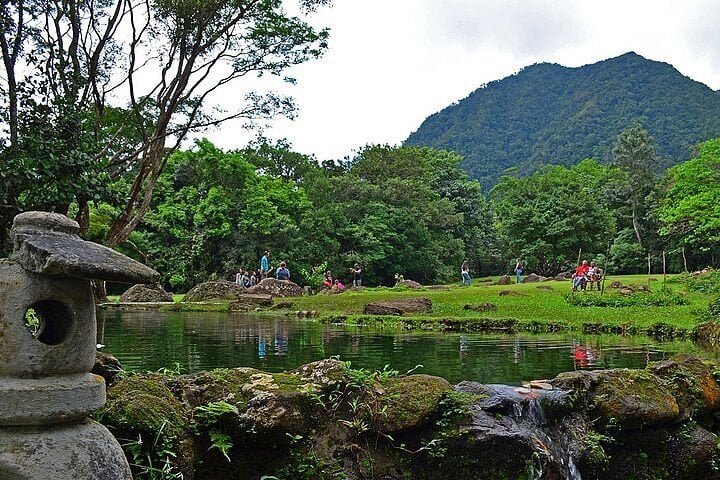
The experience of El Valle is not confined to the peak of the Sleeping Woman. The crater floor itself offers a wealth of biodiversity and cultural experiences. The El Nispero Zoo and Botanical Garden, for instance, provides context on the unique flora and fauna of the region, including the endangered Panamanian golden frog, which is synonymous with the area’s natural heritage.
Culinary experiences in the town also reflect its status as a high-altitude agricultural center. A standard local breakfast includes hojaldre (fried dough) paired with locally grown coffee, followed by hearty, traditional dishes such as sancocho de gallina, a slow-cooked chicken soup. These meals are not merely sustenance; they are cultural markers of the highland lifestyle, specifically designed to complement the cooler, damp climate of the caldera.
Conclusion and Future Outlook
As of late 2026, El Valle de Antón remains a prime example of sustainable tourism development in Panama. While the influx of visitors has brought necessary capital into the region, the community continues to advocate for policies that protect the natural integrity of the caldera walls and the cultural authenticity of the town. For the prospective visitor, the trip is less about conquering a peak and more about immersing oneself in a living, breathing volcanic landscape that has anchored the Panamanian interior for millennia. Whether one is drawn by the geological curiosity of the crater, the mystery of the legend of the Sleeping Woman, or the vibrant local market, El Valle offers a multifaceted perspective on the diverse geography and heritage of the Republic of Panama.