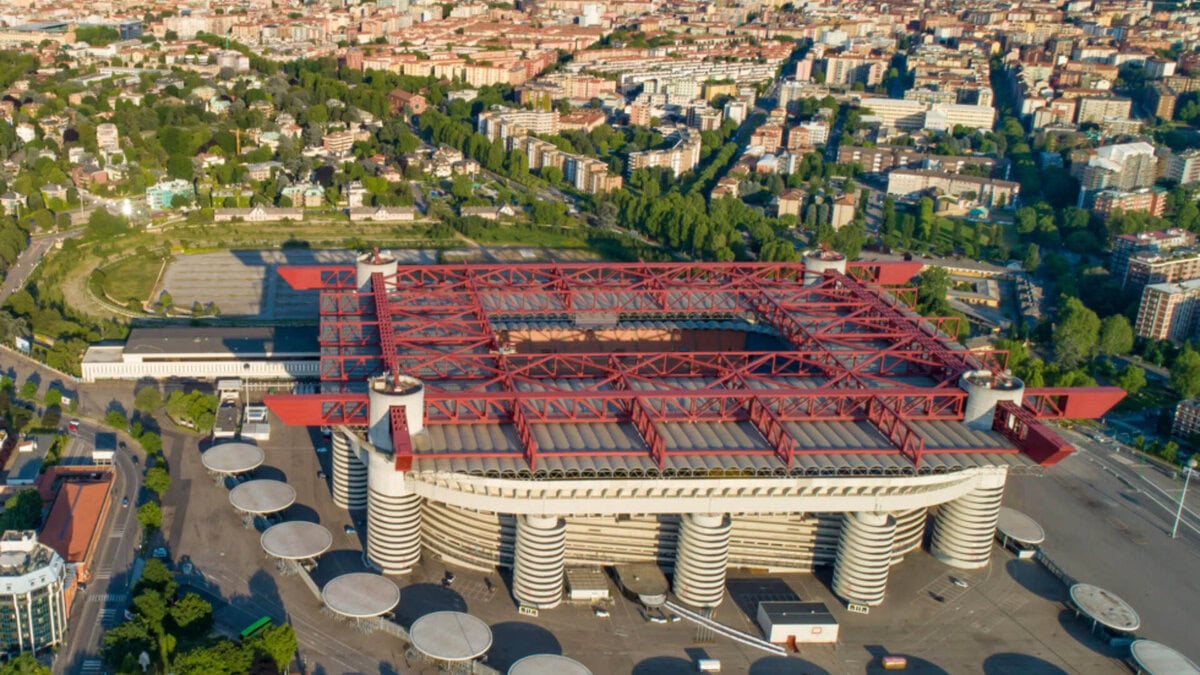
Beyond the iconic concrete silhouette of the Meazza Stadium, San Siro functions as a complex, living urban landscape that defies the temporary nature of the 75,000-strong crowds that descend upon it on match days. While international visitors often view the district as a mere transit point between the metro and the stadium gates, a closer inspection reveals a residential quarter defined by a rich 20th-century architectural heritage, expansive green spaces, and a deeply ingrained local rhythm. For the casual observer, the neighborhood offers a stark contrast: the high-octane environment of Serie A football versus the quiet, mundane reality of life in one of Milan’s most storied outer districts.
A Chronology of Urban Evolution
The identity of San Siro is rooted in a timeline of deliberate urban planning and cultural expansion. The area’s historical anchor is the church of San Siro alla Vepra, which was first documented in 885. However, the modern manifestation of the district began in the early 20th century. In 1920, the San Siro Ippodromo (racecourse) was inaugurated, establishing the area as a hub for sport and leisure. This was followed in 1926 by the opening of the stadium itself, then known as the Nuovo Stadio Calcistico San Siro.
The mid-century period, specifically the 1930s through the 1950s, saw the rapid development of public housing blocks. These structures were designed to accommodate the growing workforce fueling Milan’s post-war economic boom. Unlike the temporary influx of sports fans, the residents who occupy these buildings have cultivated a distinct community character that persists regardless of the football calendar. The diversity of the neighborhood is reflected in its local commerce, where shop signage and market stalls represent decades of migration and internal movement from across Italy and abroad.
The Looming Transformation: A 2031 Vision
The neighborhood currently stands at a significant crossroads. In November 2025, AC Milan and Inter Milan finalized the purchase of the stadium and the surrounding land, marking a pivotal shift in the site’s ownership and future development. The clubs have committed to the construction of a new 71,500-seat stadium, with the project slated for completion by 2031.
According to official planning documents, the current stadium will remain operational throughout the construction phase. However, once the new facility is inaugurated, the original stadium—a monument to mid-century engineering—is earmarked for demolition. This pending transformation has sparked a debate among urban planners and heritage conservationists regarding the loss of architectural history. The demolition is expected to fundamentally alter the aesthetic and social fabric of the district, making the next few years a critical window for those wishing to observe the neighborhood in its current configuration.
Navigating the Neighborhood: A Practical Guide
Understanding San Siro requires a departure from the "match-day only" mentality. For travelers and residents alike, the area offers a variety of experiences that remain largely hidden during high-traffic events.
Thermal Wellness in a Historic Setting
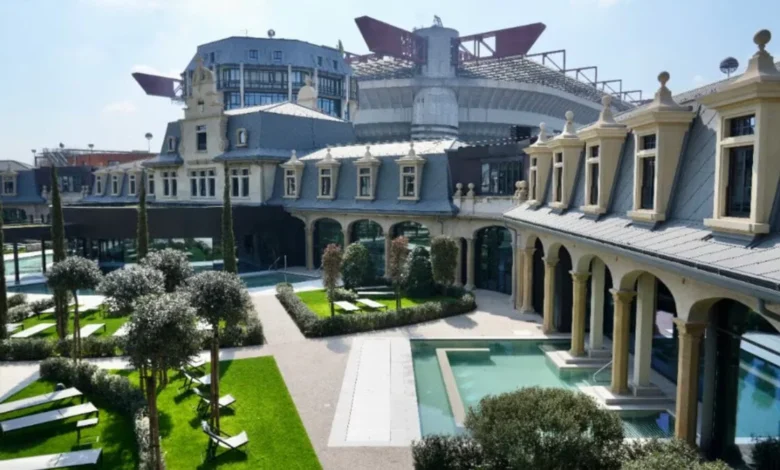
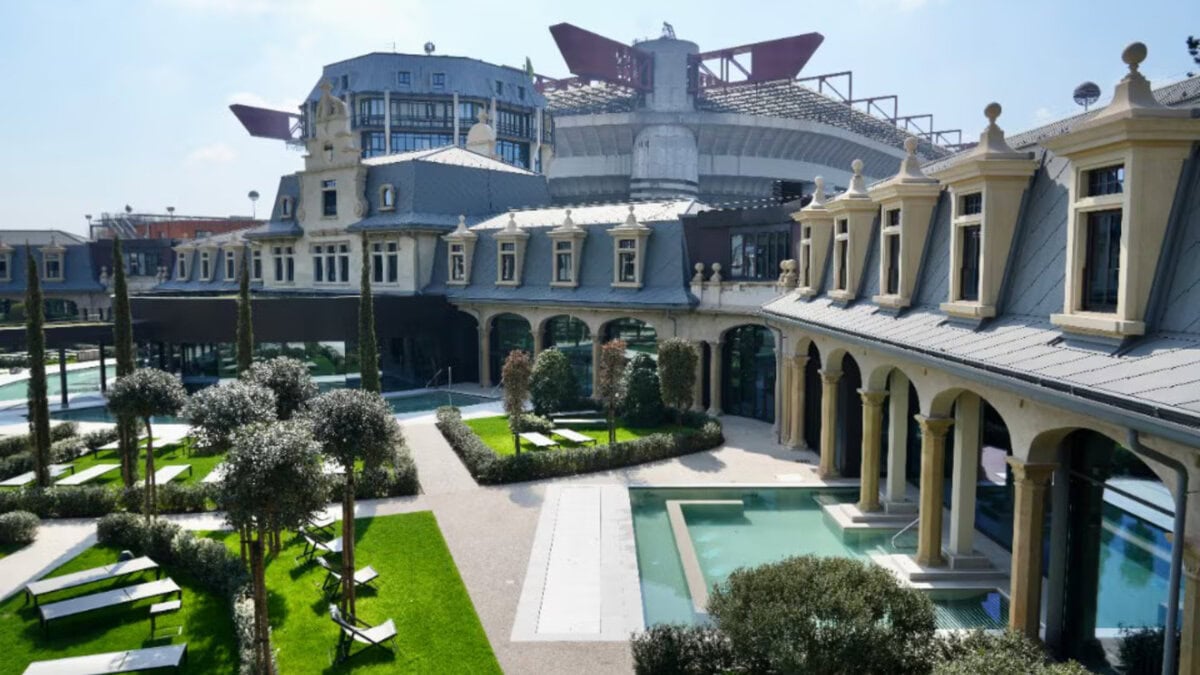
One of the most notable examples of adaptive reuse in the district is the Terme De Montel. Housed within the restored early-20th-century Liberty-style stables on Via Achille, this facility provides a unique juxtaposition of historical architecture and modern wellness services. The spa features indoor and outdoor thermal pools, saunas, and steam rooms. As of November 2026, the "Wellness Break" package, which grants five hours of access, is priced at €79 for online bookings and €89 for standard rates. The facility serves as a testament to the ongoing revitalization of the area’s older infrastructure.
The Via Osoppo Market
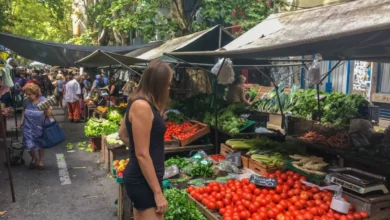
The neighborhood’s social pulse is best measured at the Via Osoppo market, which operates every Thursday and Saturday. On Thursdays, the market hosts over 100 stalls, primarily focusing on fresh produce, cheese, and local delicacies. It functions as the primary grocery source for many residents, offering a glimpse into the daily domestic life that exists entirely separate from the stadium’s commercial operations.
Historical Landmarks
- Leonardo’s Horse: Located at the entrance of the San Siro Ippodromo, this 7.3-meter bronze sculpture by Nina Akamu was unveiled in 1999. It serves as a physical tribute to the unrealized designs of Leonardo da Vinci for a monument to Francesco Sforza. It remains a key point of interest for visitors interested in art history.
- San Siro alla Vepra: Situated on Via Masaccio, this church provides a quiet, introspective counter-narrative to the surrounding sports infrastructure. The Romanesque and Gothic architectural elements and the frescoes in the apse offer evidence of the site’s importance long before the advent of professional football.
Economic and Logistical Implications
The logistical burden placed on San Siro during major events is significant. On a standard match day, local authorities implement strict traffic management, including the closure of the Via Achille car park and the redirection of public transport lines.
For those planning a visit, logistical considerations are paramount:
- Transport: Access is facilitated via the M1 (Red Line) to Lotto station, followed by a transfer to the M5 (Lilac Line) to reach San Siro Stadio. Alternatively, for those visiting the racecourse or Leonardo’s Horse, the San Siro Ippodromo station is the optimal stop.
- Ticketing: As of January 2026, paper tickets have been phased out in favor of digital and contactless payment systems. A standard 90-minute ATM ticket is priced at €2.20, allowing for seamless travel across the metro, bus, and tram networks.
- Timing: The "everyday" experience is best sought on non-event days. Visitors are encouraged to consult the official football and concert calendars, as events often result in limited mobility and overcrowded amenities within a 500-meter radius of the stadium.
Broader Impact and Community Reaction
The impending construction project has elicited mixed responses from the local community. While some view the new stadium as a necessary upgrade to ensure Milan’s competitiveness in the European sports market, others express concern over the potential for increased gentrification and the disruption of local trade.

Data suggests that the "stadium economy"—characterized by the sale of the traditional panino con la salamella (a grilled pork sausage sandwich served with onions and peppers)—is highly localized and seasonal. While these vendors thrive on the energy of the crowds, they are essentially ephemeral, contrasting with the long-term, stable businesses such as Baretto 1957, a landmark bar near Gate 1 that serves as a consistent meeting point for both locals and sports enthusiasts.
The broader implication of the 2031 project is the potential loss of a specific era of Milanese history. The current stadium is not merely a sports venue; it is a landmark that has defined the skyline and the social identity of the San Siro district for nearly a century. As the city moves toward a modernized, high-tech future, the neighborhood’s "everyday" atmosphere—the rattle of the trams, the quiet of the church, and the bustle of the Thursday markets—remains a vital component of Milan’s urban fabric that warrants preservation and recognition.
Conclusion
San Siro is more than the sum of its stadium gates. It is a neighborhood of transition and longevity, balancing the pressures of global sports tourism with the quiet persistence of residential life. For those willing to venture beyond the stadium concourse, the district offers a nuanced perspective on Milanese culture. Whether through the historic architecture of the De Montel stables, the communal experience of the Via Osoppo markets, or the serene remnants of the area’s medieval roots, San Siro presents a multifaceted identity that rewards the patient observer. As the neighborhood prepares for its most significant transformation in a century, the value of experiencing it in its current, authentic state has never been higher.