Beyond the Headlines: Exploring the Societal Fabric and Culinary Culture of Rocinha, Brazil’s Largest Favela

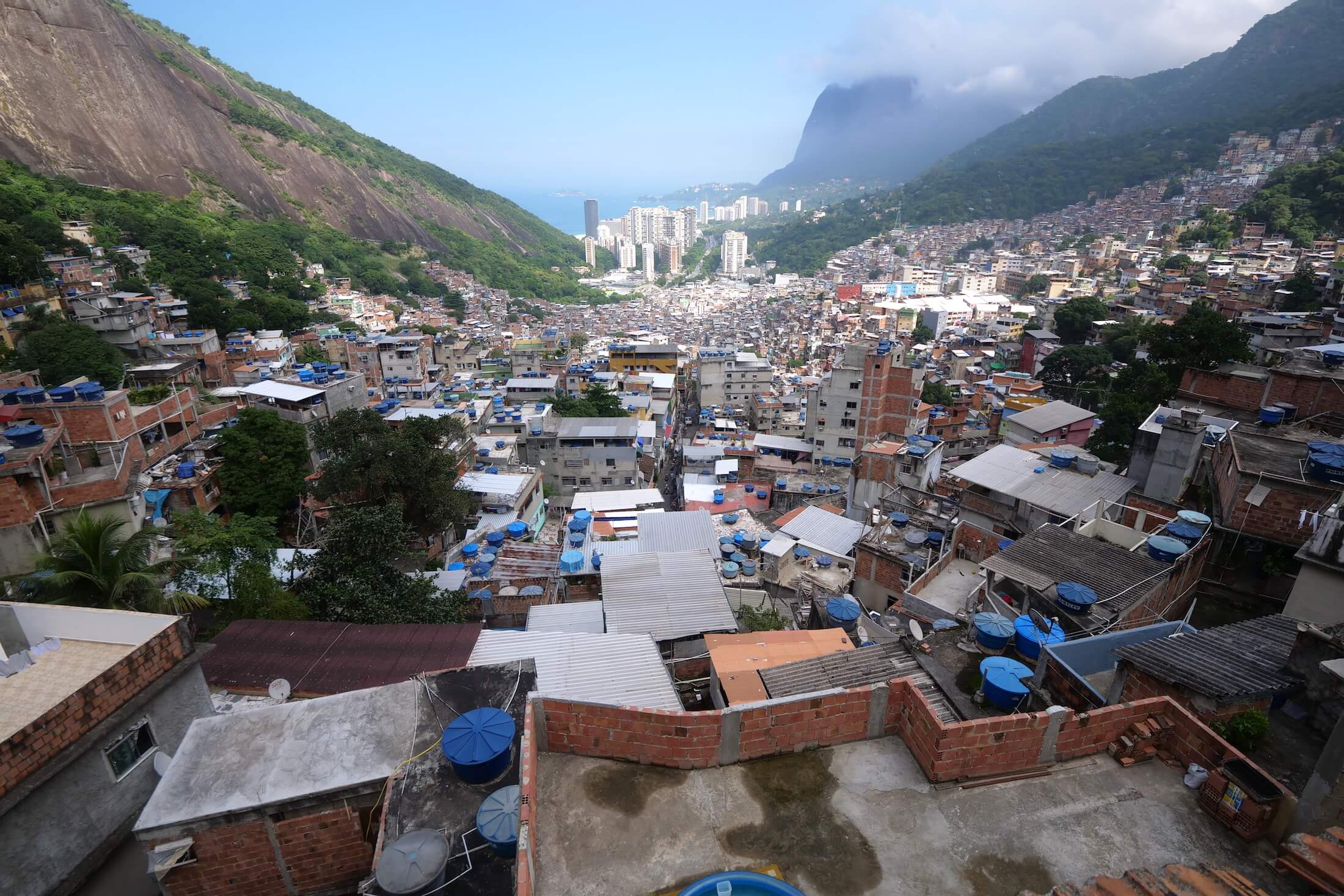
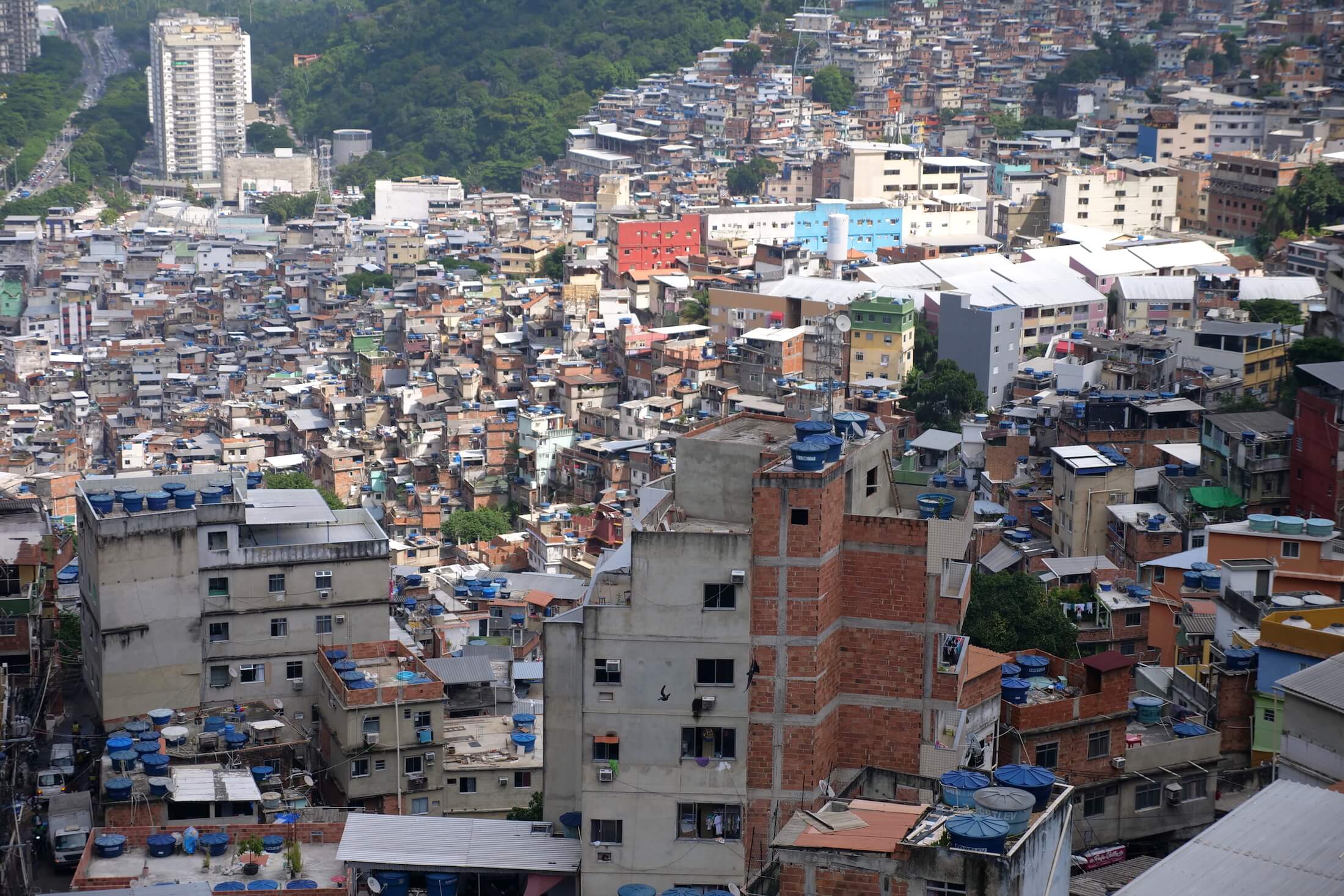
RIO DE JANEIRO — Nestled into the steep, verdant hillsides overlooking the South Zone of Rio de Janeiro, Rocinha stands as Brazil’s most populous informal urban community, or favela, housing an estimated 100,000 to nearly 300,000 residents depending on demographic metrics. Far from the impoverished and lawless slums frequently depicted in international cinema and television broadcasts, Rocinha operates as a dense, self-sustaining neighborhood characterized by robust entrepreneurial activity, established municipal infrastructure, and a vibrant cultural identity. While global media narratives often reduce Rio de Janeiro’s favelas to zones of acute hazard, an examination of communities like Rocinha reveals a complex socio-economic landscape defined by permanent residency, brick-and-mortar commerce, and an integral role in the broader fabric of modern Brazilian society.
Historical Context and Urban Evolution
The origins of Rio de Janeiro’s favelas date back to the late 19th century, when impoverished soldiers returning from the War of the Canudos established makeshift settlements on the city’s unoccupied hillsides. Over subsequent decades, rural-to-urban migration accelerated this phenomenon, as millions relocated from Brazil’s northeastern states to industrializing urban centers in search of economic opportunity. Rocinha itself began to take shape in the 1920s and 1930s, expanding rapidly along the ridges separating the upscale districts of Gávea and São Conrado.
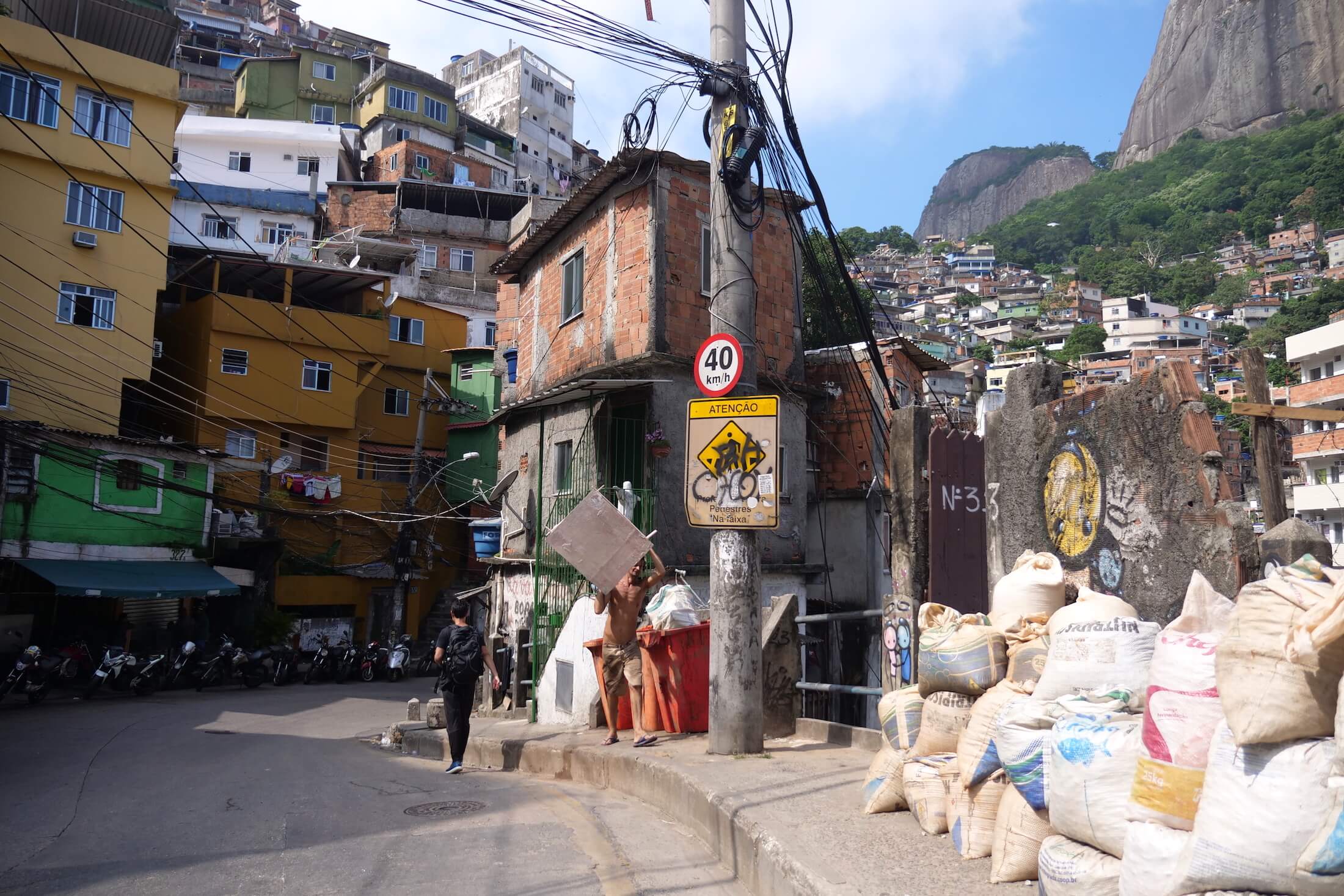
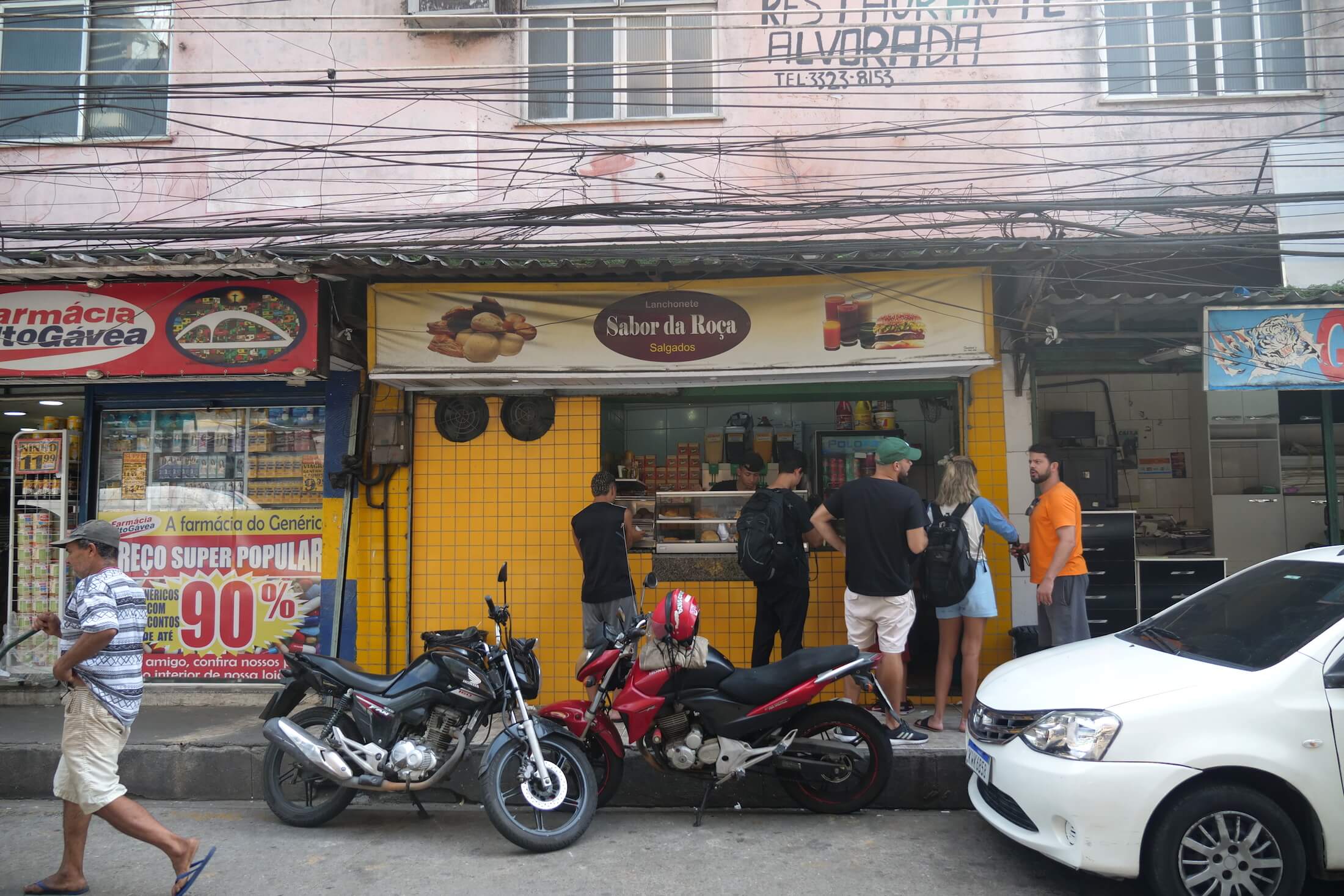
Unlike temporary tent encampments, favelas evolved into permanent architectural fixtures constructed primarily of brick and concrete. Over successive generations, residents engaged in vertical construction, stacking homes atop one another and transforming footpaths into bustling commercial corridors. Today, established neighborhoods like Rocinha feature essential urban infrastructure, including electricity grids, running water systems, public schools, financial institutions, pharmacies, and hardware stores.
Security Dynamics and State Intervention
Safety remains a central consideration for visitors and researchers navigating Rio de Janeiro’s informal settlements. Historically, many favelas fell outside the administrative control of municipal authorities, leaving vacuums that armed factions and drug trafficking organizations exploited. This dynamic fostered a persistent stigma reinforced by sensationalized news coverage.
To counter these security challenges, the state government of Rio de Janeiro initiated sweeping pacification programs ahead of major international events, notably the 2014 FIFA World Cup and the 2016 Summer Olympics. Tactical police operations secured numerous high-profile favelas, followed by the establishment of permanent community policing units designed to stabilize the neighborhoods and integrate them formally into municipal governance. While security concerns persist—prompting travel advisories from foreign embassies—urban sociologists emphasize that the overwhelming majority of favela residents are working-class citizens pursuing standard economic and social stability.
Economic and Demographic Footprint
Statistically, informal communities represent a significant demographic and economic pillar within Brazil. According to data from the Brazilian Institute of Geography and Statistics (IBGE), approximately 6 percent of the national population—representing roughly 12.5 million people—resides in favelas across the country. In urban centers like Rio de Janeiro and São Paulo, these communities function as essential labor pools and distinct consumer markets.
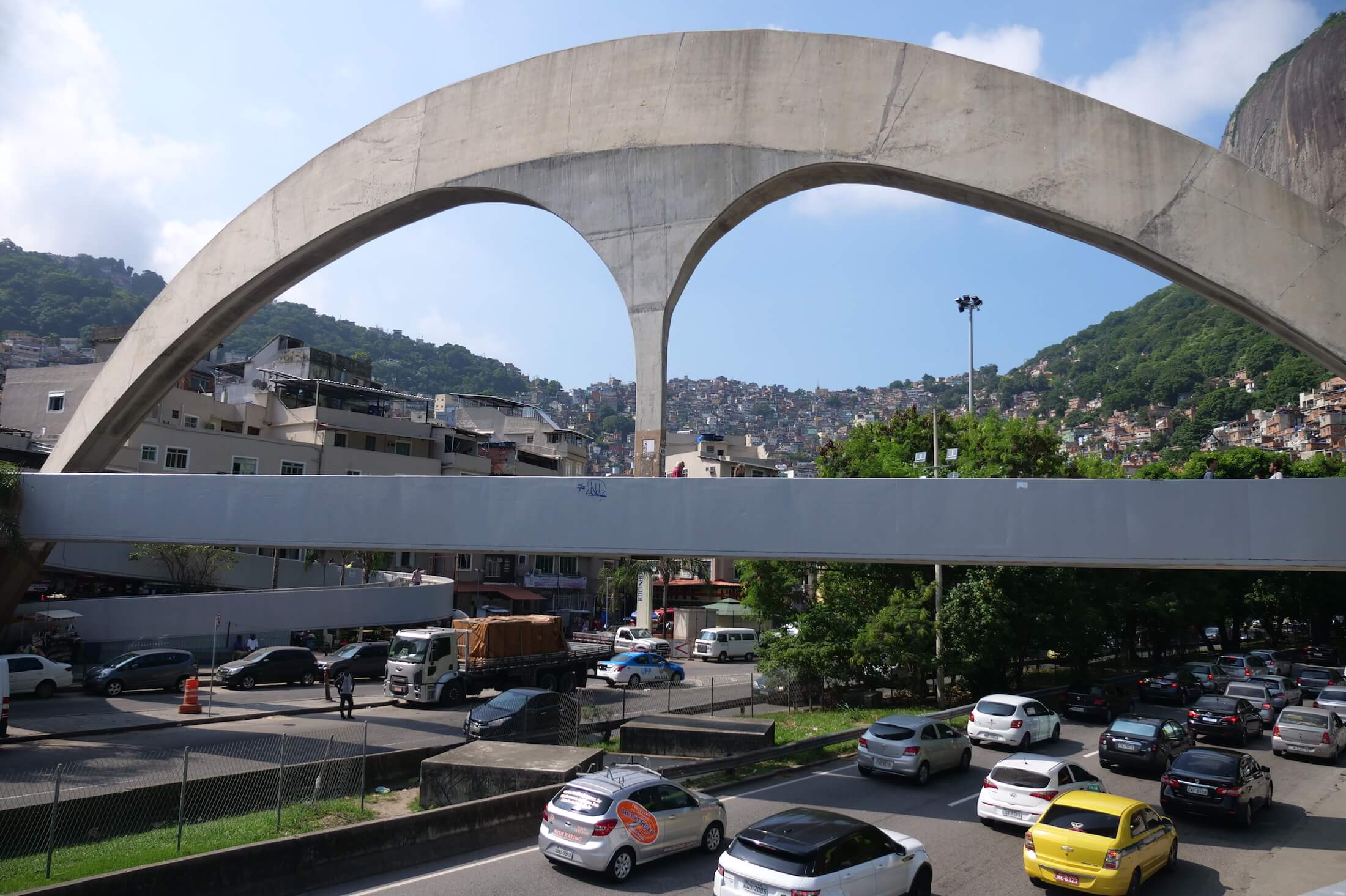
The internal economy of Rocinha is powered by thousands of micro-enterprises. Main thoroughfares are lined with clothing boutiques, electronics repair shops, bakeries, and open-air produce markets. Transportation within the steep terrain relies heavily on local micro-buses and fleet networks of motorcycle taxis (moto-taxis), which navigate the narrow, winding alleys for nominal fares, connecting upper-elevation neighborhoods to transit links below.
Cultural Vitality and Public Art
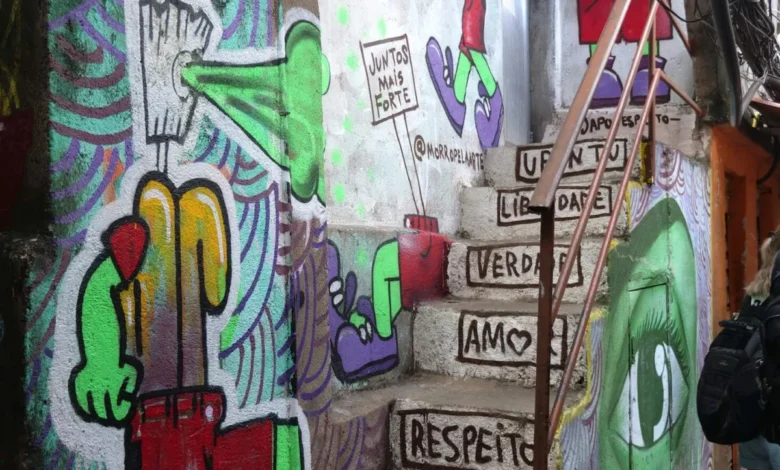
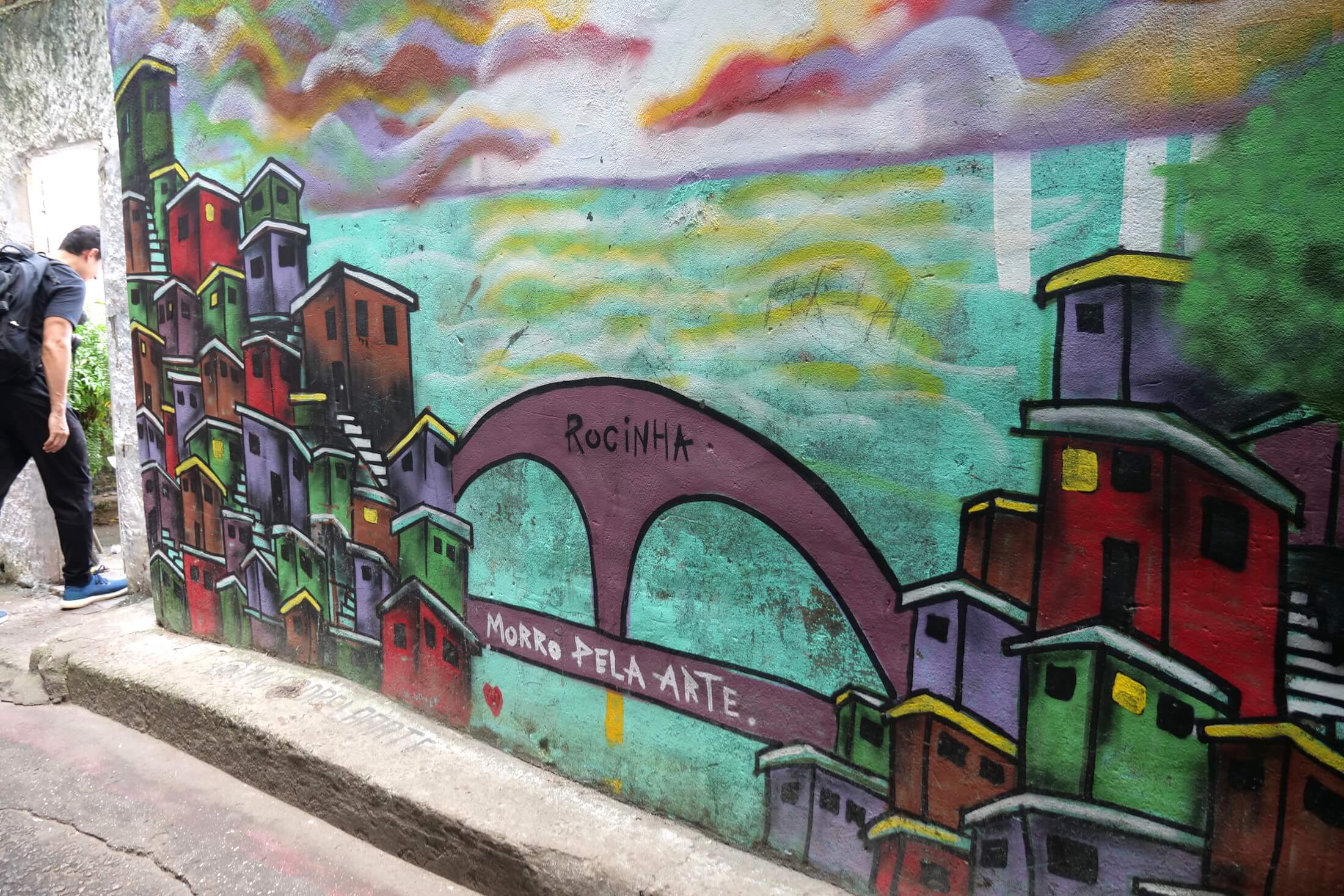
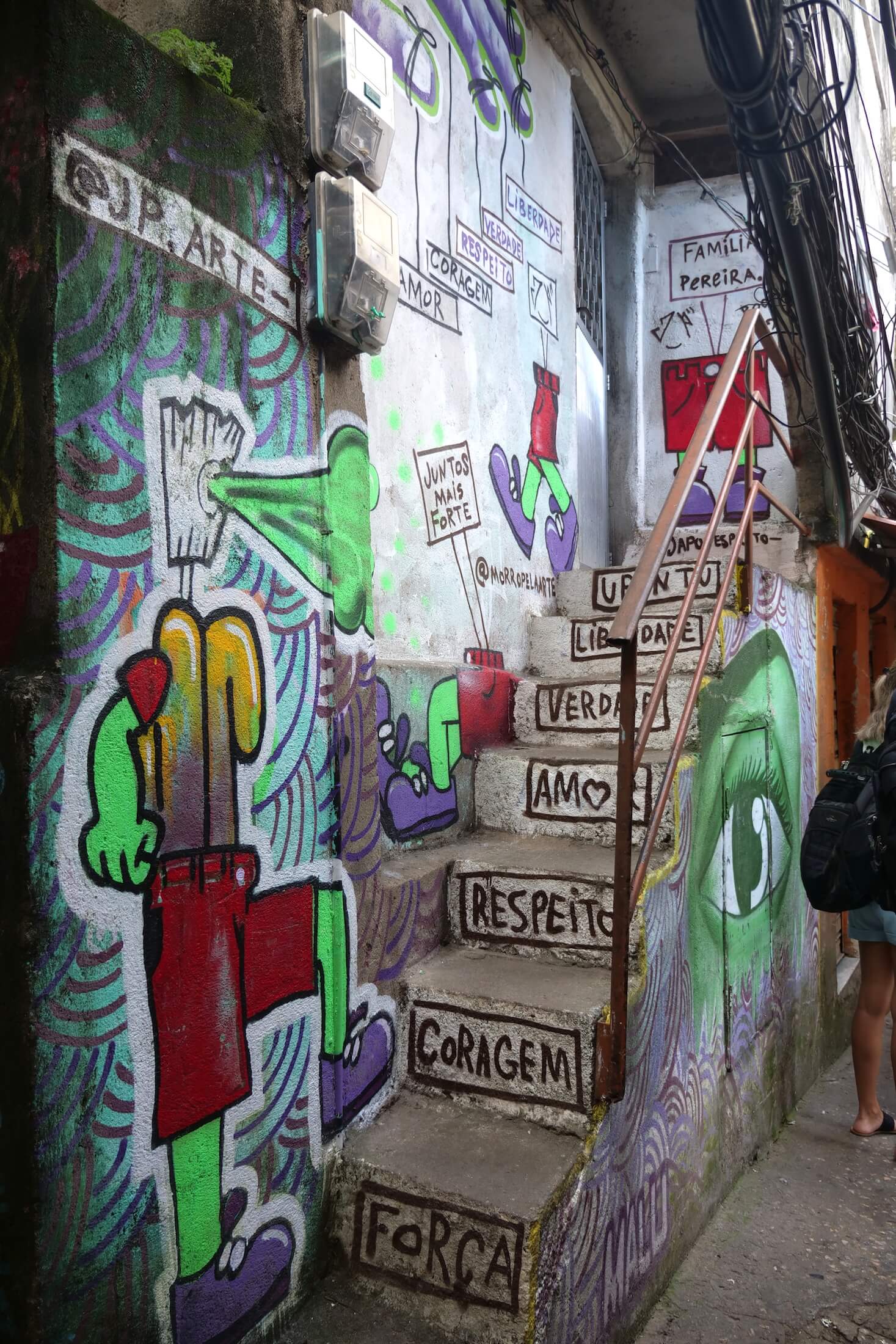
Beyond commerce, favelas have emerged as epicenters of contemporary Brazilian art and self-expression. Urban artists frequently utilize exterior walls, staircases, and retaining structures as canvases for large-scale murals, political commentary, and vibrant abstract compositions. This visual saturation reflects a broader national embrace of public art.
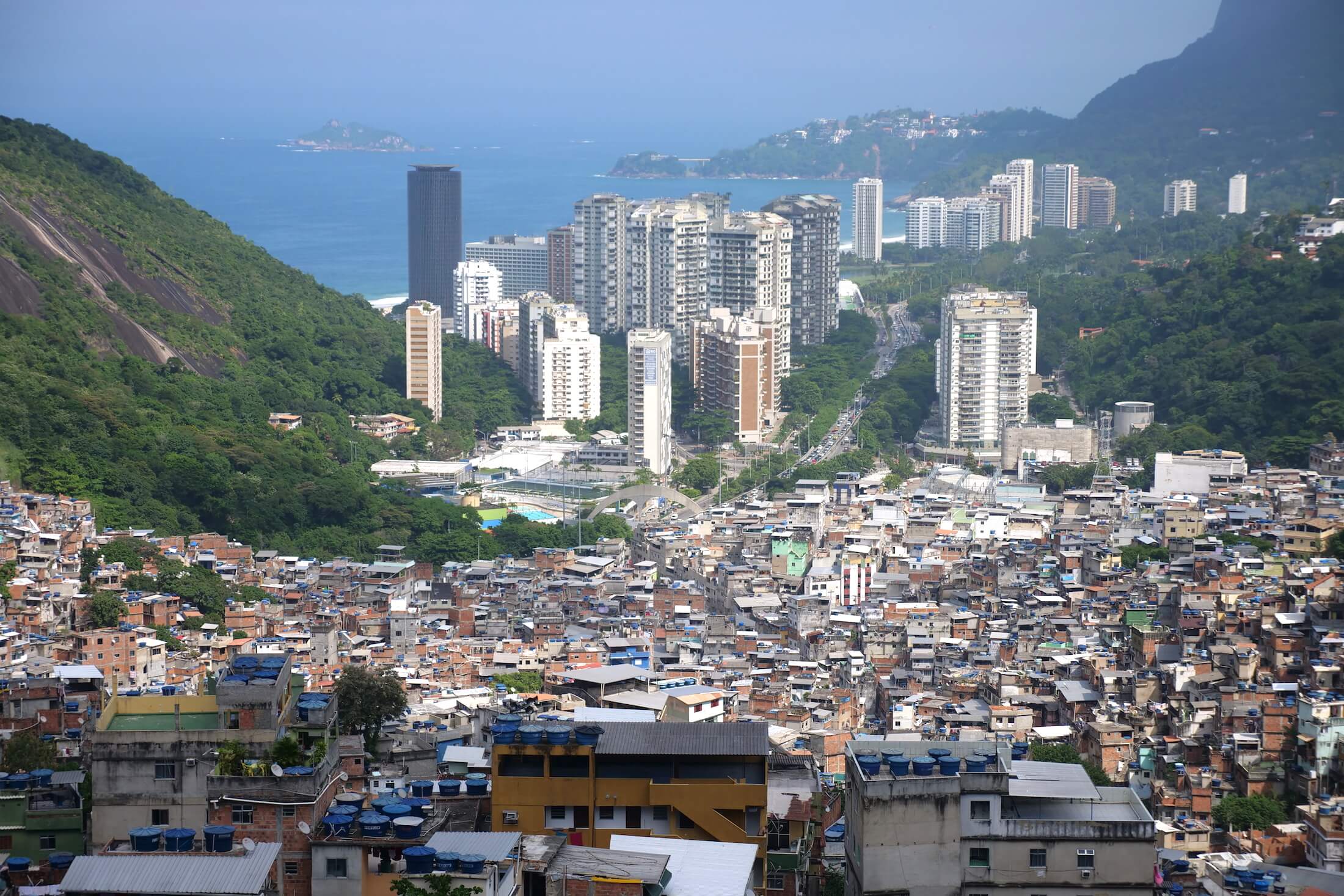
In Rocinha, cultural landmarks such as the "Gate of Heaven" (Porta do Céu), an elevated viewpoint near the top of the settlement, offer panoramic vistas extending from the hillside communities across the urban sprawl to the Atlantic Ocean. Observers note that this artistic effervescence provides a platform for young local creators, allowing them to document their heritage and shape the modern cultural identity of Rio de Janeiro.
Culinary Traditions of the Neighborhood
The culinary landscape of Rocinha mirrors traditional Brazilian comfort food, heavily influenced by working-class ingenuity and regional migration patterns. Street-side vendors and family-run establishments offer a variety of regional staples at accessible price points.
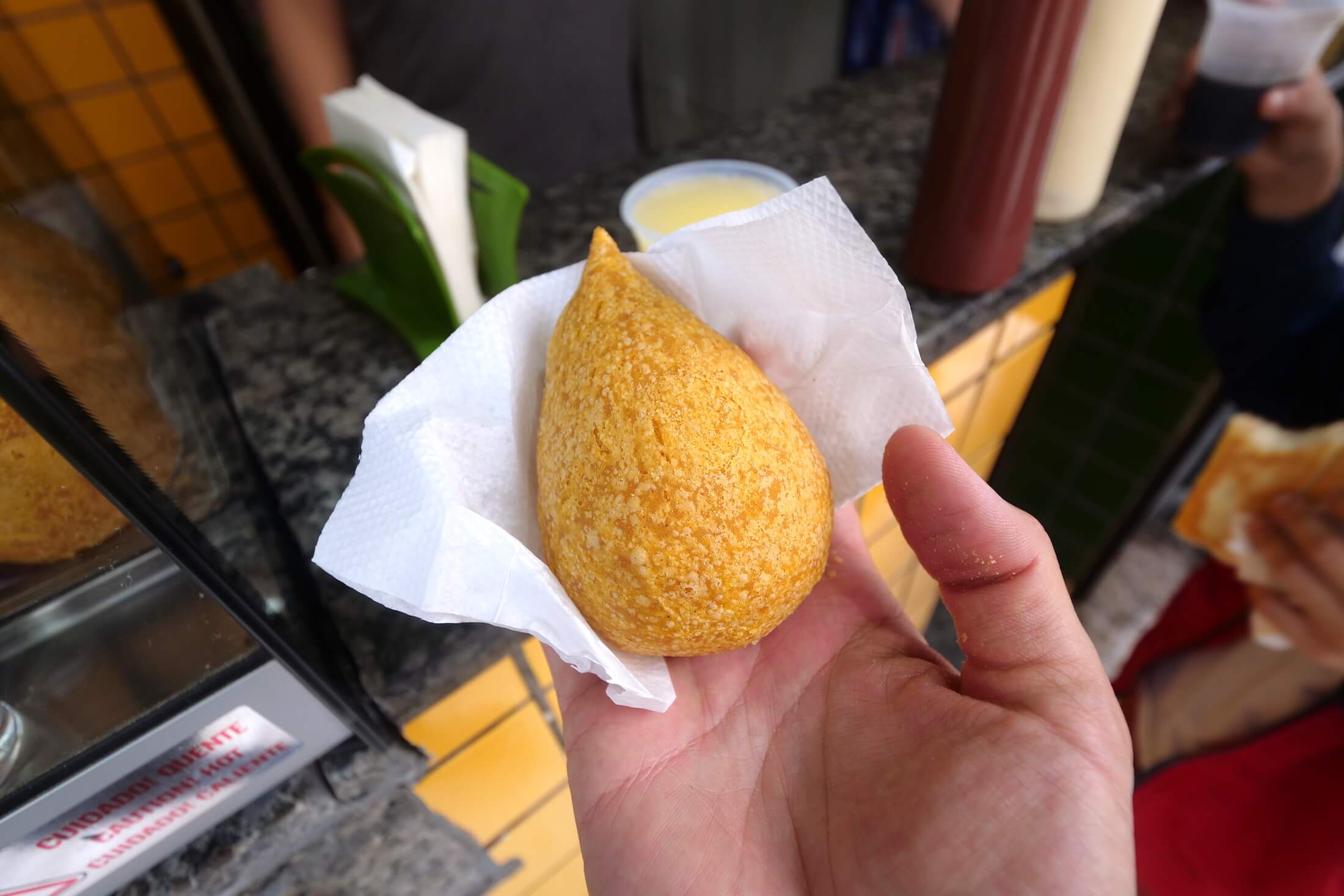
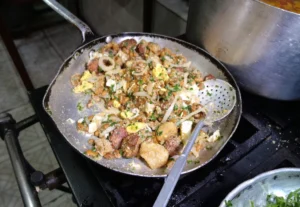
Among the most prominent culinary fixtures is the coxinha, a traditional deep-fried snack consisting of shredded chicken and cheese encased in dough, shaped into a teardrop resembling a chicken thigh, and typically seasoned with herbs and chili oil. Additionally, neighborhood eateries serve hearty combination plates (prato feito) consisting of white rice, black beans, cassava flour (farofa), and slow-simmered meats such as beef brisket or pork, often priced around 10 Brazilian Reais (approximately $2.50 USD). Many of these dining establishments operate directly out of domestic kitchens, blurring the line between private residential life and public hospitality.
Broader Socio-Economic Implications
Urban development specialists argue that recognizing and integrating informal communities is critical for the future of Latin American metropolises. Initiatives focused on land regularization, improved sanitation, and educational outreach are viewed as essential steps toward bridging the economic divide between formal city districts and favela neighborhoods.
By engaging directly with the social and economic realities of areas like Rocinha, urban planners and researchers gain critical insights into sustainable community development. Observers conclude that fostering transparency and challenging entrenched stigmas not only enriches the travel and academic sectors but also empowers marginalized populations, ensuring their contributions to national culture and economy are accurately represented.