Open Tab: A Weekly Digest of Cultural Shifts, Labor Disputes, and Economic Volatility

The arrival of autumn has brought a distinct cooling trend to the Northeast, signaling more than just a seasonal shift; it marks a transition in both cultural consumption and economic realities. As the public adjusts to these changing conditions, a series of disparate events—ranging from labor litigation in the gig economy to international trade friction and the evolution of reality television—reflects the complex landscape of the modern American experience.
The Institutional Evolution of Reality Television
The landscape of televised competition underwent a significant transition this week as Nigella Lawson assumed her role as a judge on The Great British Baking Show. Replacing Prue Leith, Lawson’s arrival marks a shift in the program’s tonal dynamic. Leith, known for her vibrant, whimsical aesthetic and grandmotherly rapport with contestants, established a baseline of warm, constructive criticism. Lawson, by contrast, introduces a more formal, high-fashion, and authoritative presence.
Industry analysts suggest this casting choice reflects a broader attempt by the production to modernize the show’s brand. While the core format remains intact, the infusion of Lawson’s specific culinary pedigree—rooted in home-cooking elegance—suggests a pivot toward a more sophisticated brand of critique. Early viewer sentiment indicates that while the transition is jarring for long-term fans, it reinforces the program’s status as a dominant cultural force that remains willing to iterate to maintain relevance in a saturated media market.
Labor Litigation: The DoorDash Settlement
In a landmark development for gig economy labor relations, the delivery platform DoorDash has entered into a $131.5 million settlement agreement to resolve long-standing allegations of wage theft and non-compliance with municipal labor standards. The settlement, which stands as the largest of its kind in New York City history, addresses systemic failures in payment transparency and timely compensation.
The chronology of the dispute highlights a pattern of administrative neglect. Investigations by city authorities revealed that thousands of delivery workers were consistently underpaid or subject to significant payment delays. Under the terms of the settlement, $12.3 million is designated for direct restitution to underpaid workers, while $83 million will be distributed to those who logged time on the application between delivery assignments.
The statistical scope of the payout is substantial. Approximately 264,000 workers are eligible for compensation, with a median payment of $48. However, the data reveals significant disparities in individual impact: over 700 workers are owed in excess of $10,000, and more than 27,000 workers are entitled to payments exceeding $1,000. Mayor Mamdani’s office characterized the settlement as a critical enforcement victory, signaling that municipal governments are increasingly willing to leverage legal action to regulate the practices of app-based labor platforms.
The Greenfield Conflict: Tensions in Queer Spaces
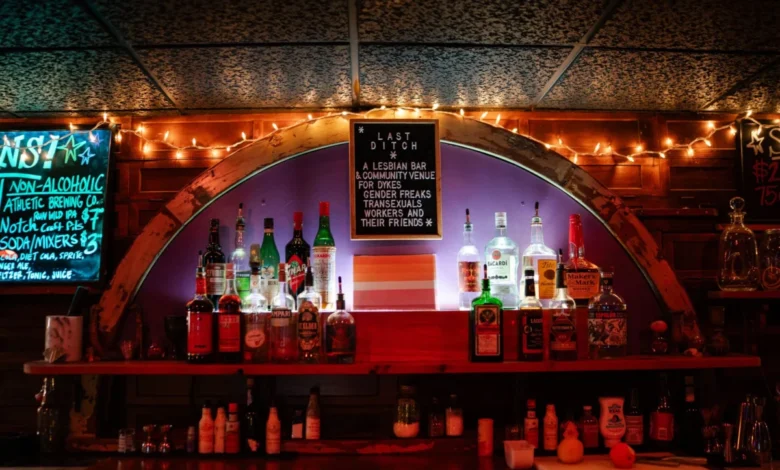
Cultural analysts are closely monitoring the recent collapse of "Last Ditch," a lesbian bar and arts venue in Greenfield, Massachusetts. The closure followed an intense public dispute regarding the venue’s transition from a strictly mask-compliant environment to a "mask-optional" policy on Saturday nights.
The timeline of the incident illustrates the volatility of social media-driven public discourse. The operator announced the policy change on Instagram in an effort to mitigate financial losses and bolster attendance. The response was immediate and vitriolic, characterized by accusations of ableism and threats of direct action. Subsequent attempts at mediation via Zoom failed to resolve the impasse, eventually revealing that the venue was operating under significant debt.
This event is part of a recurring pattern of decline for queer-centric spaces across the United States. Similar to the dissolution of Philadelphia’s "Mina’s World" and the brief, failed tenure of Portland’s "Doc Marie’s," the closure of Last Ditch highlights the precarious balance between maintaining inclusive safety standards and the economic necessity of generating consistent revenue. Sociologists suggest that as the number of dedicated lesbian bars continues to dwindle nationally—dropping to record lows—the remaining venues are under immense, often unsustainable pressure to simultaneously serve as safe harbors and viable business entities.
International Trade: The Whiskey Tariff War
Global trade tensions have manifested in the spirits industry, with a brewing conflict between the United States and Canada over whiskey import regulations. The dispute originated last year when Canadian provinces moved to restrict American whiskey imports, a decision that triggered a retaliatory 50% tariff from the United States on Canadian whisky products.
The situation escalated this week with the U.S. government issuing a formal ban on the importation of certain Canadian alcoholic beverages. The policy, scheduled to take effect early next week, contains specific exemptions for bulk product that is bottled within the United States.
Economic analysts warn that the volatility of these tariffs poses a risk to supply chain stability. While the current loopholes provide a temporary buffer for distributors, the history of this trade war suggests that policies are subject to rapid, unpredictable reversals. The conflict reflects broader protectionist trends that have permeated international commerce, forcing manufacturers to navigate an increasingly complex regulatory environment where geopolitical posturing frequently supersedes market logic.
Professional Etiquette in a Digital Age
The intersection of social media trends and professional standards continues to provoke public debate, most recently centered on the appropriateness of bringing iced coffee to a job interview. While seemingly trivial, the discourse underscores a generational shift in workplace expectations.
Historically, formal interviews demanded a high degree of decorum, where the focus remained entirely on the interaction between the candidate and the recruiter. The current debate, sparked by viral social media content, pits traditional expectations of professionalism against a modern emphasis on authenticity and comfort.
Expert analysis suggests that while the "iced coffee debate" may appear inconsequential, it serves as a proxy for a deeper conflict regarding the "humanization" of the hiring process. Recruitment professionals note that while the consumption of a beverage is unlikely to be the sole determinant of a hiring decision, it does contribute to the candidate’s overall presentation. The consensus among human resources experts is that in the absence of clear cultural shifts within a specific industry, candidates are generally advised to prioritize traditional standards of interview etiquette to avoid unnecessary friction.
Economic and Cultural Implications
The themes of the past week—the institutionalization of labor rights, the fragility of community-based cultural spaces, the volatility of international trade, and the evolving standards of professional conduct—are not isolated incidents. They represent a broader trend of institutional friction.
As the gig economy faces increased regulatory scrutiny, companies like DoorDash will be forced to internalize the costs of compliance, potentially altering the economics of convenience for the consumer. Similarly, as independent venues struggle with the conflicting demands of health policy and fiscal survival, the loss of these spaces threatens the social fabric of minority communities.
Finally, the international trade dispute regarding whiskey serves as a reminder that global economic policy is rarely removed from the domestic consumer experience. As tariffs and bans shift the availability and price of goods, the consumer is left to navigate a market defined by political antagonism rather than supply and demand. These events, taken together, suggest that the coming months will be defined by an ongoing struggle to reconcile the digital, social, and economic advancements of the previous decade with the realities of a shifting, and often volatile, global landscape.