Mastering the Flame: Four Decades of Culinary Heritage at Costelão do Gaúcho in Curitiba

The global reputation of Brazilian gastronomy frequently centers on the theatrical presentation of churrasco, a culinary tradition deeply rooted in the nation’s southern heritage. Among the numerous establishments dedicated to this craft, Costelão do Gaúcho in Curitiba stands as a testament to specialized meat preparation. Operating for more than forty years near the downtown district of the capital city of Paraná, this landmark steakhouse has cultivated a devoted following by focusing on a singular, masterfully executed specialty: slow-roasted beef ribs. While national tourism boards routinely highlight the country’s diverse culinary landscape, institutions like Costelão do Gaúcho represent the localized, generational dedication required to maintain such high gastronomic standards.
Historical Evolution and Chronology of the Restaurant
Founded over four decades ago, Costelão do Gaúcho established its footprint during a period when traditional churrasco culture was transitioning from regional gaucho practices into mainstream urban dining formats. Over the last forty years, the restaurant has maintained a consistent operational model, opening its doors just before noon from Monday through Saturday and operating until late in the evening, while maintaining shorter hours on Sundays.
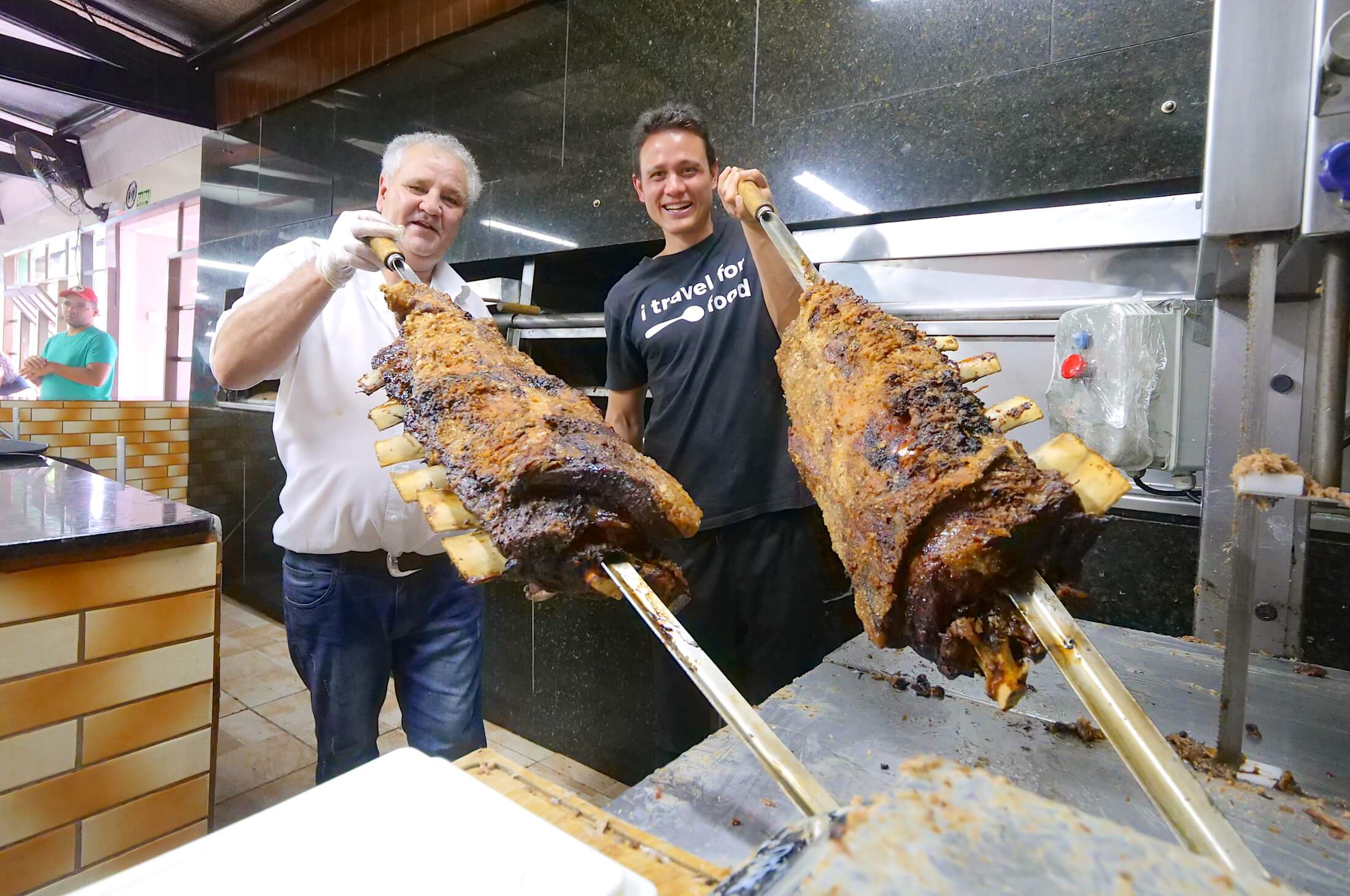
The longevity of the establishment is largely attributed to its unwavering adherence to traditional preparation methods. Rather than modernizing the cooking process with contemporary industrial ovens, the restaurant preserves the mechanics of slow-roasting massive, 15-to-20-kilogram sides of beef over charcoal. This multi-hour process takes place in a dedicated back-room facility designed specifically for sustained smoke circulation, a process that defines both the flavor profile of the meat and the distinct aromatic environment surrounding the property.
Anatomy of the Preparation Process
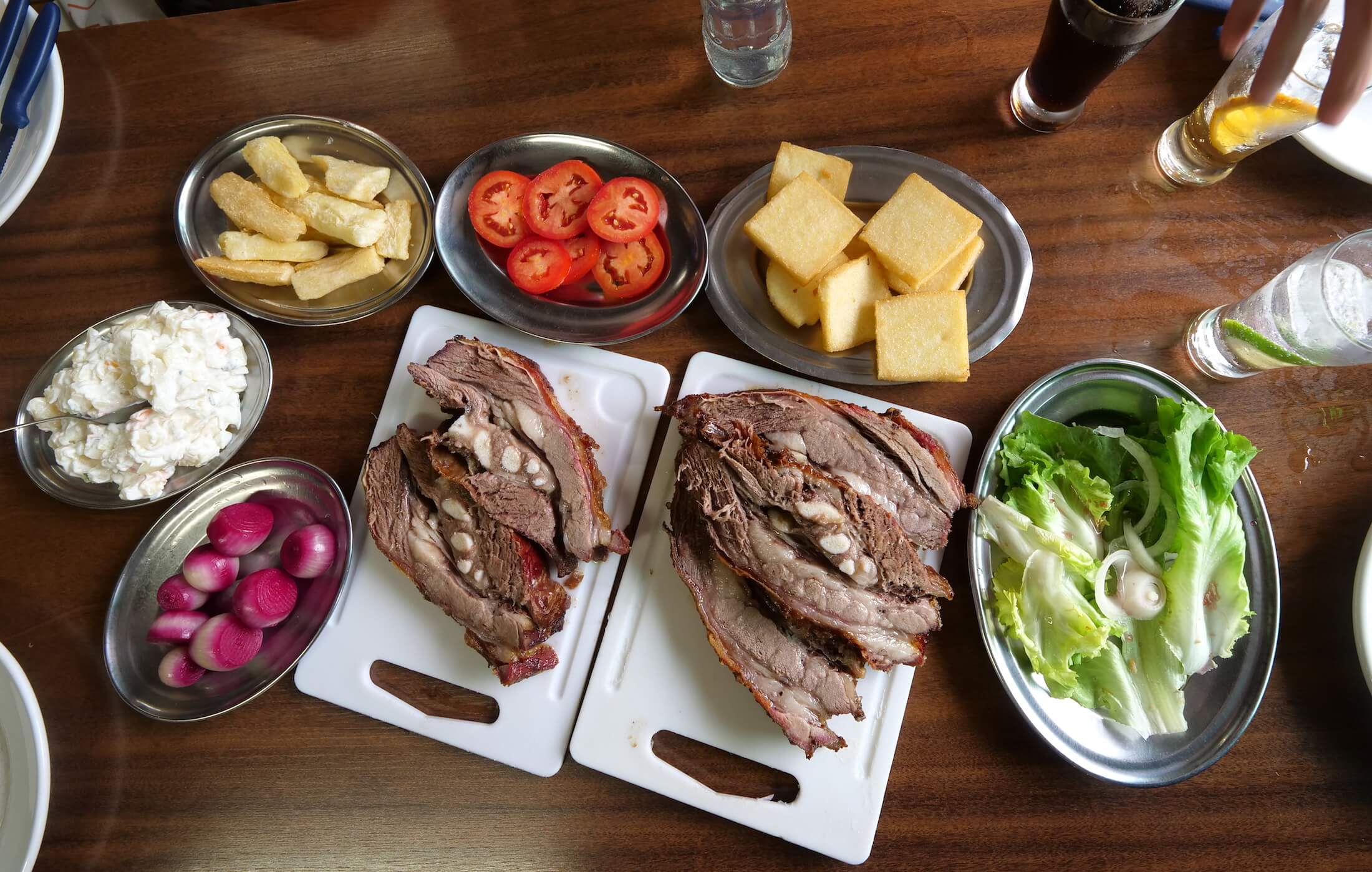
The operational workflow at Costelão do Gaúcho diverges significantly from conventional commercial steakhouses. The culinary technique begins hours before service, as massive portions of beef ribs are suspended and roasted slowly over indirect charcoal heat in the rear chambers of the establishment. This prolonged exposure breaks down the dense connective tissues and intramuscular fat, yielding a product where the meat separates from the bone with minimal resistance.
Once the initial roasting phase is complete, assistant chefs transport the colossal sides of beef to the front carving station. Here, the proprietor exercises meticulous quality control. Wielding specialized tools, including an electric band saw traditionally associated with carpentry, the head chef navigates through thick layers of outer fat, tendons, and dense two-to-three-inch rib bones with practiced precision.
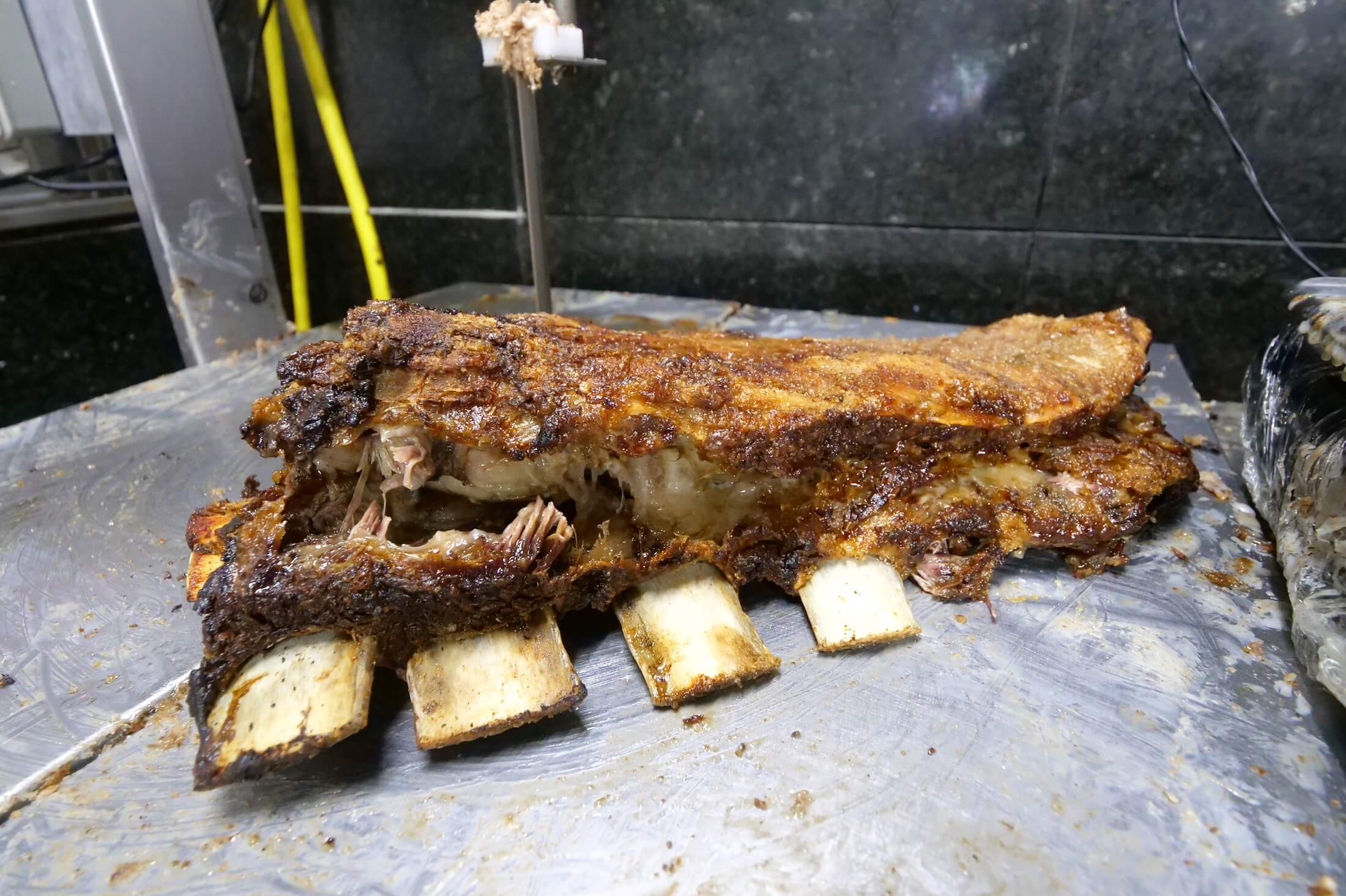
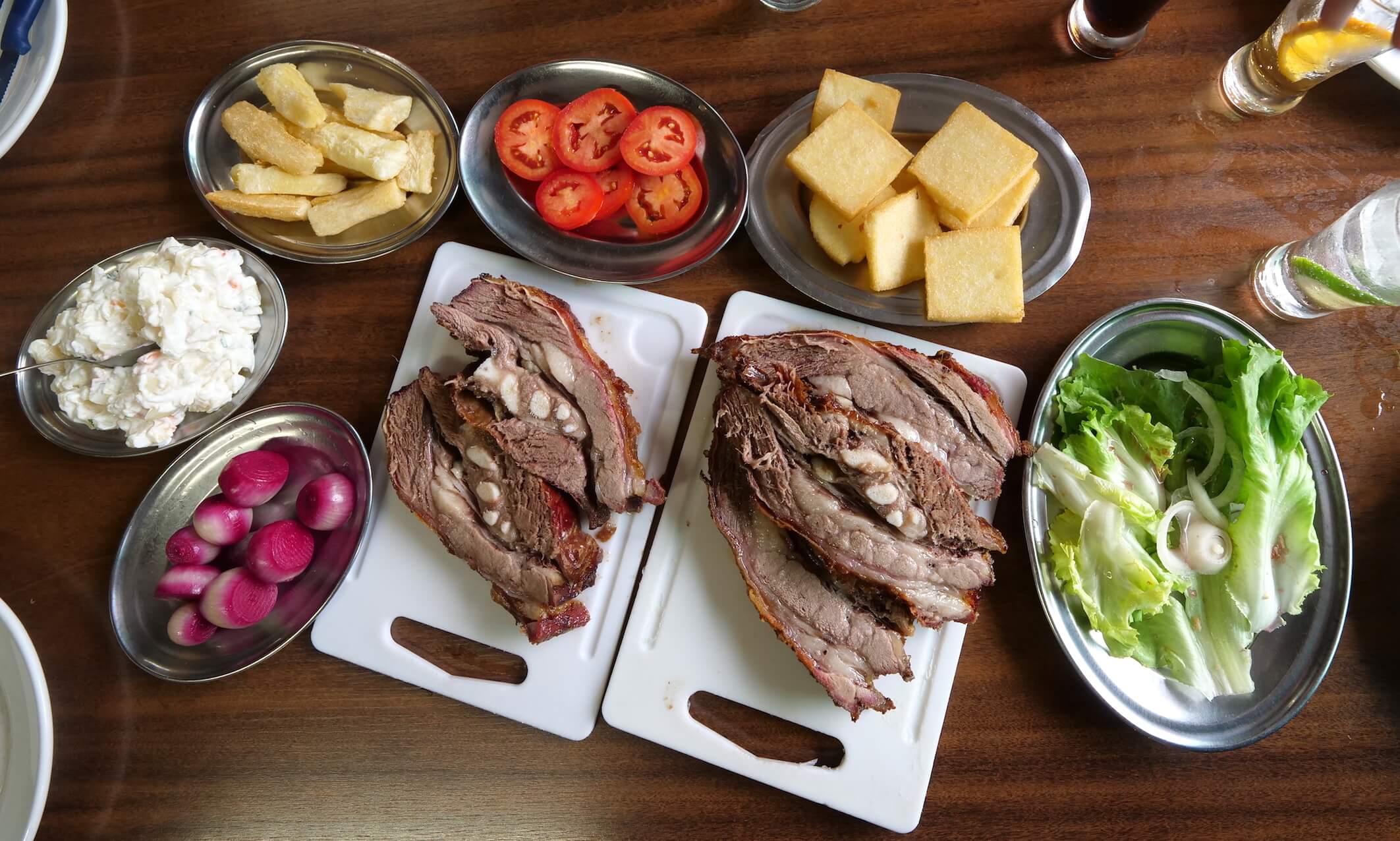
The cutting process itself is a central feature of the restaurant’s dining experience. Working alongside a vertical band saw, the veteran chef portions the meat into customized sections, typically weighing around one kilogram per plate, though diners retain the option to request smaller or larger cuts. This direct engagement between the master carver and the product underscores a hands-on approach that has remained unchanged throughout the restaurant’s multi-decade history.
Service Model and Accompaniments
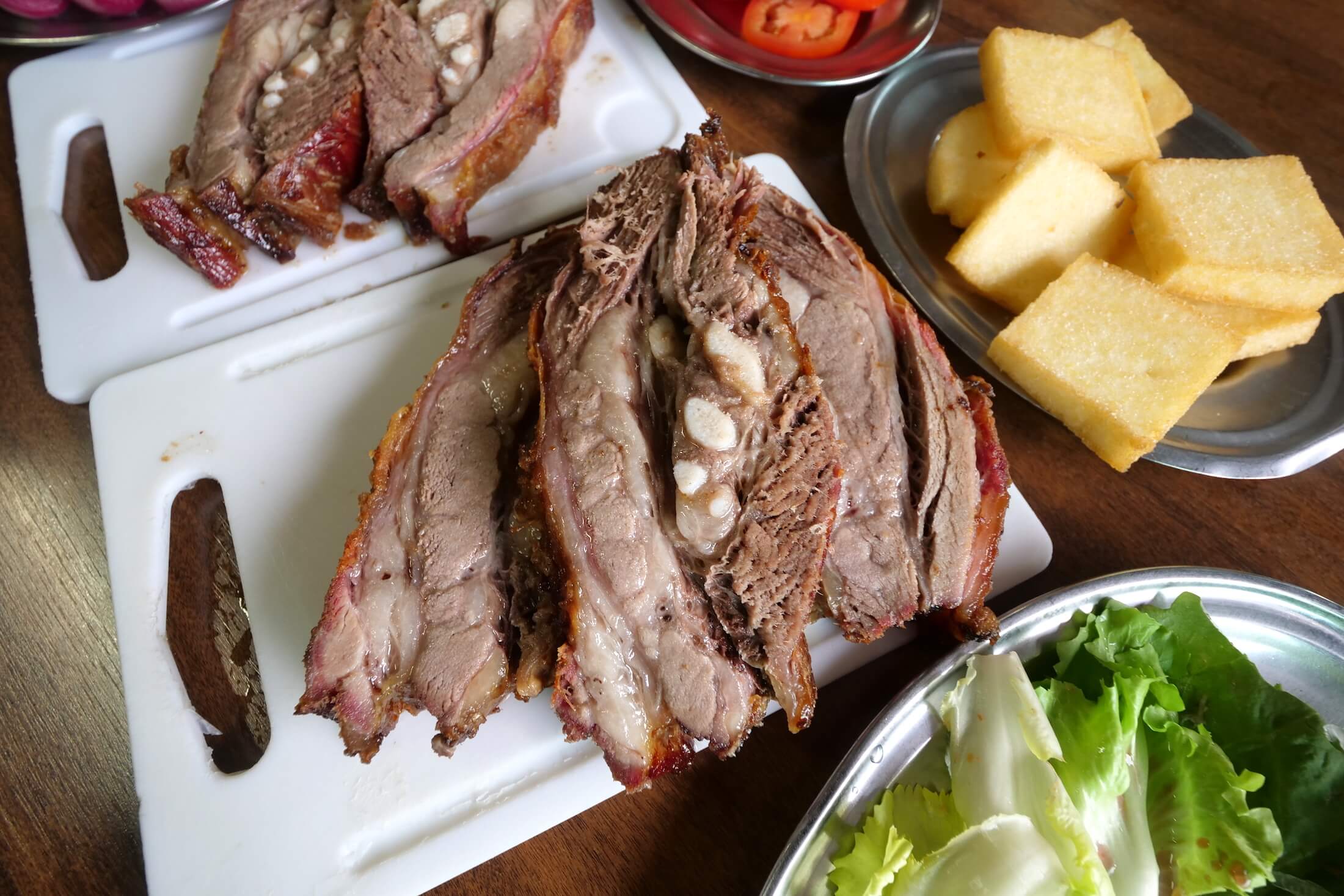
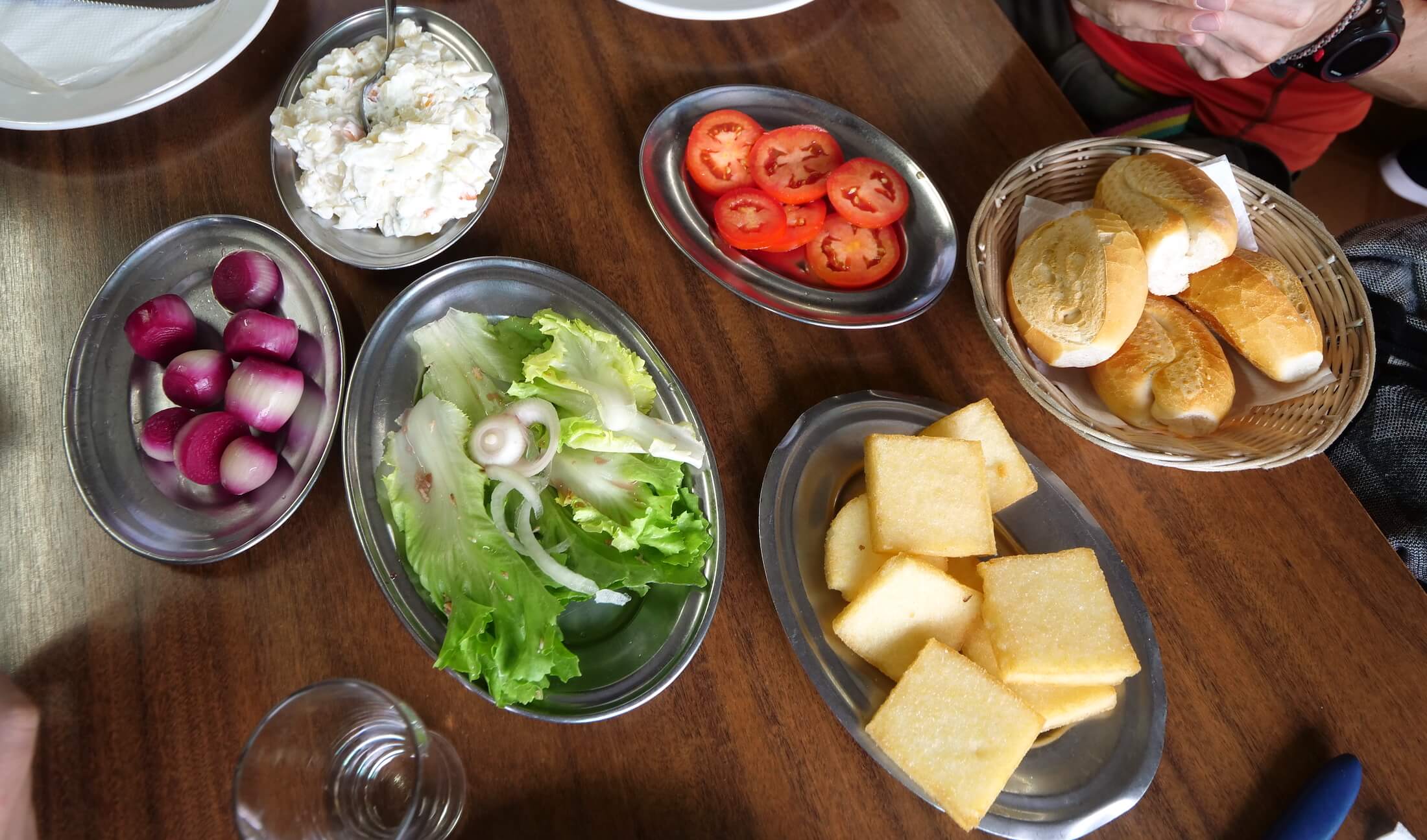
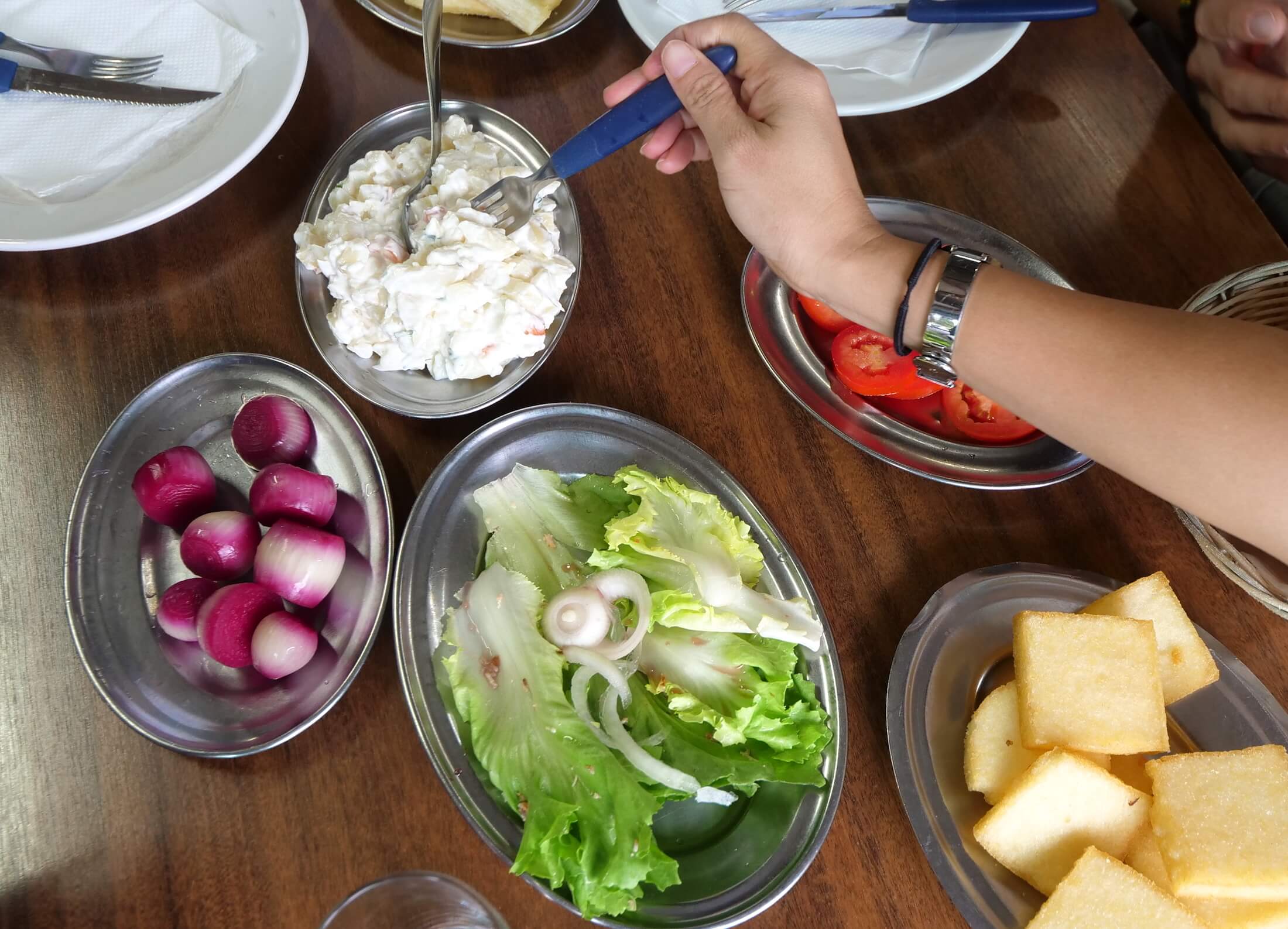
Costelão do Gaúcho employs a hybrid service model that combines elements of a la carte ordering with unlimited table-side replenishment of side dishes. While the primary cuts of beef ribs are priced by weight, the accompanying items are offered on a fixed per-head basis, allowing patrons to request endless refills of traditional side dishes without leaving their seats.
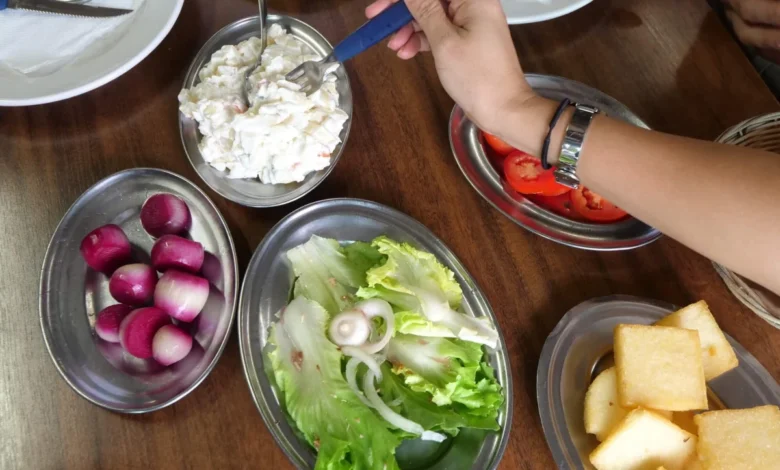
The menu of accompaniments reflects the agricultural staples of the region. Diners are served thick, crusty bread alongside vegetable plates dressed in sharp vinegar dressings, sliced beets, and a distinctive preparation of green and purple shallots that are lightly steamed and flash-fried to achieve a tender interior and crisp exterior. Starch options prominently feature deep-fried polenta sticks made from corn flour and golden manioc, a fibrous tuber native to the Americas that serves as a fundamental dietary staple.
Economic and Culinary Implications
The enduring success of establishments like Costelão do Gaúcho offers insight into the resilience of traditional foodways within Brazil’s modernizing urban centers. In an era dominated by high-volume, standardized rodizio chains, single-focus steakhouses that prioritize provenance, specialized equipment, and generational expertise continue to command significant cultural and economic value.
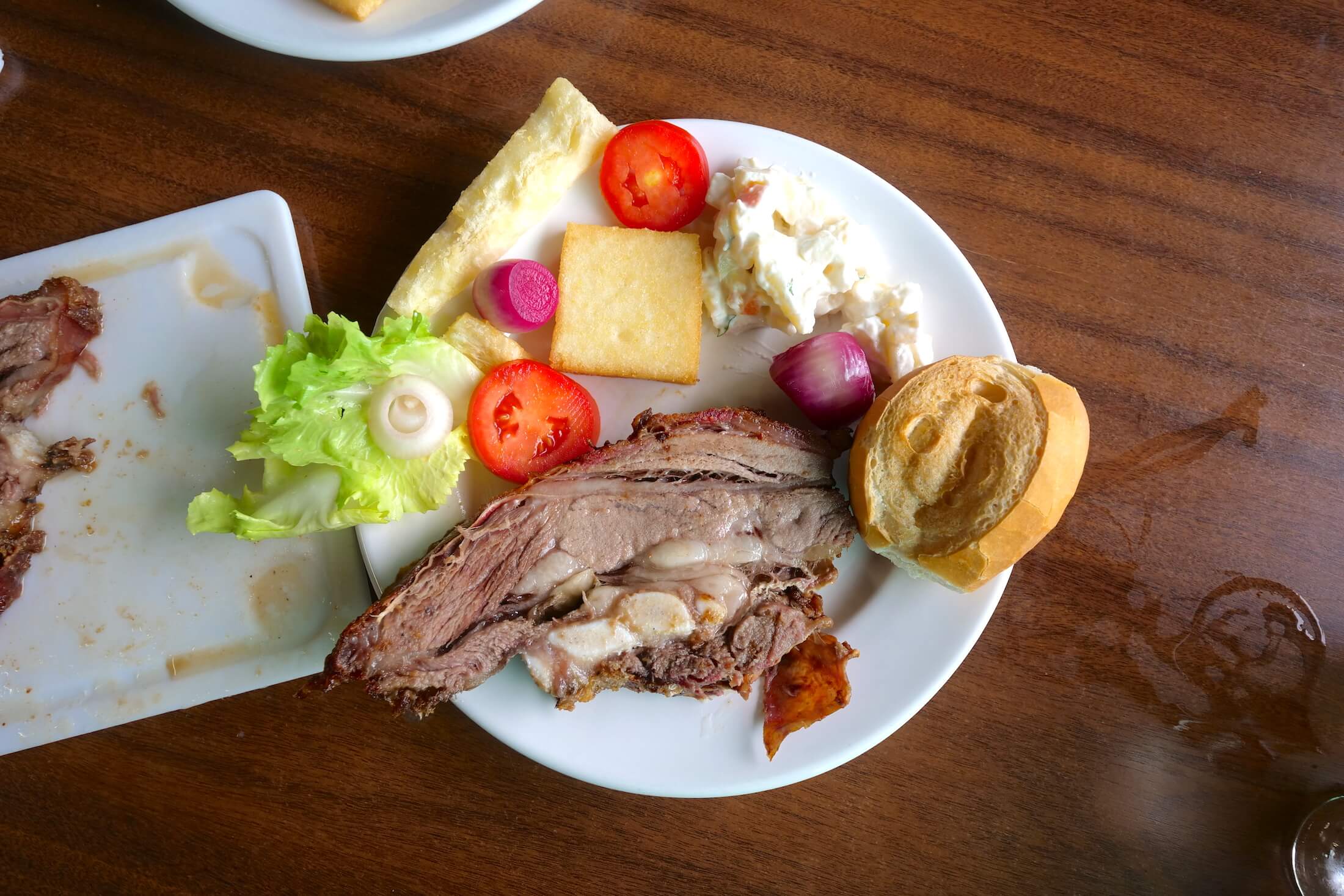
From an economic perspective, the restaurant operates on a transparent pricing structure: patrons are charged according to the exact weight of the beef selected at the cutting station, complemented by a modest flat fee for unlimited side dishes. This model ensures affordability while accommodating varying appetites, contributing to the restaurant’s broad demographic appeal among both local families and culinary tourists visiting Curitiba.
Visitor Information and Practical Considerations
Costelão do Gaúcho is located near downtown Curitiba, accessible via major thoroughfares and public transit routes. The establishment operates Monday through Saturday from 11:00 AM to 11:00 PM, and on Sundays from 11:00 AM to 4:00 PM. While the restaurant welcomes international visitors and media documentation, the staff maintains a localized, unpretentious focus centered primarily on kitchen operations and food quality, reflecting a long-standing commitment to substance over commercial promotion.