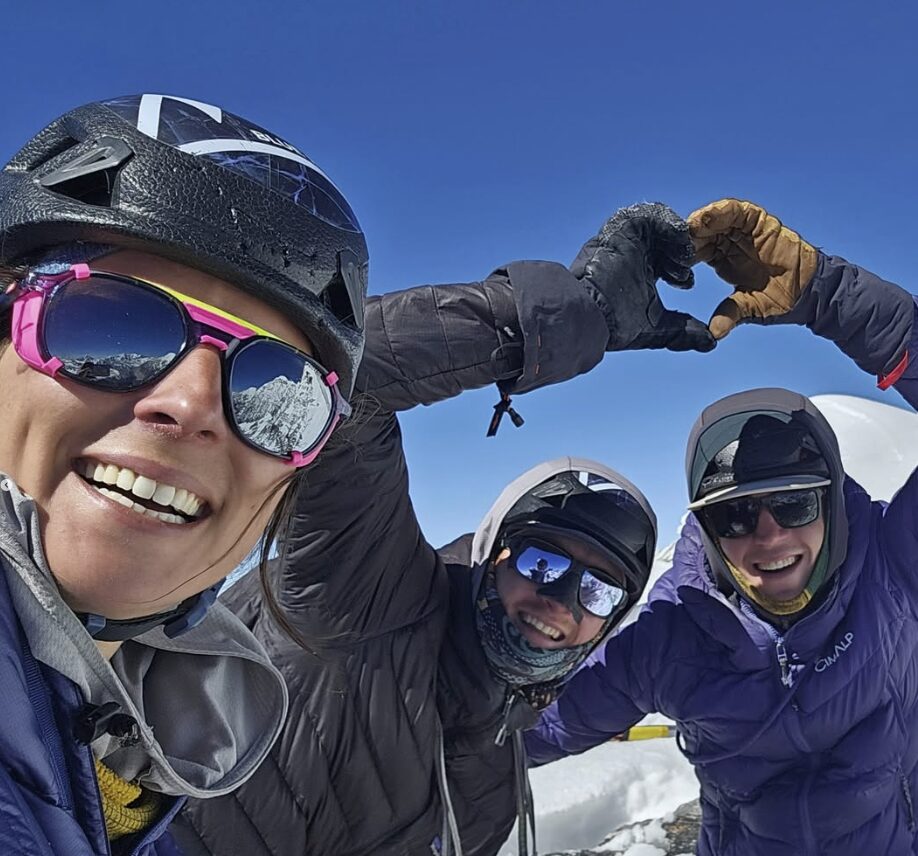
A quartet of French alpinists recently completed a highly productive expedition in Nepal’s remote Rolwaling Valley, a region increasingly recognized by the global mountaineering community as a premier destination for technical alpine-style climbing. The expedition, led by Eric Bazon, Pierre Girot, Sophie Jacob, and Kilian Moni, resulted in a series of significant ascents that underscore the evolving standards of young, independent mountaineering teams. Over the course of several weeks, the group navigated technical mixed terrain, established new lines on established peaks, and achieved a first ascent of a 5,205-meter spire, all while operating with minimal logistical support.
The Rolwaling Valley, located east of the Khumbu region and bordering the Tibetan plateau, has historically served as a training ground for climbers preparing for 8,000-meter peaks. However, in recent years, it has become a primary objective for those seeking "alpine-style" challenges—a minimalist approach that eschews fixed ropes, high-altitude porters, and supplemental oxygen. The success of this French team highlights the trend toward prioritizing technical difficulty and aesthetic, logical lines over the pursuit of summiting the highest possible elevation.
Expedition Chronology and Technical Execution
The team’s arrival in the Rolwaling Valley in October was marked by immediate adversity. Their primary objectives were found to be in poor condition due to shifting snow levels and regional weather patterns, and the group’s initial acclimatization phase proved more sluggish than anticipated. Rather than abandoning their plans, the team adopted a strategy of opportunity, focusing on previously unclimbed or under-climbed features visible from their base camp.
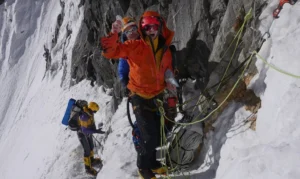
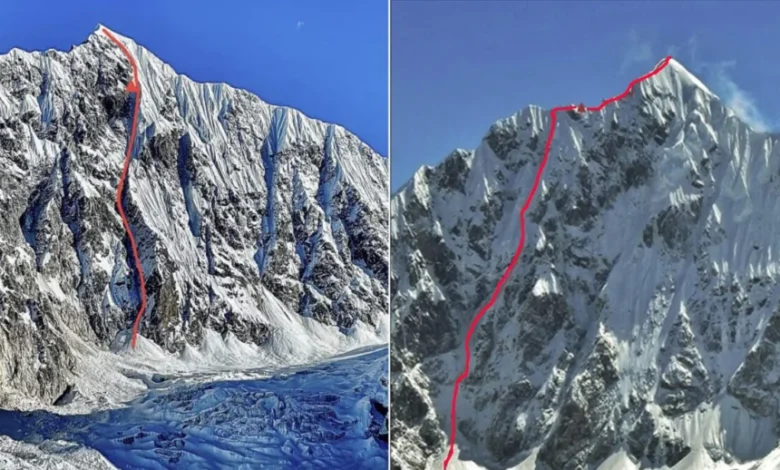
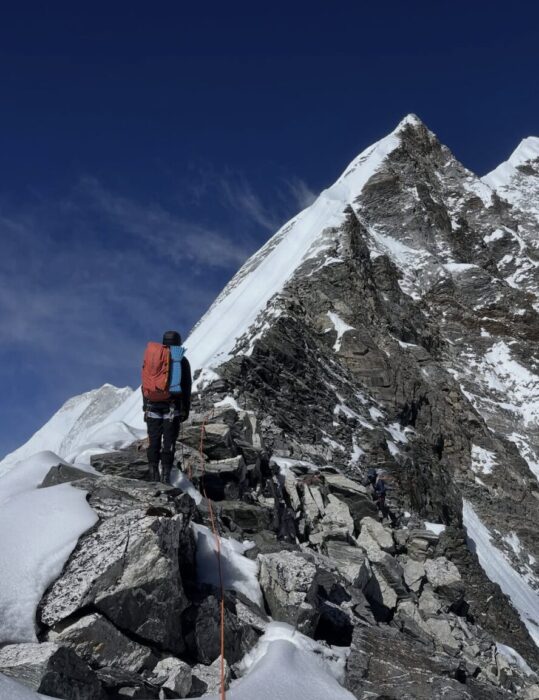
The first major undertaking involved the west summit of ChekiGo (6,128m). On October 20, Bazon, Jacob, and Girot initiated an ascent of a prominent ridge that had captured their attention from the valley floor. The climb was defined by high exposure and challenging rock quality. Over three days of sustained movement, the trio navigated a ridge characterized by "razor-sharp" features, requiring complex improvised protection. The climb, which involved sections of 5c rock and M4 mixed terrain, was graded TD (Très Difficile) on the French alpine scale. They successfully reached the summit and completed a grueling descent that required an additional day and a final high-altitude bivouac.
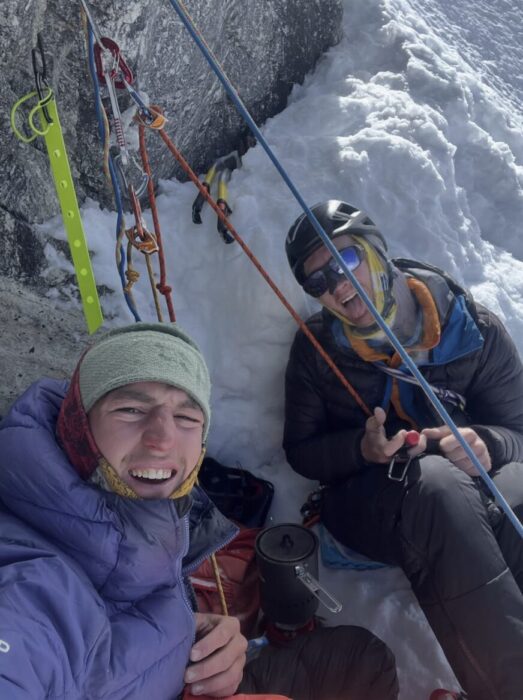
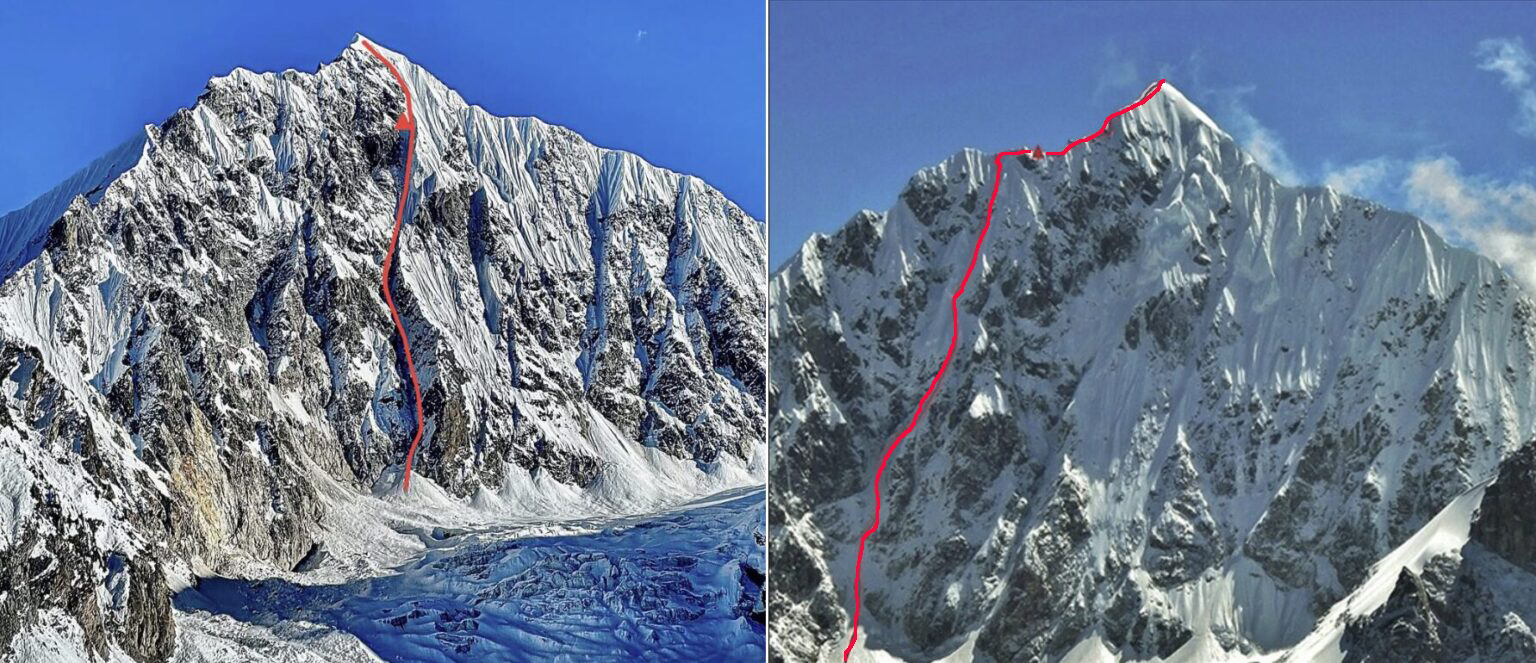
Following the success on ChekiGo, the team utilized a period of favorable weather to split their efforts. Bazon and Girot targeted the west face of Chukyima Go (6,259m). The mountain, which had seen previous attention from elite alpinists such as Domen Kastelic and Sam Hennessey in 2014, offered a compelling, direct line. Their new route, which they titled TchikitaMa Go, involved a 900-meter vertical ascent across 23 pitches. The ascent was completed between October 27 and 28, with the pair enduring a cold, exposed bivouac where they were forced to utilize their backpacks as makeshift insulation for their feet. The route, assessed at ED (Extremely Difficult), featured M6 mixed climbing and AI5 alpine ice grades, representing a significant technical achievement for the pair.
The First Ascent of Janjmu Peak
While the main team focused on the higher, more established massifs, Sophie Jacob and Kilian Moni dedicated their efforts to an unclimbed 5,205-meter peak situated directly in front of their base camp: Janjmu. The pair established a 600-meter line on the north face, which they named The Eternal Stars (Les etoiles eternelles). This name was chosen as a tribute to deceased friends, lending a personal, commemorative significance to the achievement.
The climbers described the experience as having a familiar atmosphere akin to the European Alps, yet amplified by the physiological stress of the high altitude. This climb served as a testament to the team’s ability to identify "logical" lines in complex, unclimbed terrain. Following this success, the pair performed an "active recovery" day by ascending Yalung Ri, a peak that offered the added logistical benefit of a paragliding descent, allowing them to return to the valley floor with speed and efficiency.
Contextualizing the Rolwaling Valley’s Mountaineering Significance
The achievements of the French team occur within the context of a broader shift in Himalayan mountaineering. For decades, the Rolwaling region was secondary to the neighboring Khumbu, where Everest and its surrounding satellites dominated the industry. However, the lack of commercial overcrowding in Rolwaling has made it an ideal laboratory for modern alpine-style exploration.
Historical records from the American Alpine Club and other mountaineering archives confirm that the Rolwaling Valley contains numerous "secondary" peaks—mountains between 5,000 and 6,500 meters—that remain largely untouched. The 2017 expedition by a Spanish team, led by Mikel Zabalza, which established a new line on the west face of ChekiGo, serves as a recent benchmark for the level of difficulty being pursued in the area. By adding their own technical lines, the French team has effectively contributed to the ongoing mapping of these complex granite and ice structures.
Implications for Modern Alpine-Style Climbing
The methodology employed by this team—hauling all gear, minimal support, and rapid transitions between objectives—mirrors the best practices of current international mountain exploration. The transition from technical ridge climbing on ChekiGo to high-grade mixed climbing on Chukyima Go and the first ascent of Janjmu illustrates a high level of physical conditioning and logistical adaptability.
From a safety and performance perspective, the reliance on self-sufficiency is a hallmark of the "fast and light" movement. By operating as a small, cohesive unit, the team was able to pivot when weather windows or route conditions became unfavorable. The use of "active recovery" and paragliding as a method of descent is not merely a novelty; it is an increasingly common tactic among elite mountaineers to mitigate the risks associated with long, technical descents after a strenuous climb.
Expert Perspectives and Future Outlook
While no formal peer review exists for these amateur expeditions, the community of alpine climbers often utilizes the American Alpine Journal and various mountaineering social platforms to verify and validate these achievements. The consensus among those familiar with the Rolwaling region is that the French team’s work—specifically the establishment of TchikitaMa Go—represents a high-water mark for technical difficulty in that sector.
The implications for the future of the region are clear: as the lower-hanging fruit of the Himalayan giants becomes more crowded, independent teams are increasingly likely to seek out these remote, mid-altitude spires. This shift preserves the integrity of the "adventure" aspect of mountaineering, where the uncertainty of the route and the lack of fixed infrastructure are central to the experience.
For the participants themselves, the trip was as much about professional development as it was about personal accomplishment. By navigating the complexities of the Naa Valley and the technical demands of 6,000-meter peaks, they have secured their place in the growing archive of Himalayan explorers who are redefining what it means to push the limits of human performance in the world’s most challenging environments. Their successful return, coupled with the detailed documentation of their routes, ensures that future teams will have a clearer understanding of the potential within the Rolwaling Valley, potentially sparking further interest in this often-overlooked corridor of the Himalayas.