Tragic Grizzly Bear Attack Claims Lives of Mother and Daughter on British Columbia Trail, Prompting Urgent Wildlife Response

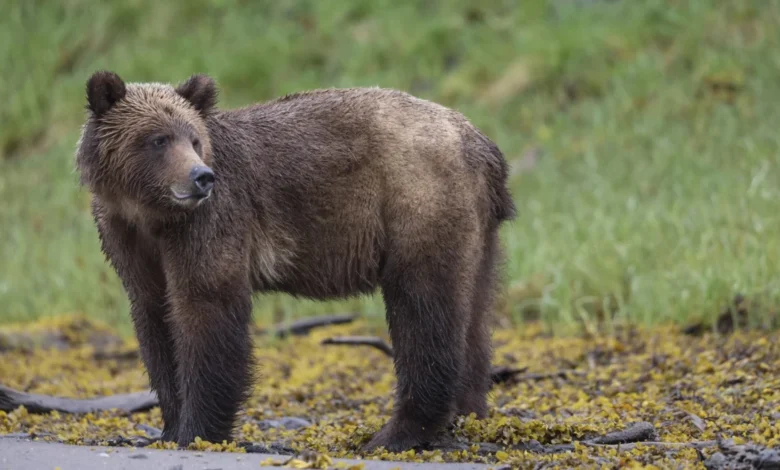
The rugged wilderness of British Columbia’s central coast has once again become the site of a devastating wildlife tragedy. Wildlife authorities and local emergency responders are actively working to capture a grizzly bear suspected of killing two hikers on Indigenous lands within the Bella Coola valley. The victims, identified as 48-year-old Jennifer Balcarras and her 20-year-old daughter, Selah Reed, lost their lives along the remote Snooka West Trail in an incident that has sent shockwaves through the province and reignited intense discussions regarding human-wildlife coexistence in bear country.
The fatal encounter marks the second major grizzly-related emergency in the same geographic region in a span of just twelve months, following a harrowing school group attack in late 2025. As conservation officers deploy traps and comb the dense landscape for forensic evidence, the community mourns the loss of two avid outdoors enthusiasts, and regional leaders call for renewed vigilance among residents and visitors traversing British Columbia’s backcountry.
Chronology of the Tragedy and Search Operations
The sequence of events began on Sunday, November 1, when family members reported Balcarras and Reed overdue from their hike. Concerns quickly mounted as local authorities initiated preliminary checks along popular paths and wilderness routes in the Bella Coola valley.
By the afternoon of Monday, November 2, search and rescue (SAR) operators, alongside local law enforcement, located the first set of human remains near the Snooka West Trail. Physical evidence discovered at the scene immediately pointed toward an animal attack, prompting investigators to urgently bring in specialists from the British Columbia Conservation Officer Service (BCCOS).
A high-stakes, multi-agency search ensued to locate the second hiker, who remained missing as darkness fell. The operation concluded late Tuesday night when search teams discovered the body of the second victim. Following positive identifications, provincial authorities and grief-stricken family members confirmed that both women had succumbed to injuries sustained during the suspected grizzly bear encounter. The victims’ remains have since been respectfully returned to their families, and the Snooka West Trail remains indefinitely closed to the public as fieldwork continues.
Investigation and Wildlife Management Protocols
The BCCOS has launched a comprehensive investigation to determine the exact circumstances of the attack and to identify the specific animal or animals responsible. According to BCCOS Investigator Jeff Tyre, officials cannot yet confirm whether a single bear or multiple animals were involved in the fatal incident.
“It is not yet clear whether more than one bear was involved,” Tyre stated in a briefing. “Any captured bear will be assessed. If it is determined to have been involved in the attack, it will be dispatched in accordance with provincial human-wildlife conflict response guidelines to protect public safety.”
Conservation officers have deployed specialized live traps throughout the area surrounding the trail. Any bears captured during these operations will undergo rigorous forensic evaluations. If DNA or other physical evidence links a captured animal to the attack, protocol dictates that the bear be euthanized to mitigate ongoing risks to the public. Conversely, if animals captured in the vicinity yield no forensic connection to the event, wildlife officials will evaluate whether relocation is a viable option, though the presence of predatory behavior typically necessitates lethal removal under provincial guidelines.
Echoes of the 2025 Bella Coola Incident
The timing of this tragedy has amplified anxieties across British Columbia, particularly because it occurs almost exactly one year after another unprecedented bear encounter in the exact same region.
On November 20, 2025, a grizzly bear charged a local school group taking a lunch break near Highway 20 in the Bella Coola valley. The attack left four individuals seriously injured—including three children—while seven others required immediate medical attention at the scene. Quick-thinking adults managed to beat back the aggressive animal using bear spray and a specialized noise-making device known as a bear banger, preventing what could have been an even greater loss of life.
The subsequent investigation into the 2025 incident was monumental in scale. Over a two-week period, 24 conservation officers executed an extensive sweep of the area, capturing eight adult and juvenile grizzly bears for forensic testing. In an extraordinary display of logistical coordination, officers drove 14 hours overnight to hand-deliver biological samples to the Alberta Wildlife Forensic Laboratory for analysis. Despite these exhaustive efforts, none of the eight captured bears could be definitively linked to the school group attack through DNA evidence. Ultimately, those eight animals were fitted with tracking collars and safely relocated away from populated zones.
Reflecting on the rarity of that event, BCCOS officer Kevin Van Damme noted at the time: “In my 34 years of experience, I have not seen an attack like this with a large group of people. So this is extremely rare and I think the public needs to understand that part.”
First Nations and Community Response
The remote Bella Coola valley is deeply tied to the traditional territories of the Nuxalk Nation, whose members have coexisted with apex predators like grizzly bears for millennia. In the wake of the latest tragedy, tribal authorities have stepped forward to offer solidarity, cultural support, and grief counseling to those affected.
Samuel Schooner, the elected Chief of the Nuxalk Nation, released a heartfelt statement emphasizing the profound emotional toll the incident has inflicted. Schooner noted that the tribal community understands firsthand the deep trauma such an event causes, acknowledging both the grieving family members of Balcarras and Reed and the ongoing psychological recovery of survivors from the 2025 school group attack.
Local Indigenous leaders and municipal officials are working in tandem with provincial agencies to manage public communications, secure trailheads, and ensure that traditional land users are kept informed of active safety hazards.
Broader Ecological and Safety Implications
Wildlife biologists and conservation scientists point out that late-autumn encounters carry unique dynamics. As winter approaches, grizzly bears enter a physiological phase known as hyperphagia—a period of extreme, compulsive feeding driven by the biological imperative to accumulate sufficient fat reserves prior to denning. During hyperphagia, bears expend significant energy foraging for high-calorie food sources, which can occasionally bring them into closer proximity to human travel corridors, salmon streams, and residential peripheries.
Typically, grizzly bears in coastal British Columbia begin transitioning into dens by December, leading to a natural decline in active sightings. However, shifting climatic patterns, fluctuating food availability, and increased overlapping of recreational backcountry use with prime wildlife habitat continue to challenge traditional wildlife management paradigms.
Safety experts emphasize that while fatal grizzly attacks remain statistically rare, recreating in prime bear territory requires strict adherence to preventative protocols. These measures include traveling in groups, making sufficient noise on trails, carrying EPA-approved bear spray in an easily accessible location, securing all attractants, and maintaining situational awareness—particularly during seasonal windows when bears are actively foraging to prepare for hibernation.
As field operations in Bella Coola continue, BCCOS has urged members of the public to respect all area closures and report any aggressive or unusual wildlife behavior immediately. Further updates from the conservation service are expected as the ongoing trapping and forensic analysis phases progress.
Related posts: