Navigating natural disaster alerts in a foreign country requires a balance of situational awareness, rapid response, and adherence to local protocols. For international travelers visiting seismically active regions such as Japan, receiving an emergency earthquake or tsunami warning is a distinct possibility. Japan maintains one of the most sophisticated and robust disaster early-warning infrastructures in the world, combining cutting-edge seismic detection networks with deeply ingrained public preparedness. Understanding how these systems operate and knowing the precise steps to take before, during, and after an event is critical for ensuring personal safety.
Geological Context and Seismological Background
Japan is situated along the Pacific Ring of Fire, an extensive arc of seismic instability characterized by frequent earthquakes and volcanic activity. The region’s geography is shaped by the convergence of several tectonic plates, including the Pacific, Philippine Sea, Eurasian, and North American plates. The immense friction and pressure generated by the continuous movement of these plates frequently result in sudden releases of energy, manifesting as earthquakes. When these seismic events occur offshore and displace massive volumes of ocean water, they can trigger tsunamis—destructive series of waves capable of traveling vast distances across the ocean at high speeds.
Despite the inherent geological risks, Japan has transformed its vulnerability into a masterclass in disaster resilience. Following historical catastrophic events, such as the 1995 Great Hanshin Earthquake and the 2011 Great East Japan Earthquake, the country heavily invested in structural engineering, early-warning technology, and public education. Modern buildings in Japan are constructed using advanced seismic-isolation and dampening technologies designed to absorb and dissipate tectonic energy, allowing structures to sway safely rather than collapse.
Chronology of an Emergency Alert System
Japan’s early-warning capabilities rely on the Earthquake Early Warning (EEW) system, operated by the Japan Meteorological Agency (JMA). Understanding the timeline of how an alert is triggered and delivered can mean the difference between safety and injury.
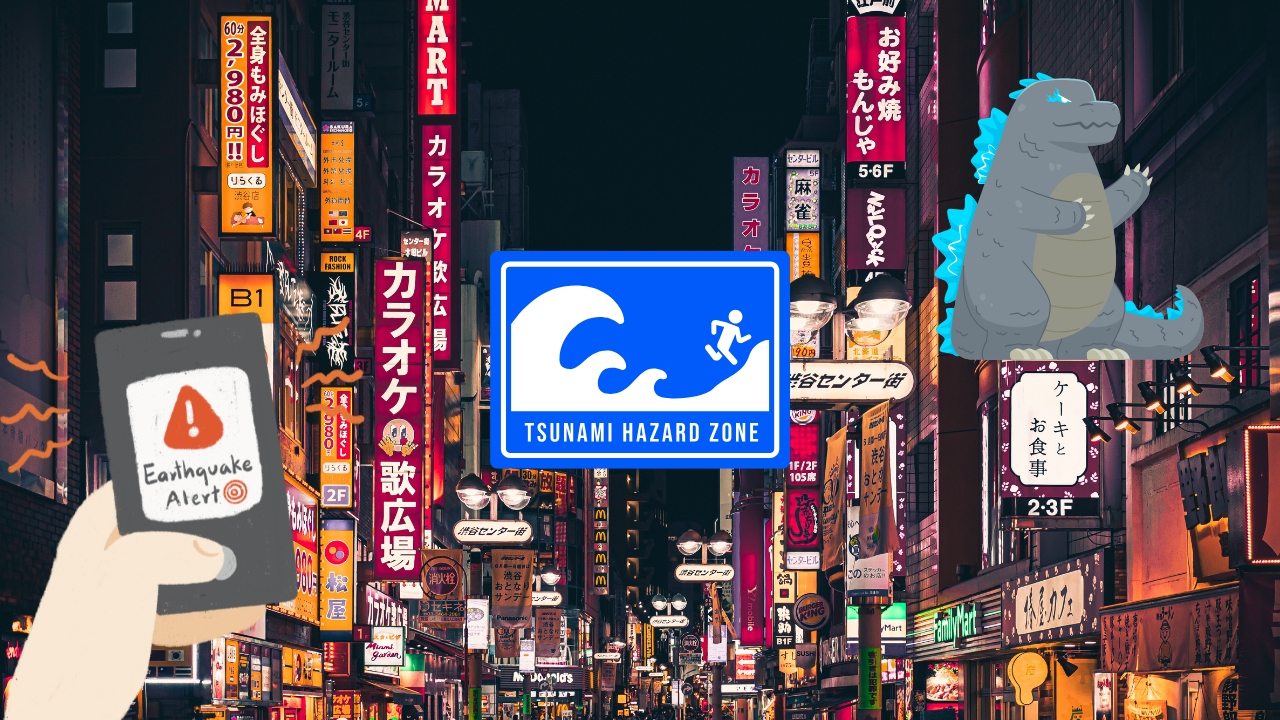
Seconds Before Shaking: When primary seismic waves (P-waves)—which travel faster but cause less damage—are detected by a network of seismographs across the country, the JMA immediately calculates the epicenter and magnitude. Automated alerts are pushed out via television, radio, and mobile networks seconds before the destructive secondary waves (S-waves) arrive.
During the Event: Mobile devices equipped with local alert capabilities will emit a distinct, high-pitched alarm sound, accompanied by pop-up instructions in Japanese and, increasingly, in English. Travelers have a window ranging from a few seconds to half a minute, depending on their distance from the epicenter, to take immediate protective action.
Post-Event Phase: Once the shaking subsides, local authorities activate monitoring networks to assess potential secondary hazards, particularly tsunami threats along coastal zones. Official broadcasts and municipal loudspeaker systems provide real-time evacuation orders and safety updates.
Official Protocols and Actionable Safety Guidelines
The Japan Tourism Agency, alongside municipal emergency services, provides standardized safety guidelines for international visitors caught in a seismic event or tsunami warning.
Protocol During an Earthquake Indoors:
Travelers inside hotels, shops, or transit hubs should immediately protect themselves by dropping to the hands and knees, covering their head and neck, and holding on to sturdy furniture, such as a heavy desk or table, until the shaking stops. Elevators should be avoided; if an individual is inside an elevator when an alert sounds, they should press buttons for all floors and exit immediately at the first safe stop.
Protocol During an Earthquake Outdoors:
Individuals caught on the street should move away from glass facades, brick walls, vending machines, and power lines. Seeking open areas such as parks, wide plazas, or athletic fields minimizes the risk of falling debris.
Protocol During a Tsunami Warning:
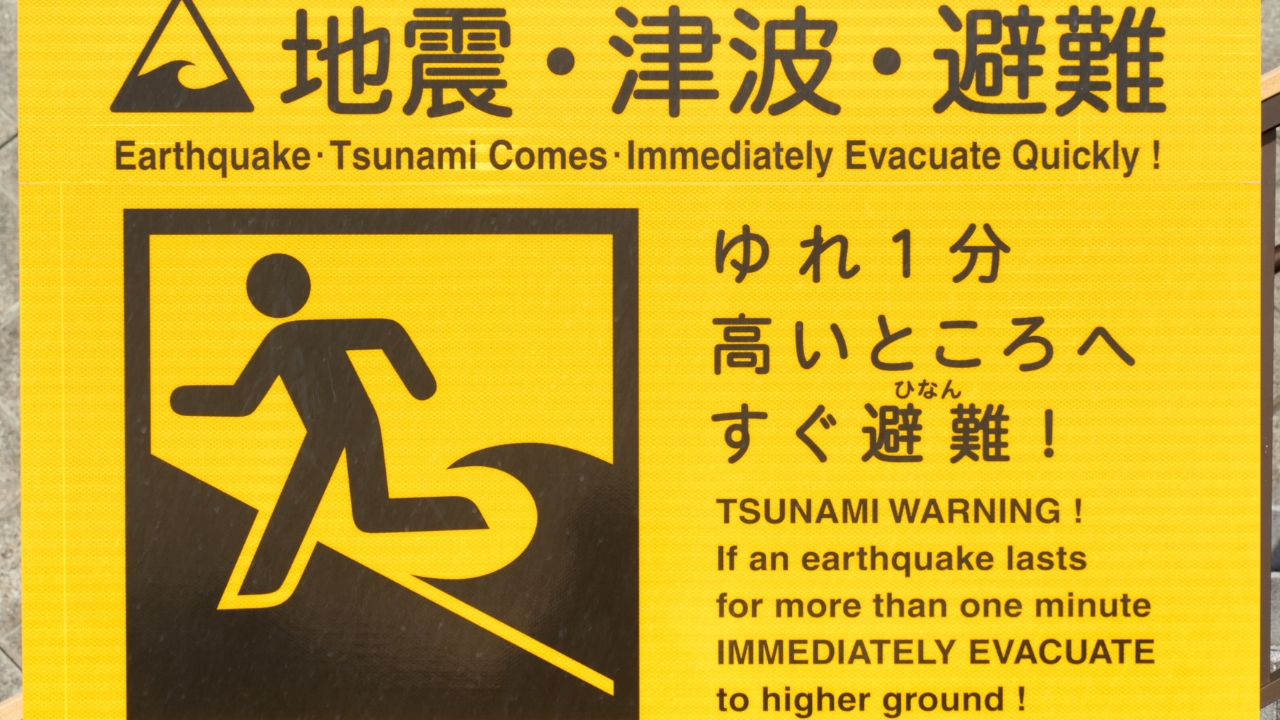
Coastal areas carry specific risks that require immediate vertical or horizontal evacuation. When a tsunami warning is issued, beachgoers and residents in low-lying coastal zones must disregard normal routines and move immediately to designated evacuation buildings, high-ground terrain, or inland locations marked by official blue and yellow tsunami evacuation signage. A sudden recession of coastal water—often described as the ocean pulling away from the shore—serves as a natural warning sign of an incoming tsunami wave, necessitating immediate flight to higher ground without waiting for official instruction.
Technological Preparedness and Pre-Trip Planning
Mitigating risk begins long before arriving at a destination. International travelers visiting Japan are strongly encouraged to download official digital resources designed to bridge the language barrier during crises.
The "Safety tips" application, developed under the supervision of the Japan Tourism Agency, is a vital tool for foreign visitors. The app delivers real-time Earthquake Early Warnings, Tsunami Warnings, Eruption Notices, and Civil Protection information in English, Spanish, Chinese, Korean, and ten other languages. Additionally, travelers should familiarize themselves with offline maps, identify emergency exits within their accommodations, and note the locations of designated neighborhood assembly points.
Broader Socio-Economic Implications and Traveler Resilience
The frequency of natural disasters in regions like Japan influences not only emergency management protocols but also tourism logistics, infrastructure financing, and international travel insurance markets. Tourism authorities continuously update safety brochures, multilingual signage, and hotel evacuation drills to ensure that millions of annual international visitors can navigate emergencies seamlessly alongside local residents.
While the prospect of experiencing an earthquake or tsunami warning can induce anxiety, statistical data indicates that the vast majority of visitors encounter minor, non-structural tremors that cause no injury or major disruption. By respecting local safety infrastructure, maintaining situational awareness, and utilizing official technological resources, travelers can explore seismically active destinations with confidence, ensuring that preparedness remains the strongest safeguard against the unpredictability of nature.