The traditional concept of a "babymoon"—a final, romantic getaway for a couple before the arrival of their first child—has undergone a significant transformation. As modern family dynamics evolve, a new travel trend has emerged: the second babymoon. Unlike the first, which often prioritizes spontaneous adventure and adult-centric relaxation, the second babymoon is defined by the logistical complexities of traveling while pregnant with a toddler in tow. This shift reflects a growing desire among parents to cement the existing family bond before the arrival of a second child necessitates a complete recalibration of household dynamics.

The Shift in Travel Paradigms
For most expectant parents, the first pregnancy represents a period of relative freedom. Statistics from travel industry reports indicate that during a first pregnancy, couples are 40% more likely to choose international destinations, adventure-based activities, and high-intensity sightseeing compared to their second pregnancy. The primary goal is often to maximize "couple time" before the seismic shift of first-time parenthood.
However, the second babymoon is rooted in a different psychological and logistical reality. Parents are no longer just preparing for a baby; they are preparing for a transition in sibling dynamics. Recent psychological studies on family transitions suggest that the "toddler-to-sibling" phase is one of the most demanding periods for a young family. Consequently, the second babymoon has evolved into a strategic intervention to maintain stability, offer the firstborn focused attention, and allow the parents to recalibrate their own energy levels before the household grows.

Chronology of a Changing Itinerary
The approach to these two distinct trips often follows a divergent timeline. In a first pregnancy, the travel window typically occurs between the 14th and 28th weeks, a period known as the "golden window" where energy levels are stable and the physical burden of pregnancy is manageable. The itinerary is usually packed with activity, from hiking and city tours to long-distance flights.
Conversely, the second babymoon itinerary is characterized by a "low-impact" philosophy. Data from family travel experts suggest that 70% of parents planning a second babymoon now prioritize proximity over prestige. Travel days are kept to a minimum, with a focus on "single-destination" trips, such as all-inclusive resorts or localized cottage rentals. The schedule is structured not around sightseeing, but around the non-negotiable biological needs of the toddler: nap times, consistent meal schedules, and early bedtimes.

Supporting Data and Logistical Realities
The logistics of traveling with a toddler while pregnant present unique challenges that did not exist during the first pregnancy. According to pediatric health experts, the primary considerations for such travel include:
- Physical Limitations: The second pregnancy often presents with higher rates of fatigue and back pain earlier in the gestation period than the first. Travel arrangements must account for frequent breaks, ergonomic seating, and accessible medical facilities.
- Equipment Management: Unlike the "carry-on only" ease of a first babymoon, a second trip requires extensive gear—strollers, travel cribs, and specialized snacks—which necessitates a shift toward car-based travel or resorts that provide child-friendly amenities.
- Medical Preparedness: The American College of Obstetricians and Gynecologists (ACOG) emphasizes that while air travel is generally safe until 36 weeks, the presence of a toddler increases the risk of exposure to common childhood illnesses, which can be more severe for an immunocompromised pregnant parent.
Strategic Planning for the Second Babymoon
To successfully execute a second babymoon, travel consultants and seasoned parents emphasize a shift from "impressive" to "manageable." This involves a calculated selection process for accommodations. Modern industry trends show a 25% increase in bookings for "family-suite" style accommodations, which offer a separate sleeping space for the toddler. This separation is crucial, as it allows parents to maintain an adult evening routine after the child has been put to bed, providing a semblance of the traditional babymoon experience.

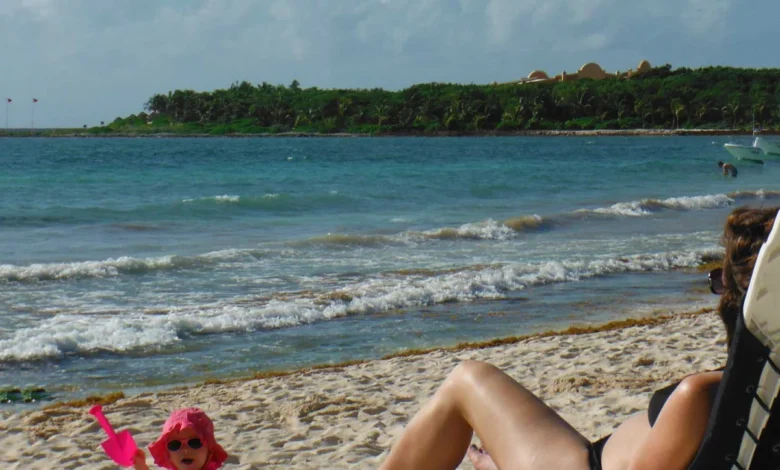
Furthermore, the "one-activity-per-day" rule has become the gold standard for these trips. By limiting the itinerary to a single, low-stress activity—such as a morning at the beach or a visit to a local park—parents avoid the burnout associated with over-scheduling. This approach also mitigates the risk of toddler meltdowns, which are statistically more likely when a child is removed from their home routine for more than 48 hours.
The Impact of Sibling Bonding
The broader implication of the second babymoon is the psychological benefit to the firstborn. Child development specialists note that a dedicated, stress-free period of travel can act as a "secure base" for a toddler. By engaging in simple, bonding-heavy activities—swimming, reading, or exploring nature together—parents can mitigate the anxiety that often accompanies the impending arrival of a new sibling. This trip serves as a "farewell" to life as a family of three, an acknowledgment of the current structure before the inevitable changes of a second birth.

Expert Perspectives on Family Travel
Industry experts at major family travel portals observe that the "Second Babymoon" is no longer a niche activity but a growing sub-sector of the tourism market. Resorts are responding by offering more comprehensive "baby-proofing" services and on-site childcare options that cater specifically to the under-three age group.
"The goal is not to replicate the first experience," says one travel consultant specializing in family logistics. "The goal is to create a transition period that feels rewarding rather than exhausting. When parents accept that the trip will be different, they find that the joy of seeing their toddler experience a new environment outweighs the loss of the ‘adventurous’ aspects of their previous travels."

Broader Implications for Parenting
The rise of the second babymoon is part of a larger, systemic shift in how families approach work-life balance and leisure. As millennials and Gen Z parents continue to prioritize experiential travel, they are finding ways to adapt their lifestyles to their children, rather than putting their interests on hold.
However, this comes with a cautionary note. Public health officials and family counselors remind parents that the primary goal of the trip should remain health and safety. The pressure to make these trips "perfect" or "Instagrammable" can sometimes backfire, creating stress that negates the benefits of the vacation. The most successful second babymoons are those where the parents maintain flexibility, keeping expectations low and prioritizing the emotional well-being of the entire unit over specific travel goals.

Conclusion: Redefining Success
Ultimately, the second babymoon represents a mature approach to family travel. It is a recognition that life is a series of chapters, and each requires a different set of tools and expectations. While the first babymoon was a celebration of the past and the excitement of the unknown, the second babymoon is a grounding exercise in the present. It acknowledges the chaos, the fatigue, and the immense responsibility of parenting a toddler while growing a new life.
By choosing destinations that cater to simplicity and by focusing on the small, shared moments of discovery with their first child, parents are finding that the second babymoon is not a watered-down version of the first, but a meaningful, necessary, and uniquely rewarding experience in its own right. As the family prepares for the arrival of the next member, these trips provide a final, quiet pause—a chance to look at the family they have built, and to feel ready for the one they are about to become.