Clinique La Prairie Brings Its Century-Old Swiss Longevity Expertise to the Lush Landscapes of Phuket

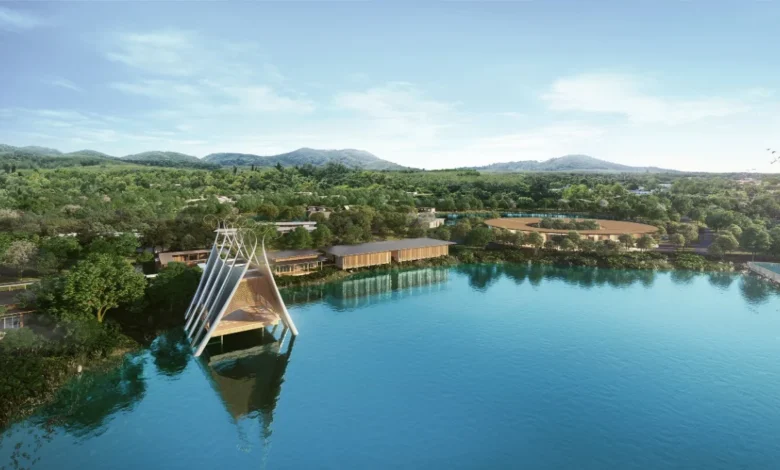
The global wellness industry has reached a transformative milestone as Clinique La Prairie, the venerable Swiss institution renowned for nearly a century of pioneering medical and wellness practices, officially expands into Southeast Asia. This month, the brand marks a historic chapter in its international growth strategy with the opening of a flagship health resort in Phuket, Thailand. Situated within the serene, forest-ensconced wellness community of Tri Vananda, the facility represents a strategic alignment between European clinical precision and the growing demand for sophisticated longevity tourism in the Asian market.
A Century of Clinical Evolution
Founded in 1931, Clinique La Prairie initially gained international acclaim in Montreux, Switzerland, for its development of revitalizing cellular therapies. Over the subsequent nine decades, the institution evolved from a boutique clinic into a global leader in longevity science, emphasizing a multidisciplinary approach that blends preventive medicine, nutrition, movement, and wellbeing.
The decision to establish a permanent presence in Phuket is not merely a geographic expansion; it is a calculated entry into the world’s second-largest wellness market. By transplanting its signature "Longevity Method"—a five-pillar framework consisting of assessment, understanding, personalization, intervention, and continuous monitoring—to the Thai landscape, the clinic aims to provide a seamless continuity of care for an increasingly mobile, health-conscious global elite.
The Longevity Method: A Scientific Framework
At the core of the Phuket experience is the Longevity Master Assessment, a diagnostic process that serves as the foundation for every guest’s journey. The assessment involves a comprehensive analysis of over 300 biomarkers. This granular data allows the clinic’s team of specialists—ranging from cardiologists and neurologists to immunologists and endocrinologists—to architect bespoke treatment plans.

The resort offers four signature programs, each designed as a minimum six-night, seven-day immersion. The flagship "Reverse Ageing" program, starting at approximately $39,000, is tailored for individuals seeking to fortify their immune systems while mitigating both internal and external biological markers of aging. For those focusing on physiological optimization, the "Essence of Vitality" (priced at roughly $30,200) targets energy production and metabolic recovery.
The "Master Detox" program, positioned at a $25,600 price point, focuses on systemic inflammation and the elimination of environmental toxins. Finally, the "Life Reset" program, offered at $18,000, provides a specialized intervention for chronic stress, aiming to rebalance the autonomic nervous system. For guests with limited time, the clinic offers condensed three-night options, such as the "Discover Longevity" and "Health Diagnostic" packages, which provide a high-level overview of an individual’s health status and an introduction to the clinic’s methodology.
Infrastructure and Architectural Integration
The resort’s physical footprint is designed to reflect the therapeutic nature of its programs. Comprising 40 private pool villas, the property emphasizes seclusion and connection to the natural environment. Accommodations range from the 1,300-square-foot Signature Villas to the expansive 4,300-square-foot Royal Villa, all of which offer views of the surrounding mountains and lakes.
The facility’s infrastructure is as much a part of the treatment as the medical consultations. Guests have access to a 164-foot swimming pool, a state-of-the-art Technogym fitness center, and the proprietary La Prairie Spa. Furthermore, the onsite restaurant, Seeds, operates on the principles of longevity nutrition, ensuring that the culinary experience is an extension of the medical intervention rather than a deviation from it.
Market Context and Economic Significance
The arrival of Clinique La Prairie in Thailand arrives at a pivotal moment for the global health economy. According to the Global Wellness Institute’s 2025 Global Wellness Economy Monitor, the industry reached a valuation of $6.8 trillion in 2024. Projections indicate this figure will climb to $9.8 trillion by 2029, driven largely by an aging global population and a paradigm shift toward proactive health management.

Asia serves as a vital engine for this growth. The region’s wellness economy is currently valued at $2 trillion, with Thailand standing out as a premier destination for medical tourism. In 2024 alone, Thailand’s wellness sector generated $42.7 billion. By anchoring itself in Phuket, Clinique La Prairie is capitalizing on Thailand’s established reputation for hospitality and its burgeoning infrastructure for high-end medical tourism.
Leadership Perspectives
Simone Gibertoni, Group CEO of Clinique La Prairie, characterized the expansion as a fundamental shift in the brand’s mission. "Clinique La Prairie Phuket marks a defining step in our international expansion and in our mission to bring world-class longevity medicine globally," Gibertoni stated in a recent press briefing. "Set within the extraordinary natural landscape of Tri Vananda, this Health Resort brings together advanced diagnostics, personalized medical programs, and the full depth of our Longevity Method, offering guests in Southeast Asia the same standard of scientific excellence and transformative care that has defined Clinique La Prairie for nearly a century."
Implications for the Future of Wellness Tourism
The entry of a legacy Swiss brand into the Thai market signals a maturation of the luxury wellness sector. Historically, medical spas were segmented into either clinical, sterile environments or purely recreational, pampering-focused retreats. The new Phuket resort attempts to bridge this divide, offering a high-touch, clinical-grade medical intervention within a luxury resort context.
This model has significant implications for the future of travel. As "longevity tourism" grows, the expectation from high-net-worth individuals is shifting from passive relaxation to active health optimization. Guests are increasingly seeking returns on investment regarding their personal health, demanding quantitative data on their biological age and systemic performance.
Furthermore, the integration of such a facility within the Tri Vananda community suggests a move toward "wellness-integrated living." By creating a destination that is not only a place to visit but a community to inhabit, developers are tapping into the desire for long-term lifestyle support rather than sporadic, one-off treatments.

Analytical Outlook
The success of this venture will likely depend on the brand’s ability to maintain the stringent Swiss medical standards that have served as its hallmark for nearly 100 years. Operating in a tropical climate presents logistical challenges—from the management of highly sensitive medical equipment to the maintenance of the facility’s sophisticated, nutrition-focused supply chain. However, the strategic partnership with the Tri Vananda development suggests a long-term commitment to infrastructure that is designed to mitigate these challenges.
As the industry moves toward 2029, the competition in the luxury longevity space is expected to intensify. With other global brands likely to follow suit, Thailand’s ability to host such high-level medical institutions will solidify its position as the premier hub for wellness in the Eastern Hemisphere. For the discerning traveler, the arrival of Clinique La Prairie in Phuket is more than just a new destination—it is a clear indicator that the future of the luxury travel sector is inextricably linked to the science of human longevity. The ability to combine world-class medical diagnostic capabilities with the restorative powers of a tranquil, natural environment positions this new resort as a significant benchmark for future wellness developments globally.
Related posts: