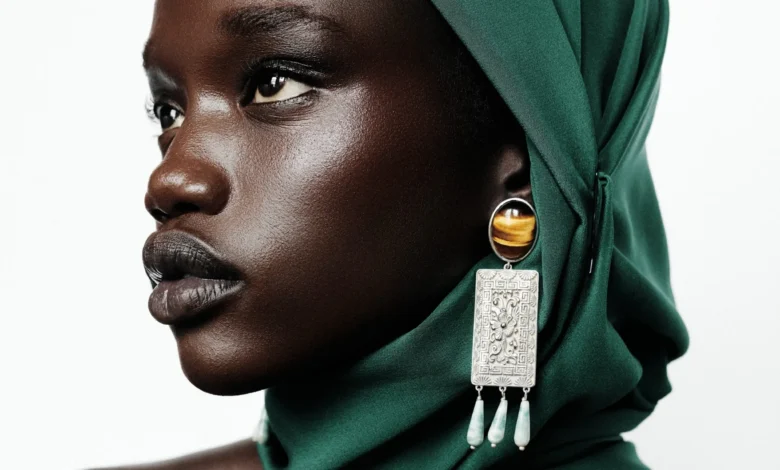
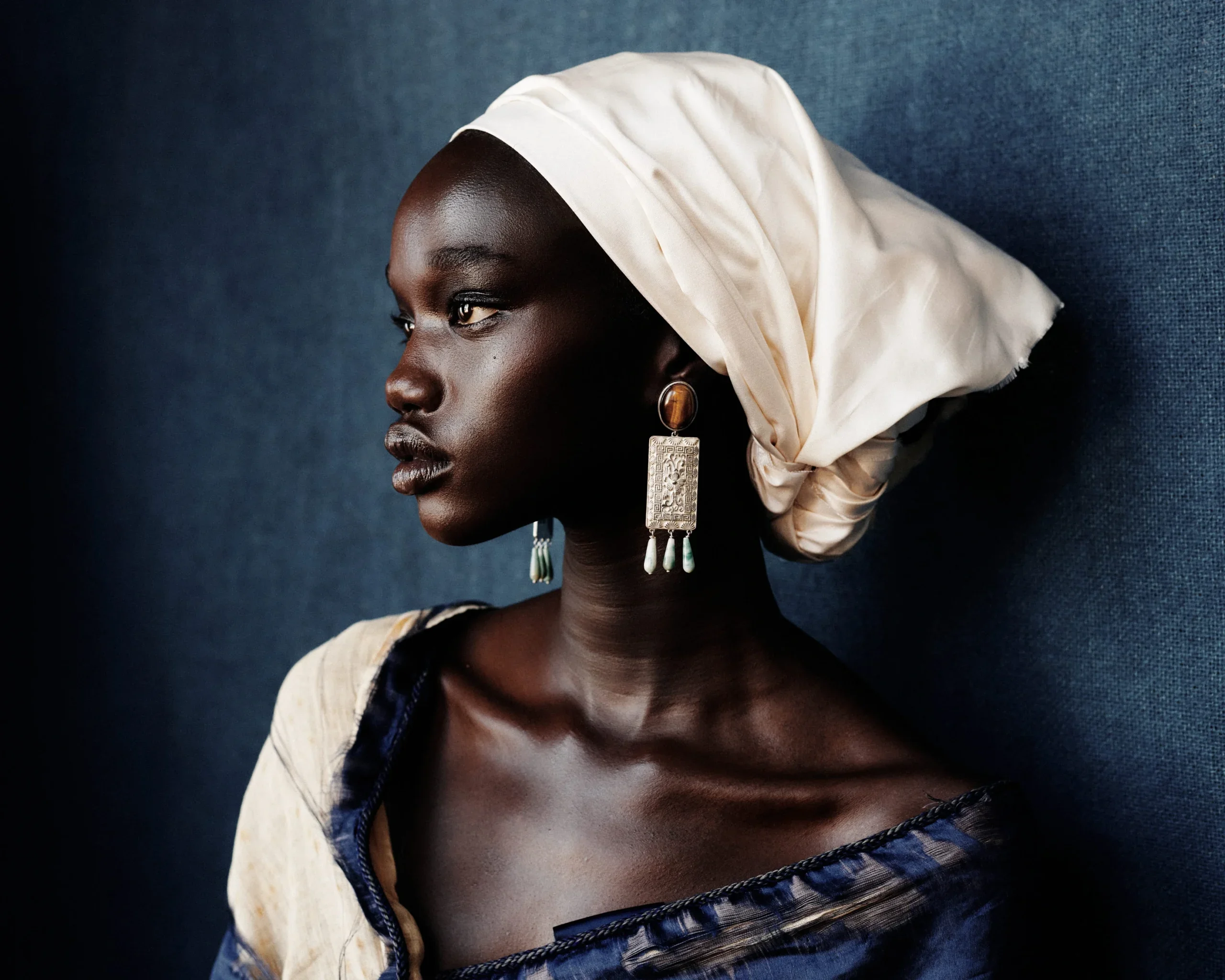
For decades, the red carpet has served as a glittering theater for high jewelry—a parade of gargantuan diamonds, rare colored gemstones, and heritage pieces from the world’s most venerable maisons. However, a seismic shift is underway. A new movement is transforming the landscape of personal adornment, moving away from traditional displays of inherited wealth toward "art jewelry." Defined by historian Toni Greenbaum as "jewels that possess embodied meaning," this category prioritizes the artist’s vision, conceptual depth, and unique craftsmanship over the mere carat weight or market value of the materials used.
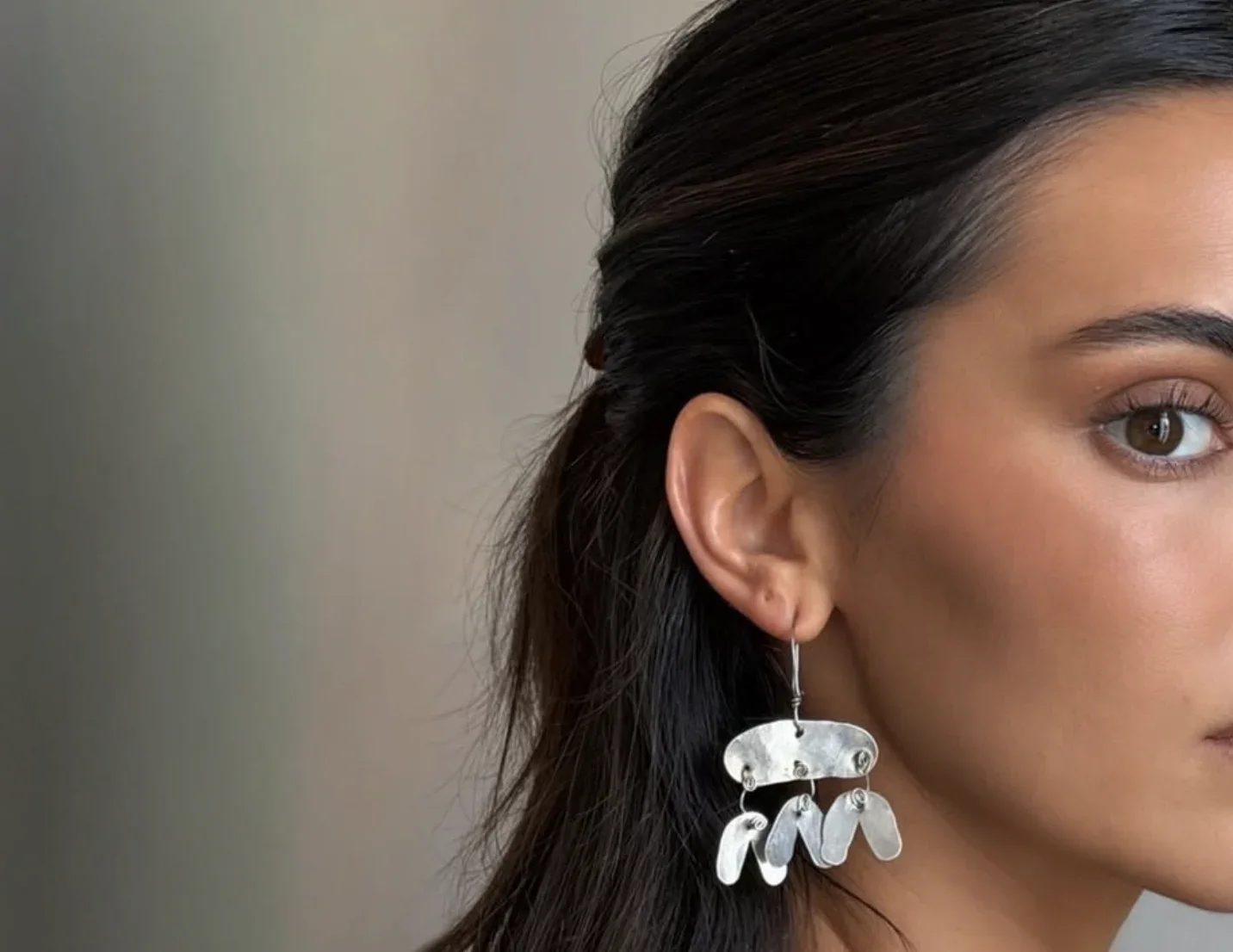
This evolution was thrust into the spotlight at the Venice International Film Festival when Kendall Jenner appeared wearing a pair of ultra-rare 1955 earrings by the legendary sculptor Alexander Calder. The choice was significant; these were not a promotional loan from a brand, but a private acquisition from the Louisa Guinness Gallery in Mayfair. This act signaled a departure from the "celebrity-as-billboard" model, replacing standardized luxury with pieces that carry the weight of art history.
A Chronology of Artistic Defiance
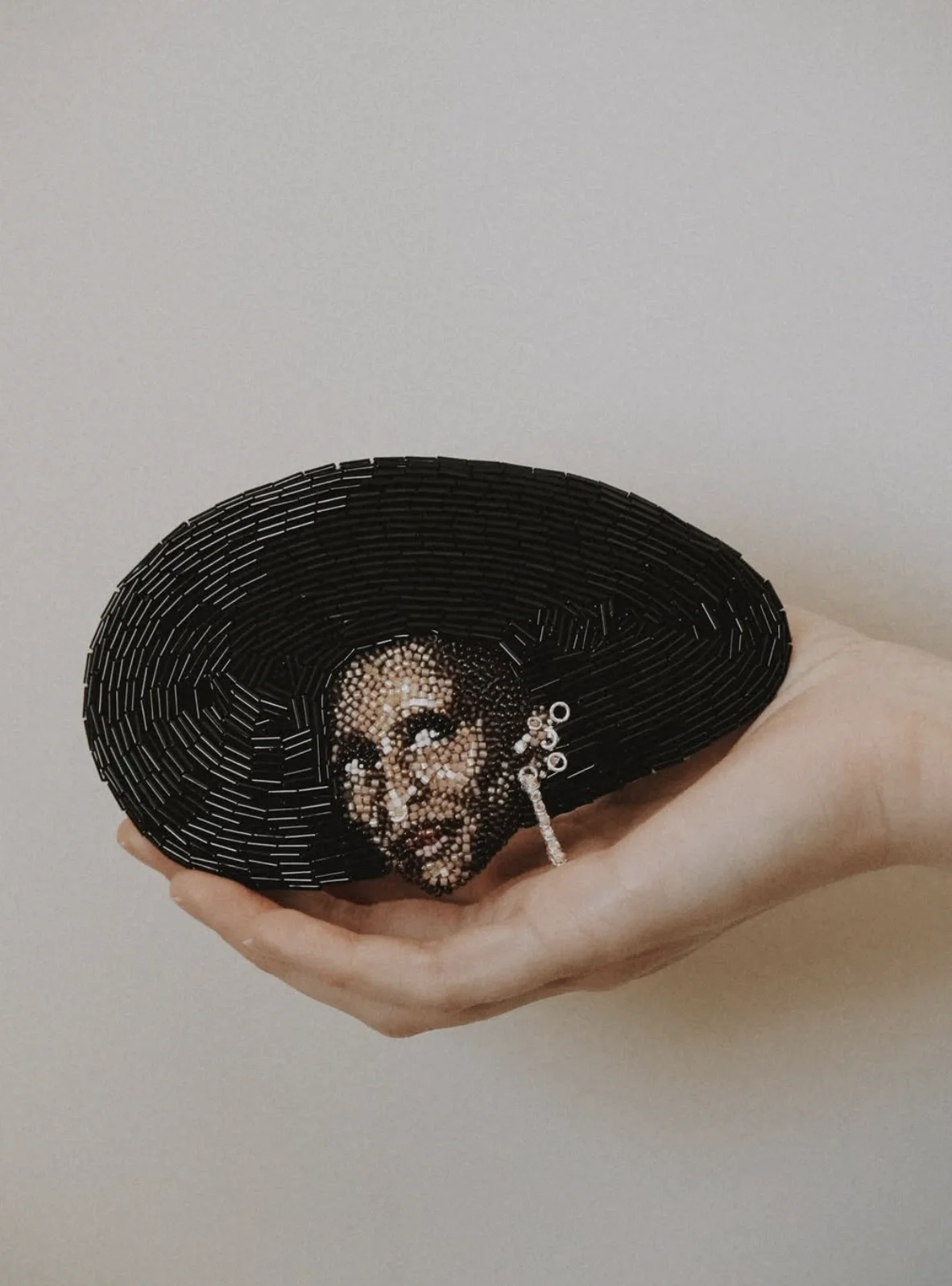
The emergence of art jewelry on the global stage has been a slow-burn phenomenon, punctuated by key cultural moments throughout the last eighteen months. While the 2026 Golden Globes saw director Jon M. Chu sporting hyper-realistic brooches by the Italian embroidery house Nerdbead—depicting stars Ariana Grande and Cynthia Erivo—it was the 2026 Met Gala that truly solidified the trend. Under the theme "Fashion is Art," Hailey Bieber captivated attendees by pairing a structural, 24-karat gold Saint Laurent corset with vintage sculptural pieces by Suzanne Belperron, an icon of early 20th-century jewelry design.
This timeline reflects a growing impatience with the "quiet luxury" movement, which, while elegant, often leans toward the minimalist and the uniform. Art jewelry offers the antithesis: a return to human-centric storytelling and a rejection of the algorithmic, mass-produced aesthetics that dominate digital luxury marketplaces.
The Philosophy of the Maker: Beyond the Gemstone
The fundamental distinction between high jewelry and art jewelry lies in the intent. In traditional luxury, the material—the emerald, the platinum, the diamond—is often the protagonist. In art jewelry, the material is merely a medium, subject to the whims of the creator’s conceptual framework.
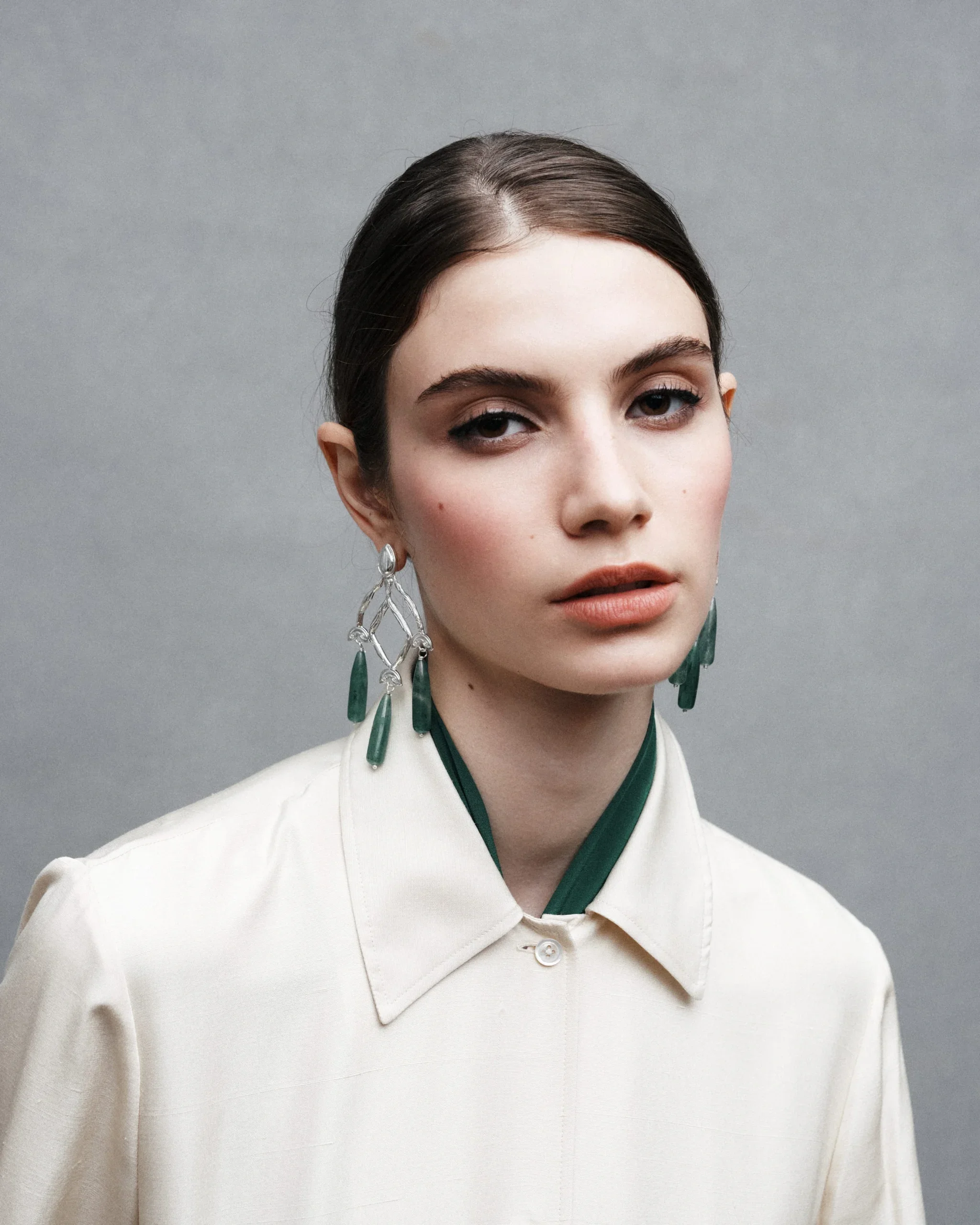
Lois Lo, a recipient of both the Goldsmiths’ Fair Awards 2026 and the Preziosa Young Prize 2026, exemplifies this shift. Her "Greenhouse Ring" is a masterclass in challenging the hierarchy of jewelry. By carving channels directly into gemstones to allow for the passage of fine wires, she dismantles the traditional notion that a setting must be hidden. "My starting point is challenging the relationship between the stone and the setting," Lo explains. "There is no hierarchy in materials, only in how a designer uses them. I am just as comfortable using stainless steel as I am using semi-precious stones."
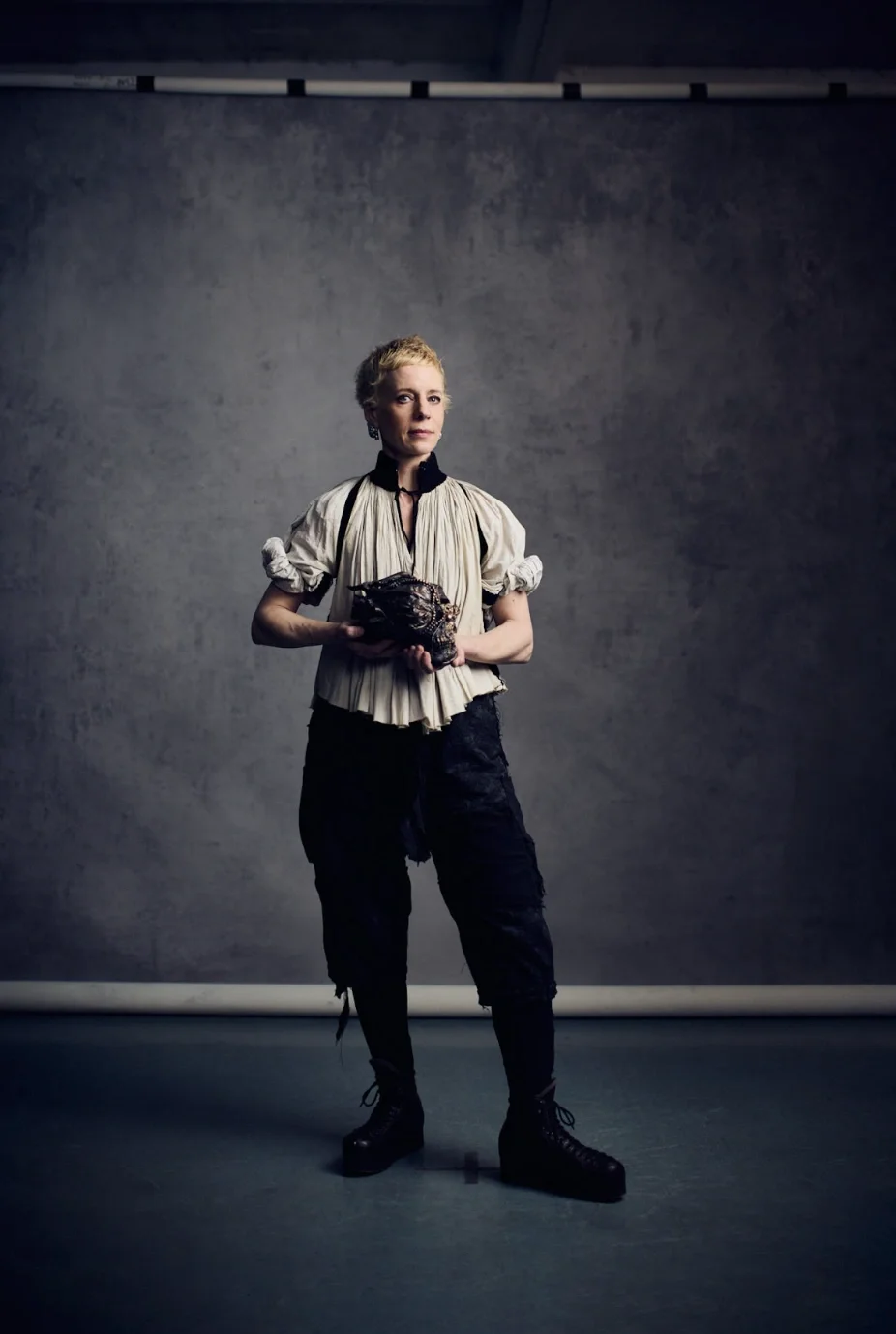
This sentiment is echoed by Katrin Spranger, a visual artist and educator whose work pushes the boundaries of durability and comfort. For her Master’s thesis, Spranger crafted jewelry from solidified crude oil that would melt against the skin of the wearer—a conceptual commentary on the transient nature of fossil fuels. Her current work with shattered mirror shards transforms dangerous, discarded objects into aesthetic treasures. Spranger notes that while she has successfully exhibited at the Venice Biennial, she still encounters resistance from the traditional fine art world, which often maintains a rigid hierarchy that views "craft" as secondary to "fine art."
The Economic Shift: Why Collectors Are Pivoting
The appetite for art jewelry is supported by robust data on changing consumption habits. According to The Art Basel and UBS Survey of Global Collecting 2026, Gen Z has surpassed all other age demographics in expenditure on fine art. Crucially, the survey highlights that "uniqueness" and "rarity" are the primary drivers of these purchasing decisions.
In a world saturated with AI-generated designs and high-street imitations, one-off, hand-wrought pieces function as the new ultimate status symbols. Furthermore, the survey indicates that high-net-worth collectors now allocate only one-third of their total expenditure to traditional art, leaving significant capital available for alternative asset classes, including contemporary jewelry that bridges the gap between wearable items and sculptural installations.
Curator Elisabetta Cipriani, who has been championing this sector since 2009, observes that the shift is largely driven by a desire for authenticity. "When I started, I spent years explaining that these objects were works of art," Cipriani recalls. "Today, the conversation has changed. I see interest from traditional jewelry lovers, but increasingly from contemporary art collectors and younger buyers who value craftsmanship as a vital component of cultural discourse."
The Integration of Craft and Fine Art
The barriers between the gallery and the jewelry box are crumbling. Events such as PAD London and Frieze Masters are increasingly integrating jewelry into their programming, acknowledging that the lines between a sculpture on a pedestal and an ornament on a body are increasingly porous. When De Beers unveiled an installation at Frieze Masters, it was not merely to sell stones, but to frame their diamonds as part of a broader, artistic narrative.
However, for those seeking to enter this market, the experts advise a measured approach. The allure of potential investment value should not override the personal connection to the work. "Never buy a piece simply because you believe it may increase in value," Cipriani warns. "Take time to understand the artist, their practice, and how the jewelry relates to their wider body of work. It should be an emotional journey."
Practical Guidance for Emerging Collectors
For those inspired to begin collecting, the path to discovery is multifaceted. The most fertile ground for finding tomorrow’s masters lies in the graduate showcases of institutions such as Central Saint Martins and the Royal Academy of Arts, or through specialized organizations like the K2 Academy of Contemporary Jewellery.
Industry awards, such as the Goldsmiths’ Craft & Design Council Awards, also serve as a barometer for excellence. Collectors do not necessarily need a seven-figure budget to participate; the inclusion of non-precious metals like bronze and silver means that art jewelry remains an accessible entry point into the art market. By focusing on emerging talent—such as the works of Juju Vera or the intricate designs of Fernando Jorge—collectors can build a portfolio that reflects their personality rather than just their net worth.
The Implications for Future Luxury
The ascent of art jewelry is more than a fleeting trend; it is a manifestation of a profound cultural pivot toward meaningful consumption. As the global market grapples with the saturation of "quiet luxury," art jewelry provides an antidote: it is, by definition, the antithesis of mass production.
The implications for the industry are significant. Heritage houses will likely be forced to move beyond their historical archives and invest in more radical, artist-led collaborations to remain relevant to a younger, more discerning audience. Simultaneously, the art world may be forced to reconcile its historical bias against craft, finally acknowledging that a necklace, when designed with the rigor of a sculpture and the intent of a painting, is a vital piece of contemporary art.
Ultimately, the rise of this movement celebrates a unique privilege: unlike a canvas hung on a wall or a sculpture placed in a garden, the art piece becomes a part of the collector. As Lois Lo notes, "I hope people feel they are wearing a piece of art: a concept and a passion that an artist has made by hand." In this era of rapid technological change and environmental uncertainty, the permanence and raw human effort inherent in art jewelry offer a tangible connection to the creative spirit that no machine can replicate.