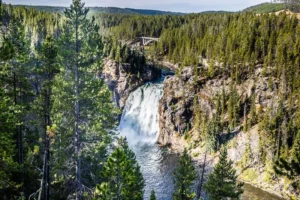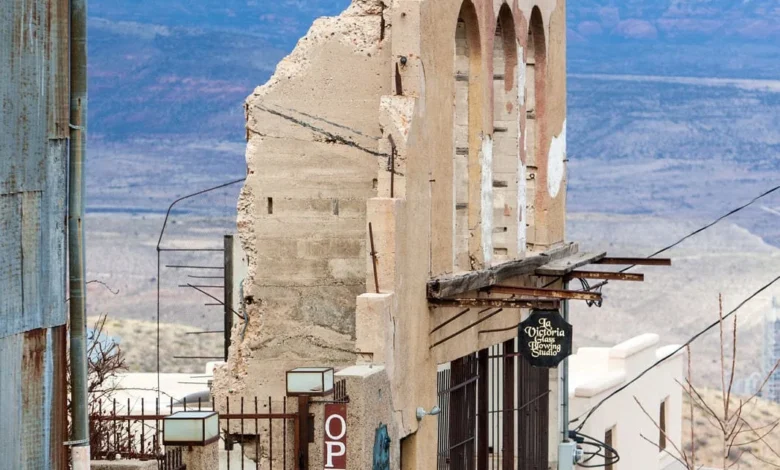
Arizona stands as a diverse cornerstone of the American Southwest, offering a landscape that ranges from the deep, geological time-capsules of the Colorado Plateau to the biologically rich Sonoran Desert. For decades, the state has served as a primary destination for both domestic and international travelers, driven by its unique combination of National Park Service-managed sites, historical landmarks, and a burgeoning urban landscape that blends traditional Western heritage with modern metropolitan growth.
The state’s tourism infrastructure is supported by a robust network of regional hubs, including Phoenix, the state capital and fifth-largest city in the United States, and Flagstaff, a high-altitude city that serves as a critical gateway to the northern wilderness. According to recent data from the Arizona Office of Tourism, the state attracts over 40 million visitors annually, contributing billions of dollars to the regional economy. This influx is largely attributed to the state’s ability to cater to diverse interests, ranging from extreme outdoor adventure to cultural and historical exploration.
Grand Canyon National Park: The Geologic Standard
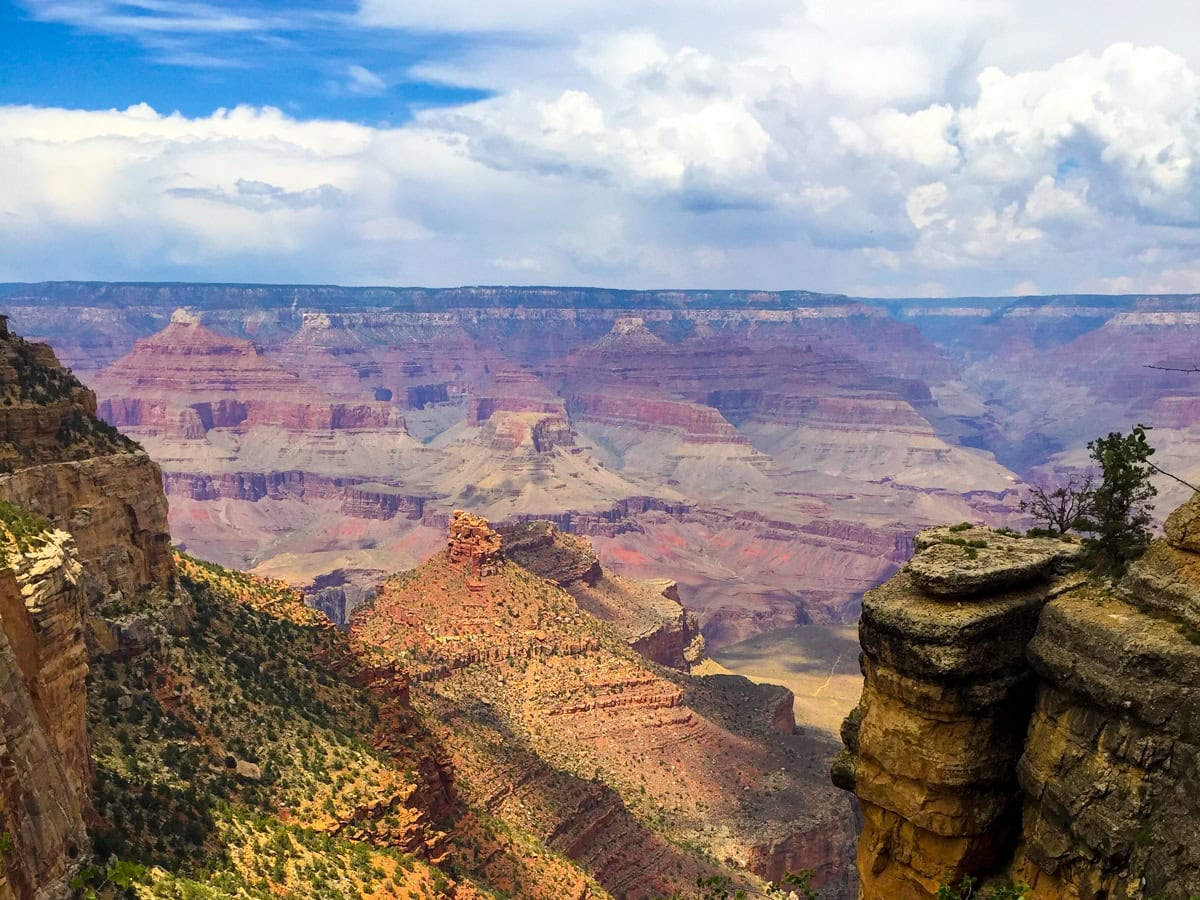
No discussion of Arizona is complete without the Grand Canyon, a UNESCO World Heritage site that consistently ranks as one of the most visited national parks in the country. Spanning 277 miles in length and up to 18 miles in width, the canyon provides an unparalleled look at nearly two billion years of geological history.
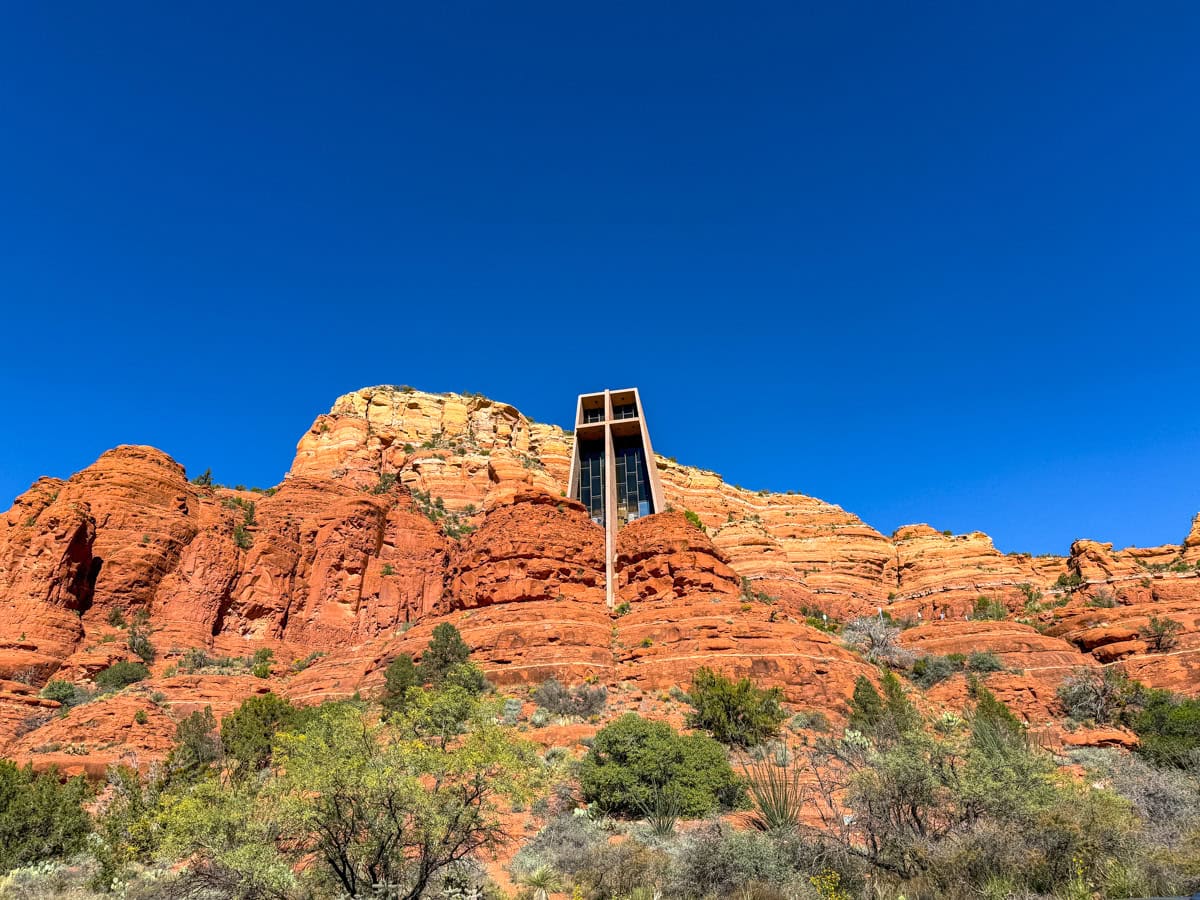
The park is primarily managed through two main points of entry: the South Rim, which remains open year-round and receives approximately 90 percent of the park’s annual visitors, and the more remote North Rim. The Colorado River, which carved the canyon, continues to shape the landscape today. From a logistical perspective, the park’s proximity to transit corridors—such as the Grand Canyon Railway in Williams—allows for high-volume accessibility. Officials at the National Park Service emphasize that the site is not merely a scenic overlook but a complex ecosystem that requires careful management, particularly regarding water conservation and wildlife protection.
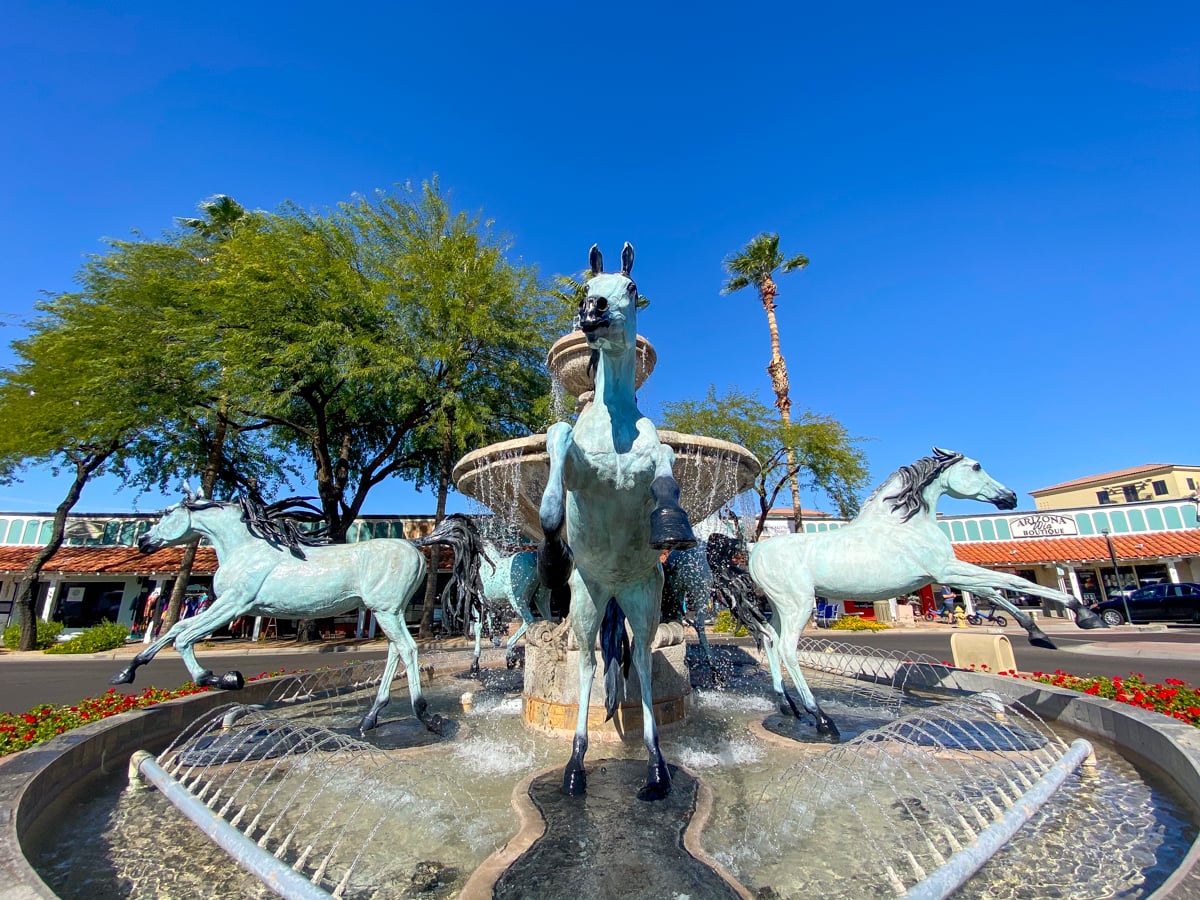
Sedona: A Confluence of Geography and Culture
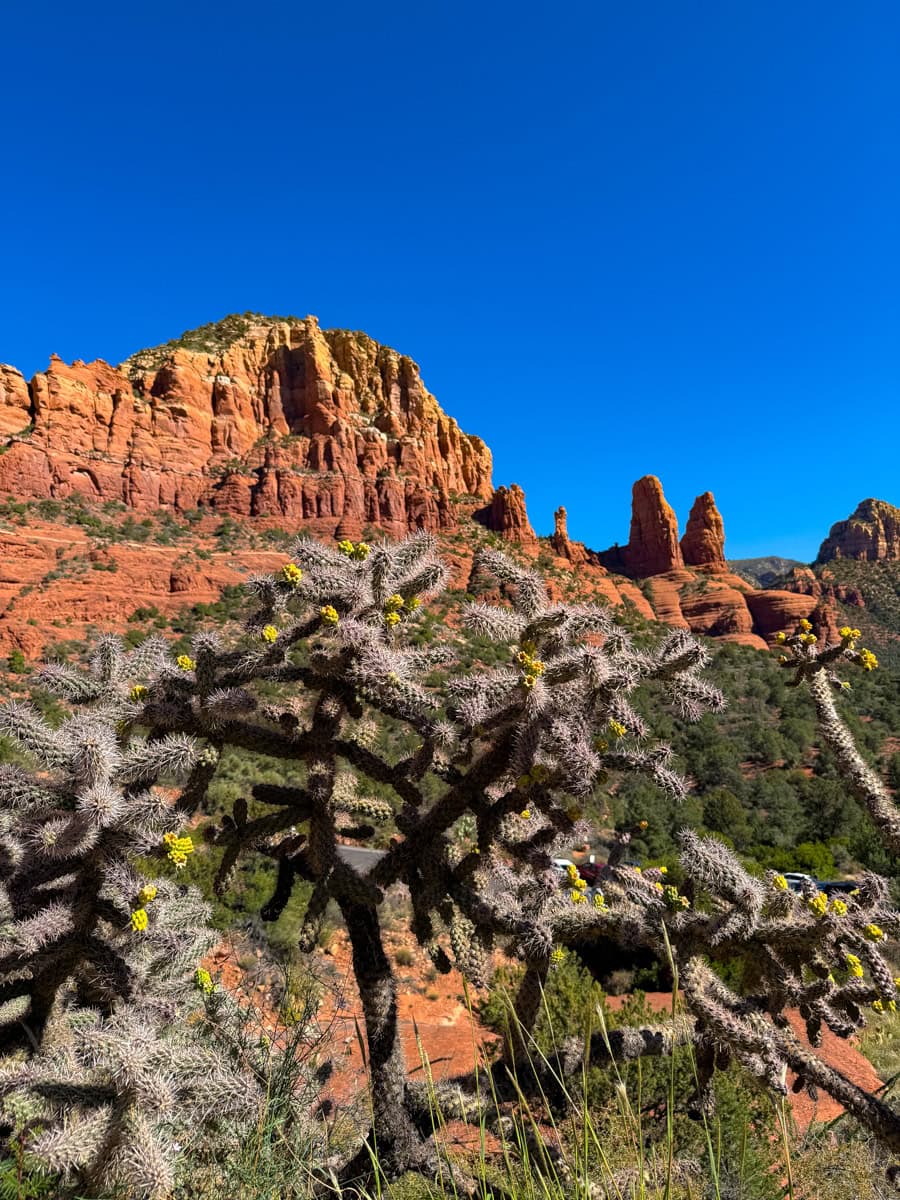
Sedona, located within the Coconino National Forest, represents a unique intersection of geological formation and cultural significance. Famous for its red sandstone formations—most notably Cathedral Rock and Bell Rock—the city sits at an elevation of approximately 4,350 feet. This elevation provides a temperate climate that differentiates it from the arid low desert of Phoenix, making it a year-round destination.

Beyond its physical geography, Sedona has developed into a significant regional hub for arts and wellness. The city’s economy is heavily bolstered by tourism, with a focus on sustainable recreation. Local ordinances have increasingly prioritized the protection of the surrounding wilderness, as the increased foot traffic on popular trails such as Devil’s Bridge has necessitated new shuttle services and permit systems to mitigate environmental degradation.
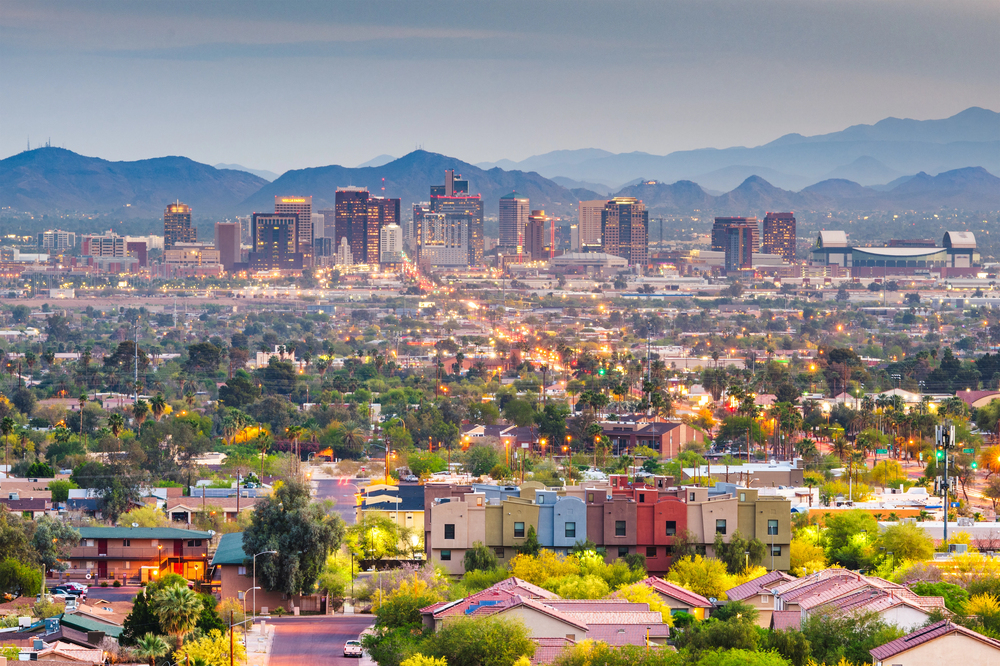
Phoenix and the Valley of the Sun
The Phoenix metropolitan area, or the "Valley of the Sun," represents the urban core of the state. It is the center of Arizona’s political, economic, and cultural life. Unlike many other major American cities, Phoenix’s identity is deeply tied to its desert environment. This is evidenced by the existence of the Phoenix Mountain Preserve, a massive network of trails and natural space integrated directly into the city fabric, including the prominent Camelback Mountain.
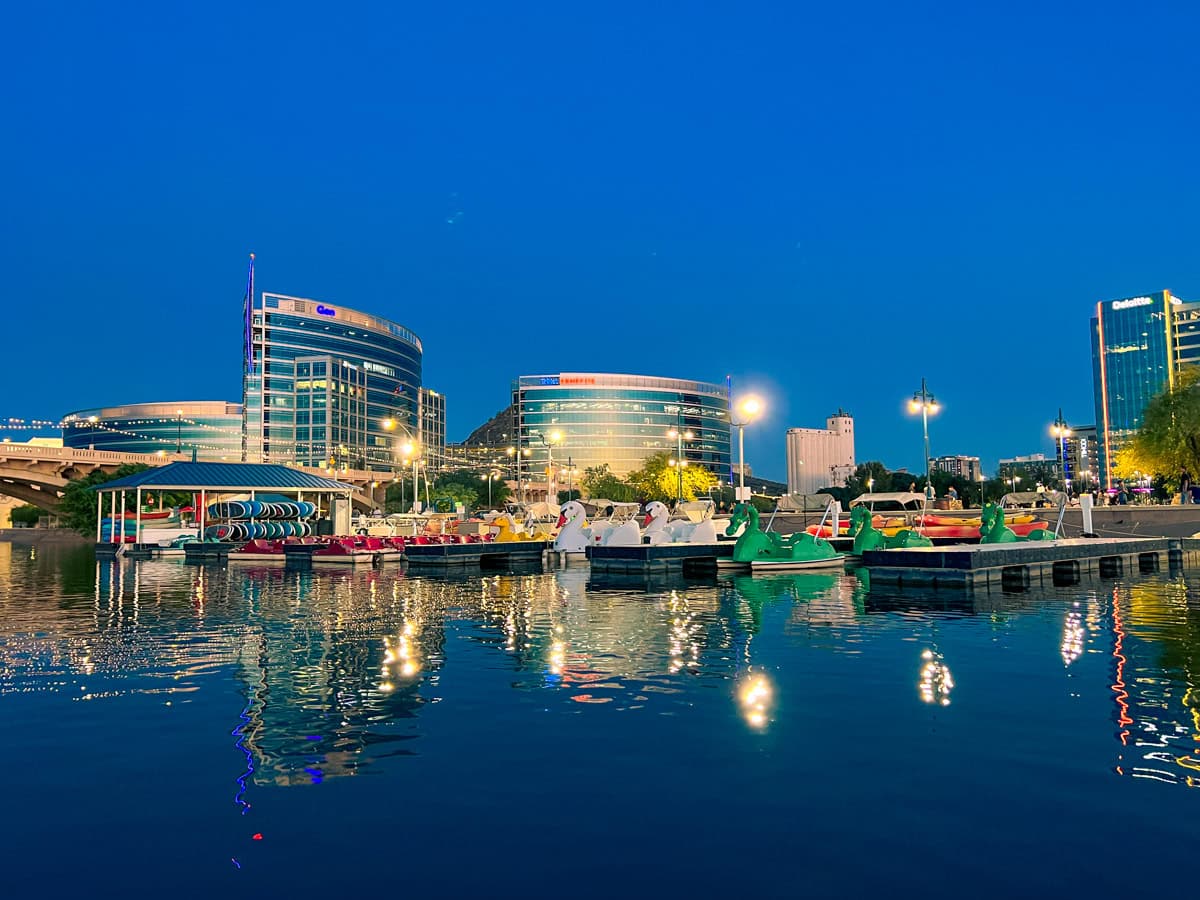
The region has undergone a significant transformation over the last twenty years. The growth of the hospitality and convention industry in Scottsdale, in particular, has seen the development of high-end resorts and professional-grade sporting venues. The city frequently serves as a host for major international events, such as the Super Bowl and various PGA Tour events, which test the city’s capacity for logistics and infrastructure management.
Flagstaff: The High-Altitude Gateway
Flagstaff offers a stark contrast to the southern desert climate. Situated at 7,000 feet at the base of the San Francisco Peaks, it is one of the highest cities in the United States. Its economic development is intrinsically linked to Northern Arizona University and its proximity to major scientific institutions, such as the Lowell Observatory, where the planet Pluto was discovered in 1930.

During the winter months, Flagstaff becomes the center of the state’s snow sports industry. The Arizona Snowbowl, located on the San Francisco Peaks, is a significant draw for winter tourism. However, the city is also increasingly concerned with the implications of climate change on its forest ecosystems. The prevalence of ponderosa pine forests requires ongoing fire-mitigation efforts, which city officials view as essential for protecting both the local population and the tourism-dependent economy.
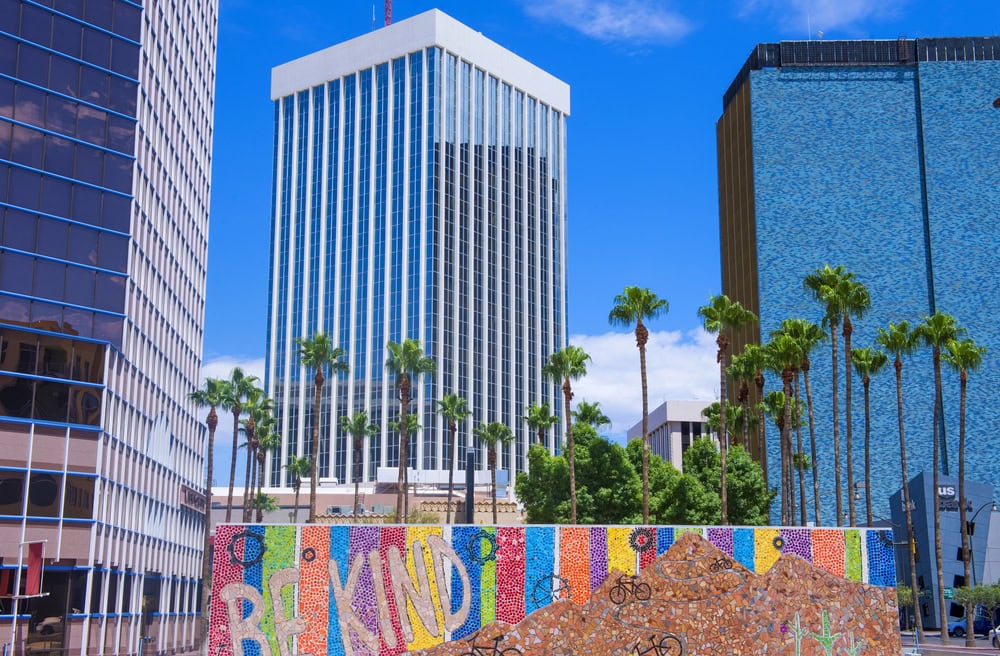
Tucson: A UNESCO Culinary and Desert Heritage
In southern Arizona, Tucson provides a distinct historical and cultural narrative. As the second-largest city in the state, it is home to the University of Arizona and possesses a history that predates many other American cities, with roots in Spanish colonial settlement.
Tucson is internationally recognized for its unique desert biodiversity. Saguaro National Park, which bookends the city on the east and west, is the only place in the United States where the giant Saguaro cactus—the iconic symbol of the American West—grows in abundance. In 2015, Tucson became the first city in the United States to be designated a UNESCO City of Gastronomy. This recognition is based on the city’s 4,000-year-old agricultural history and its fusion of Mexican and Native American culinary traditions.
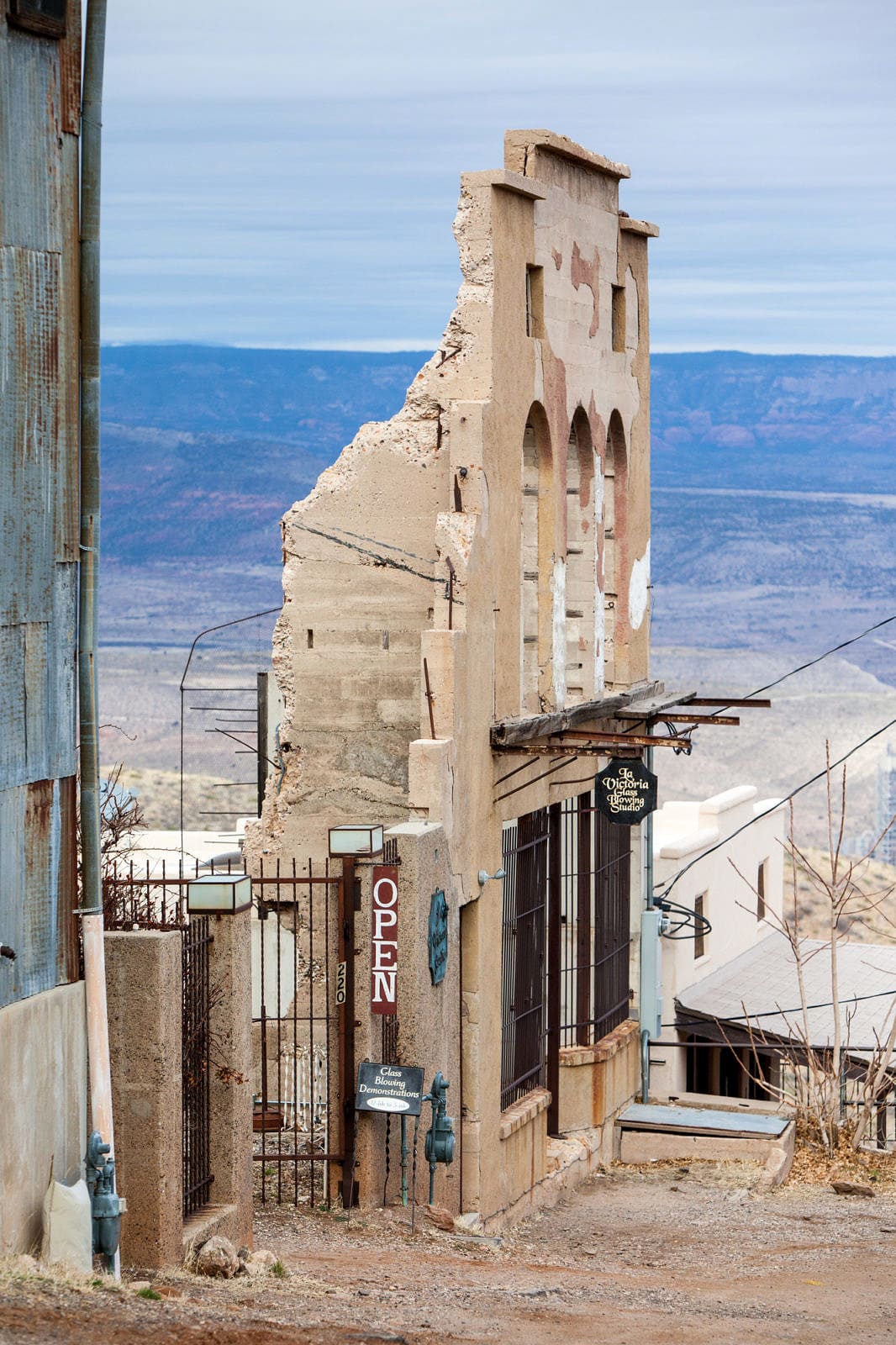
Historical Outposts: Tombstone and Bisbee
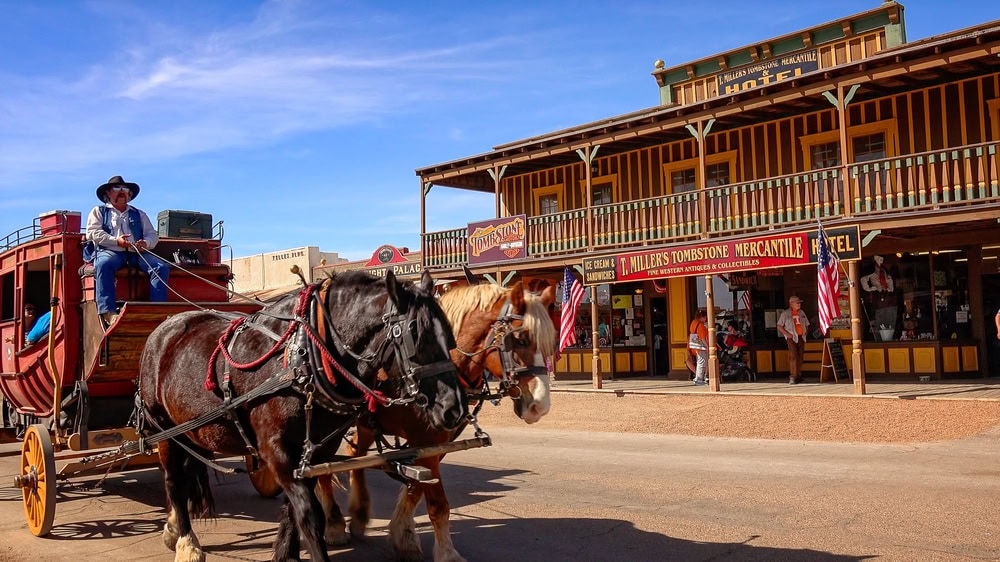
The southern region of Arizona also hosts several towns that provide a window into the state’s 19th-century frontier history. Tombstone, known as the site of the 1881 gunfight at the O.K. Corral, has leveraged its historical narrative to sustain a tourism-focused economy. While much of the experience in Tombstone is performative, the town’s preservation efforts have allowed for the maintenance of a streetscape that represents a pivotal era in the American "Wild West."
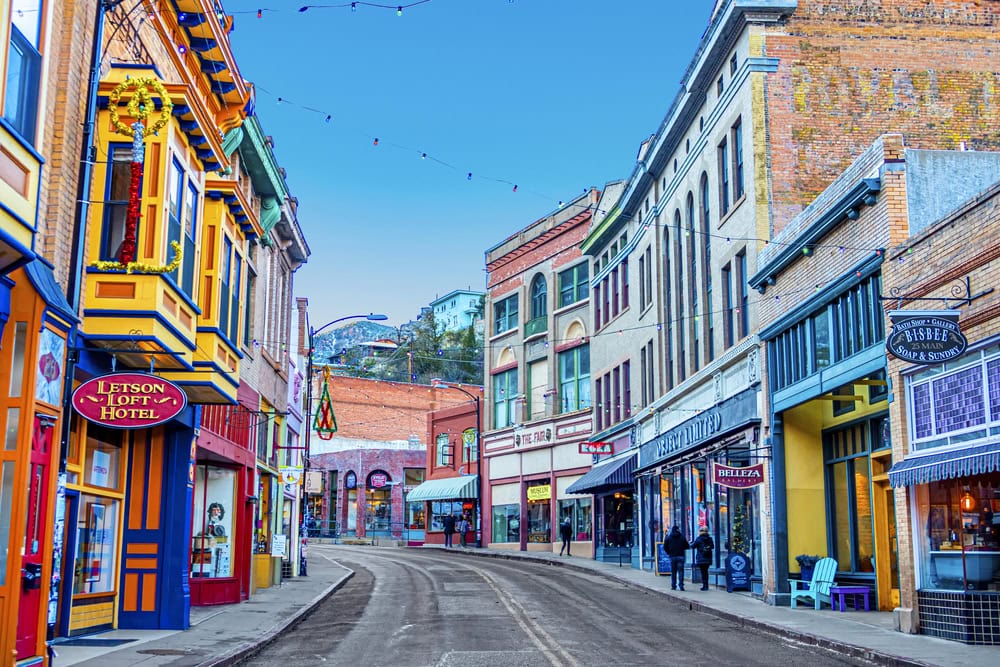
Bisbee, situated near the Mexican border, offers a different historical perspective. Once a copper mining powerhouse, the town transitioned into an enclave for artists and retirees after the mines ceased operations in the mid-20th century. Its topography—defined by steep, winding streets and historic architecture—has made it a focal point for heritage tourism.
Northern Treasures: Page and Monument Valley
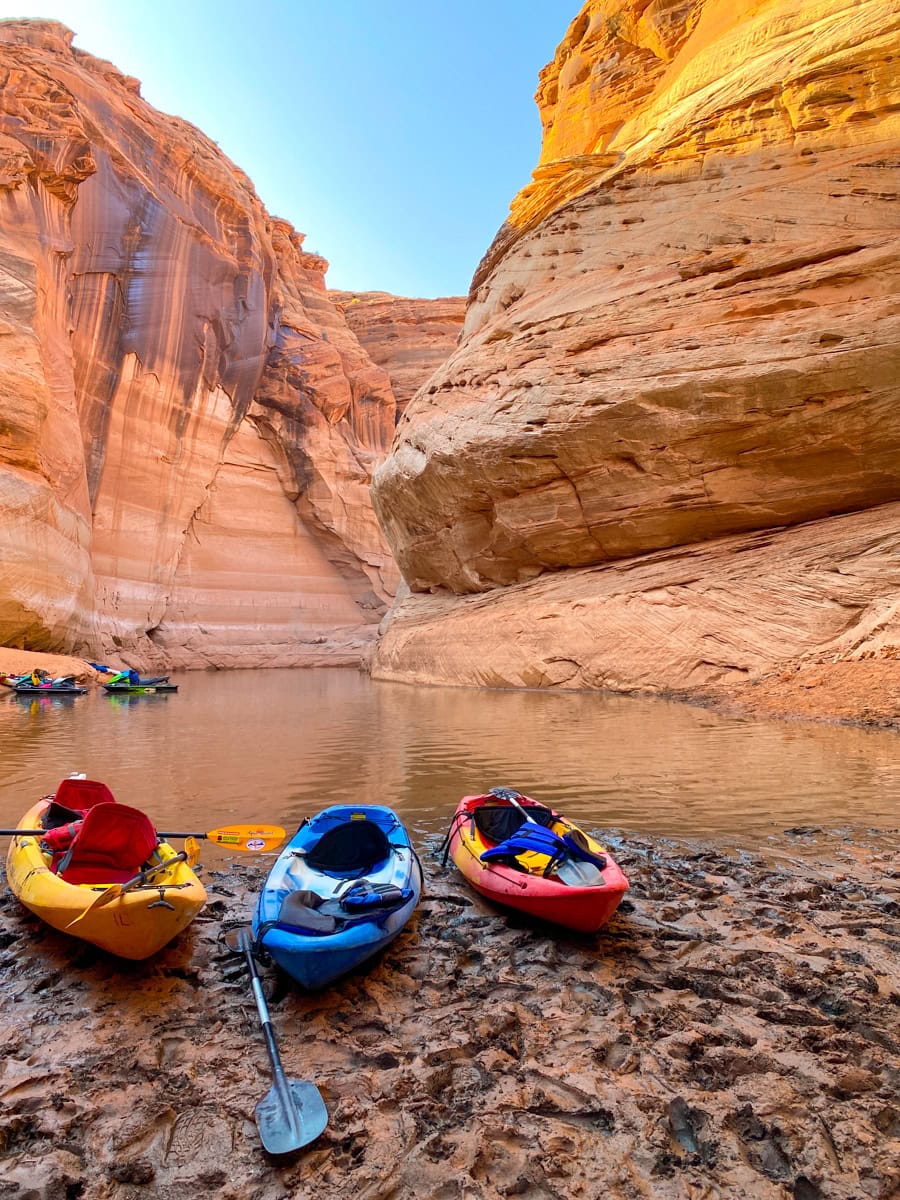
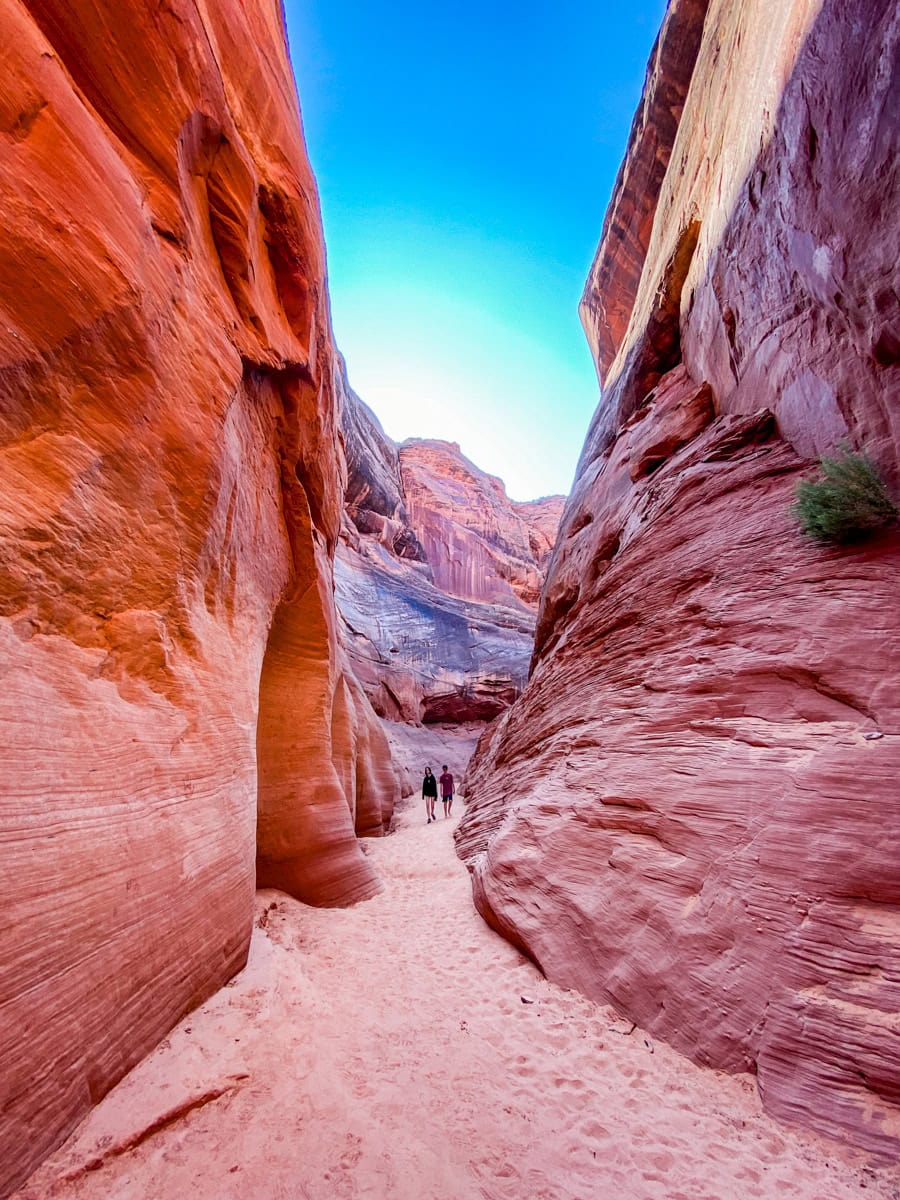
The northernmost section of Arizona, bordering Utah, contains some of the most geologically striking features in North America. The town of Page was founded in 1957 as a housing community for workers building the Glen Canyon Dam. Today, it serves as the base for accessing Lake Powell, Antelope Canyon, and Horseshoe Bend.
These sites are located largely within the Navajo Nation, and the tourism industry here is a collaborative effort between the local government and the Navajo people. The management of Antelope Canyon, in particular, has evolved significantly; the site is now operated through guided tours only, a move that serves to both preserve the fragile slot canyon environment and ensure that tourism revenue directly benefits the Navajo Nation.
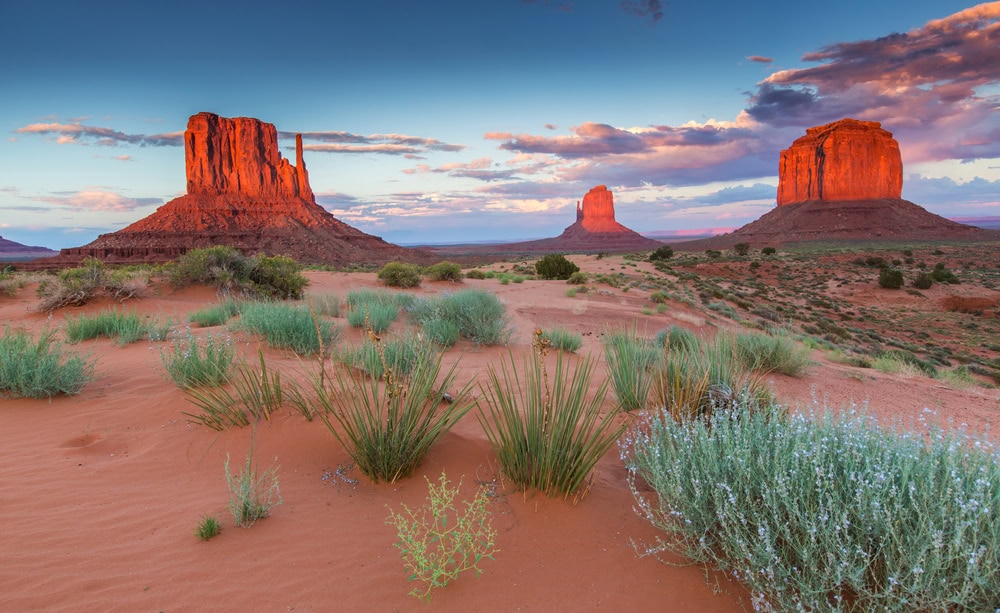
Further east, Monument Valley provides the quintessential image of the American Southwest. Its towering sandstone buttes have been featured in countless films, cementing the area’s status as a global icon. Like Page, Monument Valley is a tribal park, and the visitor experience is strictly regulated to honor the cultural and spiritual significance of the land to the Navajo people.
Broader Economic and Environmental Implications
The tourism sector is one of the primary drivers of Arizona’s economic stability. However, this growth is not without its challenges. The state’s reliance on water from the Colorado River and the delicate nature of its desert ecosystems create a complex regulatory landscape. Tourism boards are increasingly focusing on "sustainable travel" initiatives, encouraging visitors to respect trail closures, abide by "Leave No Trace" principles, and understand the historical and cultural sensitivity of the lands they visit.
As Arizona continues to grow, the balance between accommodating millions of visitors and preserving the state’s natural and historical integrity remains a central challenge for policymakers. The future of Arizona’s tourism industry will likely depend on the success of these conservation efforts, ensuring that the landmarks which define the state remain accessible for future generations while preventing the environmental impact of over-tourism.
Related posts: