For decades, the standard blueprint for a group getaway has remained remarkably static: the high-stakes glitz of Las Vegas, the predictable fairways of a golf resort, or the coastal nightlife of a beach destination. However, a growing demographic of travelers is seeking substance over stereotypes, shifting their focus toward cities that offer a distinct blend of industrial heritage, craft culture, and accessible outdoor recreation. Milwaukee, Wisconsin, has emerged as a premier contender in this space, effectively leveraging its legacy as a manufacturing titan to provide a robust, multifaceted experience for groups.
The Evolution of Brew City
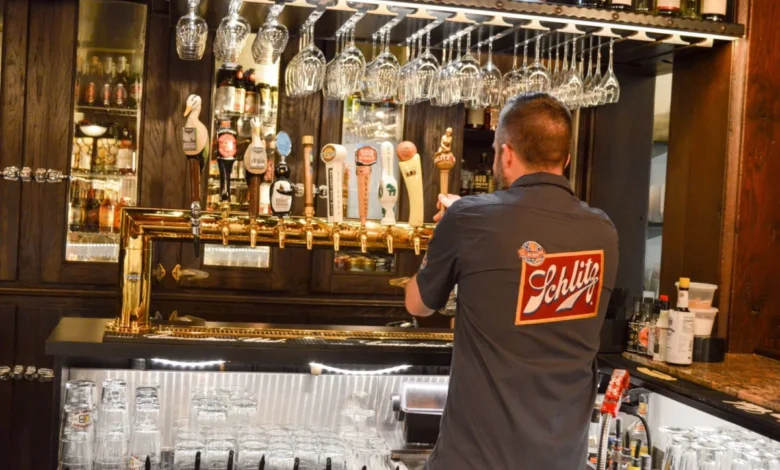
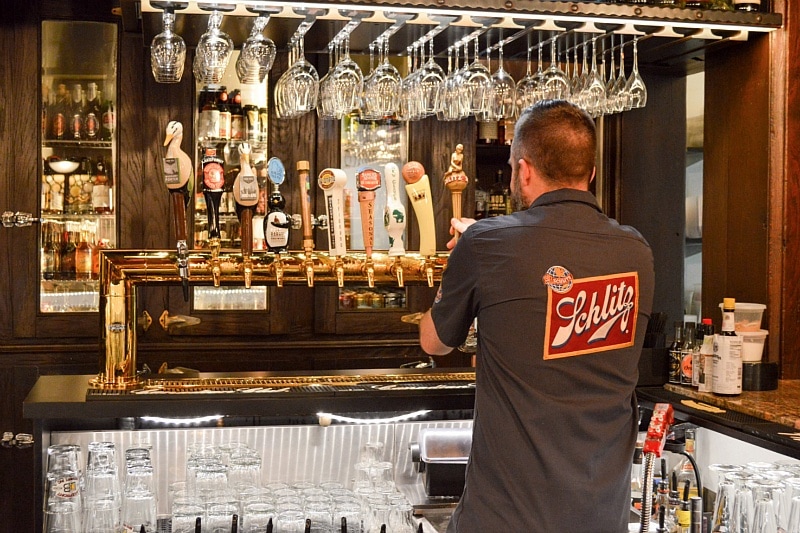
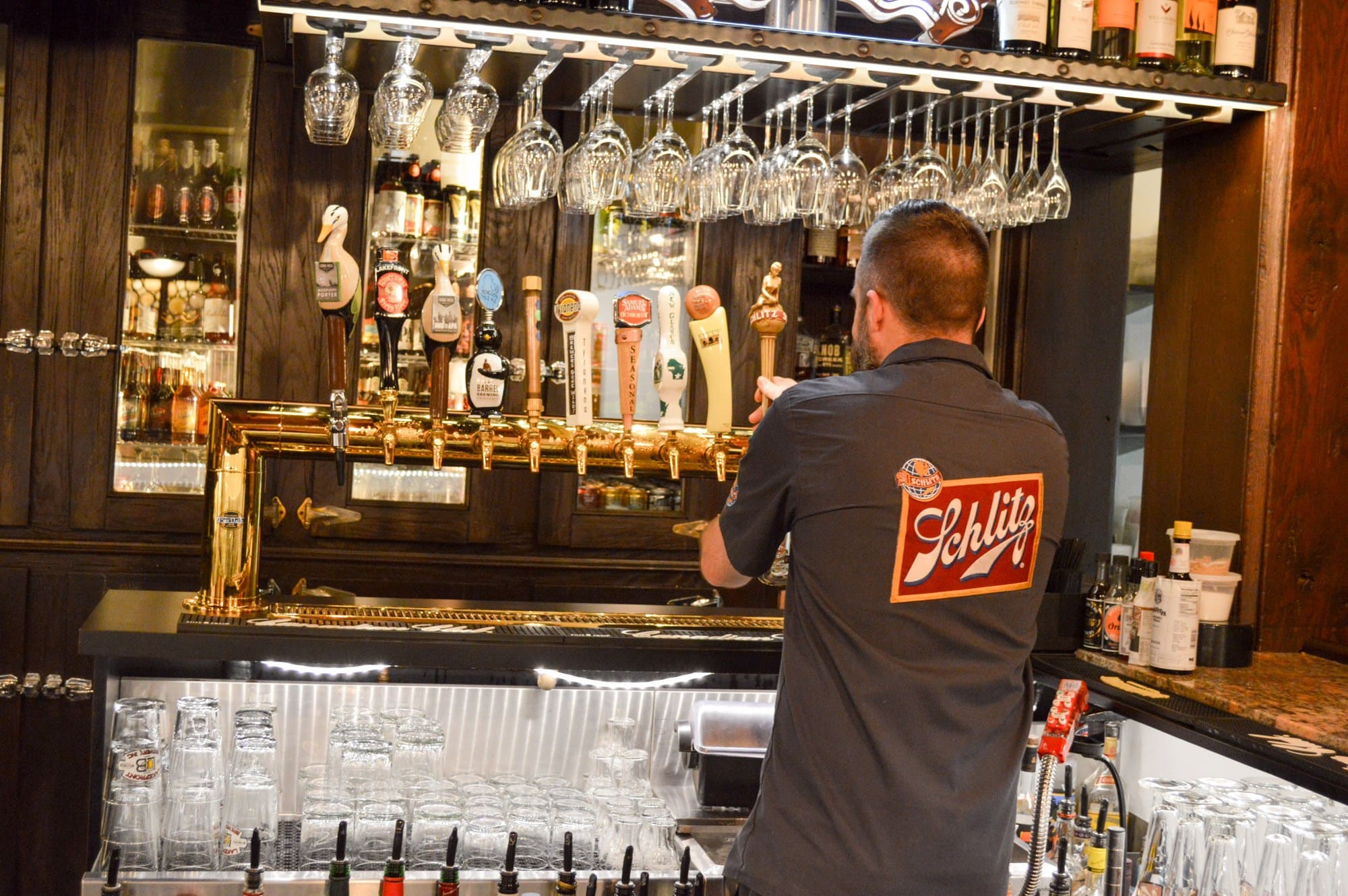
Milwaukee’s identity is inextricably linked to the brewing industry, a sector that fueled the city’s economic ascent in the 19th century. The historical significance of the "Big Four"—Miller, Pabst, Blatz, and Schlitz—defined the city’s urban landscape. While market consolidation has altered the corporate footprint, the underlying culture of beer production remains a primary economic and tourism driver.
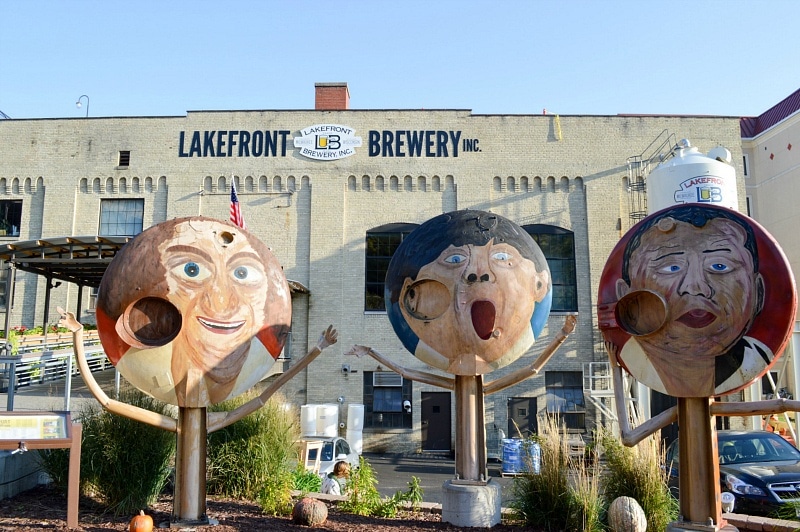
Today, the city hosts a sophisticated ecosystem of independent craft breweries that honor this history while pushing contemporary boundaries. Industry data indicates that the regional beer tourism sector contributes significantly to the local economy, with visitors increasingly prioritizing experiential tours over simple consumption. Establishments such as Lakefront Brewery have set a national benchmark for these experiences; their tours are widely cited for their educational value and high production quality, which consistently attract high foot traffic, even during off-peak seasonal windows.
Industrial Heritage and the Harley-Davidson Legacy
Beyond the brewery sector, Milwaukee’s industrial pedigree is best represented by the Harley-Davidson Motor Company. Founded in 1903 in a small shed in Milwaukee, the brand has grown into a global cultural icon. The Harley-Davidson Museum, situated on a 20-acre campus, serves as a comprehensive repository of this evolution.
The museum houses over 450 motorcycles and thousands of artifacts, tracing the company’s history from the inception of the internal combustion engine to the modern era of electric mobility. For group travelers, the museum offers a rare behind-the-scenes look at the archives, providing access to the world’s largest collection of unrestored, historical motorcycles. This site is not merely an exhibit but a functional center for the city’s tourism strategy, drawing hundreds of thousands of visitors annually and reinforcing the region’s status as a hub for engineering history.
Geographic Advantage: Lake Michigan and Urban Recreation
Milwaukee’s location on the western shore of Lake Michigan provides a substantial geographic advantage for tourism. The city has undergone a decade-long revitalization of its waterfront, transforming former industrial docks into public spaces that facilitate water-based recreation.
The development of the Milwaukee Riverwalk and the accessibility of Lake Michigan have opened the door for diverse sporting activities, including sailing, kayaking, and competitive surfing. During the colder months, a dedicated community of cold-water surfers utilizes the increased wave energy of the lake, highlighting the year-round utility of the region’s natural resources. Furthermore, the city’s municipal golf infrastructure, including notable sites like the Brown Deer Park Golf Course—which previously hosted PGA Tour events—provides high-caliber sporting facilities that remain accessible to the public, distinguishing Milwaukee from markets where such access is restricted by private club memberships.

Professional Sports and Regional Identity
The city’s sports landscape is a pillar of its social and economic life. The development of the Fiserv Forum, which opened in 2018, served as a catalyst for the revitalization of the downtown area. As the home of the NBA’s Milwaukee Bucks, the arena functions as a high-capacity venue that draws significant regional and national attention, boosting surrounding hospitality and retail revenue.
Similarly, American Family Field, home to the MLB’s Milwaukee Brewers, maintains a distinct culture of "tailgating," an activity that has become a defining ritual of the local sports experience. This practice involves organized pre-game gatherings in the stadium’s vast parking infrastructure, which creates a unique communal environment for visiting groups. The integration of these stadiums into the city’s urban core ensures that visitors are never far from the heart of the local action.

Culinary Traditions and the Supper Club Phenomenon
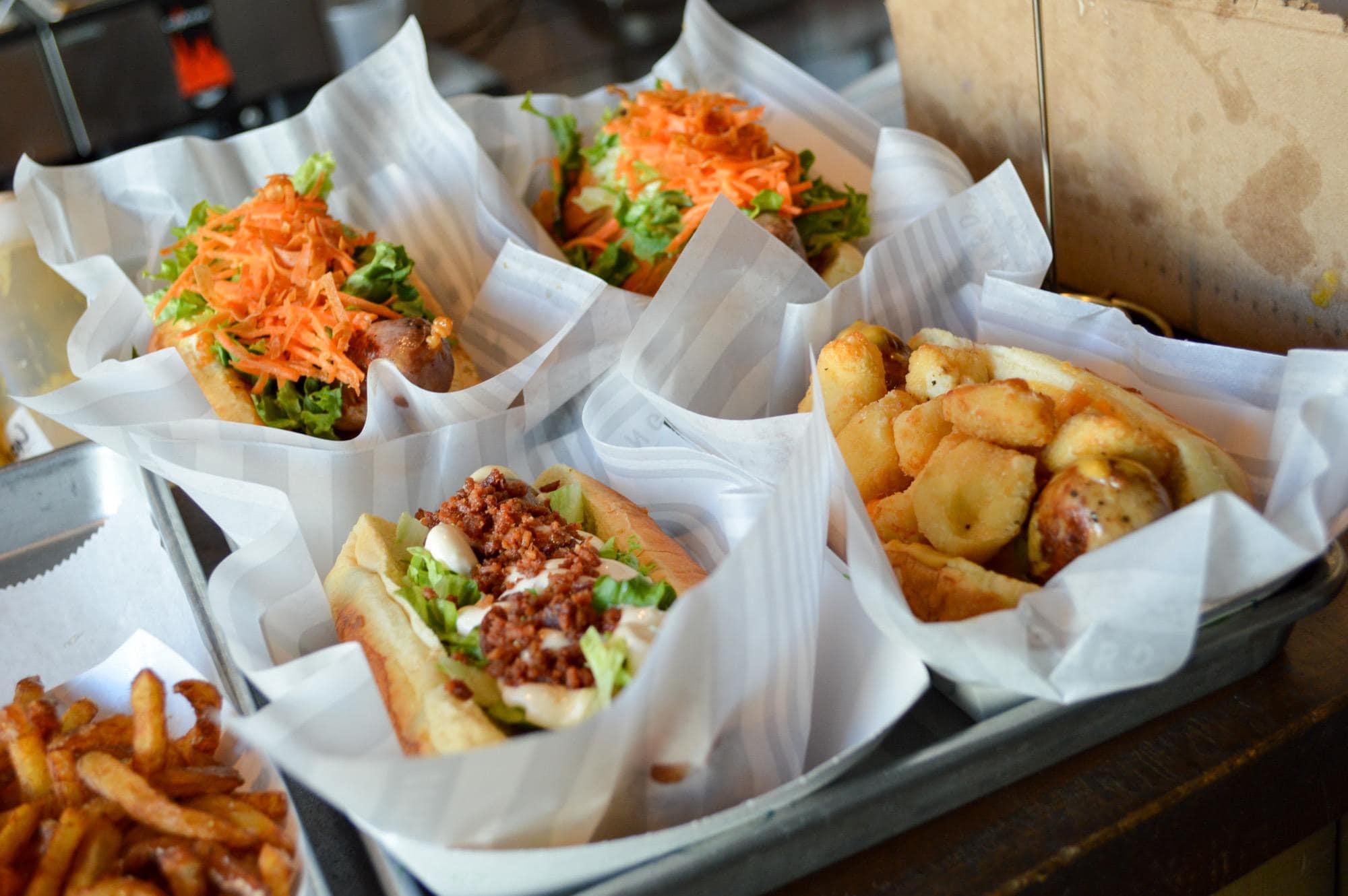
Milwaukee’s culinary scene is a synthesis of traditional Midwestern comfort food and modern gastronomic innovation. The "supper club" remains a hallmark of the Wisconsin experience—an institution characterized by a specific set of traditions, including a pre-dinner cocktail at the bar, a formal salad course, and a focus on locally sourced proteins.
Establishments such as the Five O’Clock Steakhouse continue to preserve these traditions, serving as a point of cultural connection for tourists. Simultaneously, the city’s investment in public markets and the preservation of historic sausage-making houses, such as Usinger’s, underscores a commitment to culinary authenticity. Data from local business associations suggest that food-based tourism accounts for a significant percentage of visitor spending, with a growing demand for guided culinary tours that focus on the intersection of local history and modern food production.

Hospitality Infrastructure and Strategic Planning
The city’s hospitality sector has evolved to accommodate the influx of group travelers by repurposing industrial architecture. The Brewhouse Inn and Suites, situated within the former Pabst Brewery complex, is a primary example of adaptive reuse. By integrating the original copper brewing kettles into the hotel’s design, the property provides a tangible link to the city’s past.
Similarly, the Iron Horse Hotel offers a high-end, motorcycle-centric boutique experience that caters specifically to travelers interested in the city’s automotive roots. This strategic use of historic building stock allows Milwaukee to offer a distinct aesthetic that cannot be replicated by standardized hotel chains, thereby increasing its appeal to travelers seeking a curated experience.

Economic and Social Implications
The revitalization of Milwaukee as a destination for group travel has had broad implications for the city’s economy. By shifting from a purely industrial base to a diversified economy that includes a robust service and hospitality sector, Milwaukee has improved its resilience.
According to regional tourism reports, the growth of the "guys trip" demographic—characterized by high-frequency spending on dining, entertainment, and specialized tours—has provided a stable revenue stream for local businesses. The emphasis on walkability in districts like the Historic Third Ward and Walker’s Point has also encouraged a more concentrated tourism footprint, allowing for easier navigation and higher engagement with local vendors.
Future Outlook
As Milwaukee continues to invest in infrastructure and cultural programming, its position as a secondary-market leader in the tourism industry appears set for continued growth. The city’s ability to balance its historical manufacturing identity with the demands of the modern experience economy offers a blueprint for other post-industrial cities.
For groups planning travel, the primary takeaway is that Milwaukee’s appeal lies in its authenticity. It does not rely on artificial attractions but rather on the genuine depth of its cultural, sporting, and culinary traditions. As the tourism market moves away from the one-size-fits-all model of the past, cities like Milwaukee are well-positioned to capture a larger share of the domestic travel market by providing a substantive, engaging, and historically grounded experience for the modern visitor.