Pedaling Through History and Puddles: Exploring the Netherlands on Two Wheels Offers Families an Immersive Travel Experience

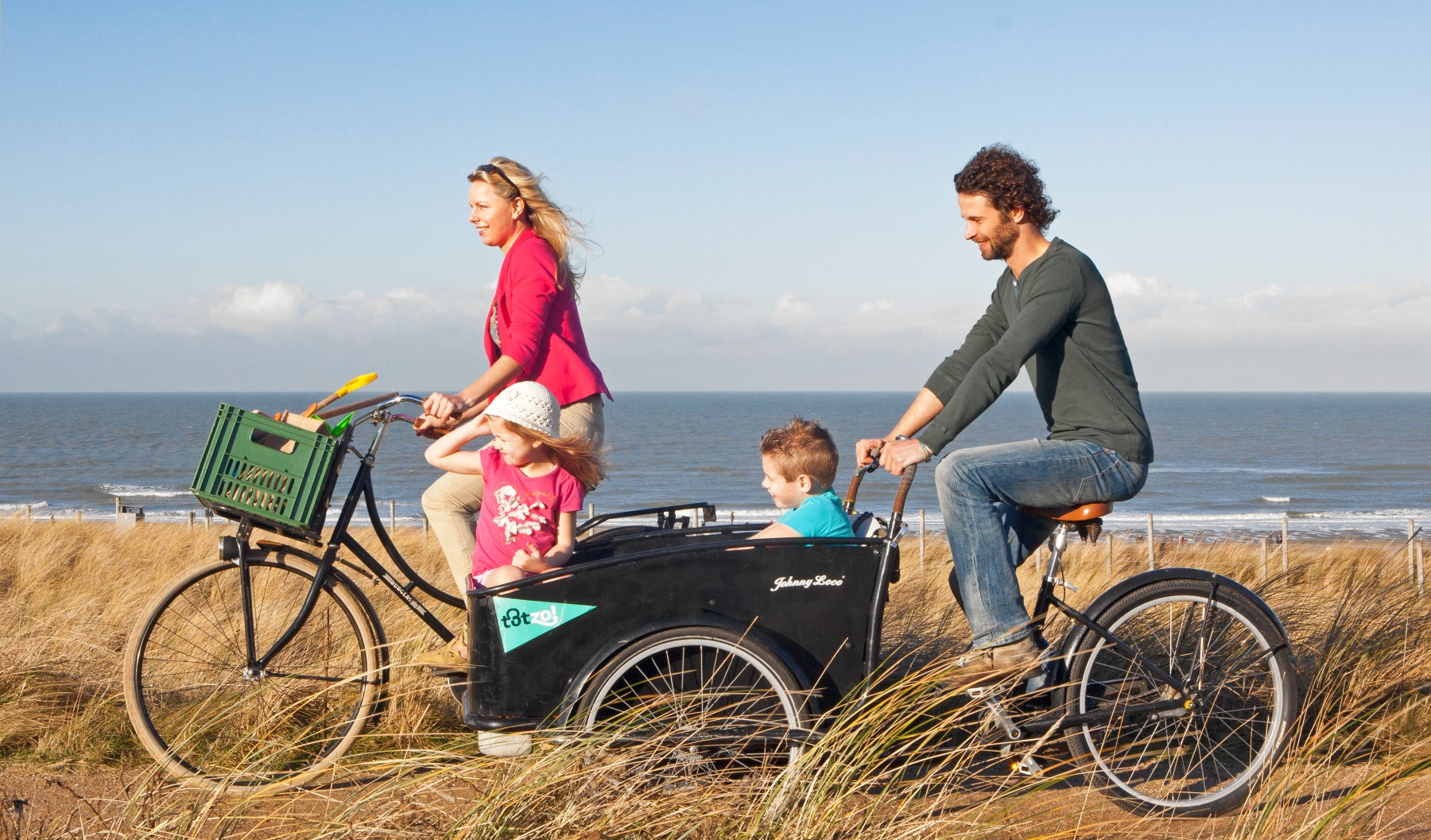
The Netherlands continues to solidify its reputation as the premier cycling capital of the world, offering an infrastructure that seamlessly integrates active travel with family-friendly tourism. Boasting approximately 23,000 miles of dedicated bike paths—many completely separated from vehicular traffic and equipped with specialized signaling systems—the nation presents an inviting landscape for travelers of all ages. For families seeking an alternative to traditional, sedentary vacations, a two-wheeled exploration of Dutch provinces provides both logistical ease and cultural immersion, transforming transit into the primary attraction itself.
A growing segment of international family travel leans toward experiential itineraries, moving away from rigid sightseeing schedules in favor of active engagement. Industry data indicates a steady rise in demand for active holiday packages, particularly in regions boasting high safety indices and robust infrastructure for non-motorized transport. The Netherlands, with its flat terrain, temperate climate, and dense concentration of cultural sites, serves as a textbook destination for multi-generational and young-family travel. Rather than relying on automobiles or crowded public transit, visitors are increasingly adopting the local custom of renting standard commuter bicycles or traditional cargo bikes, known locally as bakfiets, to navigate urban centers and rural countrysides alike.
Strategic Hubs: Choosing Between The Hague and Amsterdam
While Amsterdam remains the primary entry point and cultural anchor for most international visitors, seasoned travelers frequently look to alternative urban bases to escape heavy tourist density while maintaining access to premier attractions. The Hague, situated on the North Sea coast, functions as an ideal launchpad for families aiming to balance civic exploration with coastal relaxation. Positioned within comfortable cycling radiuses of historically significant towns, natural dunes, and interactive museums, the city offers a calmer atmosphere without sacrificing urban amenities.
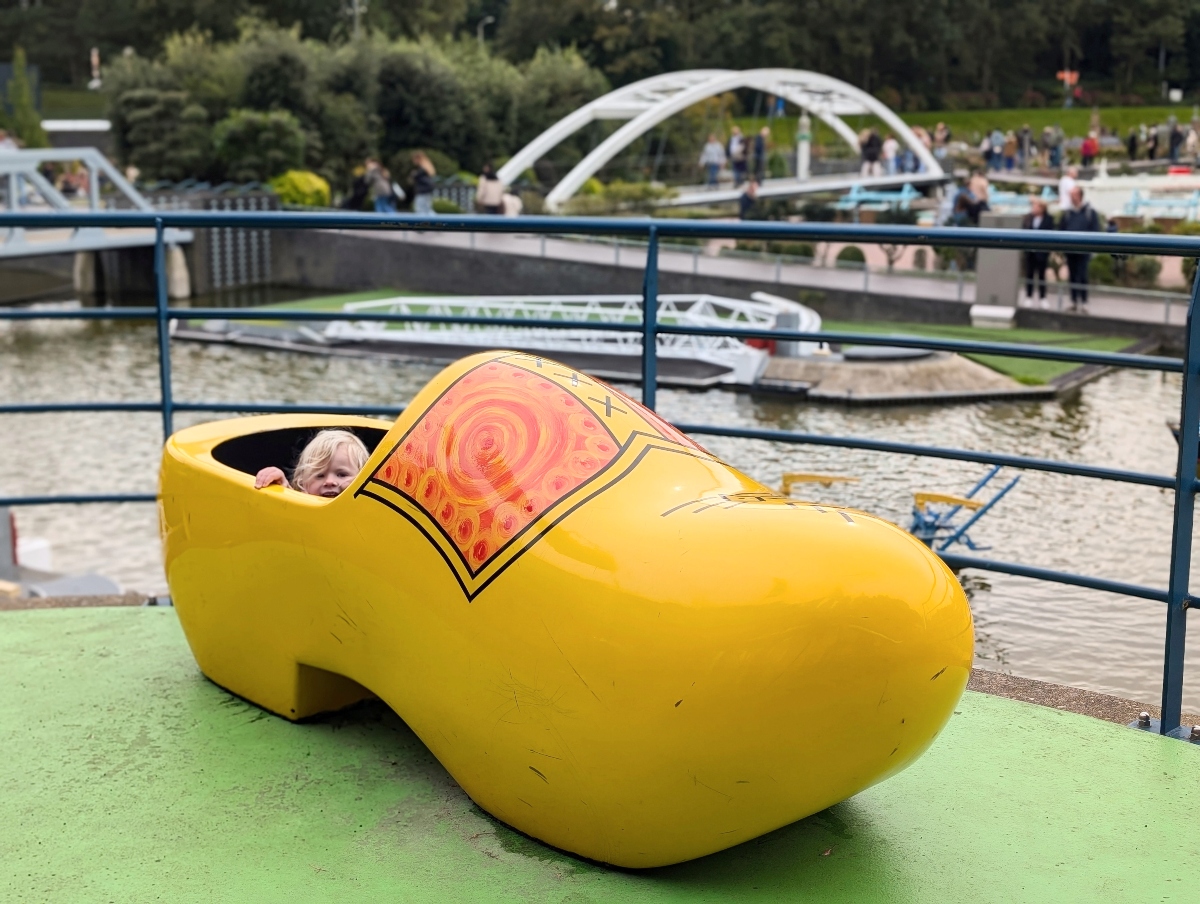
For those headquartered in the political capital, early itineraries often feature Madurodam, an interactive miniature park located a brief ten-minute cycle from the city center. Established in 1952, the park offers scaled-down replicas of iconic Dutch landmarks, architectural masterpieces, and infrastructural systems. Children are invited to engage directly with the exhibits, operating miniature canal locks, controlling container ships, and observing automated railway networks. This hands-on approach provides younger visitors with a geographical and cultural orientation before they encounter the full-scale structures throughout the country.
Beyond miniaturized history, The Hague bridges educational tourism with fine arts. The Mauritshuis museum houses a world-renowned collection of Dutch Golden Age paintings, including Johannes Vermeer’s iconic "Girl with a Pearl Earring." While primarily targeted toward adult connoisseurs and older children, the museum’s central location allows families to seamlessly transition from high culture to recreational spaces. Nearby, the Escher in Het Paleis museum—housed in the former winter palace of Queen Mother Emma—captures the imagination of younger demographics through the paradoxical, mathematically inspired lithographs and woodcuts of M.C. Escher.
Culinary and Literary Discoveries for Younger Audiences
A critical component of any Dutch excursion is the integration of local gastronomy, which frequently serves as natural pacing markers for family rides. Traditional Dutch culinary offerings, ranging from freshly baked waffles and artisanal cheeses to poffertjes—small, fluffy pancakes typically served with melted butter and powdered sugar—provide accessible energy boosts along cycling routes. In The Hague, the Malieveld Pavilion restaurant, situated on the edge of the expansive Haagse Bos park, functions as a favored refueling station.
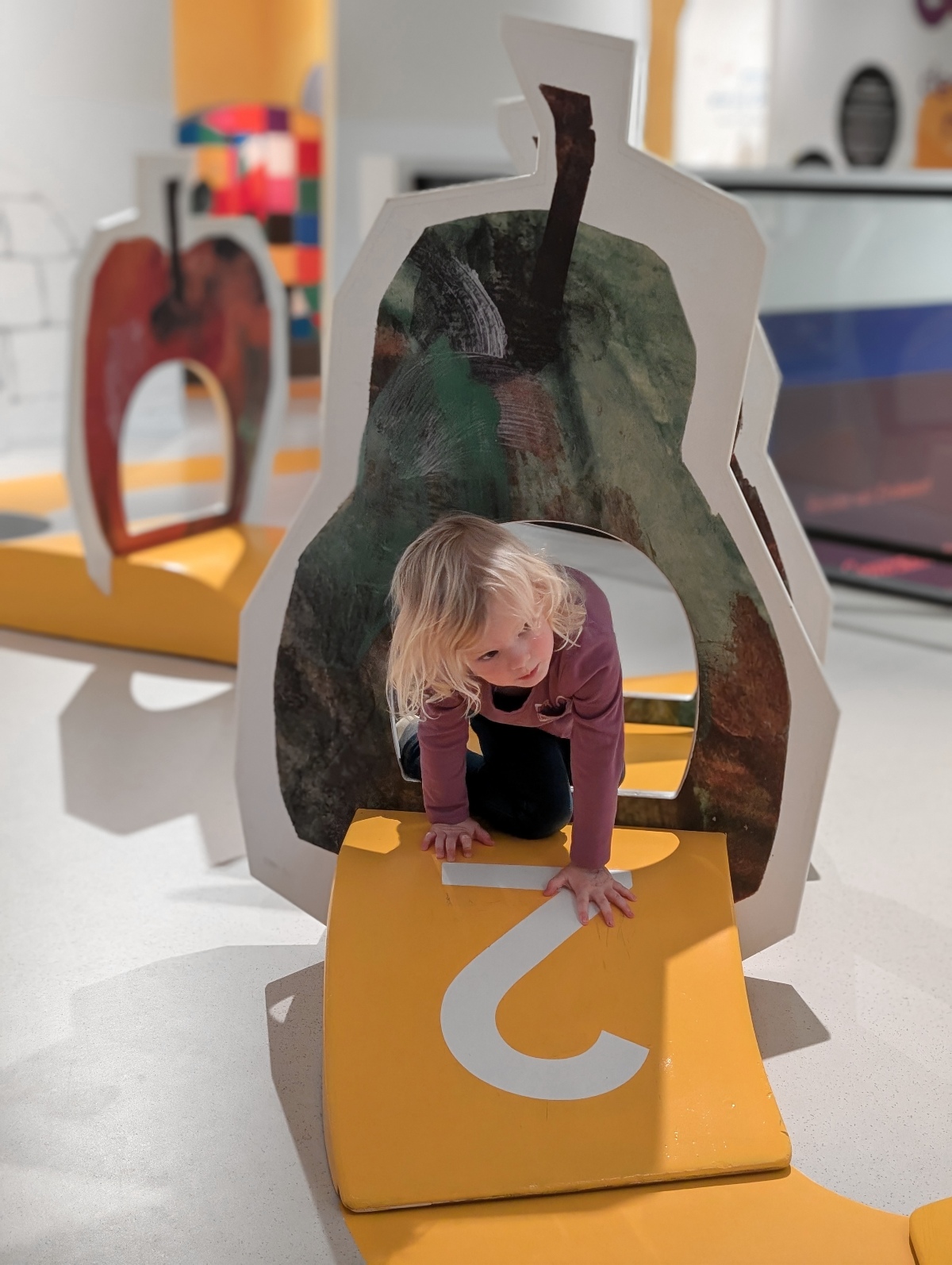
Further cementing the region’s commitment to youth engagement, the Children’s Book Museum (Kinderboekenmuseum), located within the Royal Library complex just minutes from the city center, redefines literary exhibition spaces. Rather than enforcing passive observation, the museum constructs immersive environments where children physically interact with beloved characters. Visitors can crawl through giant fruits nibbled by Eric Carle’s The Very Hungry Caterpillar, navigate polar habitats alongside literary bears, and explore artistic concepts inspired by Dick Bruna’s minimalist Miffy creations.
Coastal Diversions and Historic Day Trips
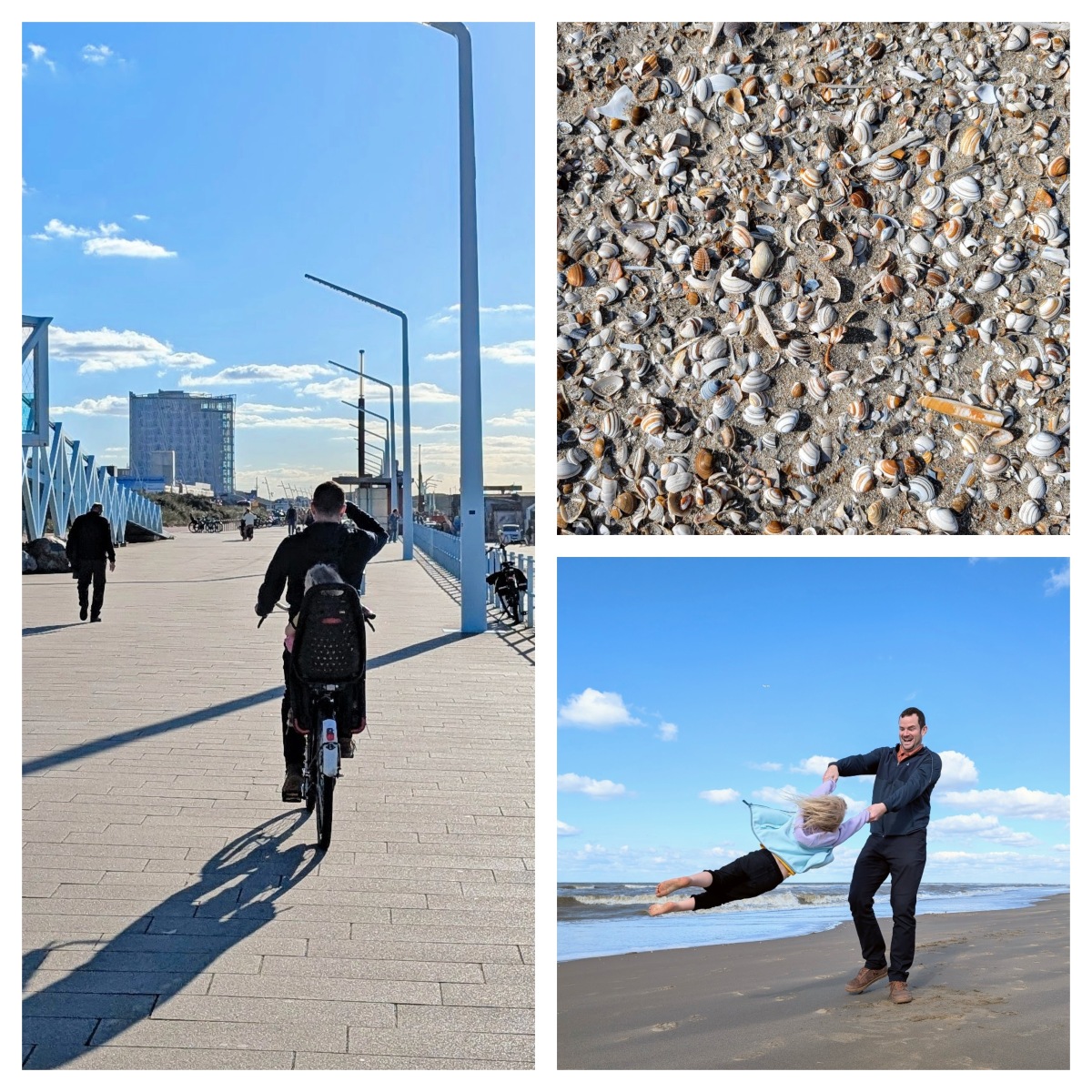
Expanding the radius beyond urban centers reveals the true breadth of Dutch infrastructure. A twenty-five-minute cycle west of The Hague brings travelers to Scheveningen, a historic coastal resort town characterized by wide sandy shores and extensive seaside promenades. The coastline invites tactile exploration, with beaches frequently layered in small shells. The local pier features modern entertainment options, including year-round enclosed Ferris wheels and seasonal adrenaline sports such as bungee jumping and ziplining, contrasting sharply with the tranquil dune pathways that connect the beach back to the mainland.
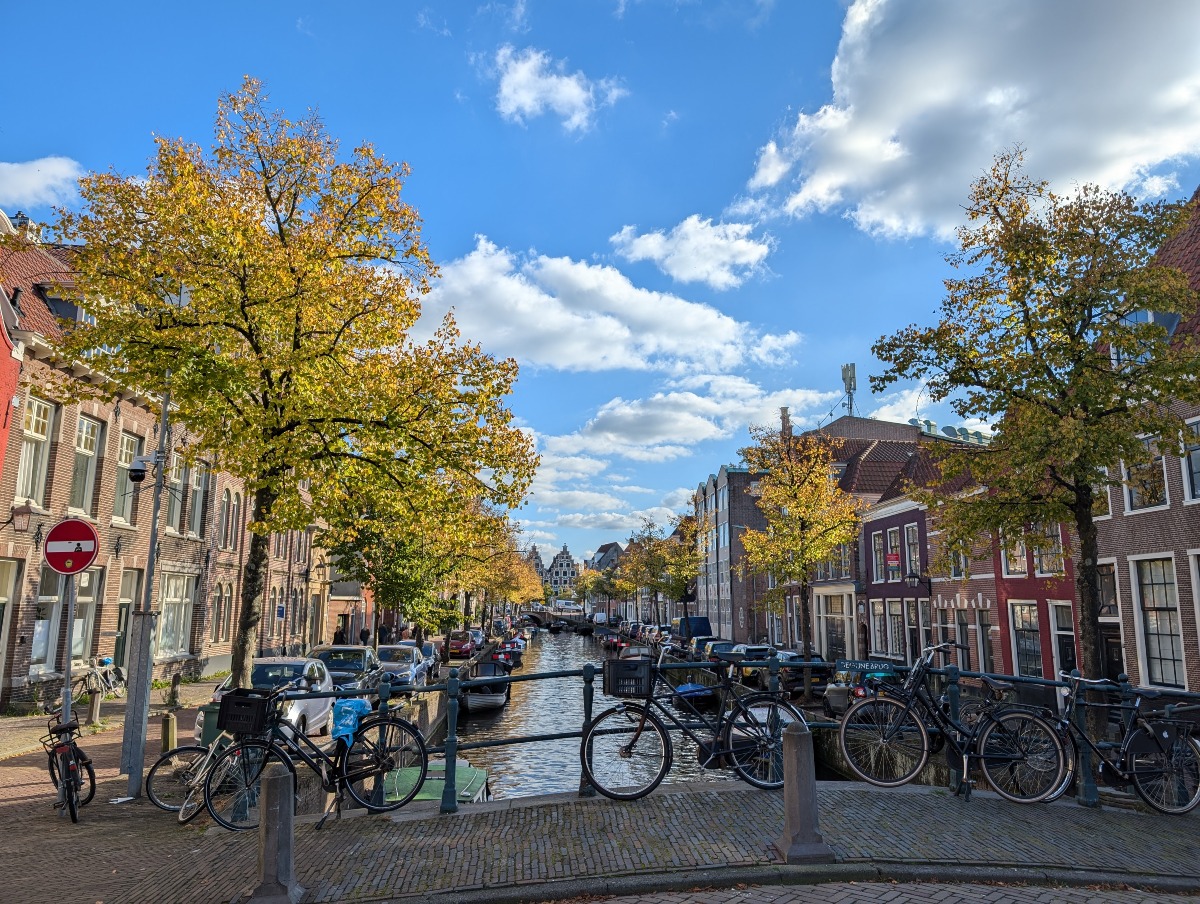
Continuing south along well-marked regional pathways leads to Delft, a city globally synonymous with its signature blue-and-white tin-glazed earthenware, known as Delftware. Situated roughly a thirty-five-minute ride from The Hague, Delft preserves a classic medieval streetscape defined by narrow canals, gabled facades, and historic bridges.
A focal point for industrial history in Delft is Molen de Roos, a seventeenth-century flour mill that remains fully operational. Unlike static museum exhibits, the mill welcomes visitors to climb its interior levels, observe the mechanics of traditional stone milling, and purchase freshly ground grain products directly from the site. Culinary traditions continue at local institutions like Stads-Koffyhuis, which specializes in warming beverages tailored for younger travelers, including hot chocolate topped with whipped cream and customizable confectionery sprinkles, alongside artisanal offerings for adults.
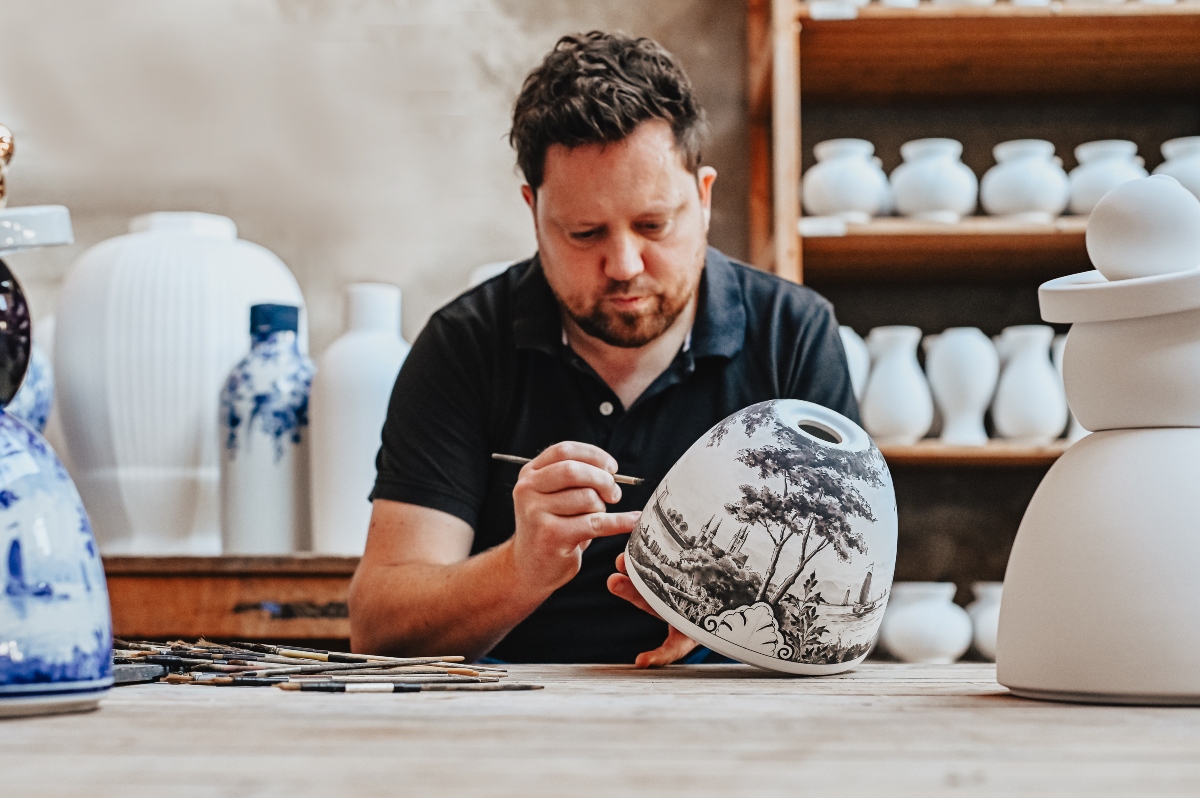
For those interested in the heritage of ceramic manufacturing, Royal Delft provides historical context through factory tours where master artisans can be observed hand-painting complex botanical and maritime motifs onto raw ceramic bodies. While the fragile nature of the inventory requires careful supervision when traveling with toddlers, the facility offers valuable insight into seventeenth-century trade relationships with East Asia and the evolution of European industrial arts.
Alternative Itineraries in Amsterdam
Travelers opting for Amsterdam as their primary destination find an equally robust framework for cycling excursions. Beyond the immediate boundaries of the inner ring canal, regional day trips offer distinct cultural vignettes. Zaanse Schans, located approximately an hour north of the city center by bike, functions as an open-air preservation area featuring functioning historic windmills, traditional green-timbered houses, and artisanal craft demonstrations that illustrate pre-industrial Dutch manufacturing.
Within the city itself, expansive green spaces provide essential decompression zones for families. Vondelpark, situated within minutes of the municipal center, offers dedicated play areas, open lawns, and outdoor cafes embedded within mature landscaping. Similarly, Amstelpark in the southern sector of Amsterdam features extensive botanical gardens, elaborate children’s play zones, and a functioning miniature railway that loops through the park grounds, offering structured entertainment within a natural setting.
Logistical Considerations and Hospitality Standards
Executing a successful multi-day cycling trip in the Netherlands requires attention to equipment selection and seasonal timing. Local rental agencies across both Amsterdam and The Hague routinely stock specialized family transport options, including front-loading cargo bikes fitted with secure bench seating and safety harnesses, ensuring that infants and toddlers remain protected while luggage and provisions are stowed securely.
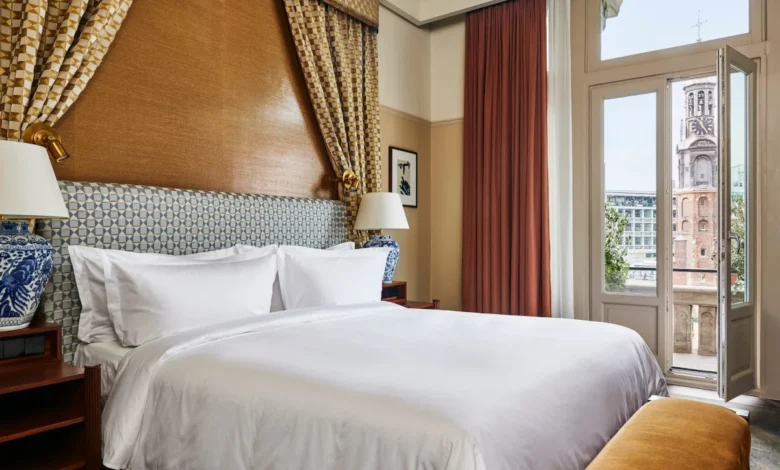
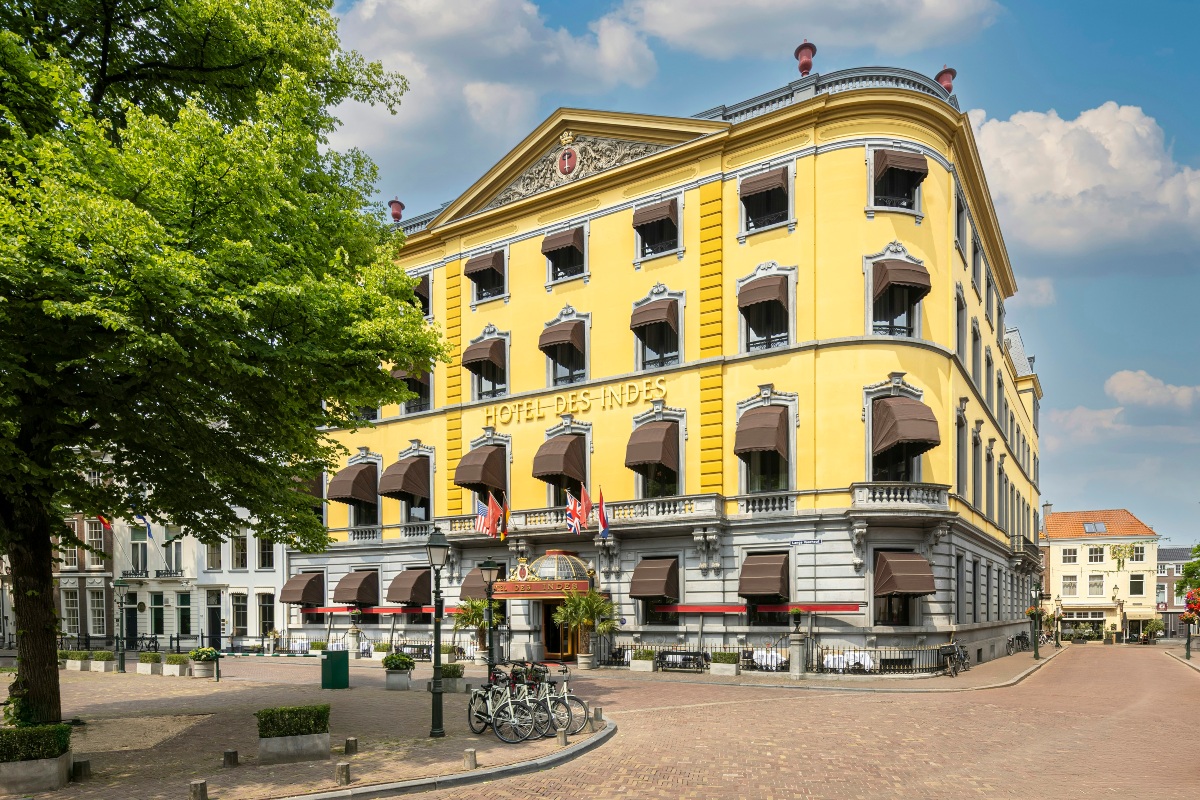
Accommodations throughout the region have increasingly adapted to the family adventure market. In The Hague, historic properties such as Hotel des Indes—originally constructed in 1858 as a aristocratic reception palace—combine nineteenth-century grandeur with modern family-oriented configurations, offering interconnected suites and specialized concierge services designed to coordinate regional excursions. Similarly, premier properties in Amsterdam, including De L’Europe situated along the Amstel River, maintain dedicated family programming and onsite bicycle rental facilities, bridging luxury hospitality with active tourism demands.
Industry analysts note that the integration of active transport into high-end travel packages reflects a broader shift toward sustainable, low-impact tourism. By prioritizing cycling infrastructure, municipalities not only reduce urban congestion and carbon emissions but also provide visitors with an authentic, unhurried perspective of local communities. As family travel demographics continue to prioritize experiential learning and outdoor engagement, the Netherlands remains a benchmark for how national infrastructure can successfully accommodate both the commuter and the vacationing family.
Related posts: