The Evolution of the Family Journey: How Travel Strategies Shift Across Developmental Milestones

The fundamental nature of the family vacation undergoes a profound transformation as children progress through various developmental stages, shifting from a logistics-heavy exercise in parental endurance to a sophisticated pursuit of shared intellectual and emotional connection. For decades, travel experts and parents alike have observed that the success of a trip is rarely dictated by the destination alone, but rather by how well the itinerary aligns with the specific needs of the children’s current age group. As the travel industry adapts to a post-pandemic landscape where multi-generational and experiential travel are at an all-time high, understanding this "ages and stages" evolution has become a critical component of successful luxury and adventure planning.
For Beth Gassel, a veteran traveler who has navigated the globe with her husband and three children over two decades, the evolution began with a shift in perspective. In the early years, the hotel was "mission control," a base for managing nap schedules and diaper changes. Twenty years later, the requirements have inverted; while extra space remains a priority, it is now to accommodate teenagers who stay up late while parents seek earlier rest. This trajectory reflects a broader trend identified by Ciao Bambino, a leading family travel consultancy that has tracked thousands of family journeys over the last 20 years. Their data suggests that the most successful trips are those that respect the shifting priorities of childhood: from routine and comfort in infancy to independence and voice in adolescence.

The Foundation of Travel: Babies and Toddlers (Ages 0-3)
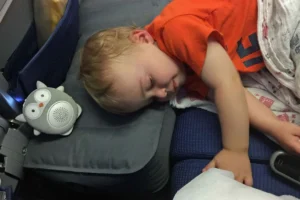
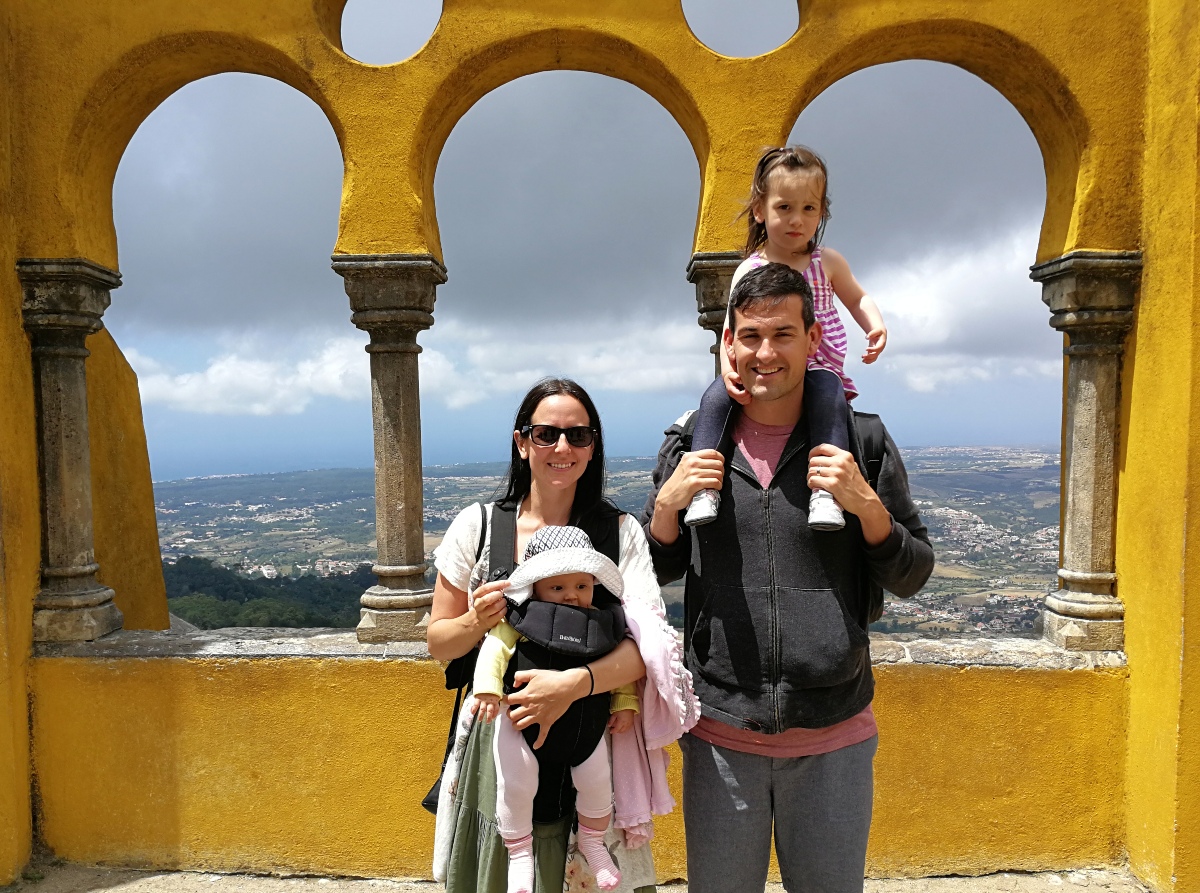
In the earliest stage of family travel, the primary objective is often described by parents as "parenting somewhere prettier." For children aged zero to three, the travel experience is less about the destination’s cultural offerings and more about the maintenance of routine and the mitigation of logistical friction. Industry data from the Family Travel Association indicates that parents of toddlers prioritize "low-stress" environments, with 62% of respondents in this demographic seeking accommodations that offer child-proofing, laundry facilities, and proximity to medical care.
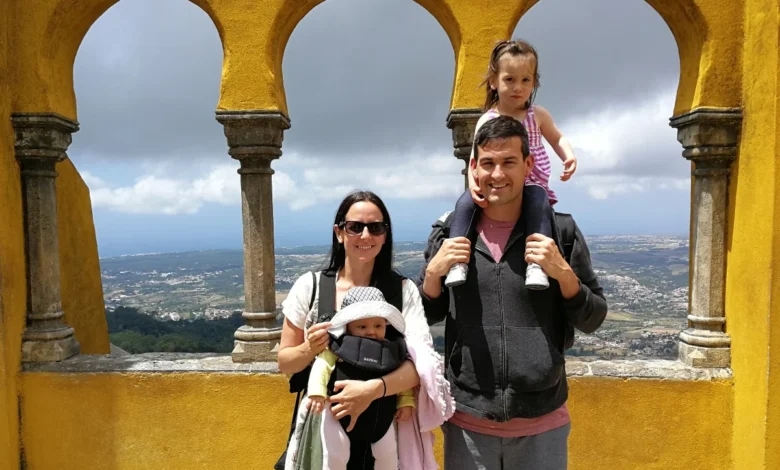
Beth Gassel recalls that during this stage, the "schlep factor"—the physical burden of transporting strollers, car seats, and portable cribs—was the greatest barrier to enjoyment. The solution for many modern families involves leveraging specialized services that allow for the rental of high-end baby gear at the destination, reducing the baggage burden. Furthermore, successful itineraries for this age group are characterized by "slow travel," a concept championed by Ciao Bambino Advisor Kristen Avini. Rather than moving between cities every two days, families find greater success by establishing a single home base for a week or more, allowing the child to acclimate to the new environment and maintaining a predictable sleep schedule.
The hospitality industry has responded to this need by expanding "amenity menus." Luxury resorts now frequently provide bottle warmers, organic baby food, and professional nannying services as standard offerings. By focusing on these logistical pillars—uninterrupted sleep, smooth transfers, and jet lag management—parents can transition from mere survival to actual enjoyment of the locale.
The Era of Discovery: Young Children (Ages 4-9)
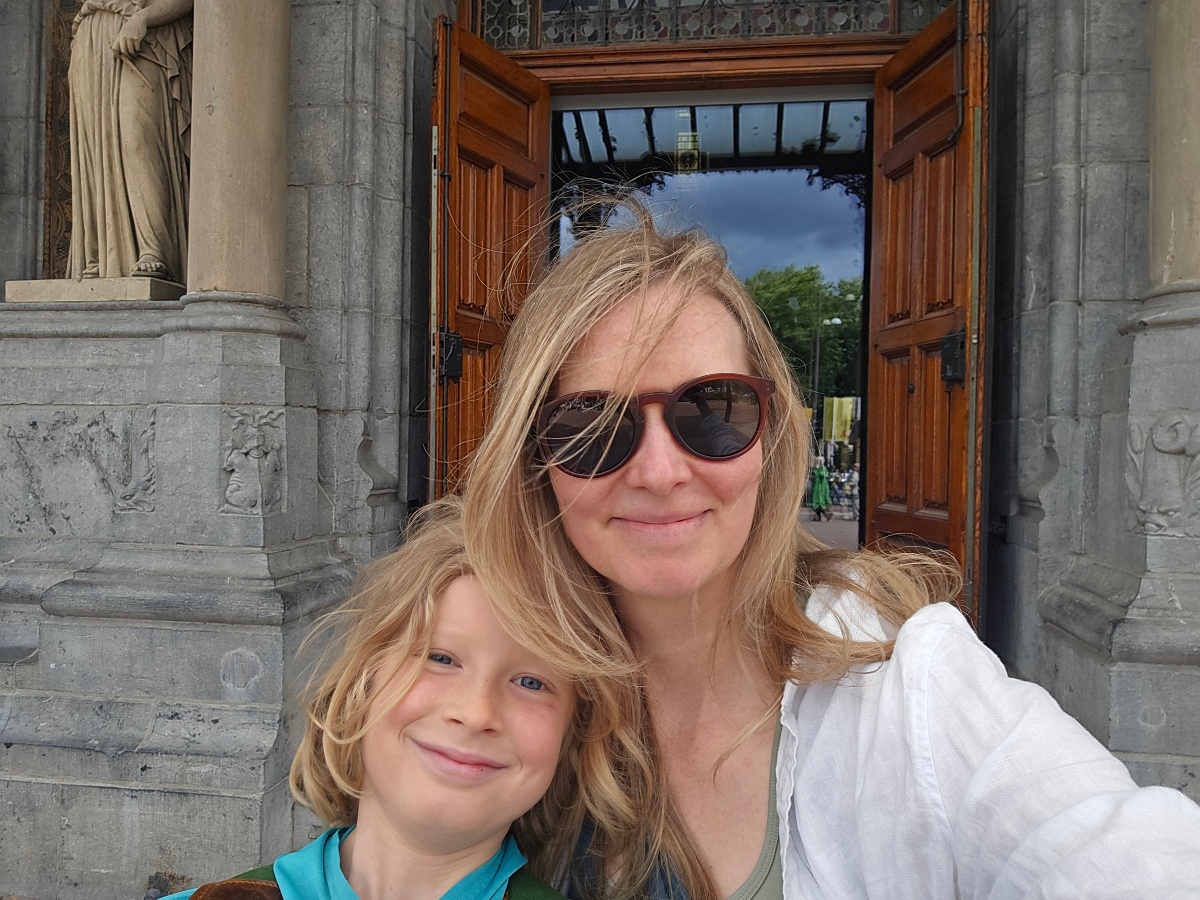
As children reach school age, their physical stamina increases and their curiosity begins to drive the itinerary. Between the ages of four and nine, the "map becomes bigger," and the focus shifts toward play and active discovery. This is the stage where "balanced itineraries" become the gold standard. According to travel advisor Lynda Zuber, children in this bracket require a blend of structured touring and unstructured downtime.
Angela Espinosa, a client of Zuber, noted that children at this age may not yet grasp the historical or cultural significance of a site like the Alhambra in Spain, but they are deeply engaged by the sensory experience of the location. For her family, the key was doling out small increments of "touring time" followed by significant periods of "play time." This period also marks the transition to multi-stop trips. Beth Gassel found that a four-night-per-city cadence was the ideal rhythm for this age group, providing enough time to settle into a new environment without the fatigue of constant relocation.
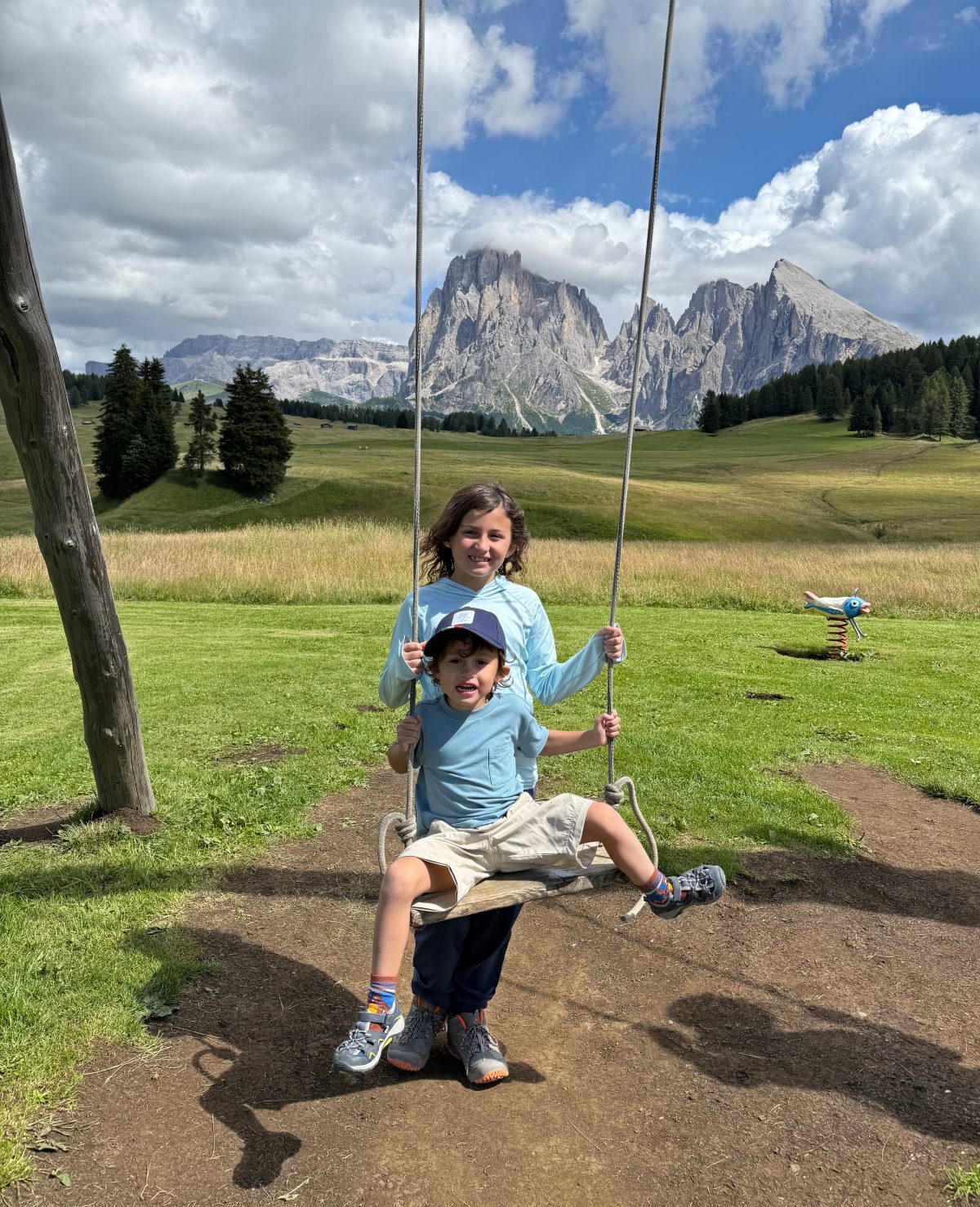
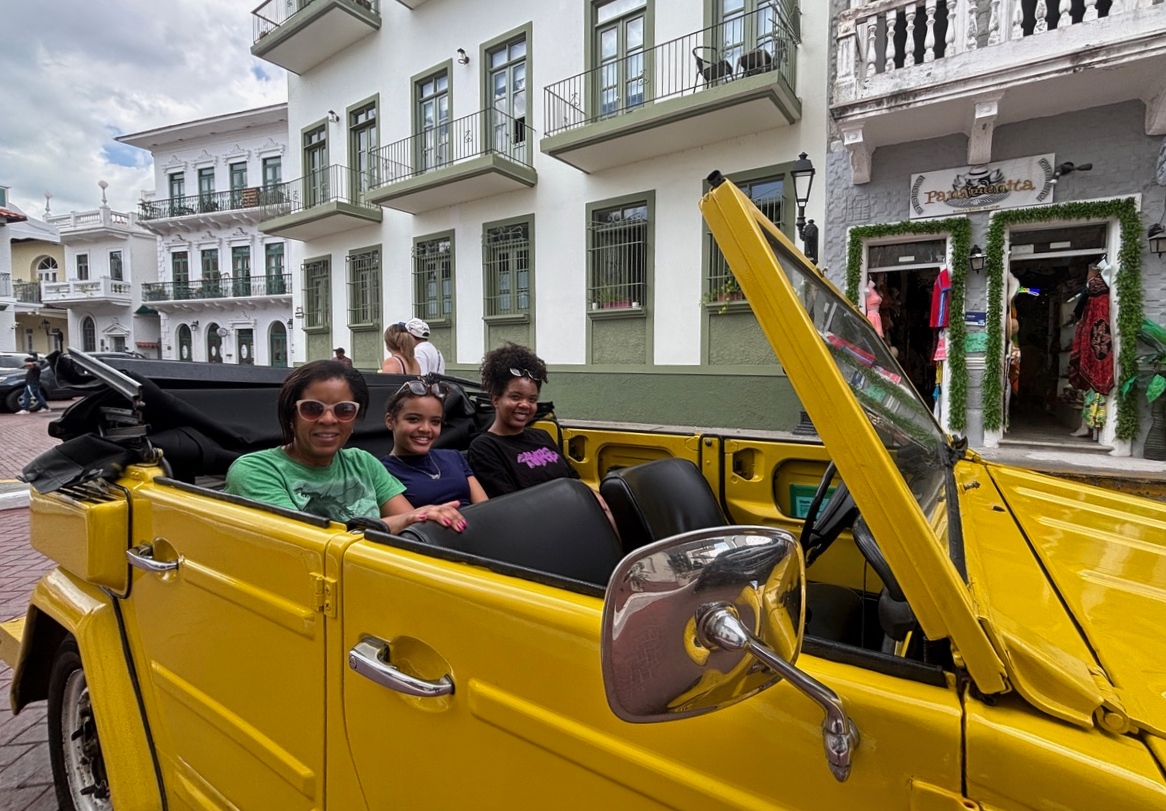
From a developmental standpoint, this age is critical for fostering a global mindset. Research suggests that children who travel internationally before the age of ten demonstrate higher levels of empathy and adaptability. However, the success of these trips relies on the "fun factor." Activities like pizza-making in Italy, visiting a playground in the Dolomites, or taking a vintage convertible ride in Panama provide the necessary engagement to make cultural immersion palatable for young minds.
The Pursuit of Autonomy: Tweens and Teens (Ages 10-17)
The most significant shift in family travel dynamics occurs when children enter their second decade. For tweens and teens, travel is no longer something that is done to them; it is something they wish to participate in. The priorities shift toward independence, social relevance, and hands-on learning. Industry trends show that "teen-led" travel—where adolescents are given the agency to choose specific activities or neighborhoods—results in significantly higher levels of family satisfaction.
One of the most effective strategies for this demographic is the use of specialized private guides who can bridge the gap between academic learning and real-world experience. Kate Eden Renyi, who traveled to Athens with her three children, highlighted the impact of a professional archaeologist named Alex. By using storytelling to bring ancient history to life, the guide kept the teenagers engaged even after a grueling red-eye flight. This "educational payoff" is a hallmark of successful teen travel, moving away from hushed museum tours toward active engagement.
Moreover, the need for physical space and independence becomes paramount. Beth Gassel’s strategy for her teenage daughters involved selecting accommodations in walkable, safe neighborhoods, allowing them to explore local cafes and shops on their own. This sense of autonomy is not just a luxury; it is a developmental necessity. Travel serves as a "safe laboratory" for independence, allowing teens to navigate new environments while still having the safety net of their parents nearby.
The Connection Phase: Young Adults (Ages 18+)
When children reach adulthood, the power dynamic of the family vacation flattens. Parents and adult children become peers, and the focus of the trip shifts to connection and shared sophisticated interests. Logistics at this stage often become more complex, as family members may be traveling from different cities or balancing professional obligations.
For many families, this stage is defined by "bucket list" adventures or niche interests. Kate Eden Renyi’s family now favors activity-based itineraries that combine cultural depth with physical challenges, such as skiing, hiking, or biking. She recalled a mother-daughter trip to Paris that focused on the history of fashion, featuring a private historian from Louis Vuitton. This level of specialization reflects the "young adult" desire for meaningful, deep-dive experiences that transcend traditional tourism.
Angela Espinosa emphasizes that for adult children, the "table" is the most important destination. Extended dinners and long conversations over exceptional food become the primary vehicle for connection. At this stage, the travel advisor’s role shifts toward that of a "concierge of connection," managing the complex moving parts of multiple adult schedules so the family can focus entirely on the quality of their time together.
Industry Analysis and Broader Implications
The evolution of family travel has significant implications for the global hospitality and tourism economy. The "Family Travel Association 2023 Annual Survey" revealed that 81% of parents plan to travel with their children in the coming year, with a growing percentage opting for international destinations. This has led to a surge in demand for "connecting suites" and "villa-style" accommodations that offer both shared living space and private quarters—a direct response to the "extra space" requirement mentioned by Beth Gassel.
Furthermore, the rise of "milestone travel"—trips taken to celebrate graduations, milestone birthdays, or the "last trip" before a child leaves for college—has created a lucrative market for high-end, customized itineraries. Travel agencies that specialize in family travel are no longer just booking flights and hotels; they are acting as "life-stage consultants," helping families navigate the delicate transition from the diaper bag to the backpack to the solo suitcase.
The broader impact of this evolution is the strengthening of the multi-generational bond. In an increasingly digital and fragmented world, the family vacation remains one of the few environments where multiple generations can engage in a shared, undistracted experience. Whether it is a toddler playing on a swing in the Dolomites or a young adult discussing fashion history in Paris, these experiences form the "family stories" that sustain relationships over decades.

Chronology of the Traveling Family Life Cycle
- The Survival Phase (Ages 0-3): Focus on "Mission Control." Key requirements: cribs, highchairs, proximity to amenities, and "slow travel" rhythms.
- The Engagement Phase (Ages 4-9): Focus on "Discovery." Key requirements: balanced itineraries, sensory-rich activities, and the introduction of multi-stop journeys.
- The Autonomy Phase (Ages 10-17): Focus on "Independence." Key requirements: teen-led choices, specialized guides, walkable neighborhoods, and reliable Wi-Fi.
- The Peer Phase (Ages 18+): Focus on "Connection." Key requirements: shared sophisticated interests (culinary, wellness, adventure), complex logistics management, and meaningful mealtime conversation.
Conclusion: The Constant Goal Amidst Change
While the logistics, destinations, and activities of family travel change every few years, the underlying objective remains constant: the creation of enduring memories. The transition from managing "mission control" to enjoying late-night dinners with adult children is a natural progression that mirrors the growth of the family itself. As the travel industry continues to evolve, the most successful journeys will be those that recognize that the child who needed a splash pad yesterday is the same child who will want to explore a food market or a historical archive tomorrow. By planning with the "age and stage" in mind, families ensure that their time together is not just a trip, but a milestone in their collective history.