The Ultimate Endurance Challenge: Beyond the Marathon to the World’s Most Extreme Ultramarathons

For seasoned athletes who have conquered marathons and even the grueling Ironman triathlon, the next frontier in athletic achievement lies in the realm of ultramarathons, particularly those set against the backdrop of the planet’s most awe-inspiring and challenging natural landscapes. These are not merely tests of physical stamina but profound journeys into the wild, demanding not only peak conditioning but also mental fortitude and adaptability. From the aquatic wilderness of Botswana’s Okavango Delta to the primordial jungles of Malaysia and the stark, frozen expanse of Antarctica, these ultramarathons offer the ultimate bragging rights for those who dare to push their limits far beyond the conventional.
Okavango to Tsodilo Ultra-Trail, Botswana: A Journey Through UNESCO Heritage
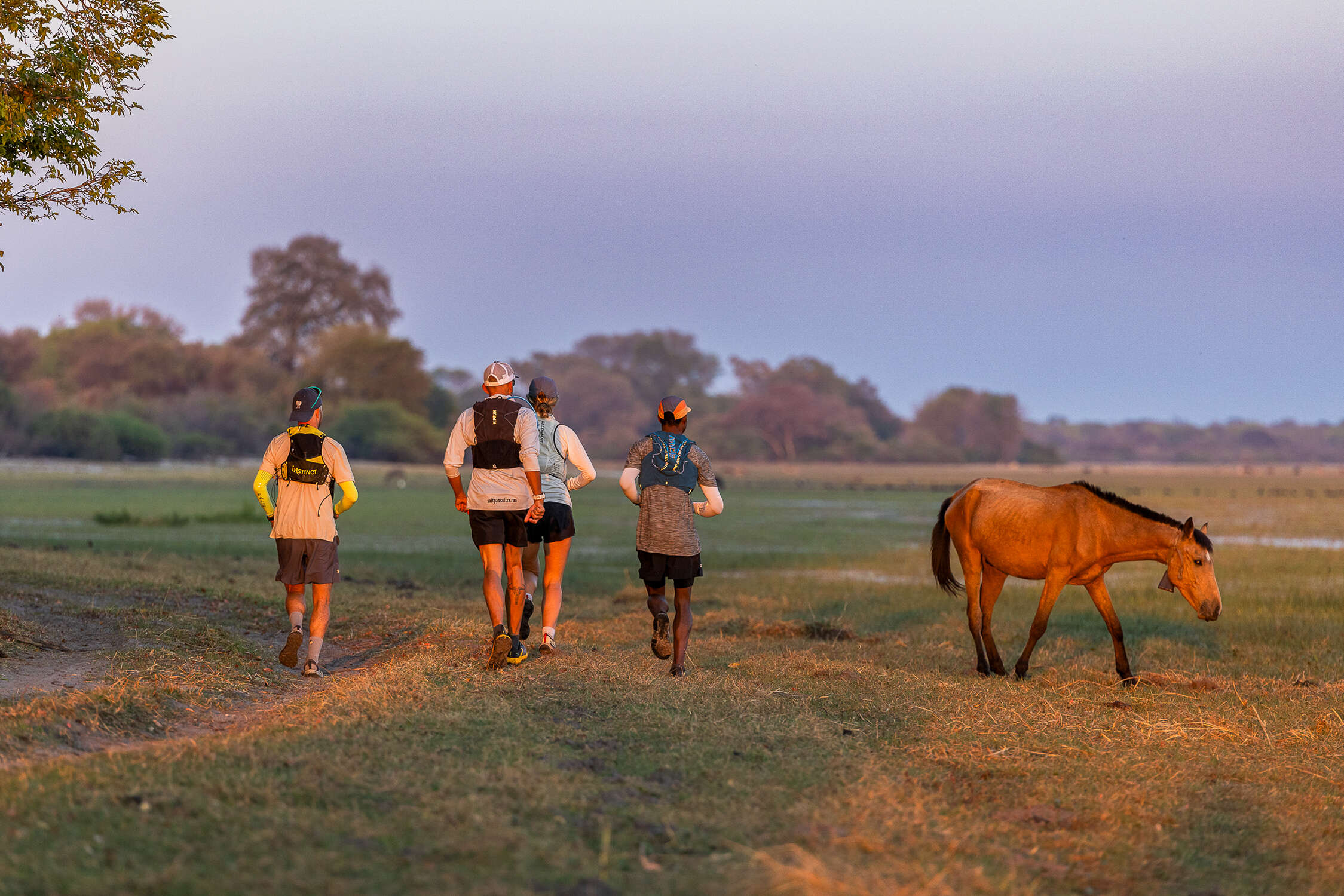
The Okavango to Tsodilo Ultra-Trail in Botswana presents an extraordinary 62.1-mile, four-day expedition that traverses two UNESCO World Heritage Sites: the intricate waterways of the Okavango Delta and the ancient, sacred Tsodilo Hills. Developed over more than a year of meticulous planning and testing by Desert & Delta Safaris, this event is conceptualized as a guided expedition rather than a traditional race, though the competitive spirit remains. The route begins in the Okavango Panhandle, guiding runners along the Nxamaseri Channel, a vital artery of the delta. Participants will navigate through dense island forests, vibrant fishing villages, and the ephemeral beauty of seasonal floodplains. Depending on the annual inundation levels, the journey may even incorporate a crossing via mokoro, the traditional dugout canoe, offering a unique perspective of the delta’s aquatic life. The inaugural night is spent at the exclusive Nxamaseri Island Lodge, a serene retreat nestled on a private island enveloped by the delta’s tranquil waters. This setting provides a stark contrast to the challenges that lie ahead, allowing participants to acclimatize and prepare for the diverse terrains to come.
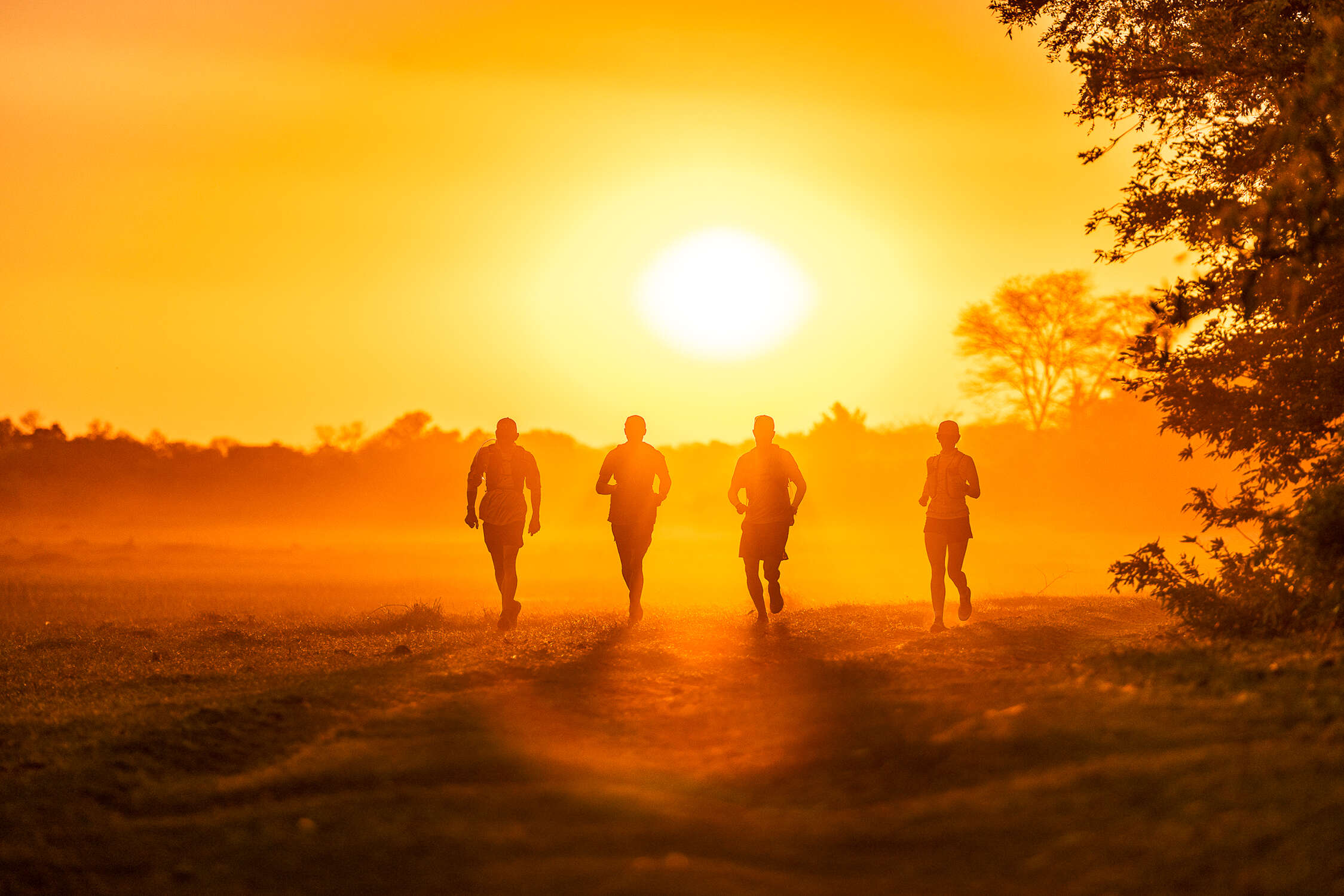
The second day marks a significant shift in landscape as participants leave the wetlands behind and enter the vast, sandy savanna of the Kalahari Desert. This segment represents the longest running distance of the expedition, culminating in the arrival at the Tsodilo Hills. This remarkable site holds immense cultural and spiritual significance for the indigenous San people, boasting one of southern Africa’s most extensive collections of ancient rock art. The night following this demanding stretch is spent at a basic expedition camp situated beneath the imposing Tsodilo Hills, offering an unparalleled stargazing experience in the clear desert sky. Day three is intentionally shorter, focusing on exploration and immersion within the Tsodilo Hills area. An optional ascent of Male Hill, one of Botswana’s highest natural points, offers breathtaking panoramic views of the surrounding landscape. Following this, runners return to the comfort of Nxamaseri Island Lodge. The final day is dedicated to recovery and reflection, featuring activities such as yoga, leisurely mokoro excursions, and a celebratory farewell dinner. While safety protocols are rigorously implemented to avoid areas with high predator activity, encounters with Botswana’s iconic wildlife, including hippos, crocodiles, and elephants, remain a possibility, adding an element of raw adventure to the experience. Each group is accompanied by professional guides, a dedicated medic, and comprehensive support staff, ensuring both safety and an enriching encounter with Botswana’s natural and cultural heritage. The next scheduled dates for this extraordinary event are April 1-5, 2027, with provisions for private group arrangements available at any time. The cost for this expedition typically ranges from $3,500 to $4,500 USD per person, reflecting the logistical complexity and exclusivity of the experience.
Chapman’s Challenge, Malaysia: A Tribute to Resilience in the Jungle
Chapman’s Challenge in Malaysia is an extreme endurance test steeped in a compelling historical narrative, named in honor of Freddie Spencer Chapman, a British World War II commando. In 1942, during the Japanese occupation of Malaysia, Chapman found himself stranded behind enemy lines. Cut off from all supplies and presumed dead, he faced a stark choice: surrender and endure captivity or vanish into the dense, unforgiving jungle. He chose the latter, evading enemy forces for over three years and surviving in incredibly challenging conditions before his eventual rescue.
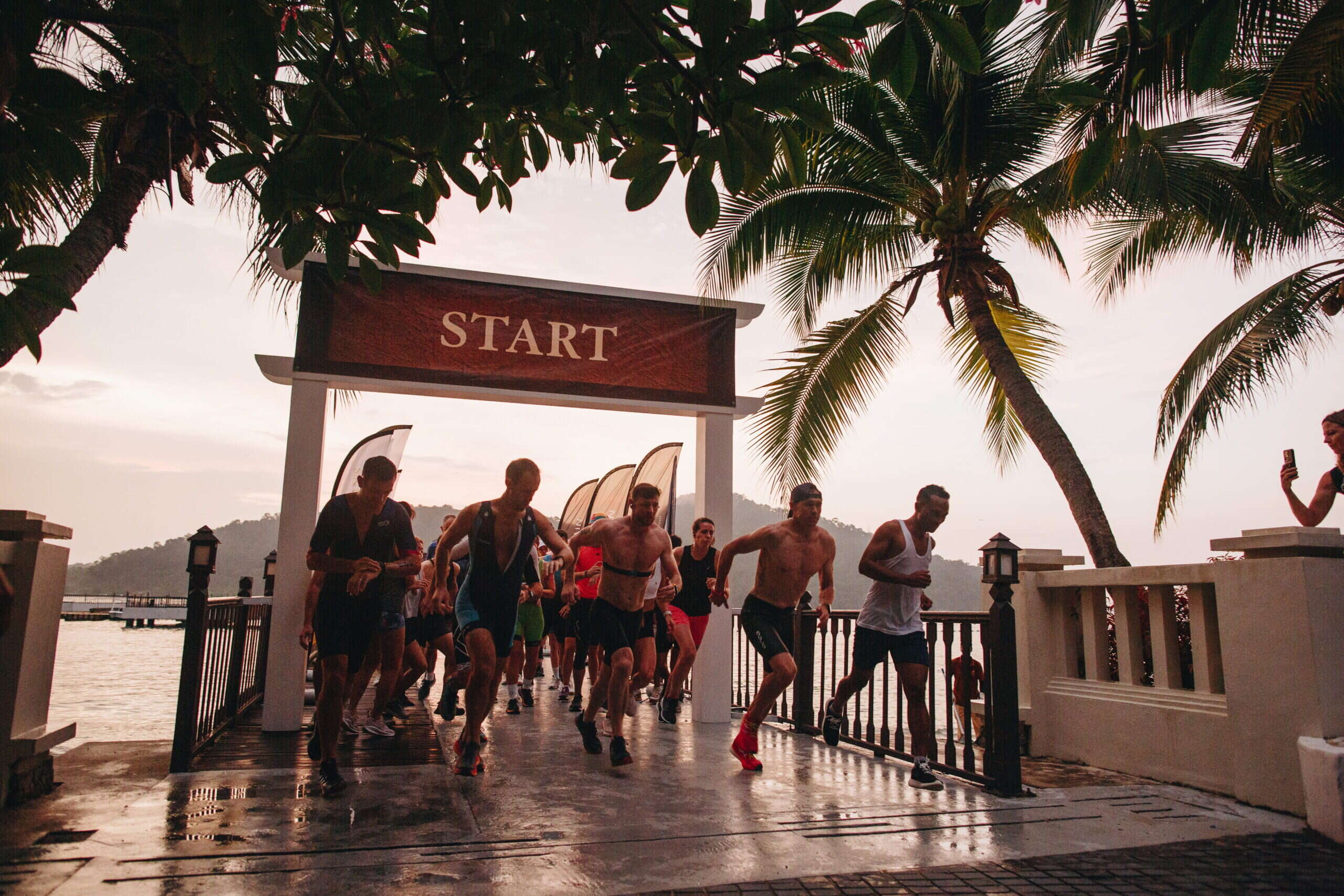
This event, while not an ultramarathon in terms of pure distance, stands as a formidable test of endurance and grit, paying homage to Chapman’s extraordinary resilience. The race is characterized by its short yet brutally demanding route. It commences with a highly challenging four-mile run across a predominantly hilly island terrain. This is immediately followed by a strenuous 1.5-mile trek through a dense, ancient jungle estimated to be two million years old, a testament to the natural environment Chapman navigated. The challenge culminates with a demanding 0.62-mile open-water swim in the serene waters of Emerald Bay, the very location where Chapman was ultimately extracted by submarine. This final leg symbolizes the ultimate escape and the culmination of his perilous journey.
Alex Martin, an alumnus of Elite Traveler who participated in the event in 2019, vividly described the experience: "It took me one hour and one second to finish it. I was utterly exhausted – and that’s just a sliver of what Chapman endured." This sentiment underscores the profound difficulty of the challenge, which transcends mere physical exertion and delves into the realm of mental fortitude. The current record for completing Chapman’s Challenge is held by Australian athlete Matt Pole, who achieved a remarkable time of 45 minutes and four seconds in 2019, a benchmark that remains unbroken. In May of this year, Chapman’s Challenge introduced new categories to broaden its appeal and accessibility. Alongside the traditional solo race, a relay option was added, allowing teams of two to share the challenge, with one runner tackling the land segments and the other the open-water swim. Additionally, a junior edition was introduced for participants aged 11 to 17, fostering a new generation of endurance athletes. Dates for the 2027 event are yet to be announced, but the event consistently draws international participants attracted by its unique historical significance and demanding course. The participation fee for Chapman’s Challenge typically ranges from $100 to $150 USD, making it a more accessible yet equally intense challenge.
Antarctica Ice Ultra: The Ultimate Frozen Frontier
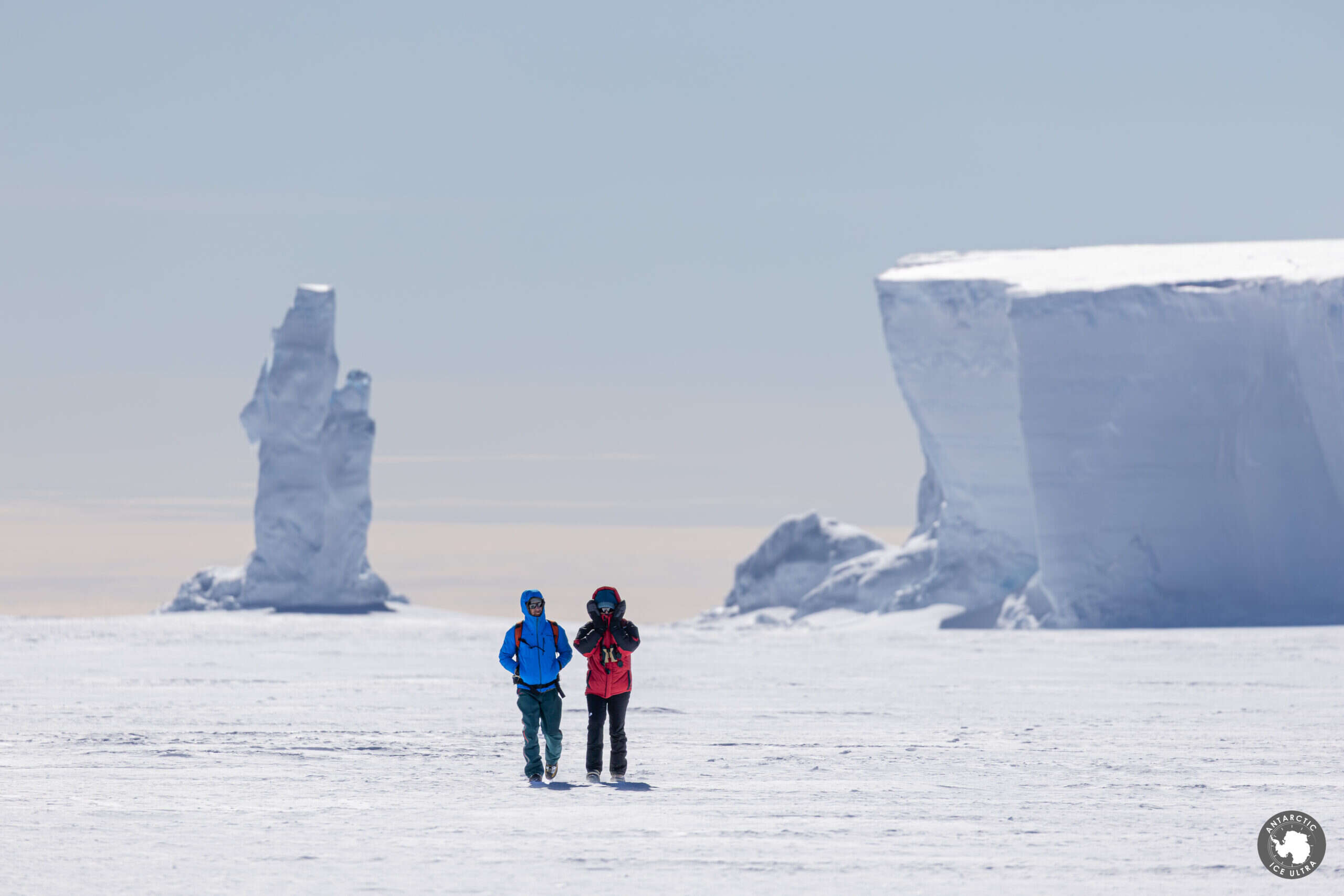
The Antarctica Ice Ultra is arguably the most extreme endurance race on the planet, held annually on November 9th, deep within the vast, frozen ice sheet of Queen Maud Land in East Antarctica. This event represents one of the most remote and demanding endurance challenges globally, with very few individuals having ever set foot in this pristine interior, let alone competed across its icy plains.
Participants embark on their journey from Cape Town, South Africa, before landing on a specially prepared blue-ice runway at Ultima Base Camp. This remote location, situated well within the continent’s interior, is visited by only a small fraction of the continent’s annual tourists, highlighting the exclusivity and pioneering spirit of the event. The Antarctica Ice Ultra offers a variety of distances to cater to different levels of endurance: a half marathon, a full marathon, a 50km race, a 50-mile race, a 100km event, and a 24-hour team relay. The course unfolds across the immense ice sheet, subjecting racers to some of the most challenging environmental conditions imaginable. These include sub-zero temperatures, relentless wind exposure, and navigating a constantly shifting and potentially unstable icy surface. This ultra-marathon is an unparalleled test of endurance, pushing participants to their absolute physical and mental limits, and is unequivocally not for the faint of heart.
Despite the extreme conditions, remarkable records have been set on the Antarctic ice. The women’s 100km record is held by Australian Julianne Young, who achieved an astonishing time of 15 hours, 31 minutes, and 10 seconds in 2012. For the men’s 100km, the record belongs to Yusheng Ni from China, with an impressive time of nine hours, 20 minutes, and 28 seconds. Ni also holds the men’s record for the 100-mile race, completing it in 22 hours, 40 minutes, and 47 seconds. Notably, there are currently no established records for the women’s 100-mile race, the 24-hour solo event, or the 24-hour relay, presenting opportunities for future athletes to make their mark. Most participants spend approximately five days at the base camp, situated near the Schirmacher Oasis, a unique ice-free area that provides a stark contrast to the surrounding glacial landscape. Beyond the race itself, the experience offers opportunities for guided hikes, exploration of towering ice walls and mesmerizing cobalt-blue ice caves, and visits to newly discovered emperor penguin colonies. Post-race recovery is conducted in true polar fashion, typically involving invigorating saunas followed by a bracing ice plunge, a fitting conclusion to an unparalleled adventure. The cost of participating in the Antarctica Ice Ultra is substantial, reflecting the complex logistics and specialized support required, often ranging from $15,000 to $20,000 USD per person, making it a significant investment for an extraordinary experience.
Beachcomber Trail, Mauritius: Island Grit and Grand Vistas
While Mauritius is often envisioned as a tranquil paradise for honeymooners and beach enthusiasts, its rugged southern coast plays host to the Beachcomber Trail, an event that draws over 1,000 participants annually seeking a different kind of island experience. After a brief hiatus, the event is set to return in 2026 on Saturday, July 25th, with several enhancements designed to elevate the challenge and the participant experience.
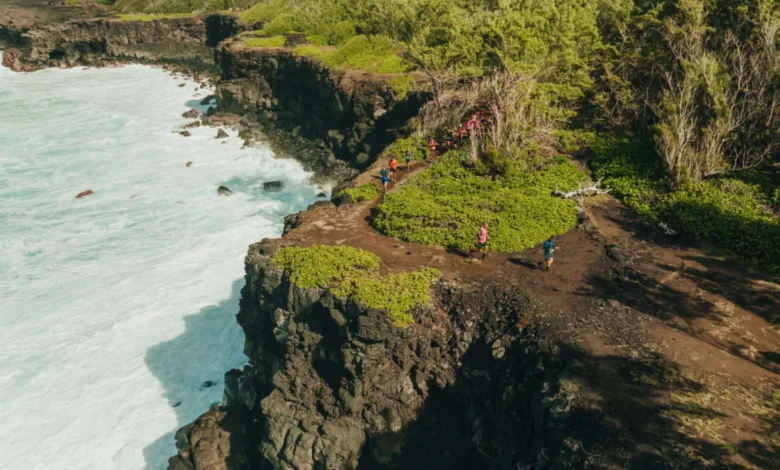
The meticulously mapped route winds along the island’s dramatic southern coastline, traversing technical forest trails, expansive sandy beaches, and offering breathtaking panoramic vistas. The course has been expertly designed by local guides to showcase paths and terrains that are typically inaccessible to the average tourist, providing an intimate and challenging exploration of Mauritius’s diverse natural beauty. The event offers three distinct distances to accommodate a range of athletic abilities. The 10-km Trail du Souffleur presents rolling terrain that leads participants through serene filaos groves to dramatic coastal cliffs. The 25-km Trail du Nautile, which is officially registered with the International Trail Running Association, features a cumulative elevation gain of approximately 908 feet and winds its way through lush sugarcane fields, offering a taste of the island’s agricultural heartland.
The premier event, the 65-km course, commences in the picturesque coastal village of Case Noyale and boasts a formidable cumulative elevation gain of about 7,200 feet. This ultimate challenge begins with a demanding ascent to the summit of Piton de la Petite Rivière Noire, the highest mountain in Mauritius, rewarding participants with unparalleled views. Following this, runners descend into the verdant expanse of the Black River Gorges National Park. The course then involves a strenuous climb up the Parakeet and Paille-en-Queue trails, leading to the majestic Alexandra Falls, before a final push to the summit of Piton Savanne. The concluding stretch of the race takes participants through the charming village of Souillac and along the dramatic southern cliffs, offering a spectacular finish. All races converge at the pristine shoreline of Shandrani Beachcomber Resort, providing a fitting celebratory endpoint.
New for the 2026 edition, the 40-mile course will also be available as a relay, allowing teams of three to share the arduous journey. This relay format divides the distance into three distinct legs: a 17 km segment from Case Noyale to Alexandra Falls, a 15 km section to Rochester Falls, and the final 33 km stretch to Shandrani’s shoreline. This addition aims to foster teamwork and camaraderie, making the ultra-distance more accessible to a wider group of athletes. Participation fees for the Beachcomber Trail typically range from $50 USD for the 10km to $150 USD for the 65km, making it a more affordable yet still highly challenging international trail running event. The return of the Beachcomber Trail signifies a growing trend in adventure tourism, where athletic prowess is intertwined with the exploration of unique and captivating global destinations.