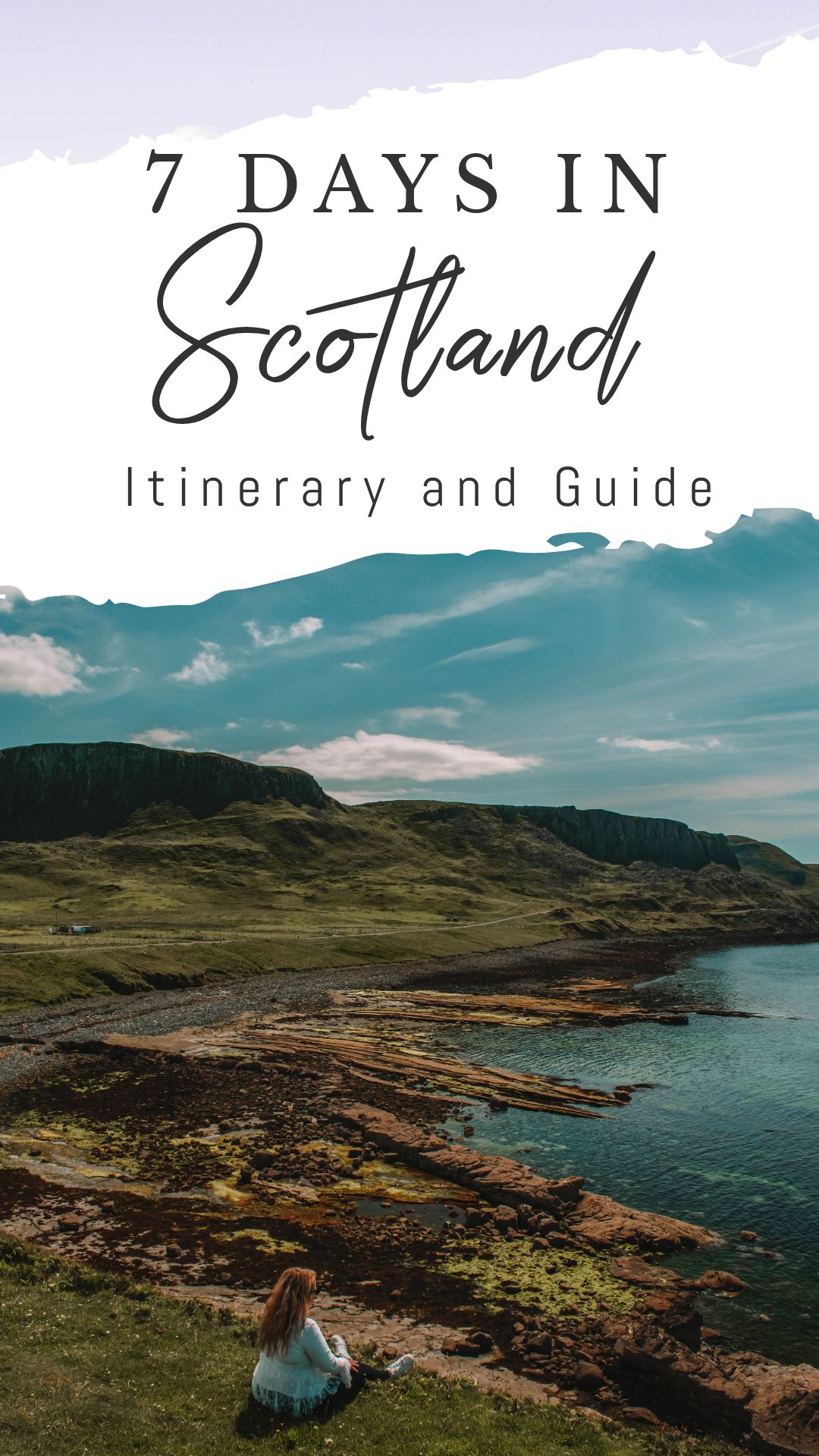
Scotland’s tourism sector remains a cornerstone of the national economy, with the Scottish Government reporting that the industry contributes approximately £6 billion annually to the country’s Gross Domestic Product (GDP). As global travel trends shift toward immersive and experiential journeys, the demand for structured, high-value itineraries through the Scottish Highlands and historic urban centers has reached unprecedented levels. This comprehensive seven-day itinerary provides a logistical framework for traversing the country’s most significant cultural and geographical landmarks, balancing the rugged wilderness of the Inner Hebrides with the architectural sophistication of Edinburgh.
Administrative Logistics and Economic Context
Travelers planning a Scottish excursion must account for several logistical and regulatory factors. Primary among these is the upcoming legislative change in the capital; starting in July 2026, Edinburgh will implement a 5% visitor levy on all overnight stays, including hotels and short-term rentals. This revenue is earmarked for infrastructure improvements and the preservation of the city’s UNESCO World Heritage sites.
Furthermore, the regional geography necessitates a focus on independent transportation. While rail networks connect major cities, the Scottish Highlands are best accessed via personal vehicle. It is essential to note that Scotland operates on left-hand drive regulations. The rural road network, particularly in the Highlands, frequently utilizes "single-track roads" with designated passing places. Observers of the Scottish tourism industry note that while these roads present a challenge to international drivers, they are vital for maintaining the aesthetic and ecological integrity of the countryside.
Day 1: Transition to the Gateway of the Isles
The itinerary commences with a departure from Edinburgh Airport, bypassing the capital initially to prioritize the rural West Coast. The three-hour transit to Oban serves as a primary introduction to the Scottish landscape, transitioning from the central lowlands to the mountainous terrain of Argyll and Bute.
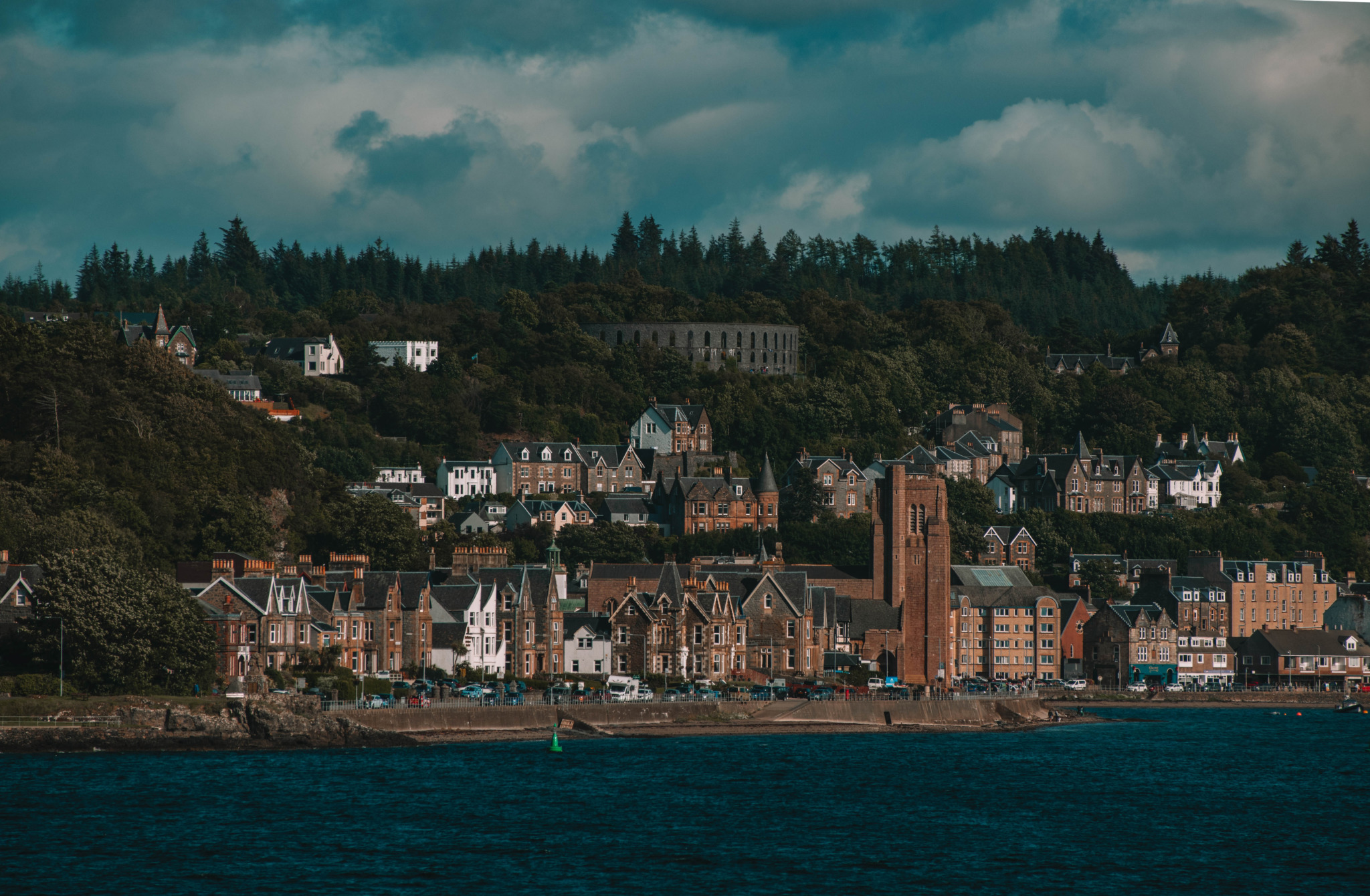
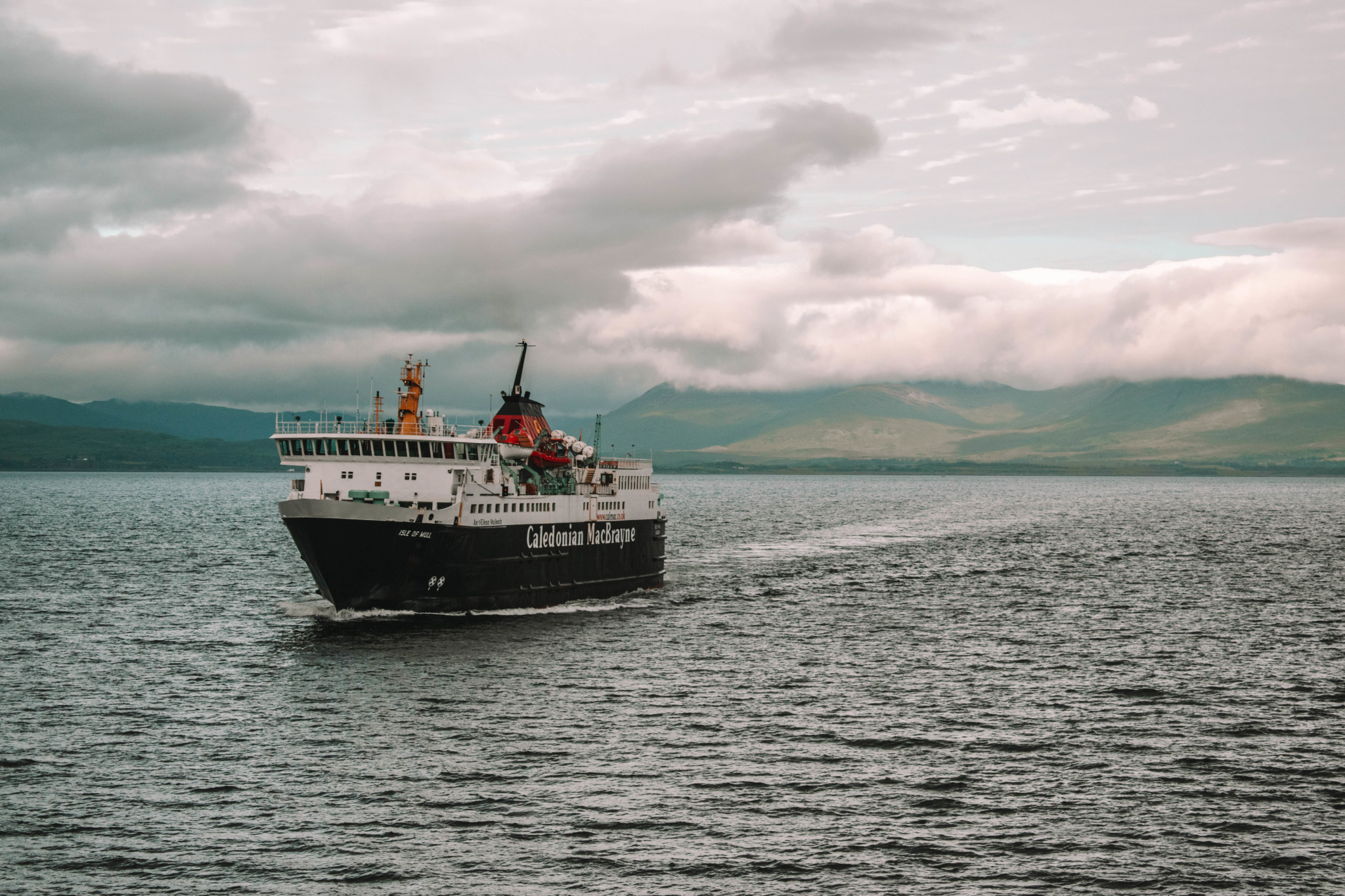
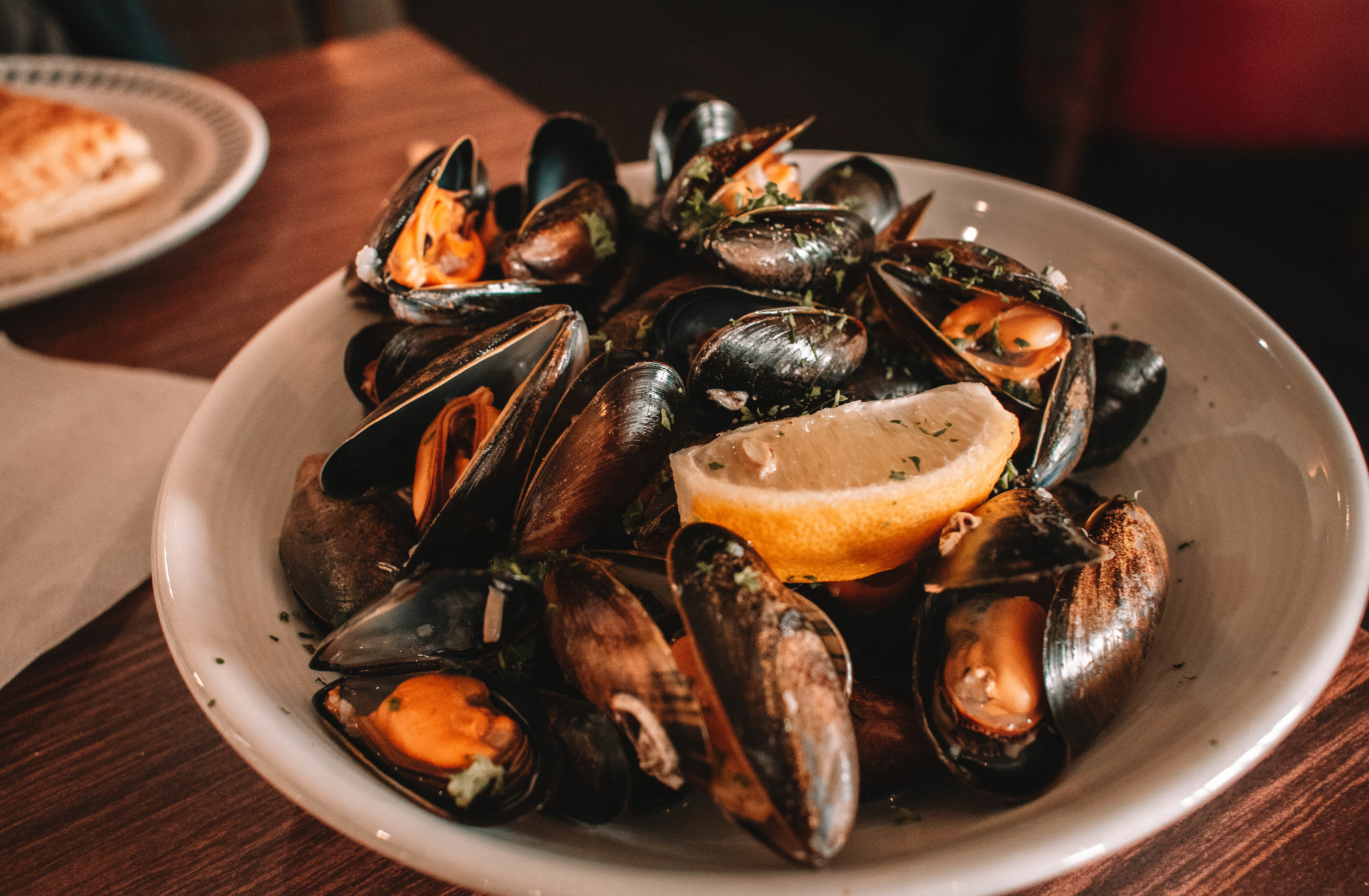
Oban is recognized globally as the "Seafood Capital of Scotland." The town serves as a critical logistics hub for the CalMac ferry network, which connects the mainland to the Inner and Outer Hebrides. Historically, Oban’s growth was spurred by the arrival of the railway in the 19th century and the establishment of the Oban Distillery in 1794. For travelers, the town offers a strategic base for island-hopping while providing high-quality hospitality services, such as the centrally located Fairhaven B&B, which reflects the region’s competitive mid-range accommodation market.
Day 2: The Inner Hebrides and the Geological Significance of Staffa
The second day focuses on the "Three Island Tour," a seasonal excursion operating from April through October. This journey encompasses the Isle of Mull, Iona, and Staffa, offering a cross-section of Scottish natural and ecclesiastical history.
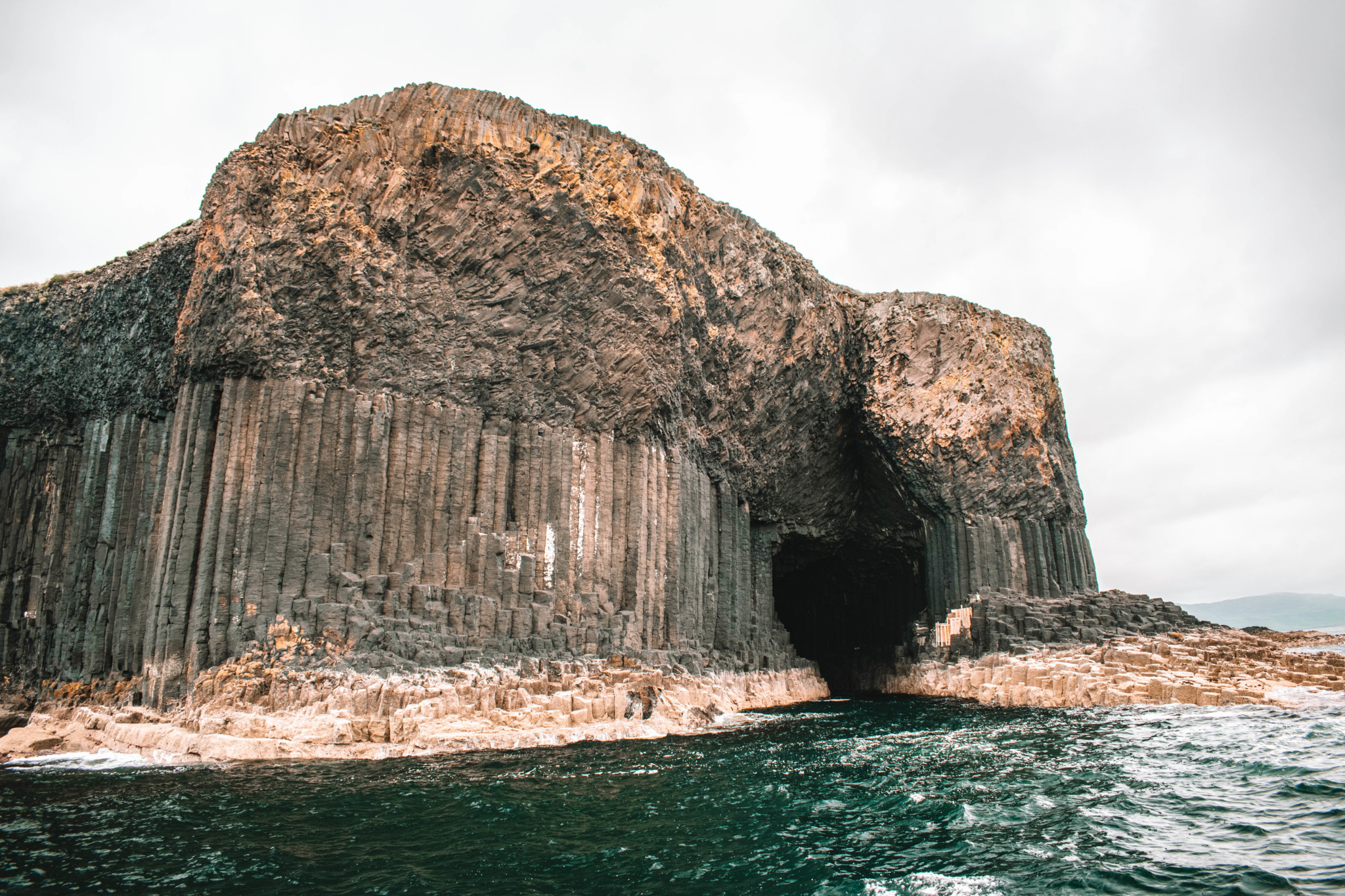
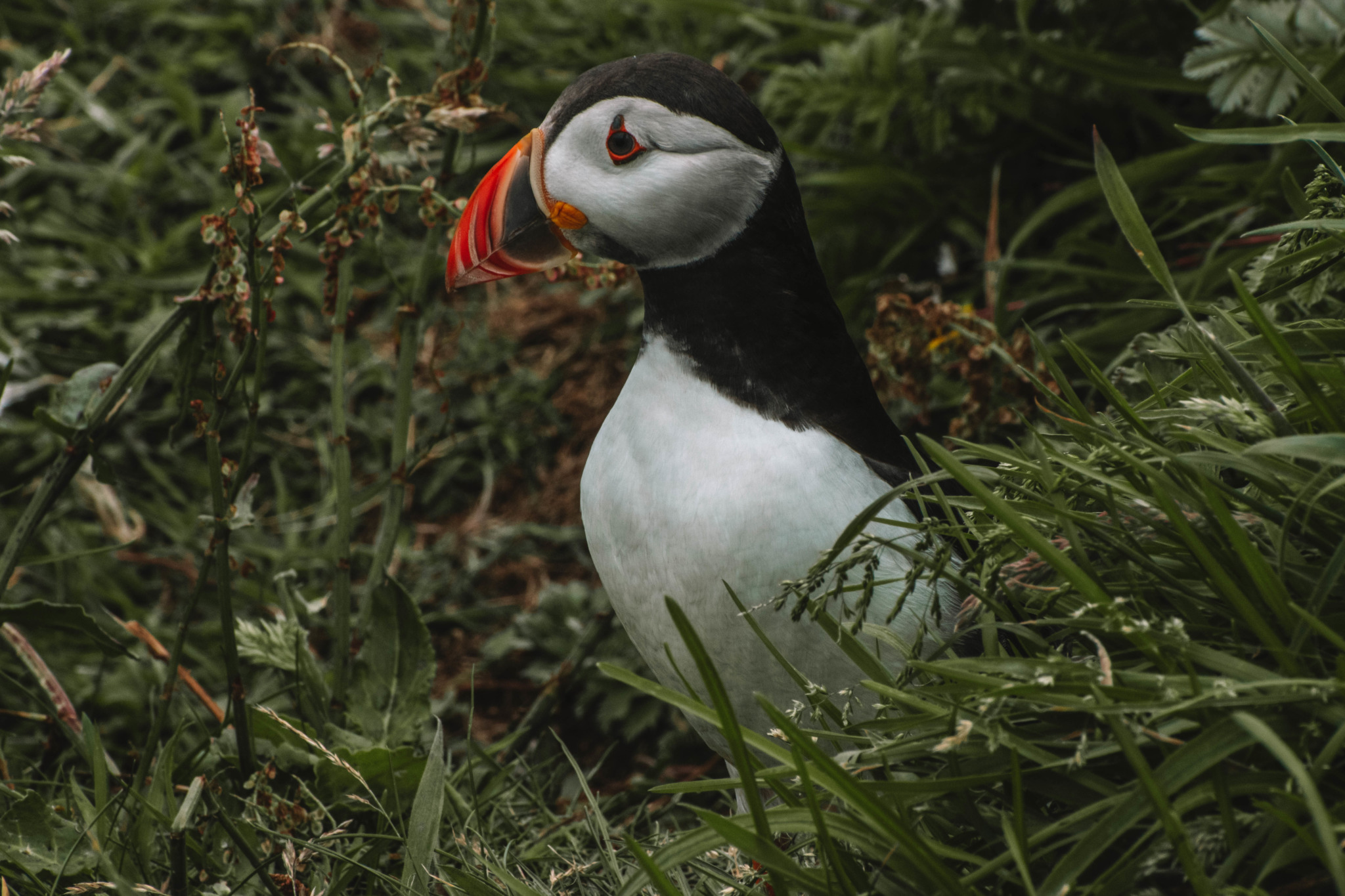
The Isle of Mull, the second-largest island of the Inner Hebrides, is a center for eco-tourism, particularly for the sighting of white-tailed sea eagles and minke whales. Logistically, visitors traverse the island via coach to reach the boarding point for Staffa. Staffa is of immense geological importance, characterized by its hexagonal basalt columns formed by volcanic activity approximately 60 million years ago. The island is home to Fingal’s Cave, a sea cave that inspired Felix Mendelssohn’s "Hebrides Overture."
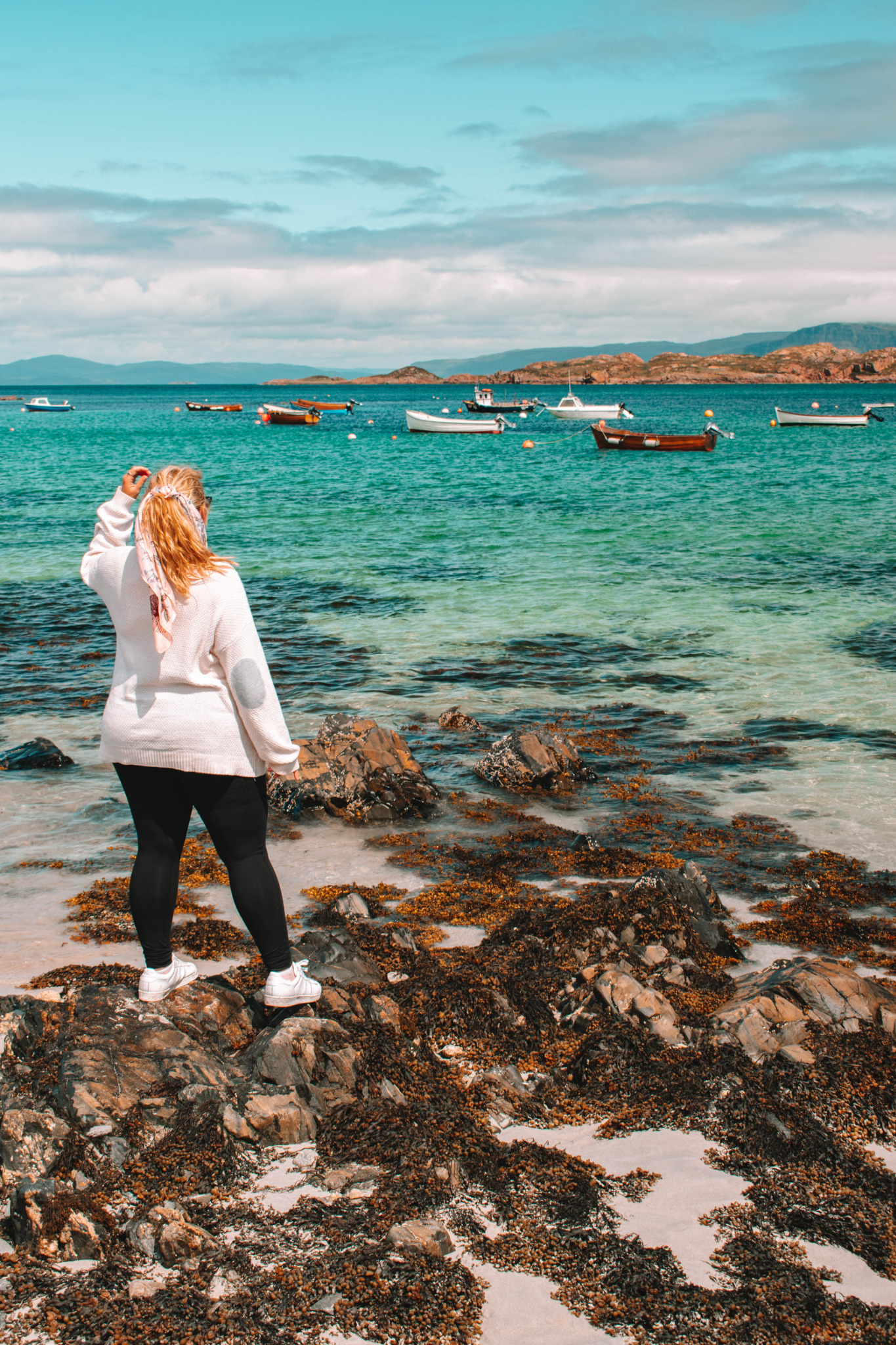
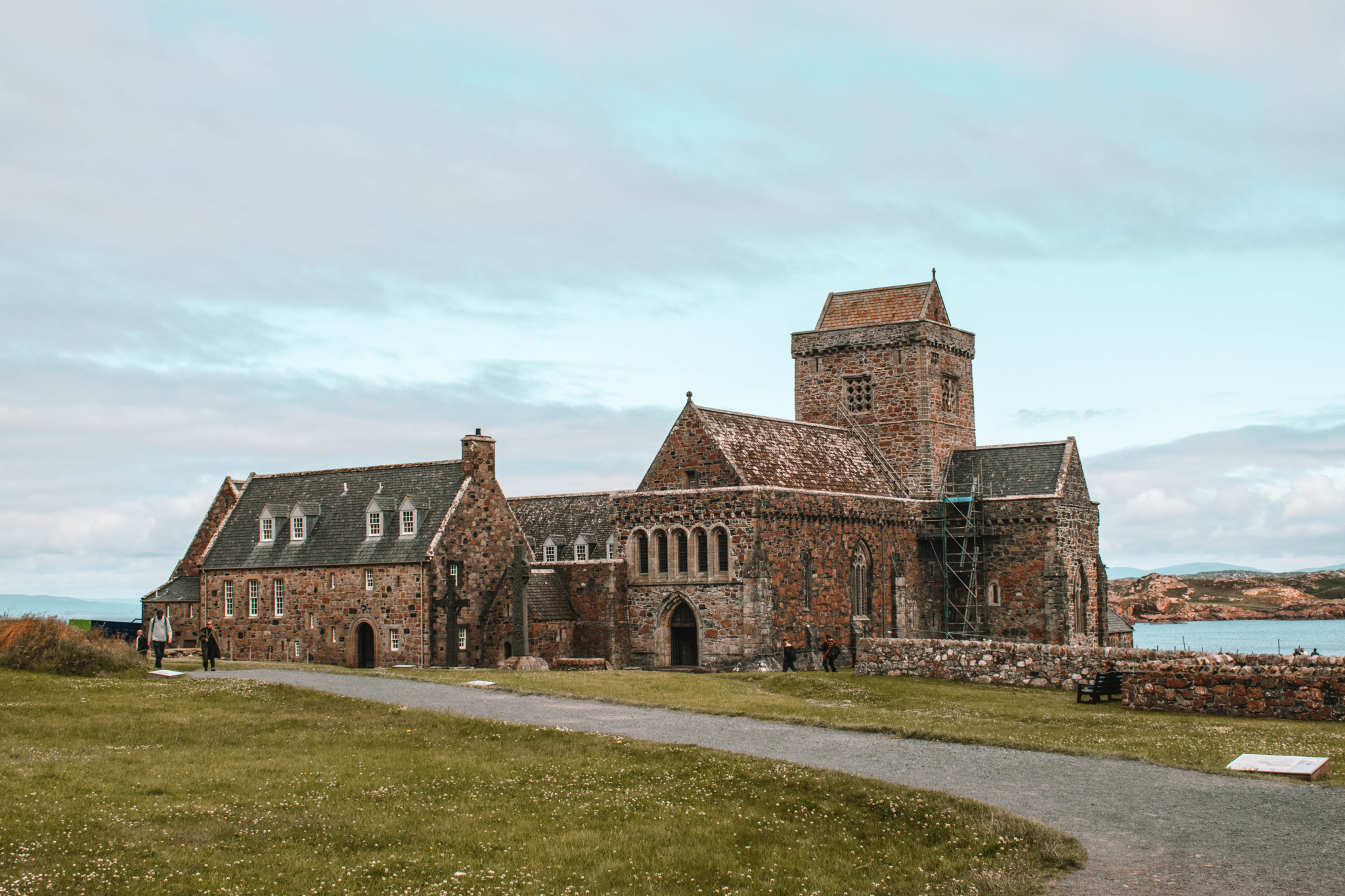
Iona provides a stark contrast, serving as a site of profound historical and religious significance. St. Columba arrived here from Ireland in 563 AD, establishing a monastery that became the crucible of Christianity in Scotland. The Iona Abbey, meticulously restored, remains a site of pilgrimage. Following the maritime return to the mainland, the day concludes with a traverse through Glencoe. This glen is not only a geological marvel of the Lochaber Geopark but also the site of the 1692 Massacre of Glencoe, a pivotal and tragic event in Jacobite history that continues to resonate in Scottish cultural memory.
Day 3: The Isle of Skye and the Whisky Industry
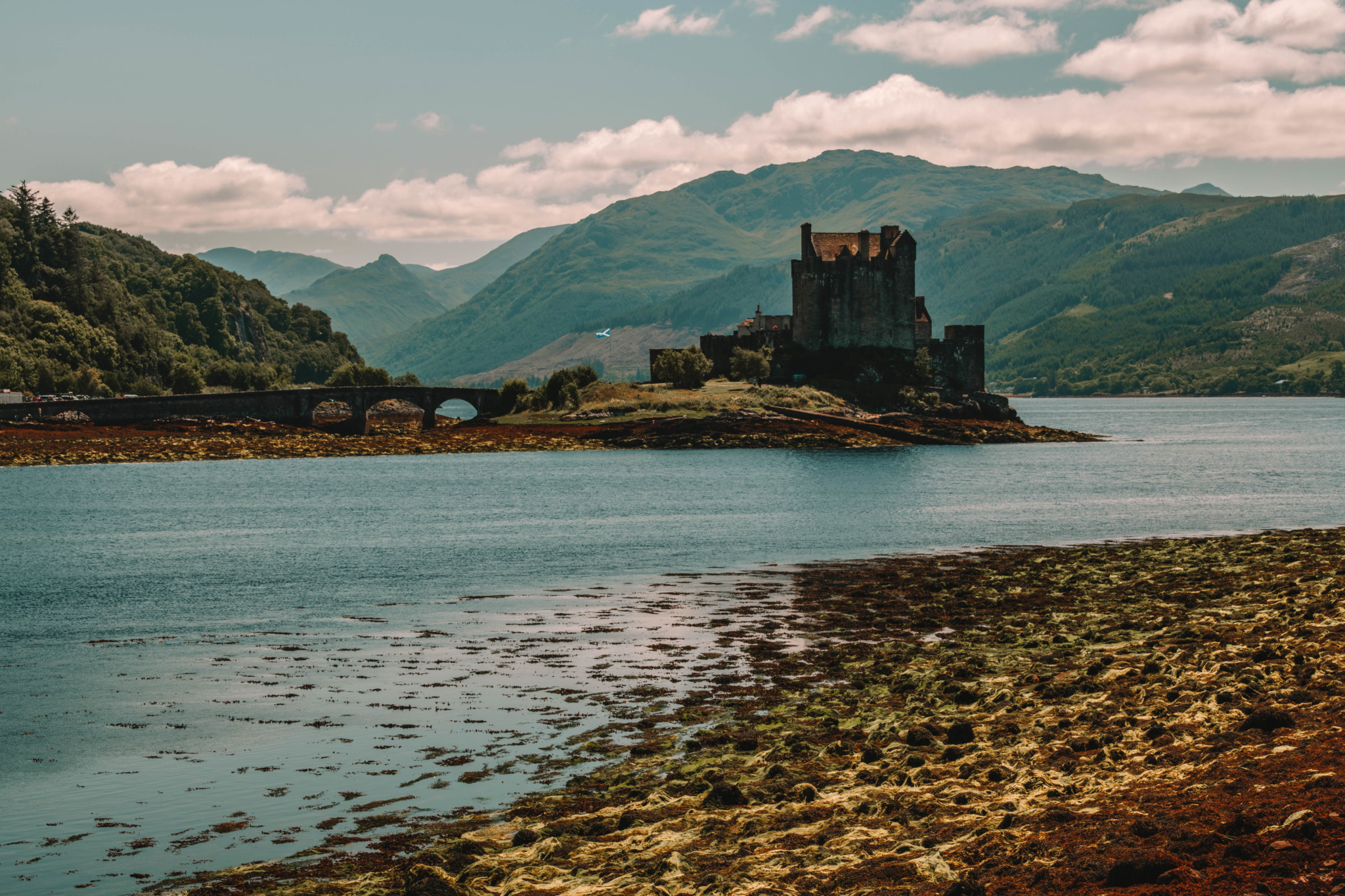
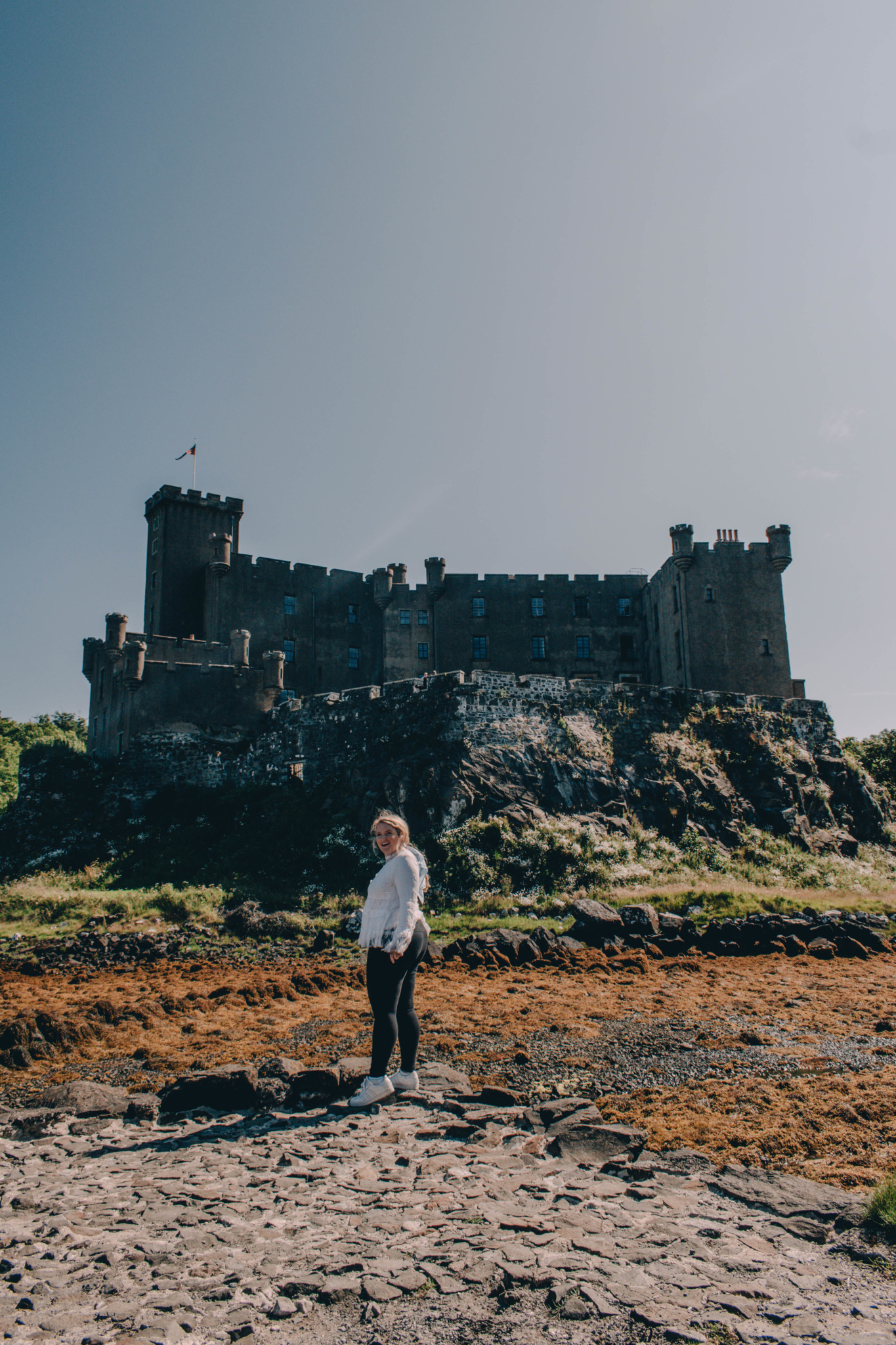
Day three involves a northward drive toward the Isle of Skye, featuring a stop at Eilean Donan Castle. Situated at the confluence of three sea lochs, the 13th-century structure is one of Scotland’s most photographed landmarks and serves as a prime example of successful heritage restoration.

Upon entering Skye, the largest of the Inner Hebrides, the itinerary focuses on the island’s dual appeal: natural beauty and the Scotch whisky industry. The Talisker Distillery, located on the shores of Loch Harport, is the oldest working distillery on the island. Whisky production is a major economic driver for Scotland, with the Scotch Whisky Association reporting that the industry supports over 42,000 jobs across the UK.
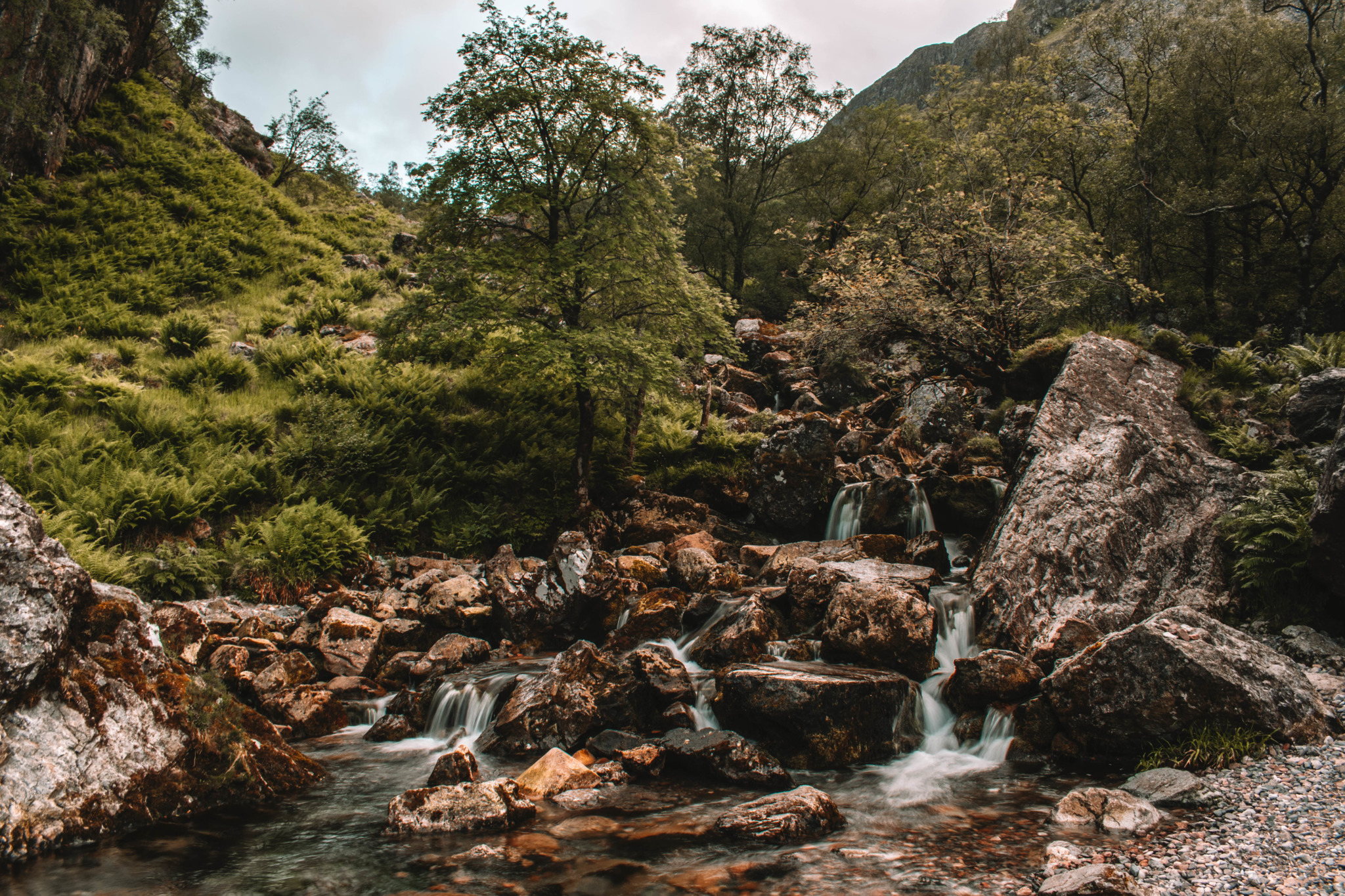
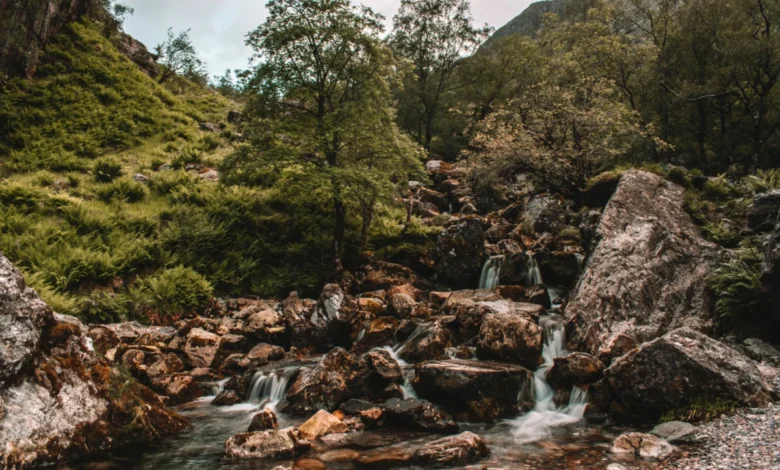
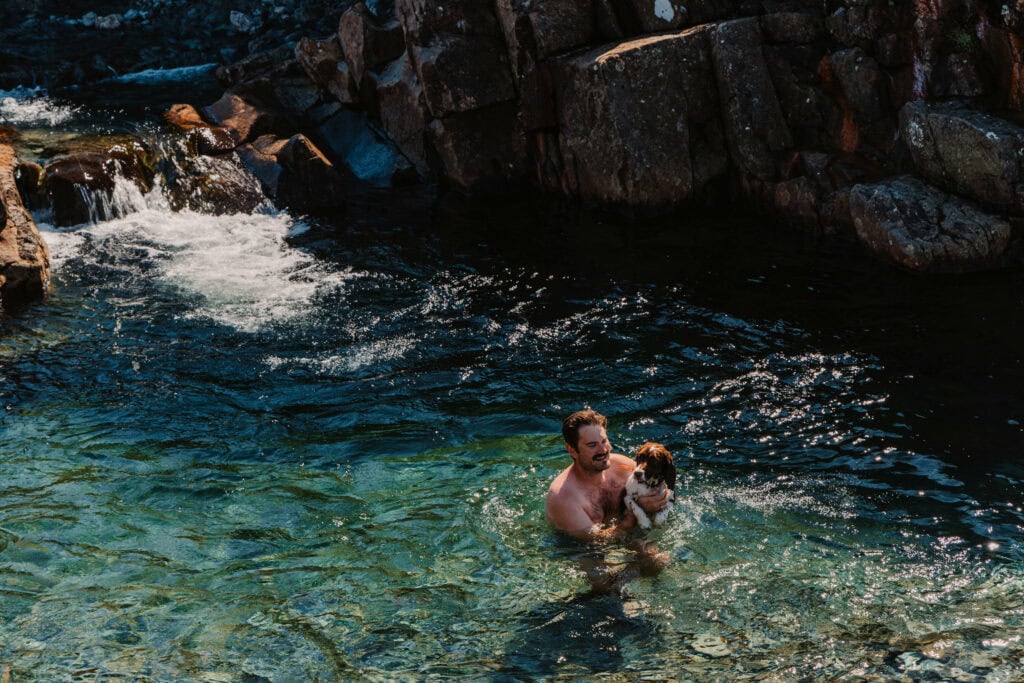
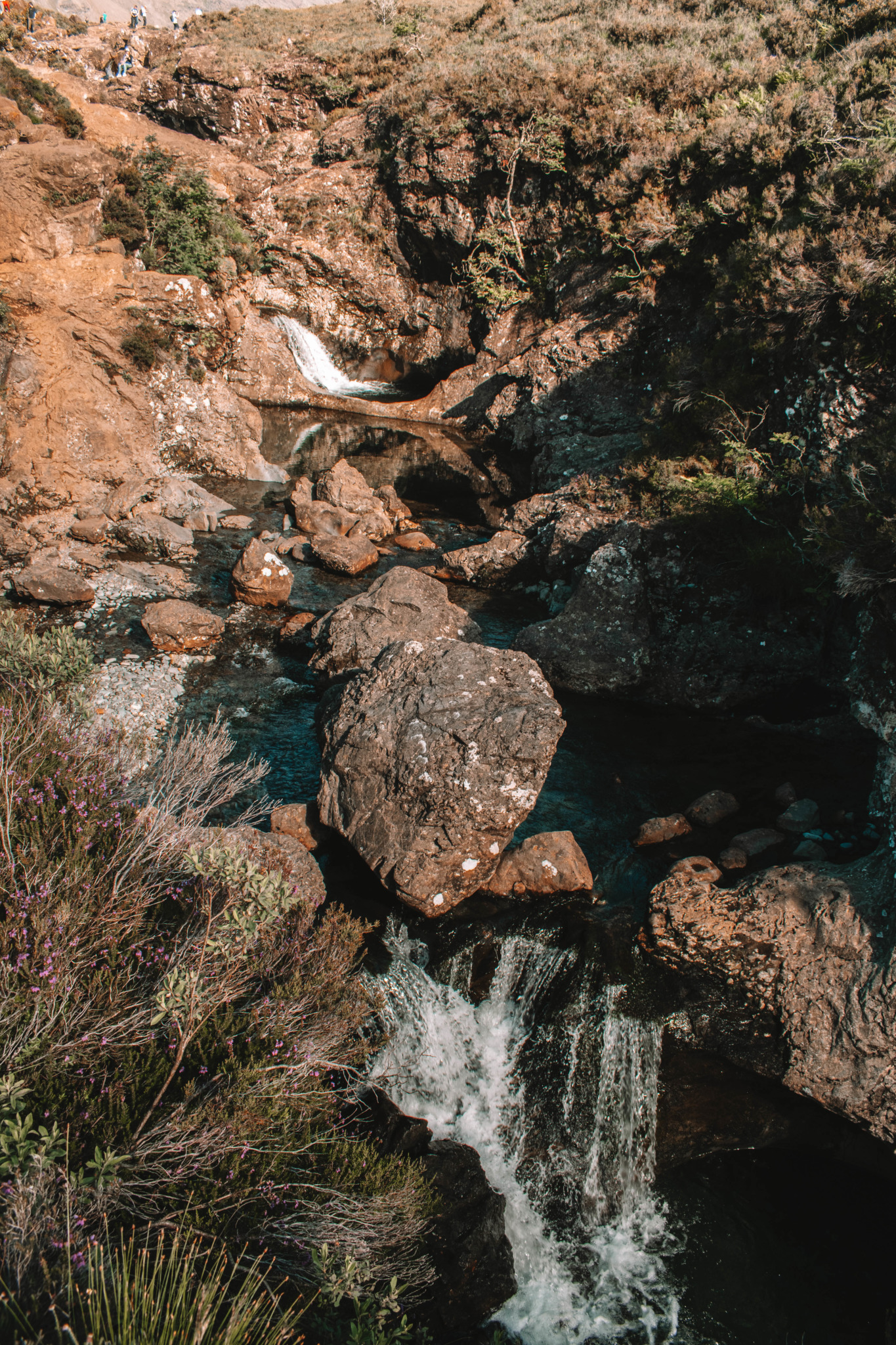
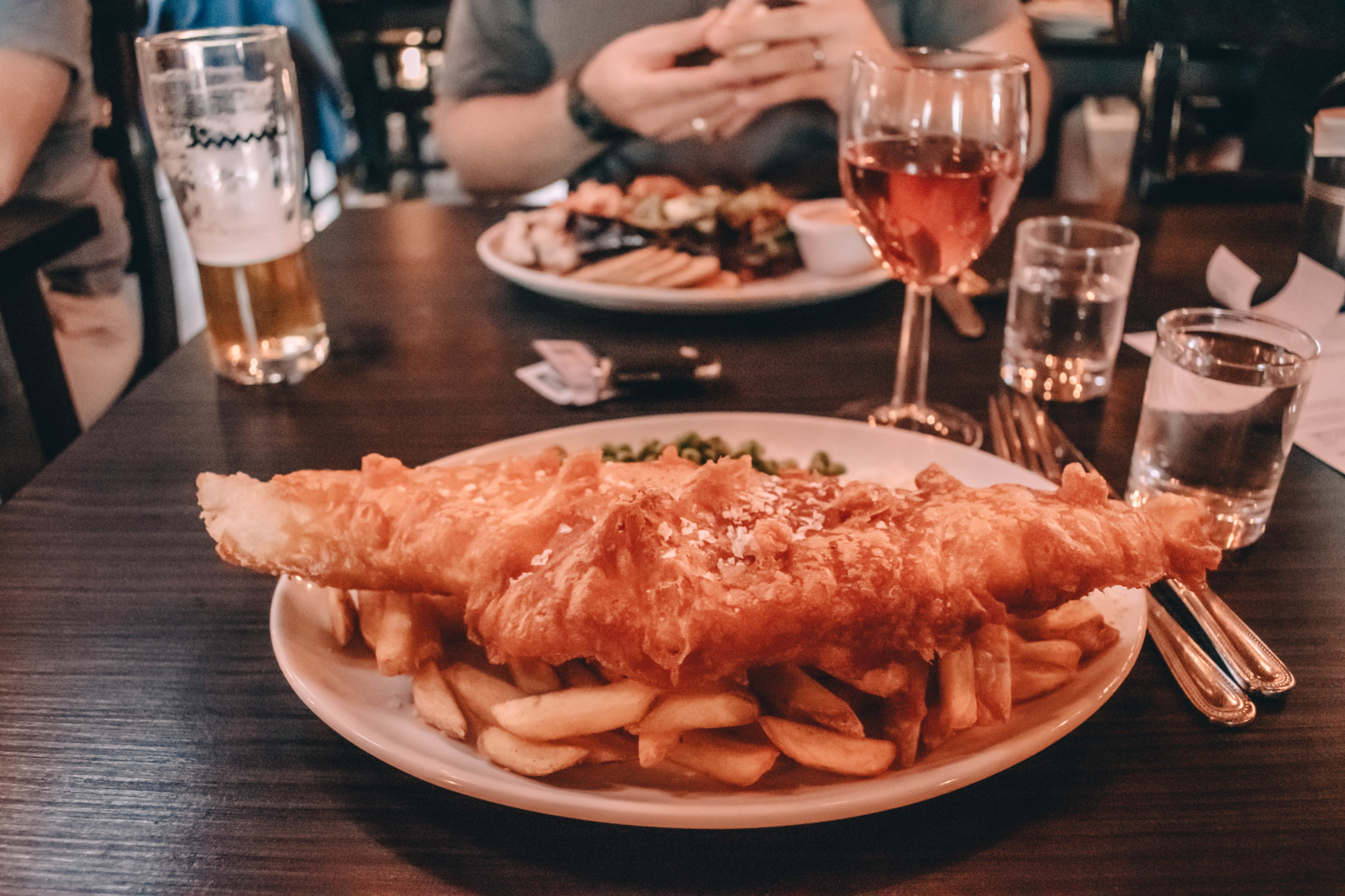
The afternoon is dedicated to the Fairy Pools at the foot of the Black Cuillin mountains. These crystal-clear rock pools are a result of glacial runoff and represent a significant draw for outdoor enthusiasts. The day concludes in the village of Carbost or the capital of Portree, where local establishments like Seumas’ Bar offer a glimpse into the region’s vibrant culinary scene.
Day 4: Northern Skye and the Crofting Tradition

The fourth day is concentrated on the Trotternish Peninsula, which contains some of the most dramatic landscapes in the British Isles. The Quiraing, a massive landslip, offers panoramic views of the Sound of Raasay. Nearby, Kilt Rock—so named for its resemblance to a pleated kilt—features the Mealt Falls, which plummet 60 meters directly into the sea.
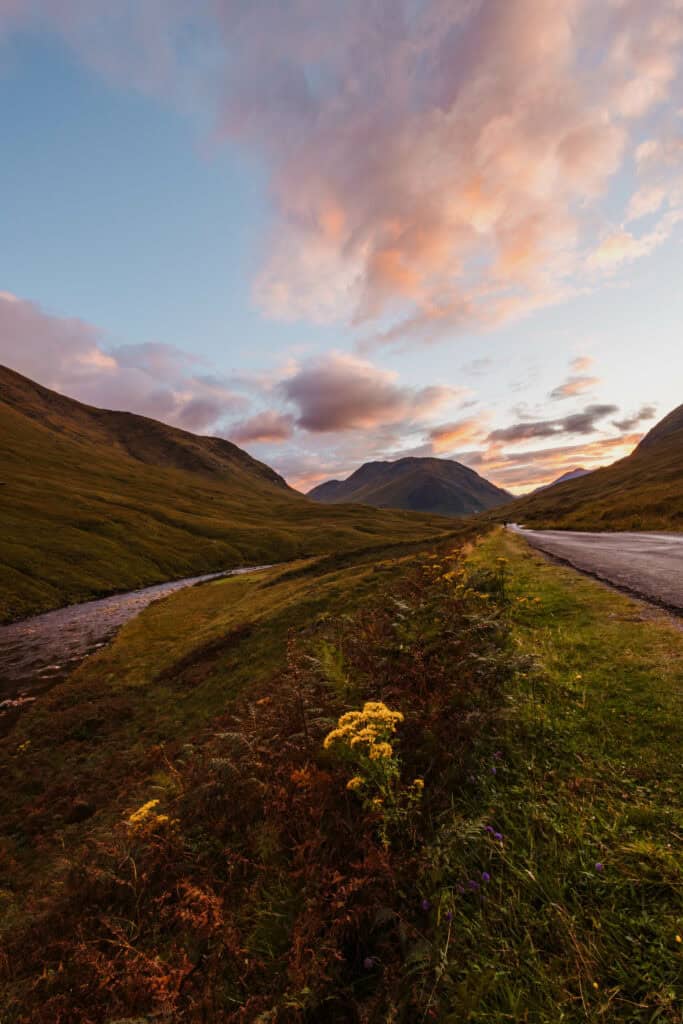
To understand the human history of the region, the Skye Museum of Island Life at Kilmuir provides a factual look at the crofting system. The museum features preserved "black houses," traditional thatched-roof dwellings that housed families and livestock through the 19th century. This historical context is vital for understanding the Highland Clearances and the subsequent emigration patterns that shaped the Scottish diaspora.
Day 5: Loch Ness and the Cultural Impact of the Highland Games
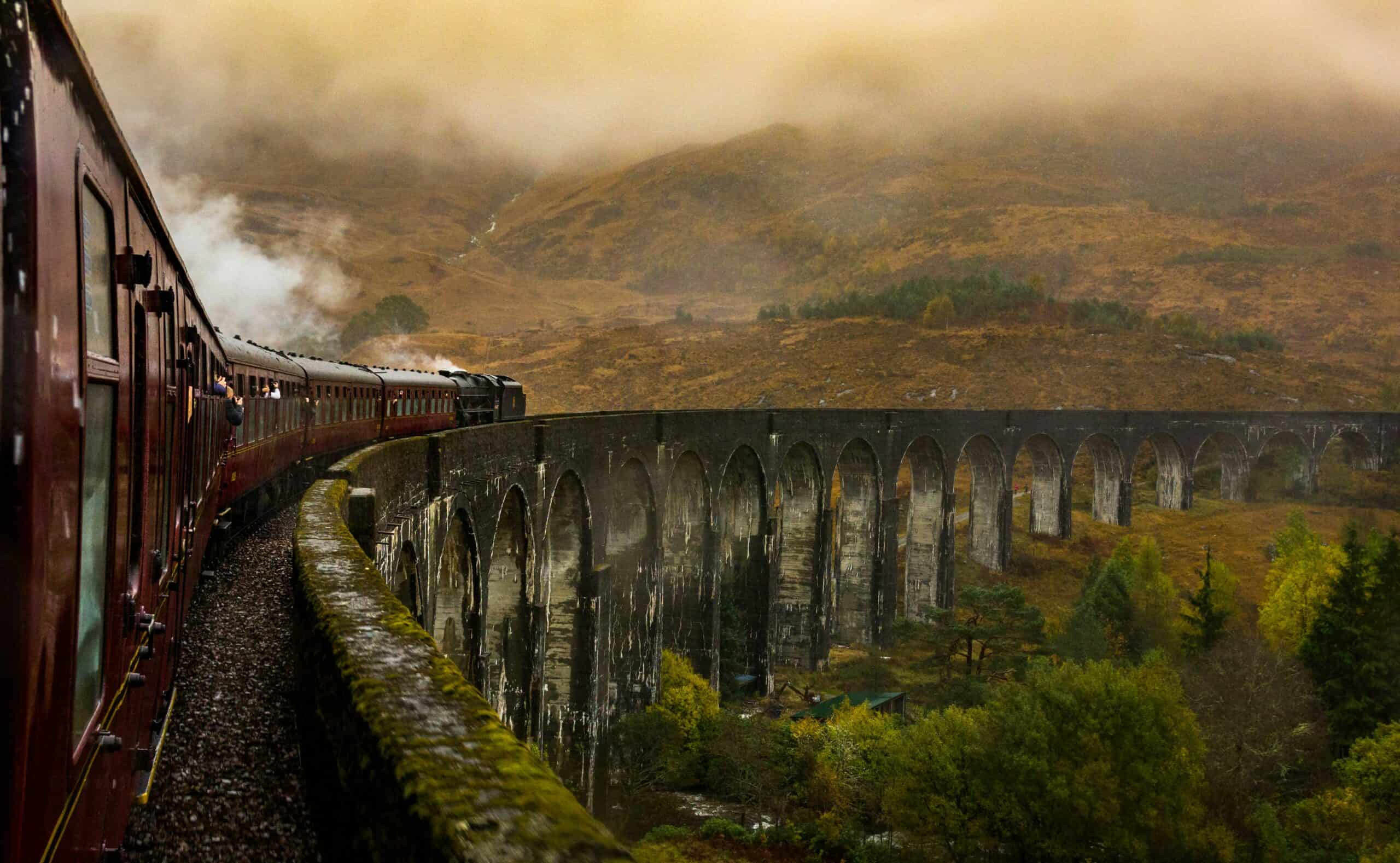
Day five transitions from the islands back to the Great Glen. Loch Ness remains a focal point of Scottish tourism, largely due to the "Nessie" phenomenon that gained global prominence in 1933. Beyond the folklore, Loch Ness contains more fresh water than all the lakes in England and Wales combined, reaching depths of 230 meters near Urquhart Castle. The castle ruins provide a strategic vantage point over the loch and represent centuries of medieval conflict.
If the timing aligns with the summer season, attendance at a local Highland Games event is recommended. These gatherings, featuring heavy athletics like the caber toss and traditional Highland dancing, are essential for the preservation of Gaelic culture. The day concludes with a visit to Inveraray Castle, the ancestral seat of the Duke of Argyll. The castle’s Gothic Revival architecture and extensive collections of arms and armor offer a detailed look at the influence of the Clan Campbell in Scottish history.
Day 6: Edinburgh’s Old Town and National Heritage
The final 48 hours are dedicated to Edinburgh, a city divided between the medieval Old Town and the neoclassical New Town, both of which are UNESCO World Heritage sites. The Royal Mile serves as the primary artery of the Old Town, stretching from Edinburgh Castle to the Palace of Holyroodhouse.

Edinburgh Castle, situated atop an extinct volcano known as Castle Rock, has been a site of human habitation since the Iron Age. It houses the Honours of Scotland (the Crown Jewels) and the Stone of Destiny. Experts recommend pre-booking tickets, as the site attracts over two million visitors annually, making it one of the most visited paid attractions in the United Kingdom. Other significant stops include St. Giles’ Cathedral and the National Museum of Scotland, the latter of which provides an exhaustive overview of Scottish science, technology, and antiquities.
Day 7: Cultural Nuance and the Modern City
The final day focuses on the hidden corners of the capital. Dean Village, formerly a grain milling hub on the Water of Leith, offers a tranquil example of 19th-century industrial architecture. In the city center, Greyfriars Kirkyard provides a window into Edinburgh’s legendary past, specifically the story of Greyfriars Bobby, a Skye Terrier who reportedly guarded his master’s grave for 14 years.
For those interested in the intersection of literature and tourism, Edinburgh is the first designated UNESCO City of Literature. Sites like The Elephant House, where portions of the Harry Potter series were authored, contribute significantly to the city’s "literary tourism" economy. The trip concludes with a visit to Calton Hill, providing a final panoramic view of the city skyline, including the Dugald Stewart Monument and the unfinished National Monument.
Broader Implications and Analysis
This seven-day circuit illustrates the successful integration of natural conservation and heritage tourism. However, the concentration of visitors in areas like the Isle of Skye and the Royal Mile has prompted discussions regarding sustainable tourism management. The Scottish Government’s "Tourism 2030" strategy emphasizes a shift toward high-value, low-impact travel to ensure that the country’s natural and historical assets are preserved for future generations.
The inclusion of the Edinburgh visitor levy in 2026 is a proactive step in this direction, aligning the city with other major European destinations like Venice and Barcelona. For the traveler, this itinerary represents a balanced approach to discovering Scotland, moving beyond the "monster and mountains" stereotypes to engage with the complex history, geological wonders, and evolving policy landscape of this North Atlantic nation.