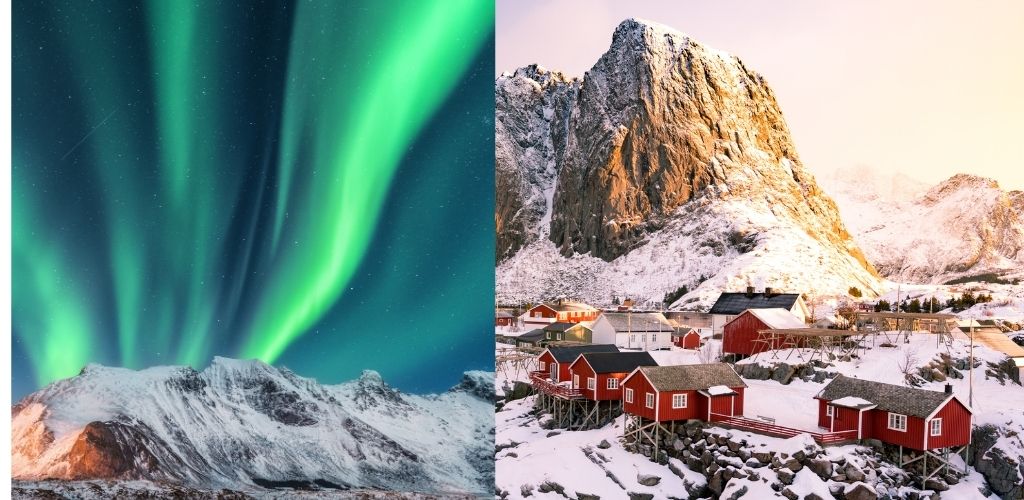
This Scandinavian nation, celebrated for its dramatic landscapes, vibrant coastal communities, rich Viking history, and profound folklore, continues to captify global audiences. Its diverse appeal, ranging from the exhilarating midnight sun of summer to the pristine, snow-draped vistas of winter, ensures a compelling itinerary for every traveler. For those contemplating a journey to this remarkable corner of the world, a comprehensive exploration of its prime attractions reveals a country deeply connected to its environment and traditions.
Navigating Norway’s Iconic Fjords: A Voyage into Geological History
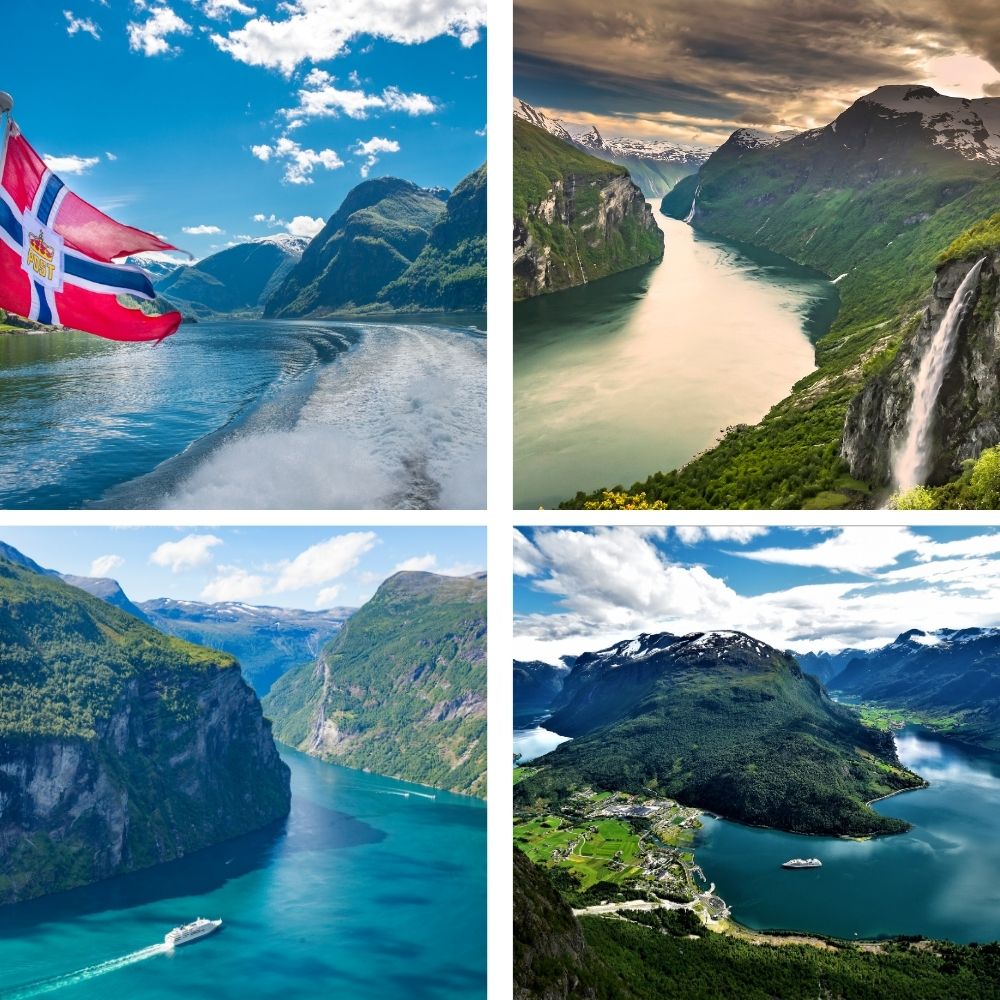
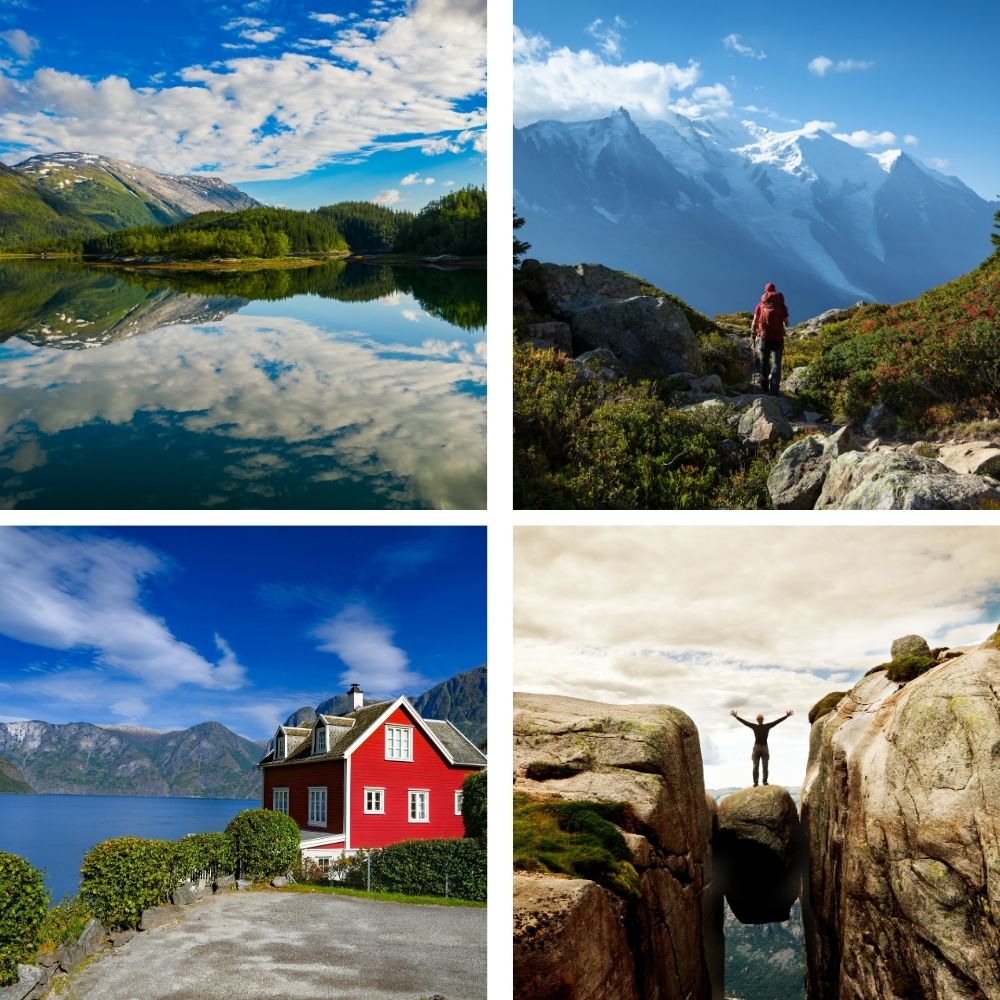
At the heart of Norway’s identity are its majestic fjords, geological marvels carved over millennia by glacial activity. The country boasts over 1,700 named fjords, a staggering number that underscores their pervasive presence, particularly in Southern and Western Norway. These deep, narrow inlets, often flanked by towering cliffs and cascading waterfalls, are best experienced from the water itself. A Norwegian fjords cruise offers an intimate perspective, allowing passengers to glide through serene waters, witnessing the sheer scale of the landscape as rock walls rise almost vertically from the sea.
Notable among these are the Hardangerfjord, known for its blooming orchards in spring, and the globally renowned Geirangerfjord, a UNESCO World Heritage site. The latter, characterized by its iconic Seven Sisters waterfall and verdant hillsides, exemplifies the pristine beauty that draws millions annually. Beyond the visual spectacle, fjord cruises provide a historical narrative, tracing ancient trade routes and highlighting the resilience of communities that have thrived in these isolated yet bountiful environments for centuries. The tourism sector has heavily invested in sustainable cruising initiatives, with many operators now deploying hybrid or electric vessels to minimize environmental impact on these fragile ecosystems, a move widely lauded by environmental organizations and local authorities.
Embracing the Arctic Wilderness: The Thrill of Dog-Sledding
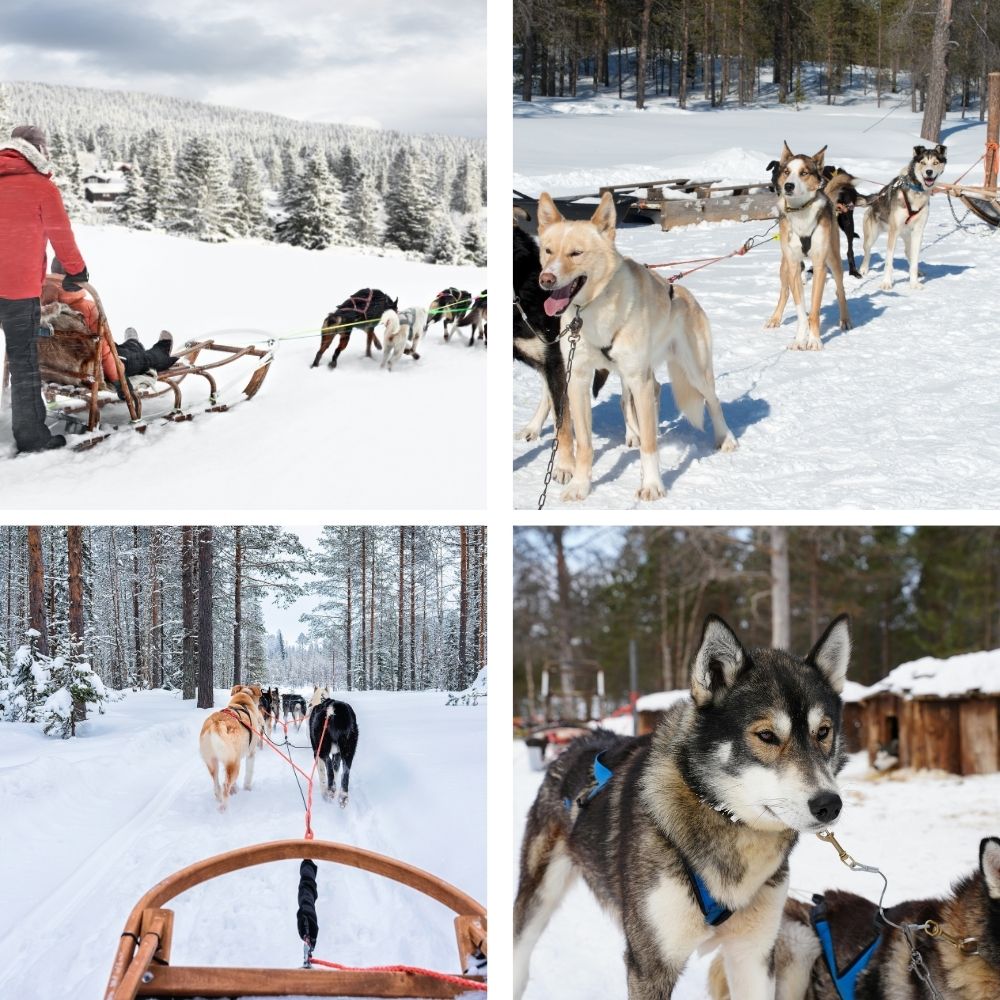
For those visiting during the winter months, dog-sledding offers an authentic and exhilarating immersion into Norway’s snowy interior. This ancient mode of transport, historically vital for hauling supplies and facilitating long-distance travel across icy terrains, has evolved into a popular recreational activity and competitive sport. Mushing, as the practice is known, involves a team of energetic huskies or Alaskan Malamutes pulling a lightweight sled across vast, snow-covered plains.
Regions like Tromsø in Northern Norway are prime locations for this activity, offering organized tours that allow participants to either relax and enjoy the breathtaking scenery or actively engage in driving the sled themselves. This experience not only provides an adrenaline rush but also offers a glimpse into the close bond between mushers and their dogs, highlighting the intelligence and endurance of these animals. Local operators adhere to strict animal welfare standards, ensuring the dogs are well-cared for and trained ethically. The economic implications for remote Arctic communities are significant, with dog-sledding tourism supporting local guides, breeders, and related services, contributing to the year-round viability of these regions.
Chasing the Celestial Spectacle: The Northern Lights
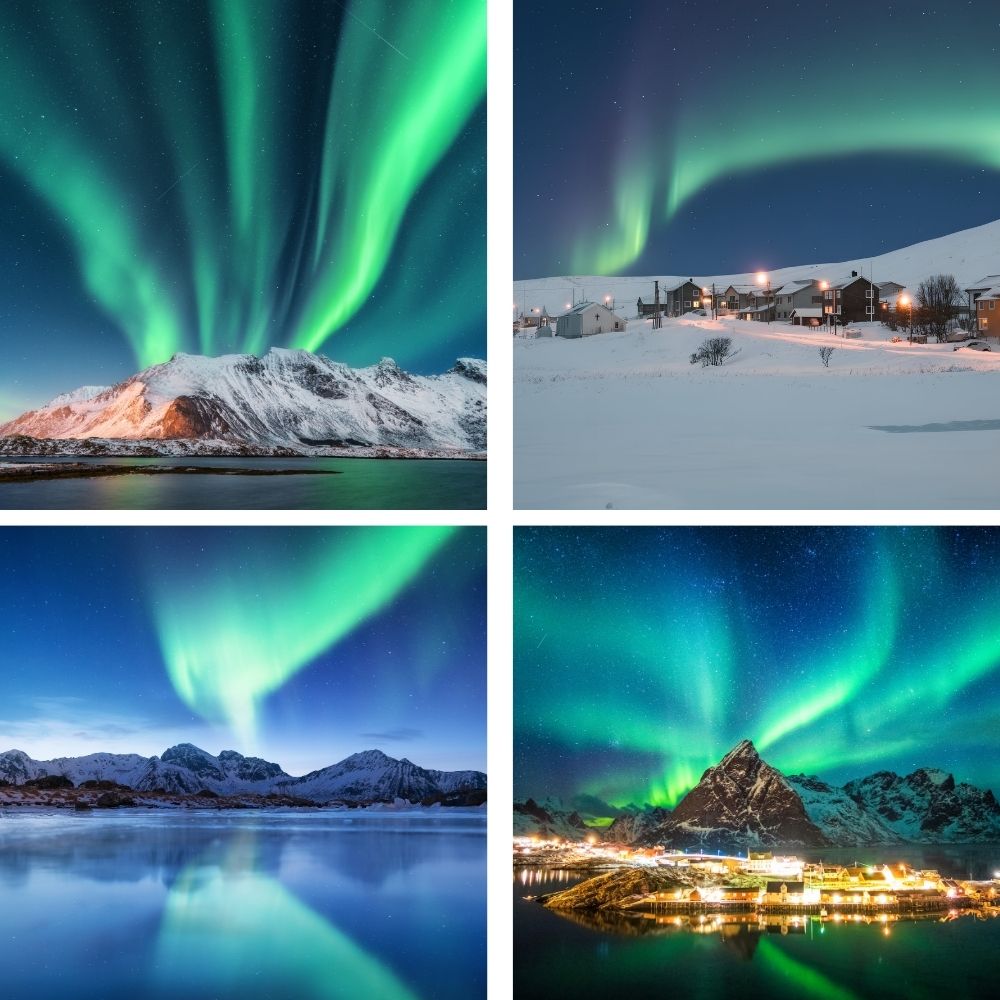
A pilgrimage to witness the Aurora Borealis is a quintessential Norwegian winter experience. Occurring predominantly from September to March when the nights are long and dark, this natural phenomenon transforms the Arctic sky into a canvas of shimmering greens, purples, and occasionally reds. Scientifically, the Northern Lights are a result of charged particles from the sun colliding with gases in Earth’s atmosphere, channeled by the planet’s magnetic field.
Norway’s position within the "Aurora Oval," a band around the magnetic pole, makes it one of the best places on Earth to observe this spectacle. Key viewing locations include Tromsø, the Lofoten Islands, and the North Cape. Guided tours are highly recommended, as experienced guides possess the local knowledge to chase clear skies, often driving significant distances to escape cloud cover and light pollution. These tours often incorporate photography tips, warm beverages, and insights into the folklore surrounding the aurora, enriching the experience. The rise in aurora tourism has led to a boom in specialized accommodations and tours, with local authorities working to manage visitor numbers and minimize environmental impact, particularly concerning light pollution in pristine areas.
Scaling Peaks and Traversing Trails: Norway’s World-Class Hiking
Norway’s rugged topography makes it a hiker’s paradise, particularly during the summer months when trails are accessible and the landscapes burst with vibrant flora. The country’s "friluftsliv" philosophy – a deep appreciation for outdoor life – is evident in its extensive network of well-maintained trails catering to all levels of fitness. From gentle coastal walks to challenging alpine ascents, the variety is immense.
Iconic hikes such as Trolltunga, Preikestolen (Pulpit Rock), and Kjeragbolten offer unparalleled panoramic views of fjords and valleys, though they require significant physical exertion and careful planning. The western fjords present opportunities to hike above glacier-carved valleys, while the eastern regions, home to national parks like Jotunheimen and Rondane, offer high-alpine scenery. Northern Norway’s coastal trails provide dramatic vistas of the Arctic Ocean. The "Allemannsretten," or everyman’s right to roam, grants public access to uncultivated land, fostering a culture of outdoor exploration. However, the increasing popularity of certain trails necessitates adherence to safety guidelines, responsible waste management, and, for some, the assistance of professional guides to ensure a safe and sustainable experience, particularly during peak season.
A Culinary Journey: Savoring Norwegian Flavors
Norwegian cuisine, deeply rooted in the country’s geography, seasons, and traditions, offers a compelling culinary journey. It emphasizes simple, high-quality ingredients, often sourced locally and prepared with respect for their natural flavors. Seafood, fresh from the cold, clean waters, is a cornerstone, with salmon, cod, Arctic char, and various shellfish featuring prominently. Traditional preservation methods like salting, drying, and smoking have historically shaped the diet and remain culinary staples.
Beyond seafood, hearty red meats such as lamb, reindeer, and game meats like deer reflect Norway’s rural and Arctic heritage. Traditional dishes often include root vegetables, potatoes, and flatbreads, providing sustenance against the colder climate. A unique national delicacy is brunost, a sweet, caramel-like brown cheese. In recent years, Norway has also seen the emergence of a "New Nordic Cuisine" movement, which innovatively blends these classic ingredients with contemporary culinary techniques, elevating traditional flavors to gourmet standards. Food tours, particularly in urban centers like Oslo, provide an excellent opportunity to sample diverse offerings, learn about culinary history, and discover hidden gastronomic gems, fostering a deeper appreciation for the country’s food culture and supporting local producers.
Exploring Urban Landscapes: Engaging Walking Tours
For first-time visitors to Norway’s cities, guided walking tours serve as an invaluable introduction to their history, culture, and contemporary life. These tours, available in major urban centers like Oslo, Bergen, and Tromsø, offer an efficient way to gain a foundational understanding of the local environment, identify key landmarks, and discover recommendations for dining and cultural experiences from local experts.
In Oslo, tours often encompass sites such as the Royal Palace, the innovative Oslo Opera House, and the iconic Vigeland Sculpture Park, providing insights into Norwegian art, architecture, and civic life. Bergen’s walking tours frequently focus on Bryggen, its UNESCO-listed Hanseatic wharf with its colorful wooden houses, delving into the city’s rich mercantile past. In Tromsø, the "Gateway to the Arctic," tours might explore the Arctic Cathedral and the city’s polar exploration history. While "free" (tip-based) tours are available, smaller group tours often provide a more intimate experience with expert guides. These tours contribute to local economies by employing guides and often partnering with local businesses, offering a structured yet flexible way to absorb the essence of Norway’s urban centers.
The Power of Nature: Chasing Waterfalls
Norway’s landscape is adorned with an abundance of spectacular waterfalls, a direct consequence of its mountainous terrain and abundant rainfall and glacial meltwater. Visiting these natural wonders offers another profound connection to the country’s raw, untamed beauty. Among the most impressive is Vøringfossen, a colossal waterfall near Eidfjord that plunges nearly 182 meters (600 feet) into the Måbødalen valley.
The experience at Vøringfossen is enhanced by strategically placed viewing platforms and a dramatic suspension bridge spanning the canyon, allowing visitors to appreciate the immense power and scale of the falls safely. Unlike many natural attractions that require extensive hikes, Vøringfossen is relatively accessible, making it an ideal destination for those seeking a less strenuous yet equally impactful nature experience. Other notable waterfalls include Langfoss, often cited as one of the most beautiful in the world, and the mythical Kjosfossen, which can be seen from the Flåm Railway. These waterfalls are not merely aesthetic wonders; they also play a crucial role in Norway’s hydropower production, highlighting the nation’s innovative approach to renewable energy.
Cultural Immersion: Engaging with Reindeer and Sami Heritage
An encounter with reindeer and the indigenous Sami people offers a unique cultural and ecological experience, particularly in Northern Norway. The Sami, Europe’s only indigenous people, have traditionally inhabited the Sápmi region, which stretches across parts of Norway, Sweden, Finland, and Russia. Reindeer herding has been a central aspect of Sami life and culture for centuries, embodying a deep connection to the land and its rhythms.
Tours originating from Tromsø provide an opportunity to learn about reindeer, participate in traditional reindeer sledding, and feed these majestic animals. These experiences often extend beyond mere interaction with the animals, offering a window into Sami culture, history, and current challenges. Visitors can typically gather in a lavvu (traditional Sami tent) to share stories, enjoy traditional food, and listen to joik (Sami traditional singing), fostering an authentic understanding and respect for Sami heritage. It is crucial for tourists to choose Sami-owned and operated experiences to ensure that cultural narratives are shared authentically and ethically, contributing directly to the economic empowerment and cultural preservation efforts of the Sami community.
Sustenance and Sport: The Enduring Appeal of Fishing
Given its extensive coastline, numerous fjords, and abundant rivers, fishing is not only a cherished pastime but also a cornerstone of Norwegian culture and economy, making it a top activity year-round. Norway’s waters are teeming with a variety of fish species, offering diverse opportunities for anglers.
During the summer months, particularly in the northern regions like Tromsø and the Lofoten Islands, the phenomenon of the midnight sun allows for fishing at any hour, extending the experience under continuous daylight from May to July. Deep-sea fishing expeditions commonly yield catches of cod, mackerel, pollock, and halibut, while freshwater rivers are renowned for their Atlantic salmon runs. The Lofoten fishery, in particular, has historical significance, with cod fishing sustaining communities for centuries. Modern fishing tours provide all necessary gear and guidance, catering to both novices and experienced anglers. Many tours offer the unique experience of preparing and consuming the fresh catch on board, such as a freshly made fish soup, underscoring the direct connection between sea and table. Norway is also a leader in sustainable fishing practices and aquaculture, balancing economic prosperity with marine conservation.
Active Exploration: Discovering Norway by Bicycle
Cycling offers an active and environmentally friendly way to explore Norway’s diverse landscapes, particularly during the warmer months. From urban sightseeing to challenging long-distance routes, the country caters to a wide range of cycling preferences. In cities like Oslo, bicycle rental schemes and guided tours provide a convenient way to visit key landmarks such as the City Hall, Royal Palace, and Frogner Park, combining exercise with cultural discovery.
For more adventurous cyclists, Norway boasts world-renowned scenic routes, including sections of the Atlantic Road and the historic Rallarvegen railway construction road, offering breathtaking views of coastal scenery and mountainous terrain. The increasing popularity of cycling has led to improved infrastructure, including dedicated bike paths and services. Even in winter, specialized activities like electric fat biking in areas around Tromsø allow visitors to navigate snowy trails, providing a unique blend of adventure and accessibility. Cycling tourism not only promotes physical well-being but also contributes to Norway’s commitment to sustainable travel, reducing carbon footprints and fostering a deeper appreciation for the country’s natural beauty at a more intimate pace.
Concluding Perspectives on Norway’s Enduring Allure
Norway’s multifaceted appeal lies in its extraordinary blend of dramatic natural beauty, rich cultural narratives, and a steadfast commitment to sustainability. Whether one seeks the adrenaline rush of outdoor adventure, the serene contemplation of majestic landscapes, or an immersive journey into historical and indigenous cultures, Norway delivers with unparalleled distinction. The country’s infrastructure for tourism is robust, with a clear emphasis on preserving its pristine environment while providing world-class experiences. From the iconic fjords and the ethereal Northern Lights to the vibrant urban centers and the profound Sami heritage, Norway stands as a premier destination for every type of traveler, promising surprise and enchantment at every turn. Its continuous efforts in sustainable tourism ensure that these wonders will continue to inspire future generations, reinforcing its status as a magical and essential global travel experience.
Related posts: