Federal Trade Commission launches broad inquiry into surveillance pricing practices across airline and retail sectors

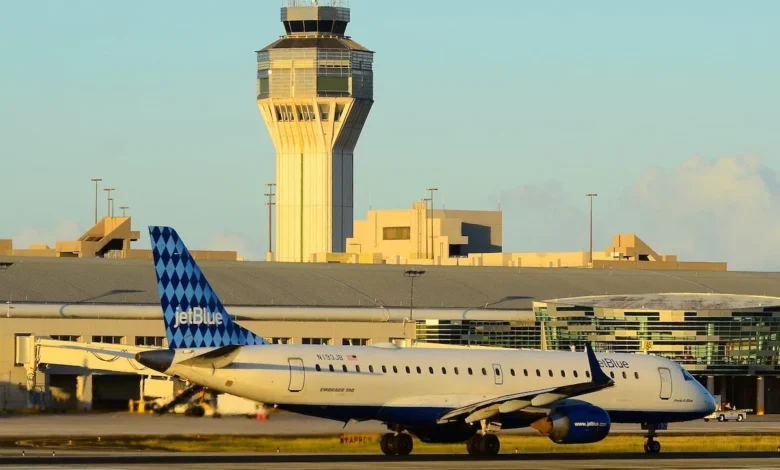
The Federal Trade Commission has officially launched a comprehensive investigation into the opaque pricing algorithms utilized by major U.S. airlines and prominent retail and gig economy platforms. In a series of compulsory orders issued last week, the agency directed Delta Air Lines, United Airlines, and JetBlue to submit detailed documentation regarding the methodologies they employ to determine passenger fares. This regulatory maneuver signals a significant escalation in the federal government’s efforts to determine whether corporations are leveraging personal consumer data to implement discriminatory or "surveillance-based" pricing strategies. The affected companies have been granted a 45-day window to comply with the agency’s information requests.
Beyond the airline industry, the FTC has expanded the scope of this inquiry to include major players in the digital marketplace, specifically issuing similar orders to Uber, Lyft, DoorDash, Instacart, Target, and Walmart. While the airline-specific orders focus on the mechanics of fare fluctuations, the requests sent to gig economy platforms also demand granular data regarding how worker pay is calculated in conjunction with consumer-facing pricing models.
The Regulatory Rationale and Surveillance Pricing
FTC Chairman Andrew Ferguson underscored the urgency of the investigation, highlighting the growing concern that modern pricing methodologies have become increasingly inscrutable to the average consumer. "We intend to scrutinize the opaque methodology that some companies in these industries may be using to determine how much consumers pay or how much gig workers are paid for the same product or service," Ferguson stated.
The central tension identified by the commission lies in the distinction between traditional "dynamic pricing" and the emerging practice of "surveillance pricing." Dynamic pricing, a staple of the airline industry for decades, involves adjusting prices based on objective supply-and-demand metrics, such as seasonal travel patterns, time until departure, or seat availability. In contrast, surveillance pricing—a term gaining traction among consumer advocates and regulators—refers to the use of highly personalized data points, such as browsing history, device type, location data, and inferred spending power, to set prices specifically tailored to an individual user’s perceived willingness to pay.
A Chronology of Pricing Scrutiny
The scrutiny of airline pricing is not a recent development but rather the culmination of years of consumer complaints and shifting digital privacy standards.
- 1980s–1990s: Airlines pioneered computerized reservation systems, allowing for the widespread adoption of revenue management systems. This era established the baseline for dynamic pricing as a standard industry practice.
- 2010s: The rise of mobile computing and ubiquitous internet connectivity allowed companies to collect increasingly granular data on consumer behavior. Retailers and travel sites began experimenting with price discrimination based on user location and device history.
- 2023: Federal lawmakers and consumer protection agencies began noting a surge in "algorithmic fairness" complaints, particularly concerning gig economy platforms where surge pricing often felt arbitrary to both consumers and workers.
- 2024 (Q1–Q2): The FTC conducted preliminary market research into data brokers and digital advertising ecosystems, finding that the intersection of data collection and automated pricing had created a "black box" economy.
- Current Date: The FTC issues formal Section 6(b) orders, granting them the authority to conduct wide-ranging studies of corporate practices to inform future policy and enforcement actions.
Analyzing the Mechanics of Dynamic Pricing
For decades, the airline industry has operated on a model where the price of a seat is rarely fixed. Revenue management systems utilize sophisticated predictive analytics to maximize the yield per flight. Factors such as "fare buckets"—predetermined price tiers—are managed based on historical booking data.
However, industry analysts note that the integration of artificial intelligence and machine learning has allowed these systems to evolve beyond historical averages. Modern algorithms can process millions of data points in milliseconds. The primary concern for regulators is whether the input variables now include personal data points that could lead to price discrimination. For instance, if a system detects that a user is booking from a high-income ZIP code or using a premium device, there is a theoretical risk that the algorithm may present a higher price point than it would to a user accessing the site from a different context.
Official Responses and Industry Stance
While the companies involved have generally committed to cooperating with the federal inquiry, the industry response has been measured. Spokespeople for the targeted airlines have emphasized that their pricing strategies are designed to ensure operational efficiency and market competitiveness.
"We are committed to providing transparent and competitive pricing for our customers," a representative for one of the affected carriers stated, noting that their pricing models are built around complex supply-and-demand variables intended to keep travel affordable while maintaining service levels.
Similarly, representatives from the gig economy sector have argued that their pricing models are essential for balancing supply and demand in real-time. They contend that without dynamic pricing, the platforms would struggle to incentivize workers to operate during high-demand hours, leading to service failures. The FTC’s focus on the relationship between consumer pricing and worker compensation suggests that the agency is also investigating whether these algorithms artificially suppress worker wages while maximizing company revenue.
The Impact on Consumer Privacy and Data Ethics
The broader implication of this study is the challenge it poses to the "data-driven economy." Many of the services currently under review rely on a business model where user data is the primary currency. If the FTC finds evidence of discriminatory pricing, it could lead to a legislative push for stricter data usage policies.
Furthermore, this investigation highlights a growing gap between corporate technical capabilities and public awareness. Most consumers remain unaware of the extent to which their digital footprint influences their financial transactions. The FTC’s inquiry serves as a warning that the "black box" of algorithmic pricing is no longer immune to oversight.
Broader Economic and Legal Implications
If the FTC determines that surveillance pricing constitutes an "unfair or deceptive act or practice" under the Federal Trade Commission Act, the potential for enforcement actions is significant. Such actions could include:
- Mandatory Algorithm Audits: Requiring companies to submit their pricing algorithms for independent third-party review to ensure they do not engage in discriminatory practices based on protected classes.
- Disclosure Requirements: Forcing companies to provide clear, accessible explanations to consumers when personalized pricing is being applied.
- Limits on Data Usage: Restricting the types of personal data that can be ingested into pricing models, potentially forcing a move toward "privacy-by-design" pricing structures.
The outcome of this inquiry will likely influence global regulatory standards. As the European Union and other jurisdictions move toward stricter privacy regimes like the GDPR and the Digital Markets Act, the U.S. government’s stance on surveillance pricing will serve as a crucial benchmark for how digital markets are governed in the 21st century.
Conclusion: The Path Forward
The 45-day deadline for the affected companies to respond marks only the beginning of a long-term regulatory engagement. The data collected will likely be used to draft new guidelines or potentially inform antitrust litigation. For the consumer, the FTC’s intervention represents a significant step toward reclaiming transparency in a market that has become increasingly defined by the invisible hand of automated, data-centric decision-making. Whether this leads to a fundamental shift in how prices are determined or simply results in more robust disclosure requirements remains to be seen. What is clear, however, is that the era of unfettered algorithmic pricing is facing its most significant challenge to date.