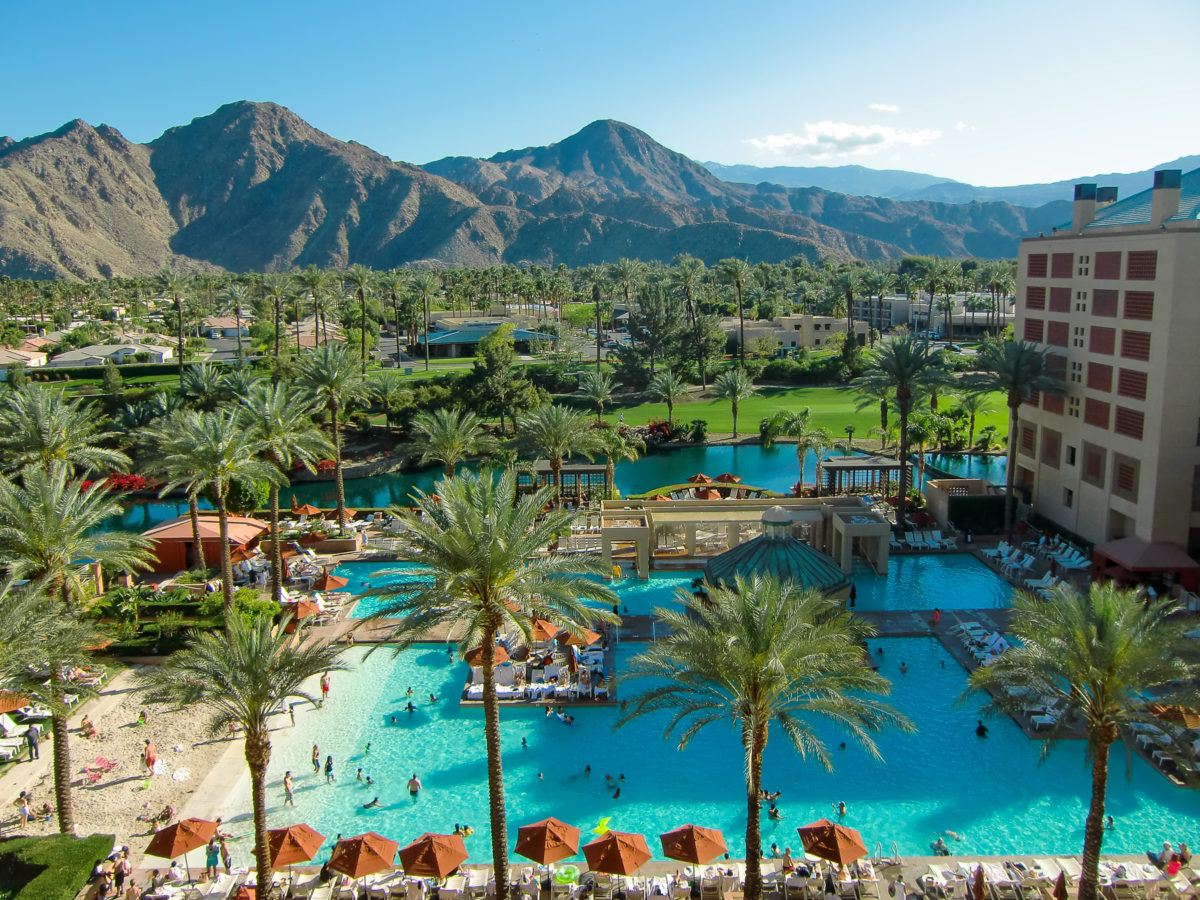
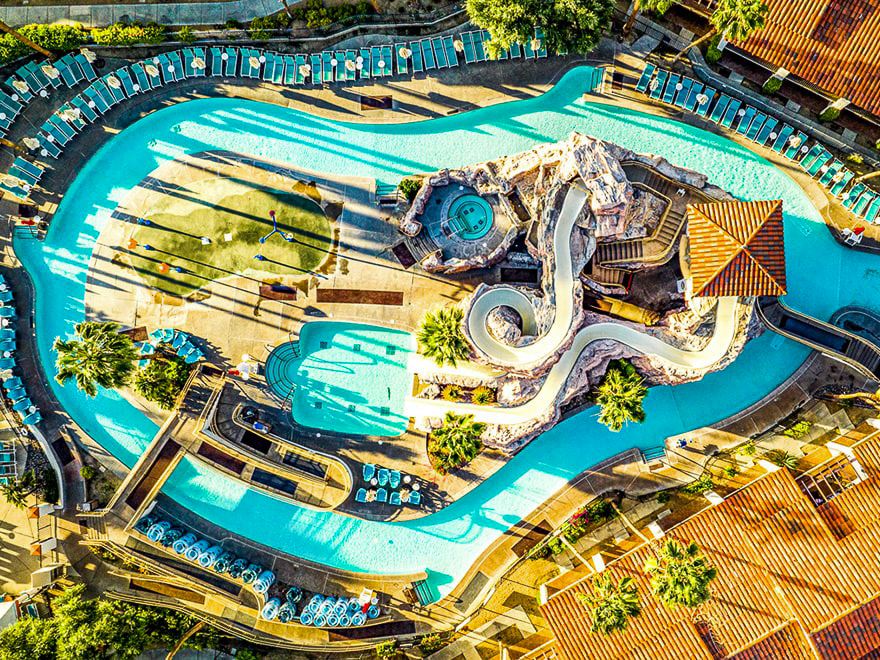
The modern landscape of family travel has shifted significantly, with resort amenities—specifically expansive, feature-rich swimming facilities—becoming the primary driver for booking decisions. For families across the United States, the quality of a resort’s water complex is no longer just a luxury; it is the cornerstone of a successful vacation. Today’s top-tier properties have moved beyond the standard rectangular pool, investing millions into elaborate waterparks that include lazy rivers, high-speed waterslides, wave pools, and interactive splash zones. These developments reflect a broader industry trend where the hotel property itself functions as a comprehensive destination, reducing the need for guests to venture off-site to find entertainment.
The Evolution of the Resort Water Experience
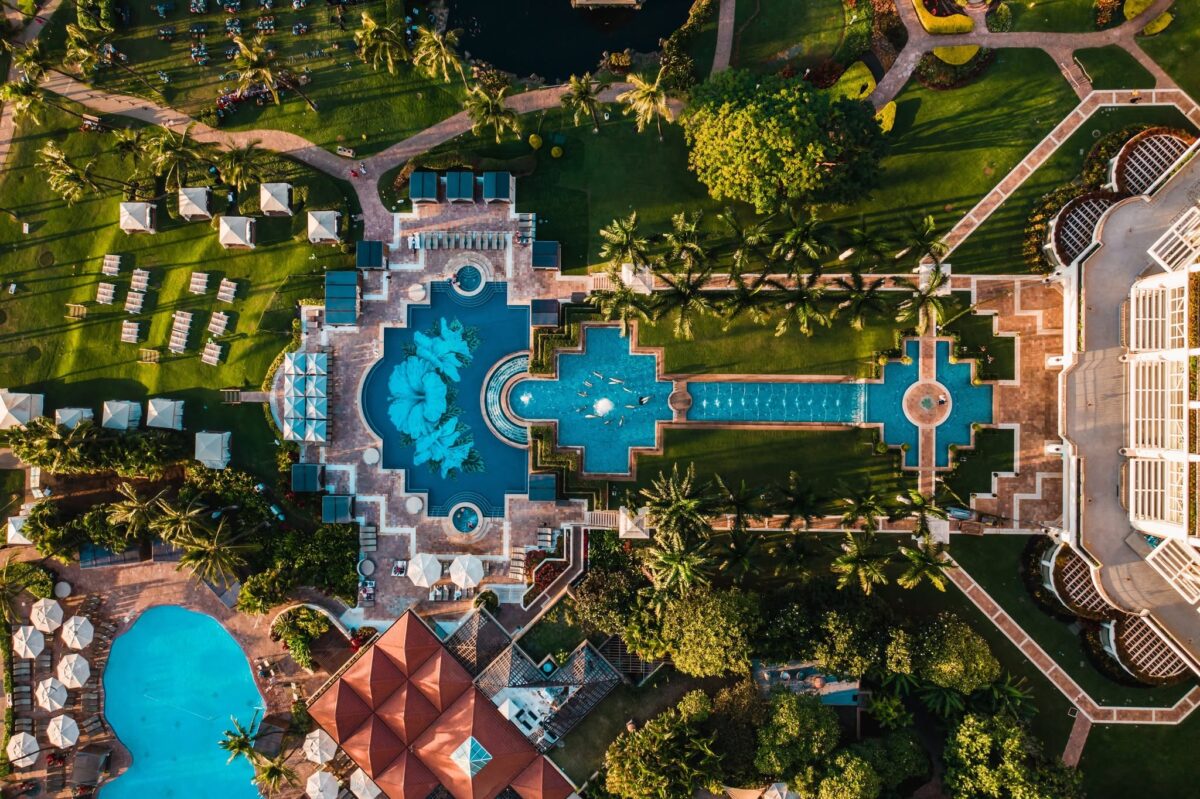
Over the past two decades, the hospitality industry has seen a massive transition from basic swimming pools to "aquatic playgrounds." This shift was largely catalyzed by the success of destination resorts in Orlando and Hawaii, which proved that immersive water features significantly increase length-of-stay and guest satisfaction scores. Data from travel industry analysts suggest that properties featuring significant water amenities see a 20-30% increase in repeat bookings from family demographics.
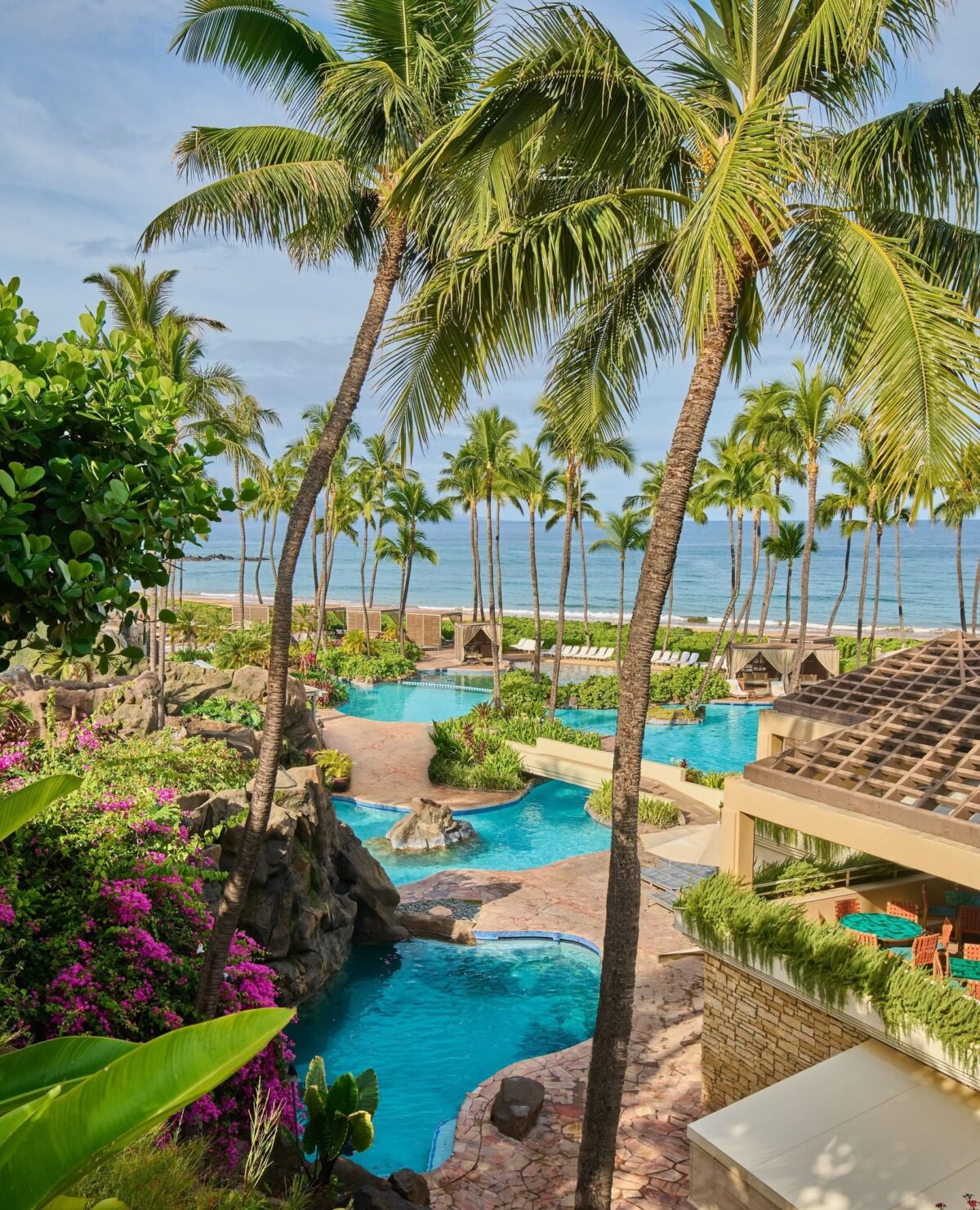
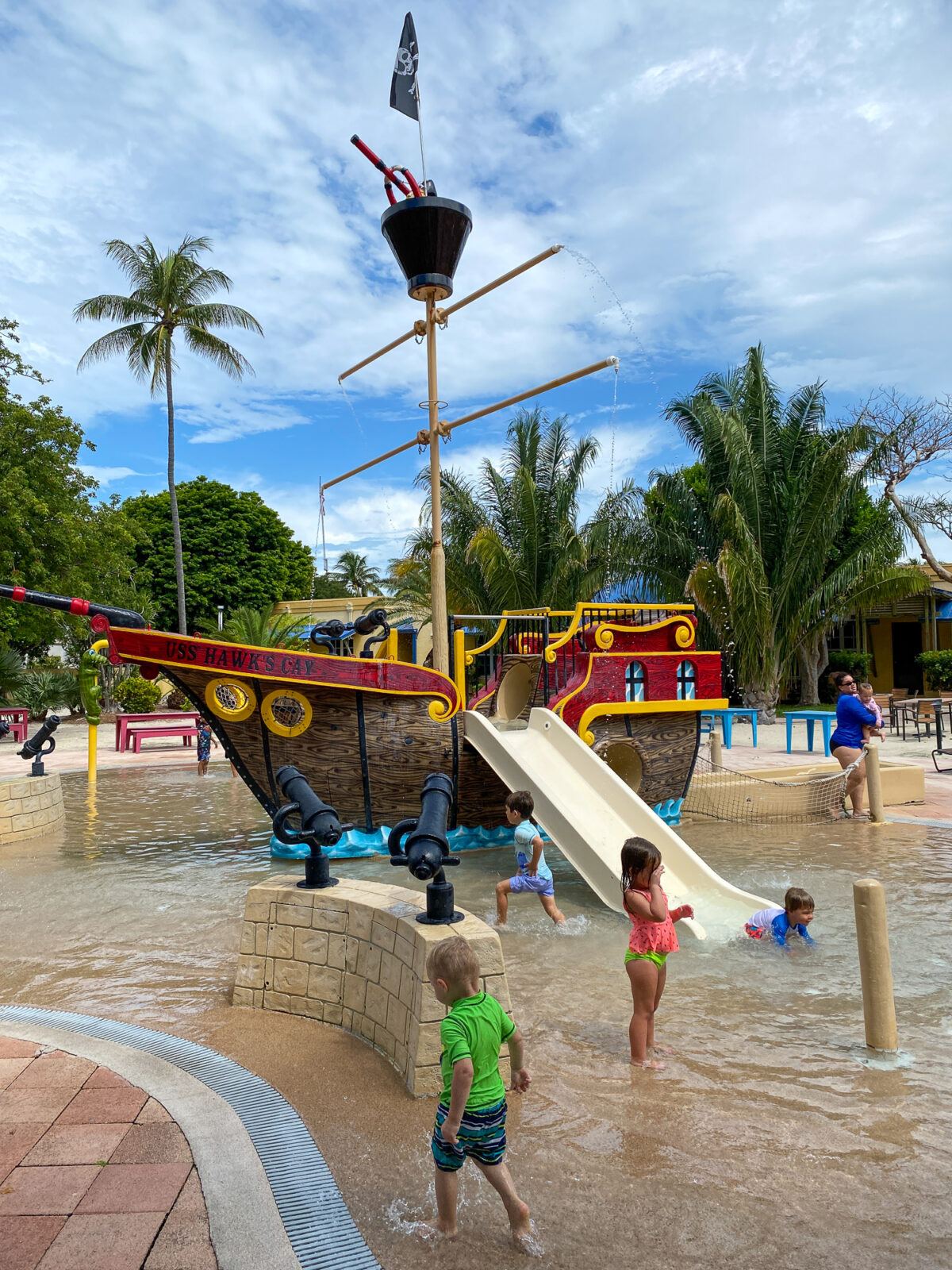
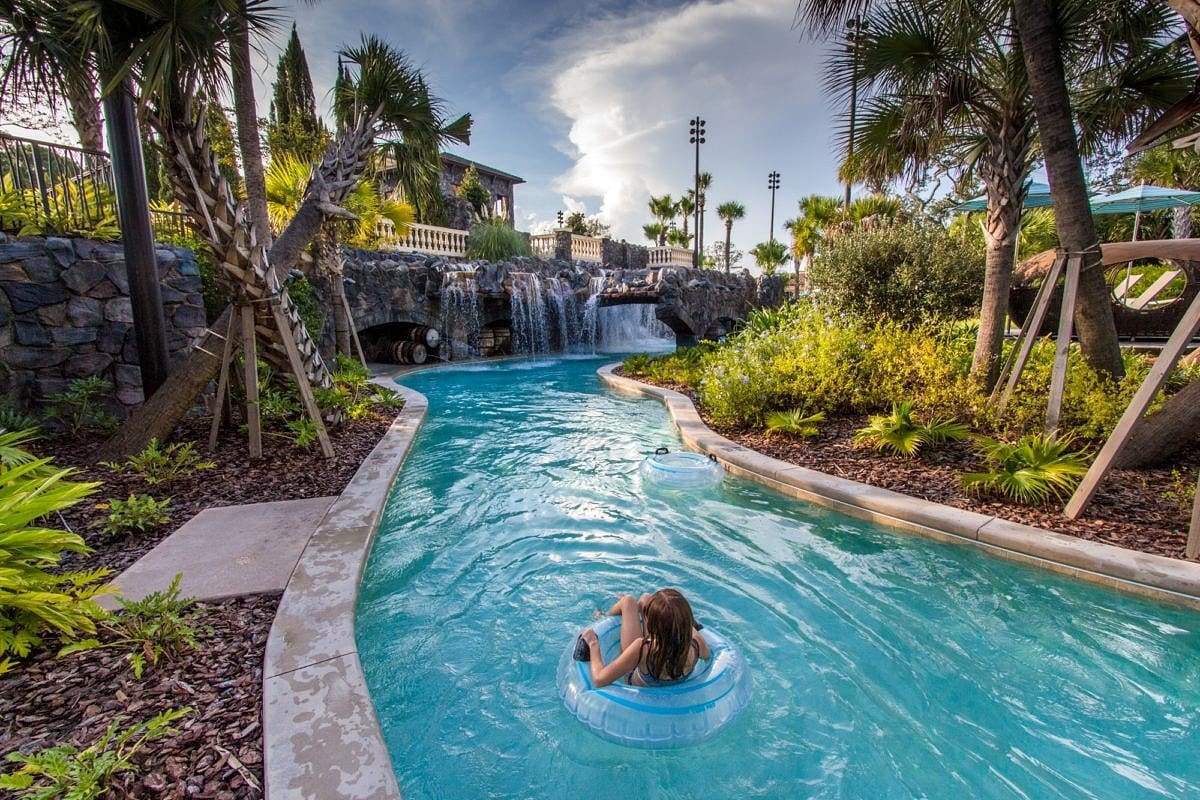
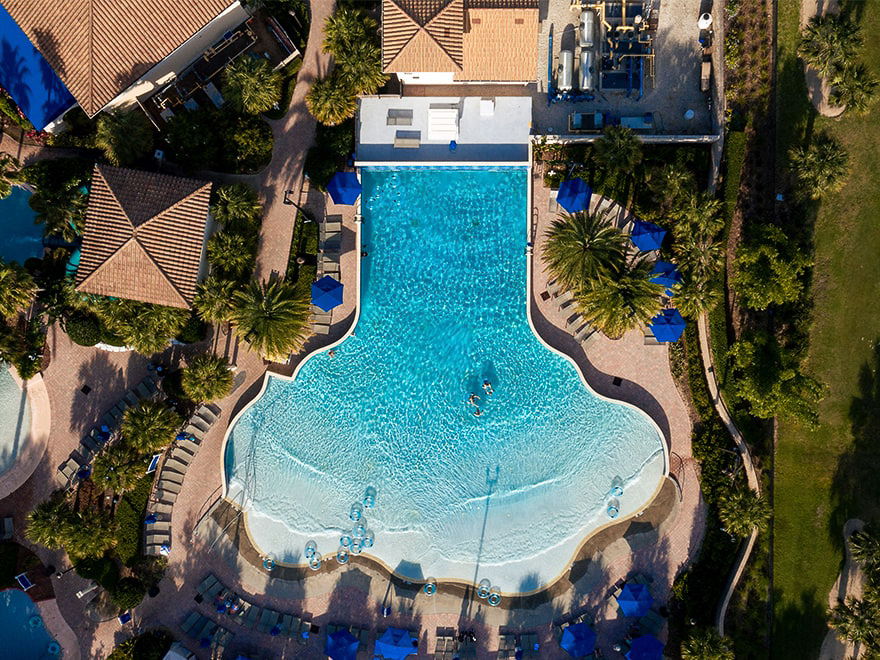
This evolution is not merely about size; it is about engineering. Modern resorts now employ hydraulic engineers to design lazy rivers that mimic natural currents and utilize advanced water filtration systems to maintain high-volume pools. The inclusion of "zero-entry" pools—which slope gently like a beach—has become a standard requirement for inclusivity, allowing toddlers and individuals with mobility issues to access the water safely.
Top-Tier Aquatic Destinations: A Regional Breakdown
The Hawaiian Standard
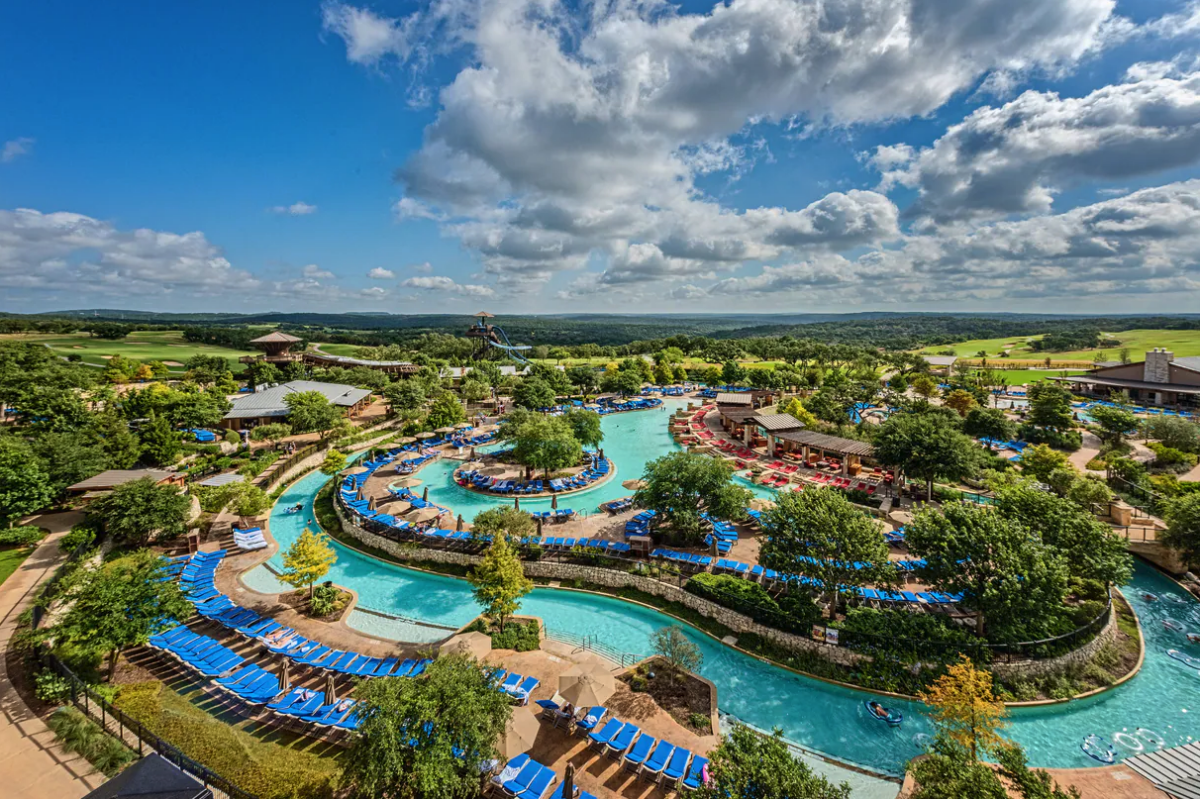
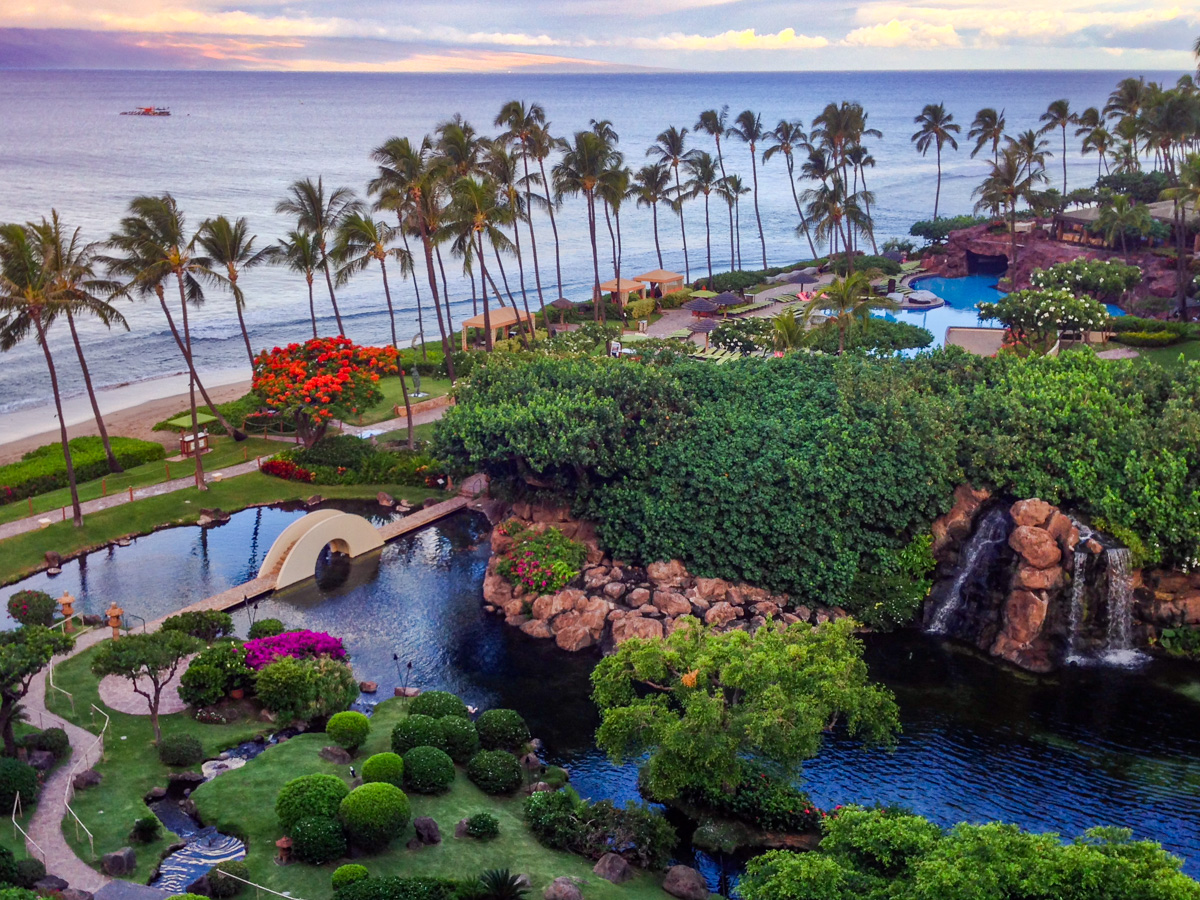
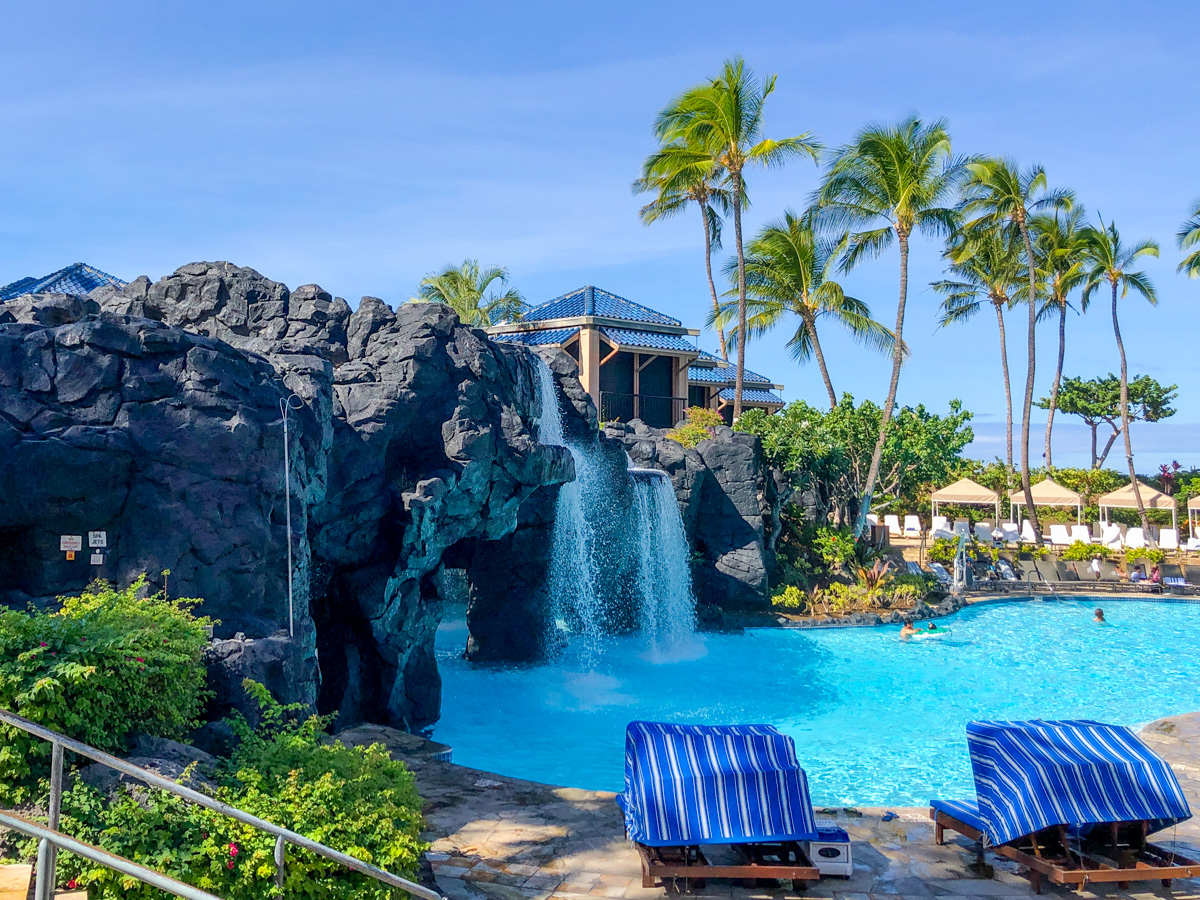
In Hawaii, resorts like the Grand Wailea in Maui and Aulani, A Disney Resort & Spa in Oahu have set the gold standard. The Grand Wailea’s Wailea Canyon Activity Pool spans six levels and features the world’s first water elevator, a sophisticated mechanism that lifts swimmers from one pool elevation to another. These resorts operate under the premise that the water complex should reflect the natural topography of the island, utilizing volcanic rock aesthetics and indigenous landscaping to create an authentic, yet high-adrenaline, environment.
The Texas Hill Country Phenomenon
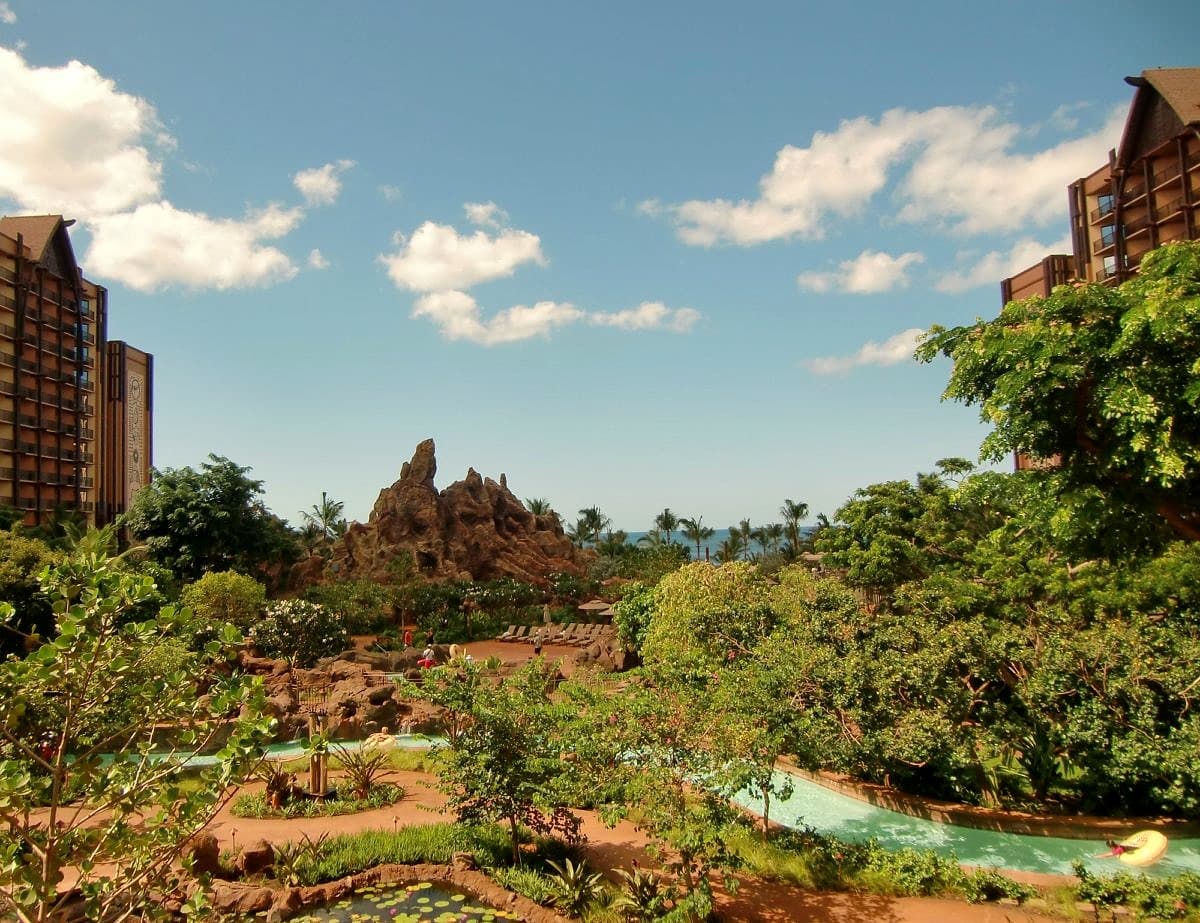
In the mainland U.S., the JW Marriott San Antonio Hill Country Resort & Spa has redefined the expectation for inland resorts. The River Bluff Water Experience utilizes over 1,100 feet of lazy river, winding through terrain that highlights the limestone geology of Texas. By integrating the local environment into the aquatic design, the resort provides a sense of place that traditional concrete waterparks lack.

The Florida Theme Park Corridor
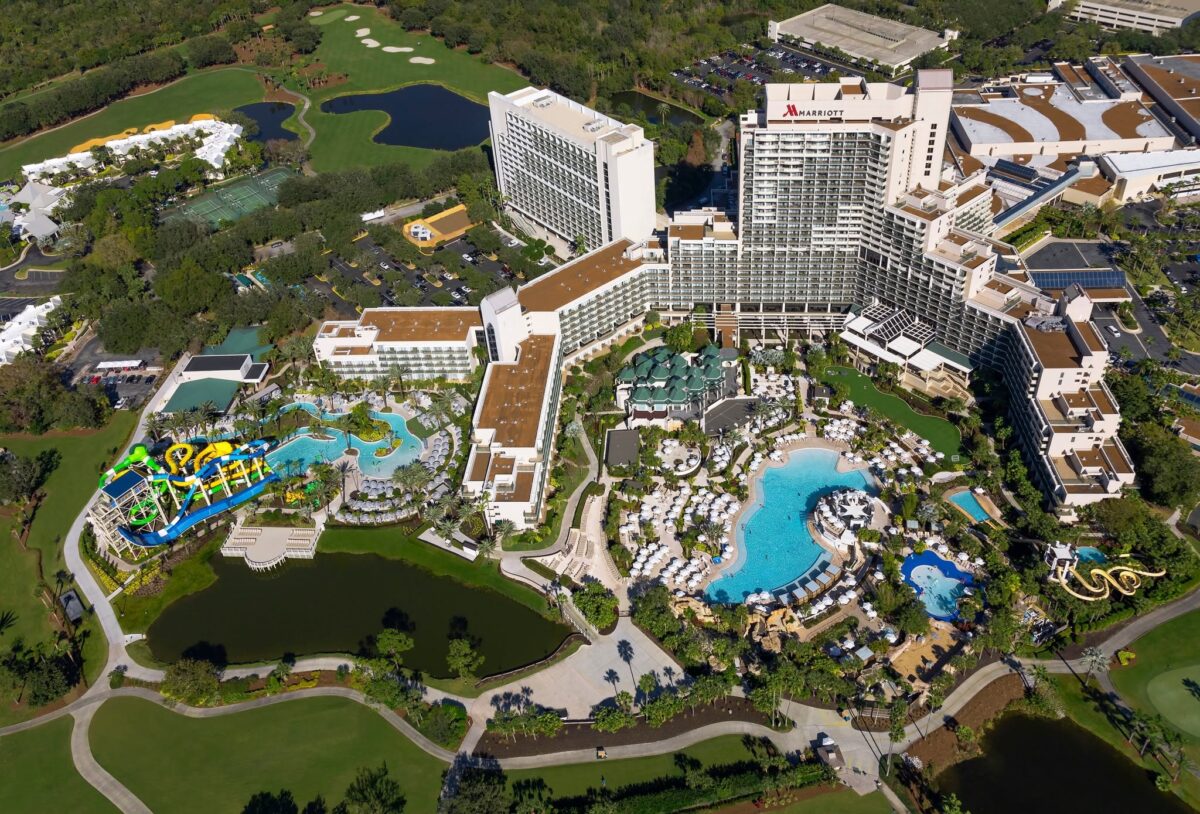
The density of high-end resorts in Florida, particularly near Orlando, has created an "arms race" for the best water features. Properties like the Orlando World Center Marriott and the Four Seasons Resort Orlando have invested in infrastructure that rivals commercial theme parks. These resorts offer more than just water; they offer tactical advantages to travelers, such as proximity to theme parks, coupled with the ability to retreat to a private, controlled water environment at the end of a high-stress day.
Operational and Safety Considerations
The rise of these massive aquatic complexes has brought significant operational challenges. The management of these facilities requires stringent adherence to health and safety standards. According to the Association of Pool & Spa Professionals, the complexity of hotel water systems—including pump-room operations, water quality monitoring, and the presence of high-speed slides—necessitates a permanent staff of certified pool operators (CPO) and, in many cases, professional lifeguards.
For families, these amenities often come at a cost hidden within "resort fees." These fees, which can range from $30 to $60 per night, are increasingly common. They are designed to offset the high maintenance costs of keeping water temperatures, chemical balances, and staffing levels at a consistent standard. While often criticized by consumer advocates for lack of transparency, these fees have become the industry standard for properties that maintain expansive aquatic parks.
Environmental Impact and Sustainability
The environmental footprint of these massive water features is a growing point of discussion. Large resorts are under increasing pressure to implement water reclamation systems. Many of the newer properties featured in this analysis have transitioned to high-efficiency pumps and saltwater-based filtration systems, which are less abrasive than traditional chlorine and require less chemical intervention.
Furthermore, the integration of solar heating is becoming a prerequisite for resorts in temperate climates. By using solar panels to heat the vast volumes of water in lazy rivers and lap pools, resorts can significantly reduce their carbon footprint while ensuring that the pools remain operational during shoulder seasons.
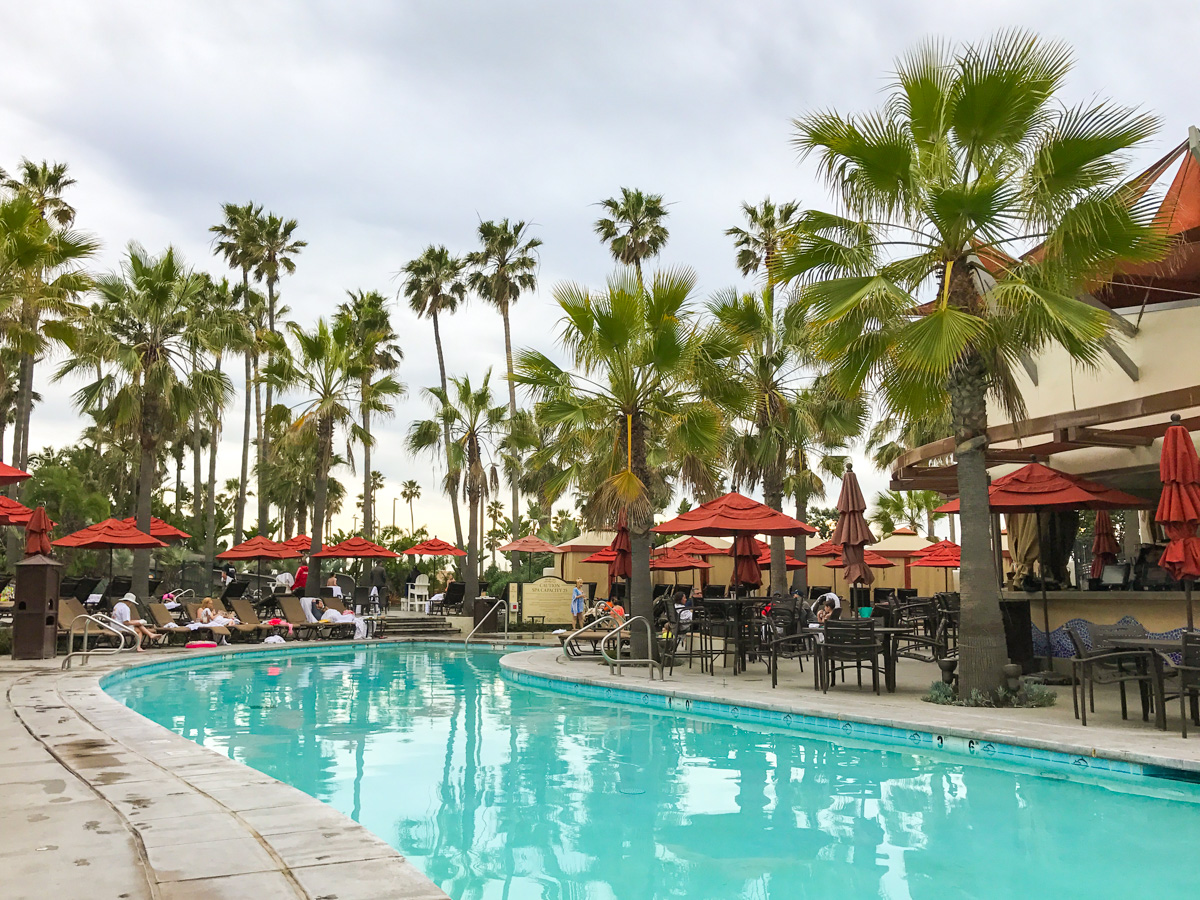
The Economic Implications of "Staycation" Resorts
The economic impact of these water-centric resorts extends beyond the hotel property. In regions like Palm Springs, California, and the Wisconsin Dells, the presence of these massive waterparks serves as a regional anchor for tourism. They generate local employment, increase property values, and boost tax revenue for municipalities.
Analysts note that during periods of economic uncertainty, consumers often choose "staycation" resorts—those within driving distance that offer the amenities of a theme park without the cost of airfare and multi-day park tickets. This trend has allowed resorts like the Great Wolf Lodge and the Kartrite Resort to maintain high occupancy rates even when broader travel indicators remain flat.
Expert Guidance for Families
When selecting a resort based on its water amenities, industry experts recommend that families look beyond the marketing imagery.
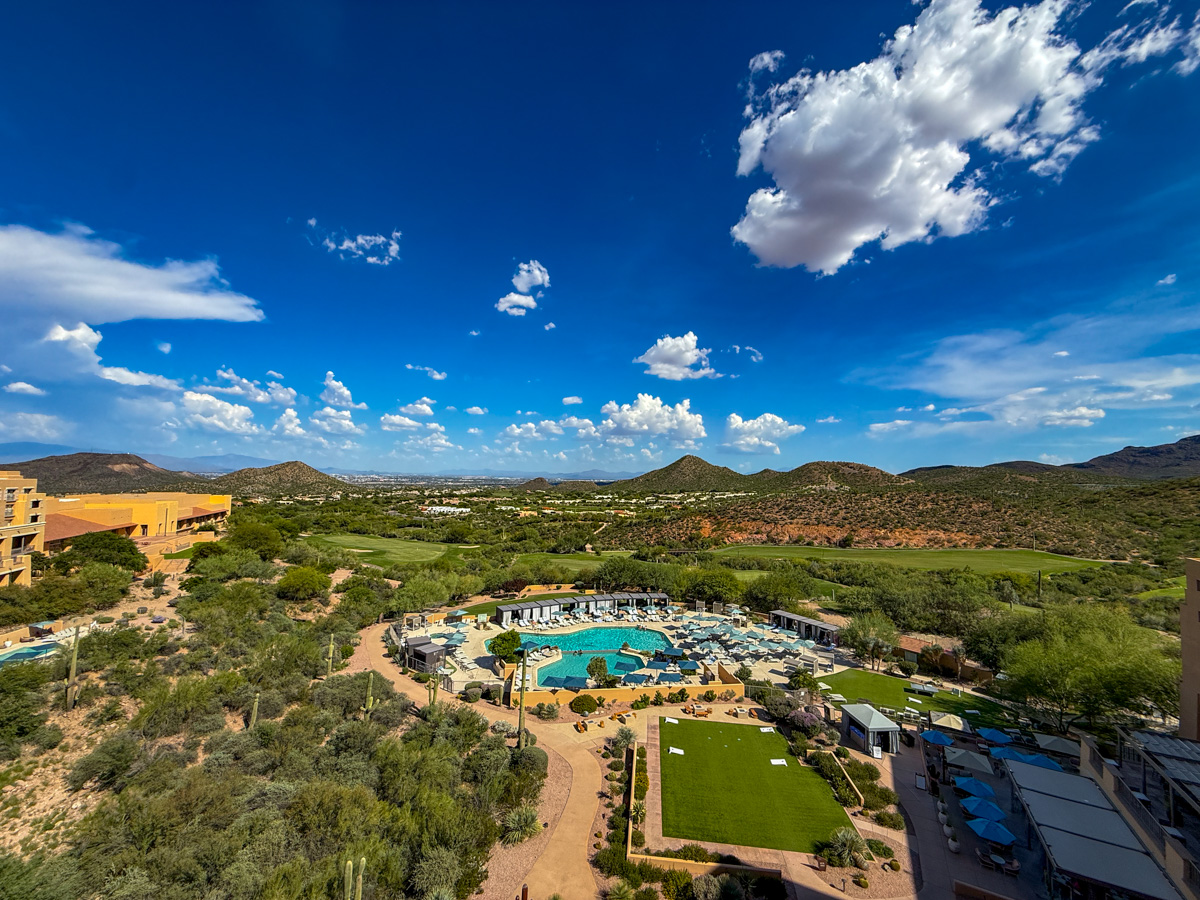
- Verify Seasonal Operations: Not all "year-round" pools are heated. Guests should confirm the water temperature policy, particularly for outdoor pools in shoulder seasons.
- Examine Lifeguard Policies: A high-end resort with a complex waterpark should always have active lifeguard oversight. Families should prioritize these properties for safety.
- Understand Access Restrictions: Some resorts limit access to waterparks to specific room categories or require additional fees for day guests. Always clarify access rights at the time of booking.
- Cabana Rentals: For families with young children, a cabana is often a necessary "home base." These should be booked well in advance of arrival, as they frequently sell out weeks ahead of peak season.
Looking Toward the Future
The future of hotel water features lies in digital integration. We are beginning to see "smart pools" that use sensor technology to monitor swimmer density and water quality in real-time, feeding data to mobile apps that allow guests to see which pools are the most crowded before they leave their rooms.
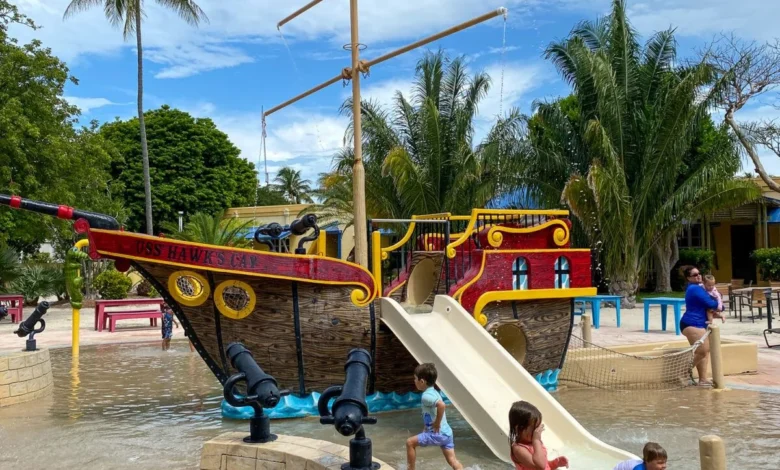
Additionally, the trend toward "themed" water experiences is accelerating. Resorts are no longer satisfied with just a slide; they are incorporating light shows, interactive gaming elements where kids can trigger water cannons via buttons, and even immersive VR experiences that integrate with the water environment.
Summary of Key Considerations
As families continue to prioritize travel experiences that offer a balance of relaxation and high-energy activity, the role of the resort pool will only grow. While the capital investment required to build and maintain these facilities is substantial, the ROI—measured in guest loyalty and brand prestige—is undeniable. Whether it is the serene infinity pools of the Colorado Rockies or the high-octane slides of the Florida Keys, the modern resort waterpark has become an essential pillar of the American travel industry.
Ultimately, the best choice for a family depends on the specific needs of the children—toddlers require zero-entry zones and splash pads, while teenagers seek high-speed slides and independence. By researching these amenities prior to booking, families can ensure that their chosen resort provides the environment necessary to facilitate a memorable and stress-free vacation. The properties listed represent the gold standard of this sector, having successfully balanced the logistical complexity of large-scale water management with the experiential needs of the modern, discerning family traveler.