The Evolution of Canadian Tourism: How Modern Travelers Are Redefining the Ultimate Getaway Across the Country

The landscape of Canadian tourism is undergoing a profound transformation, shifting away from passive sightseeing toward immersive, multi-faceted leisure experiences. As domestic and international travelers alike increasingly seek out destinations that seamlessly blend culture, gastronomy, entertainment, and natural beauty into a single cohesive itinerary, the country’s tourism sector has responded with unprecedented adaptability. Modern tourism is no longer defined merely by the landmarks one photographs, but by the depth of engagement a destination offers. From the historic fortifications of Quebec City to the rugged coastal shores of Atlantic Canada and the majestic peaks of the Rocky Mountains, the modern travel paradigm demands a holistic approach to vacation planning.
The Shift Toward Comprehensive Leisure Experiences
Historically, vacations were often categorized by single-focus objectives: a camping trip in the wilderness, a museum-heavy historical tour, or a relaxing beach holiday. However, contemporary consumer habits, shaped by shifting work-life balances and a desire for maximized leisure time, favor destinations that offer a diverse ecosystem of activities. Travelers increasingly reject the friction of relocating between multiple hubs to satisfy varying interests. Instead, they look for regional ecosystems where outdoor adventure, high-end dining, cultural immersion, and vibrant nightlife coexist within close geographic proximity.

This trend has redefined destination marketing across Canada’s provinces. Tourism boards and municipal leaders have pivoted away from marketing singular attractions, choosing instead to package their regions as comprehensive lifestyle experiences. By breaking down the traditional silos between nature-based tourism and urban entertainment, Canadian destinations are capturing a broader demographic of travelers who expect convenience without sacrificing authenticity or excitement.
Urban Centers and Regional Hubs: Case Studies in Versatility
A primary driver of this trend is the emergence of versatile urban and regional hubs that cater to overlapping interests. Victoria, British Columbia, serves as a quintessential model of this evolution. Positioned on the southern tip of Vancouver Island, Victoria bridges the gap between serene natural beauty and dense cultural offerings. Visitors can transition effortlessly from exploring the historic Craigdarroch Castle or the expansive grounds of Butchart Gardens to sampling artisanal seafood at a harbor-front restaurant, concluding their evening with localized entertainment.
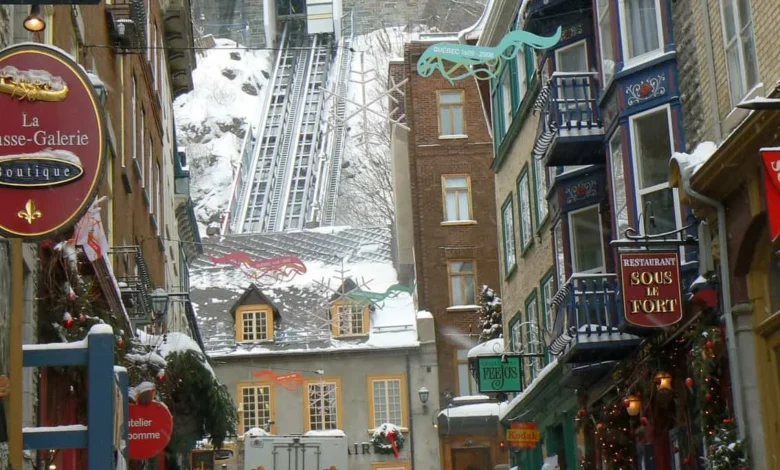
Similarly, Quebec City offers a masterclass in blending historical preservation with modern hospitality. Retaining its status as North America’s only fortified city north of Mexico, Quebec City leverages its 17th-century European architecture, cobblestone streets, and UNESCO World Heritage status alongside a booming culinary scene and internationally renowned festivals, such as the Quebec City Summer Festival. This dual identity appeals directly to travelers who want intellectual stimulation by day and high-end leisure by night.

On the East Coast, Halifax acts as a maritime anchor for this movement. The city’s revitalized waterfront, deeply rooted in naval history and Atlantic heritage, now supports a burgeoning culinary and arts scene. Meanwhile, traditional outdoor sanctuaries such as Banff and Jasper in Alberta have expanded their portfolios far beyond alpine hiking and wildlife viewing. Recognizing that today’s nature enthusiast also values wellness retreats, gourmet dining, and boutique shopping, these mountain towns have successfully integrated luxury amenities into the rugged wilderness experience.
The Digital Planning Revolution and Advanced Itinerary Curation
The mechanics of how travelers prepare for these complex journeys have evolved in tandem with consumer expectations. Industry data indicates that modern tourists spend significantly more time conducting pre-trip research than their predecessors did a decade ago. The days of spontaneous itinerary building upon arrival have largely been replaced by meticulous digital planning, driven by online travel guides, review aggregators, and interactive mapping tools.
This digital shift has transformed travel preparation into an integral part of the vacation experience itself. Tourists routinely browse destination portals, analyze regional dining guides, and map out entertainment schedules weeks or months in advance. For specialized interests—such as nightlife, live performances, or gaming—travelers utilize trusted online resources to evaluate local options before departure. For instance, tourists interested in regional gaming and entertainment sectors frequently research physical venues or cross-reference digital platforms, such as Casino.com in Canada, to identify top-tier regulated options that accommodate international visitors and provide secure payment frameworks. By organizing these logistical details prior to arrival, travelers mitigate vacation friction, ensuring that every hour of their trip aligns with their personal preferences.

Cultural Tourism as a Catalyst for Meaningful Connection
Beyond convenience and entertainment, cultural tourism has emerged as a cornerstone of modern travel decisions. Contemporary visitors increasingly prioritize experiences that foster genuine connections with the regions they visit, seeking out narratives and traditions that extend beyond commercialized tourist traps.
Montreal stands out as a focal point for this cultural synthesis. The metropolis thrives on its bilingual identity, fusing French European sensibilities with North American dynamism. Its neighborhoods—ranging from the historic Old Port to the bohemian Mile End—offer intersecting layers of architecture, contemporary art galleries, indie music scenes, and a globally recognized gastronomy sector. This cultural density provides tourists with a multifaceted urban experience that engages all the senses.
Concurrently, northern Canada and various provincial interiors have seen a surge in Indigenous-led tourism. Through educational initiatives, cultural centers, guided backcountry expeditions, and community-led festivals, travelers are gaining profound insights into First Nations, Inuit, and Métis histories. According to industry analyses by tourism advocacy groups, this sector has experienced robust growth, driven by an increasing consumer demand for authentic, respectful, and educational travel. Engaging directly with Indigenous communities allows visitors to appreciate the foundational cultures of the Canadian landscape, transforming a standard holiday into a lasting educational milestone.

The Gastronomic Imperative: Food as a Primary Travel Driver
Perhaps no sector has influenced modern travel behavior as profoundly as culinary tourism. Once considered a secondary consideration subservient to accommodation and sightseeing, dining has ascended to the primary driver of destination selection for a significant percentage of travelers.
Metropolitan centers like Toronto and Vancouver have leveraged their vast multicultural demographics to establish world-class dining scenes. Visitors can traverse global cuisines within a single city block, sampling authentic regional dishes from every corner of the globe while simultaneously exploring modern Canadian cuisine, which frequently highlights indigenous ingredients such as wild game, maple derivatives, and foraged forest flora.
This culinary revolution is not restricted to major urban areas. Agricultural and coastal regions have successfully rebranded themselves as premier gastronomic destinations. Prince Edward Island draws thousands of visitors annually centered around its iconic shellfish industry and farm-to-table culinary trails. Similarly, British Columbia’s Okanagan Valley has transformed from a regional fruit-growing district into a celebrated wine-producing region, attracting oenophiles with world-class vineyards, boutique wineries, and estate dining experiences that rival traditional European wine tours.
The Integration of Entertainment and Natural Wonders
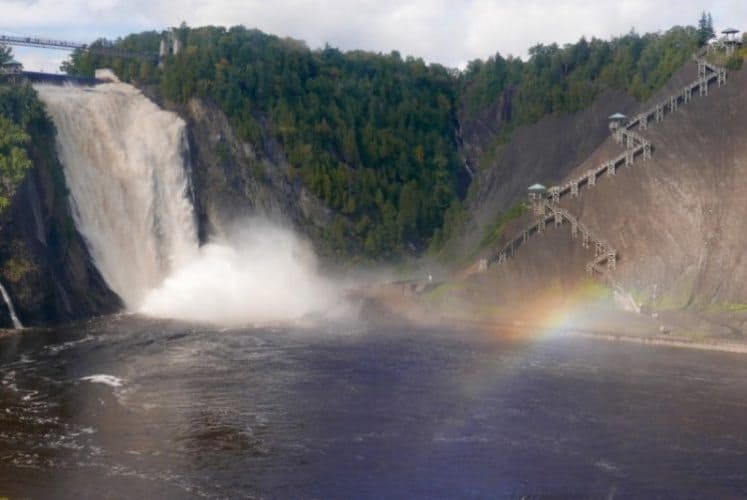
The modern traveler’s desire for variety is perhaps best illustrated by destinations that successfully marry awe-inspiring natural wonders with comprehensive entertainment infrastructure. Niagara Falls, Ontario, remains the definitive example of this synergy. While the natural spectacle of the cascading water draws millions of annual visitors, the surrounding municipality has developed an extensive secondary infrastructure designed to extend the duration of stay.
Visitors to Niagara Falls can transition instantly from viewing the mist on the Maid of the Mist boat tour to exploring indoor water parks, live theatre venues, gaming establishments, shopping districts, and fine-dining restaurants. This diversification prevents traveler fatigue and ensures that multi-generational families, couples, and solo travelers can curate an itinerary tailored to disparate energy levels and interests.
Economic Implications and Future Outlook for Canadian Tourism
The transition toward multi-activity, experience-driven tourism carries significant economic implications for the Canadian hospitality sector. Destinations that successfully diversify their offerings mitigate the seasonal volatility that has historically plagued the tourism industry. By pairing natural landscapes with cultural festivals, culinary events, and indoor entertainment complexes, regional economies can attract steady visitor flows throughout shoulder seasons and winter months.

Industry analysts project that this trend will continue to accelerate as technological integration improves. Enhanced virtual reality previews, AI-driven itinerary planners, and streamlined reservation systems will allow travelers to customize their journeys with even greater precision. Ultimately, Canada’s capacity to blend its vast natural wilderness with sophisticated urban amenities, rich cultural narratives, and diverse entertainment options positions the country as a leader in the global evolution of modern travel.