Florence, Oregon, has emerged as a premier destination for solo travelers seeking a blend of rugged natural beauty, maritime history, and accessible coastal luxury. Situated at the mouth of the Siuslaw River on the central Oregon coast, this town of approximately 9,000 residents offers a distinct alternative to the more heavily trafficked northern coastal corridors. Known for its expansive sand dunes, historic architecture, and a culinary scene centered on Pacific harvests, Florence provides a strategic retreat for visitors from high-heat climates, such as the American Southwest, particularly during the shoulder months of early summer. The destination’s appeal is grounded in its "Solo Travel Rating of 1," indicating a high level of ease regarding navigation, safety, and infrastructure for independent tourists.
Regional Geography and the Environmental Profile of Florence
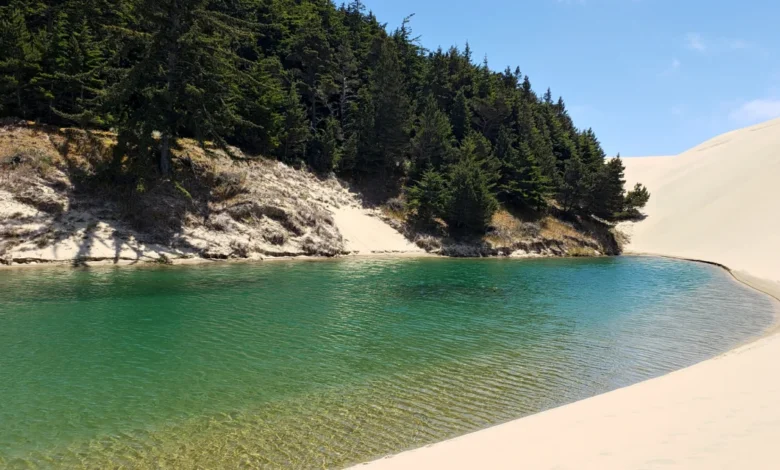
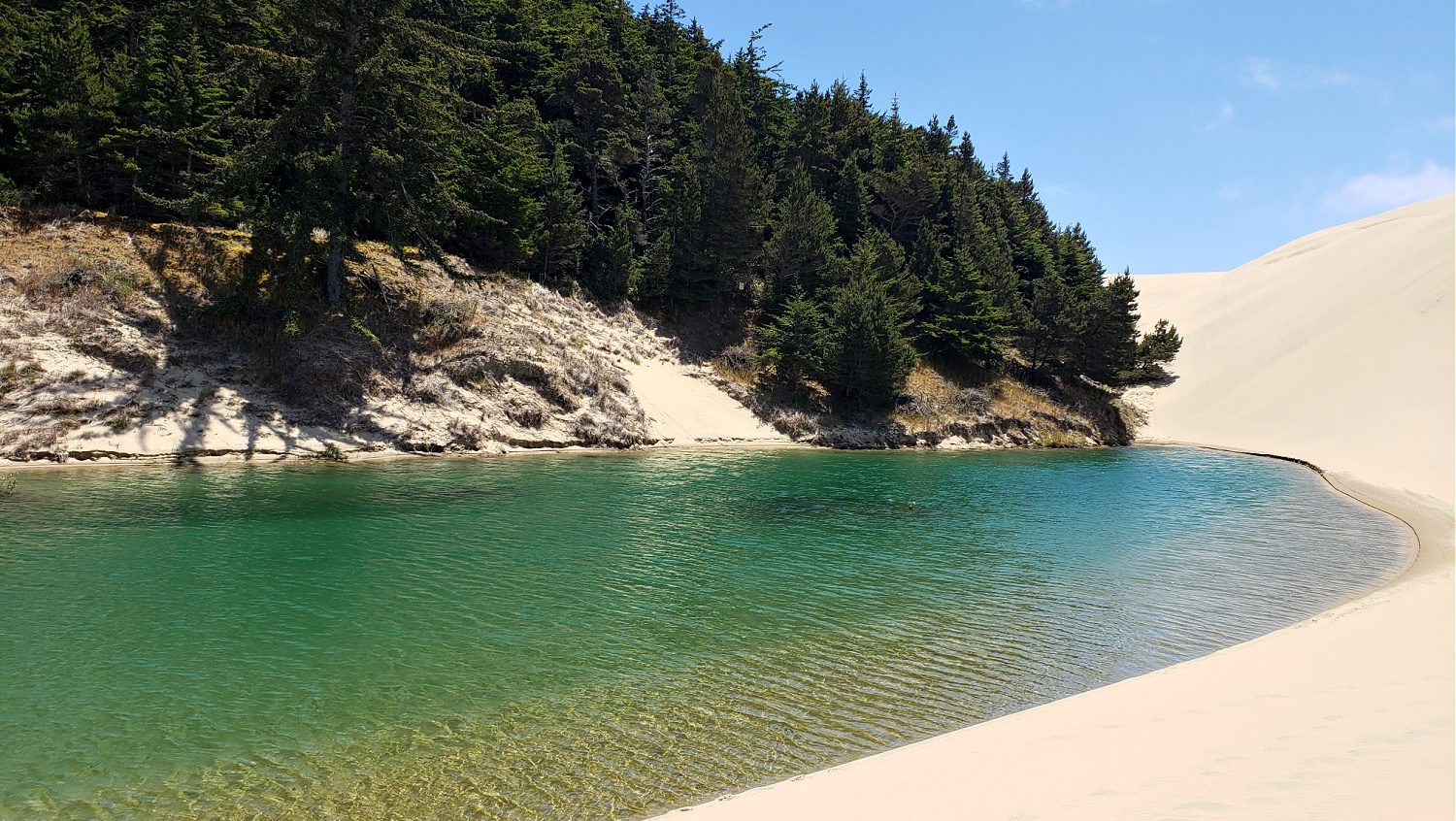
The environmental allure of Florence is defined by its unique position between the Pacific Ocean and the Siuslaw National Forest. Unlike the rocky cliffs common to the northern reaches of the state, the central coast near Florence is characterized by the Oregon Dunes National Recreation Area. This area represents the largest expanse of temperate coastal sand dunes in North America, with some peaks reaching up to 500 feet above sea level. These formations are the result of millions of years of erosion from the Coastal Mountain Range, carried to the ocean by rivers and then pushed back onto the shore by persistent winds and tides.
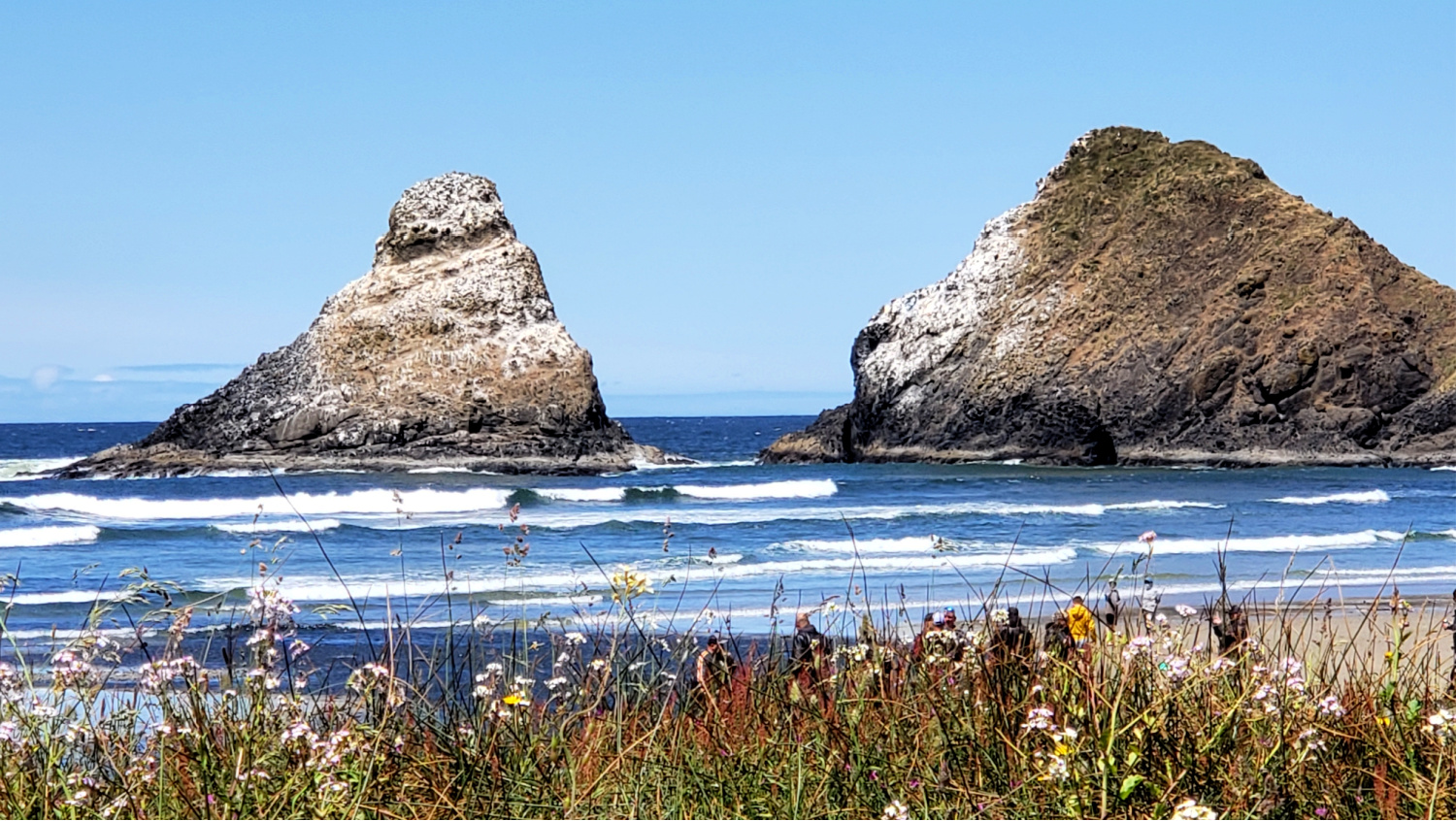
For the solo traveler, this landscape offers a rare sense of solitude. Heceta Beach, located just north of the city center, remains largely unspoiled by commercial overdevelopment. The beach is noted for its sea stacks—massive basalt rock formations that have detached from the mainland over millennia. These geological features provide a dramatic backdrop for the region’s sunsets, which are a primary draw for photography enthusiasts and nature observers.
The climate serves as a significant logistical factor for regional tourism. In June, while much of the inland United States experiences rising temperatures, Florence maintains an average high of 64°F (17.7°C). This maritime microclimate is driven by the cold California Current, which regulates air temperatures and often produces a refreshing coastal breeze. For visitors arriving from arid regions like Arizona, the contrast in humidity and temperature provides a physiological respite that has become a cornerstone of the town’s seasonal marketing.
Chronology of Development and Historical Context
The historical trajectory of Florence is inextricably linked to the Siuslaw River and the evolution of Pacific Northwest infrastructure. Originally inhabited by the Siuslaw people, the area saw European-American settlement in the late 19th century. The town was formally incorporated in 1893, and its early economy was built upon the twin pillars of the timber industry and commercial fishing.
A pivotal moment in the town’s history occurred in 1894 with the completion of the Heceta Head Lighthouse. Perched 205 feet above the ocean on a sheer cliff, the lighthouse features a first-order Fresnel lens that remains one of the most powerful lights on the Oregon coast. Its construction marked Florence as a critical node in maritime safety, protecting vessels navigating the treacherous waters between Coos Bay and Newport.
The mid-20th century brought further structural transformation with the completion of the Siuslaw River Bridge in 1936. Designed by the renowned engineer Conde McCullough, the bridge is a masterpiece of Art Deco and Gothic style, featuring four swing-span towers. This bridge integrated Florence into the Oregon Coast Highway (US Route 101), transitioning the town from an isolated fishing village into a reachable destination for the burgeoning American middle-class road-trip culture. Today, this bridge serves as the gateway to "Old Town" Florence, a preserved district where the original waterfront buildings have been repurposed into galleries, boutiques, and high-end seafood eateries.
Infrastructure and Logistics for the Independent Traveler
Florence is positioned approximately 60 miles west of Eugene, Oregon, which serves as the primary transit hub for the region. Eugene Airport (EUG) provides direct connections to major western cities, including Phoenix, Los Angeles, and Seattle. The drive from Eugene to Florence via Highway 126 is a scenic transit through the Coast Range, taking travelers through dense Douglas fir forests before terminating at the Pacific junction.
For solo travelers, the lodging infrastructure in Florence is notably accommodating. The Driftwood Shores Resort & Conference Center serves as a primary example of the region’s focus on "ocean-view-centric" architecture. Every room in the facility is oriented toward the Pacific, a design choice that maximizes the sensory experience of the coast. The resort’s integration of a traditional restaurant, an indoor aquatic center, and direct beach access allows solo visitors to balance seclusion with the security of a full-service facility.
The local economy has successfully pivoted toward a service-based model. Data from the Oregon Coast Visitors Association indicates that tourism in Lane County (where Florence is located) generates hundreds of millions of dollars in annual spending, supporting thousands of local jobs. This economic reliance on visitors has fostered a welcoming environment where solo dining and independent exploration are culturally normalized, contributing to the "Rating 1" ease-of-travel designation.
Culinary Landscape and Local Sourcing
The culinary identity of Florence is a reflection of the Siuslaw River’s estuary and the cold waters of the Pacific. The region is particularly famous for its Dungeness crab, Pacific cod, and Chinook salmon. In the local dining establishments, there is a marked emphasis on "hand-breaded" and "locally caught" fare, moving away from the processed seafood common in inland markets.
The presence of the International Port of Siuslaw ensures that the "dock-to-table" pipeline remains robust. Solo travelers often find that the counter-service and casual-seating arrangements in Old Town are conducive to low-pressure dining. The culinary scene acts as a social anchor for the town; for instance, the annual Rhododendron Festival in May and various seafood-themed events throughout the year highlight the town’s commitment to its local resources.
Broader Implications for Solo Travel Trends
The rise of Florence as a solo travel destination aligns with broader global trends in the tourism industry. Market research suggests that "discovery travel"—where individuals seek out lesser-known locales to avoid "overtourism"—is on the rise. Florence benefits from being "little-known" compared to flagship Oregon destinations like Astoria or Cannon Beach, offering a sense of "travel magic" or serendipity that seasoned travelers crave.
Furthermore, the safety profile of the central Oregon coast makes it a viable option for a wide demographic of solo explorers. The low crime rate, coupled with the clear signage and well-maintained state parks, reduces the cognitive load on the traveler. This allows for a focus on mental well-being and relaxation, which are frequently cited as the primary motivations for solo getaways.
Future Outlook and Seasonal Opportunities
While a long weekend provides a substantial introduction to Florence, the region possesses enough depth for extended stays. Future tourism development is expected to focus on eco-tourism and educational experiences. Key sites that remain high on the "must-see" list for returning visitors include:
- The Sea Lion Caves: Located just north of Florence, this is the largest sea cave in America and serves as a year-round sanctuary for Steller sea lions. It offers a unique subterranean perspective on coastal wildlife.
- Darlingtonia State Natural Site: A botanical preserve dedicated to the Darlingtonia californica, a rare carnivorous plant also known as the cobra lily. This site highlights the unique peat bog ecosystems found in the coastal lowlands.
- Active Recreation on the Dunes: While many visit for the views, the dunes offer sandboarding and professional buggy tours, providing a high-energy contrast to the town’s quiet galleries.
In conclusion, Florence, Oregon, represents a sophisticated intersection of natural grandeur and logistical simplicity. Its ability to provide a "delightfully unspoiled" experience while maintaining modern amenities makes it an exemplary model for Pacific Northwest tourism. For the solo traveler, it offers a rare commodity: a destination that is as easy to navigate as it is profound to witness. As the travel industry continues to evolve toward personalized and tranquil experiences, Florence is well-positioned to remain a cornerstone of the central Oregon coast.