When chef Enrique Olvera inaugurated his flagship restaurant, Pujol, in Mexico City at the turn of the millennium, the local culinary landscape was fundamentally different. In 2000, the concept of a high-end, white-tablecloth establishment dedicated to the rigorous elevation of traditional Mexican sauces—most notably mole—was a radical departure from the city’s established dining norms. Two decades later, that vision has not only solidified but has served as a catalyst for a broader urban metamorphosis, transforming Mexico City into one of the most significant cultural and gastronomic destinations in the Western Hemisphere.
The trajectory of Pujol serves as a microcosm for the city’s broader renaissance. Since its inception, the restaurant has ascended to the upper echelons of global recognition, consistently securing a spot within the top ten of the World’s 50 Best Restaurants list. The arrival of the Michelin Guide in the Mexican capital in 2024, which awarded the establishment two stars, served as the final validation of a long-standing evolution. Today, Pujol operates from a spacious, contemporary glass-fronted facility in Polanco, overlooking a lush patio—a stark contrast to the intimate, modest footprint where the journey began.
A Surge in Tourism and Urban Development
The growth of the capital is supported by compelling metrics. In 2025, the city hosted approximately 15.5 million hotel guests, marking a nearly 5 percent increase from the previous year. This influx of visitors has translated into significant economic activity, prompting a rapid expansion of the local service and hospitality sectors.
Eduardo Plaschinski, co-owner of the all-day dining brand Niddo, notes that the city’s current status as an international hub is a dramatic reversal of its historical perception. "People were always scared of coming to Mexico City," he explains. "It used to have a bad reputation." In just eight years, Plaschinski has scaled his operation from a modest 15-person team to a workforce of over 100 employees across six distinct locations. This expansion reflects a broader trend: the city is no longer merely a transit point, but a primary destination for travelers seeking an authentic, high-end experience that balances tradition with modern luxury.

However, this rapid growth has not been without its challenges. The influx of international capital and tourism has contributed to notable gentrification, with rising costs of living and shifts in neighborhood demographics sparking debate among long-term residents. Despite these frictions, stakeholders argue that the city is currently experiencing a necessary and overdue period of global integration.
The Rise of Bespoke Luxury Services
As the demographic of visitors has shifted toward high-net-worth individuals, the demand for personalized, exclusive experiences has surged. Mónica Quintero, a Mexico City-based luxury concierge and co-founder of Odysya, identified a market gap as travelers increasingly sought access to the city’s burgeoning art, architecture, and fine-dining scenes.
"There are now restaurants in Mexico City that are the same quality as any city in the world," Quintero observes. The 2024 introduction of the Michelin Guide acted as a formal "seal of approval," solidifying the city’s reputation among affluent travelers who might previously have bypassed the capital in favor of coastal resort towns like Los Cabos or Punta Mita.
Quintero’s clientele, often seeking to distance themselves from the "standardized" luxury found in U.S.-centric beach resorts, are increasingly gravitating toward the capital’s intellectual and cultural offerings. This includes private tours of the Museo Nacional de Antropología and deep dives into the contemporary art scene, bolstered by the success of newer galleries like Masa and the cultural space LagoAlgo.
A New Era of Boutique Hospitality
The transformation is perhaps most visible in the city’s hospitality real estate. While legacy institutions like the Four Seasons have long maintained a presence in the capital, the current trend favors boutique properties that offer a localized, intimate sense of place.

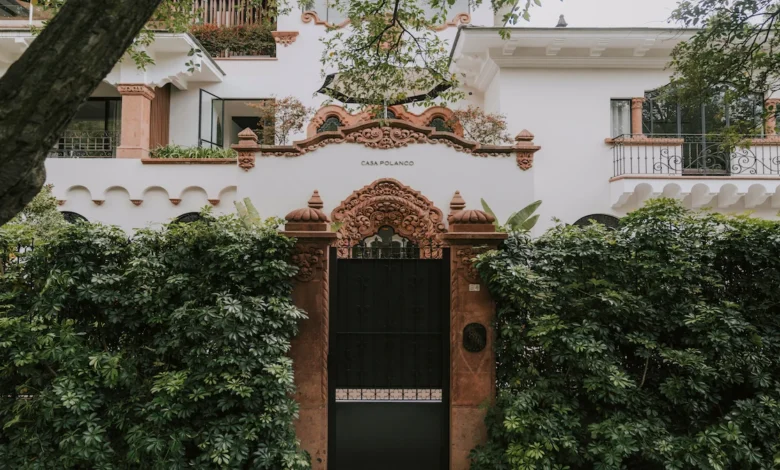
In 2022, Casa Polanco opened its doors, occupying a restored 1940s mansion that emphasizes architectural preservation and refined aesthetics. Similarly, the entry of the Relais & Châteaux brand with El Cortés in the Roma district signifies a shift toward curated, intimate lodging. El Cortés, a 15-room boutique hotel, showcases the personal art collection of owner Carlos Zaragoza and features the restaurant Lotti, helmed by chef Luc Liebster. The integration of high-level European culinary techniques with local Mexican ingredients at Lotti reflects the globalized nature of the city’s current food scene, where top-tier international talent is increasingly drawn to Mexico City to hone their craft.
The Intersection of Retail, Culture, and Commerce
Beyond dining and hospitality, the retail sector is undergoing a parallel evolution. Catalina Marín, a trend forecasting analyst at WGSN, projects that the luxury retail market in Mexico City will see a 5 percent growth rate over the next five years. This is being driven not only by international tourism but by an increasingly affluent local consumer base with a strong appetite for luxury goods.
Global houses—including Cartier, Tiffany & Co., and Carolina Herrera—are moving beyond traditional storefronts to create immersive cultural experiences. A prime example was the 2023 "Cartier Design: A Living Legacy" exhibition at the Museo Jumex. Such activations are designed to create a "cultural synergy," connecting the brand’s global heritage with Mexico’s rich tradition of craftsmanship.
Domestic brands are similarly capturing this momentum. Montserrat Messeguer, a luxury label specializing in western-inspired artisanal footwear, has gained significant international traction, counting global icons among its clientele. Furthermore, the arrival of retail concepts like Lengua, which focuses on high-end jewelry from Latin American designers, and the expansion of designers like Patricio Campillo, highlight a robust ecosystem where local creativity is being positioned as a luxury commodity.
Analytical Implications and Future Outlook
The current state of Mexico City represents a pivot point in Latin American urban development. The integration of world-class gastronomy, a thriving contemporary art market, and a sophisticated boutique hotel sector has created a "virtuous cycle" of investment.

However, the sustainability of this growth remains a key point of analysis. The city’s ability to maintain its unique character while managing the pressures of gentrification will likely define its next decade. For now, the consensus among luxury sector analysts and stakeholders is that Mexico City has successfully transitioned from a regional hub to a global player.
The shift is perhaps best summarized by the changing intent of the luxury traveler. As Quintero notes, the allure of the city is no longer tied to a single reservation or a single site. "There are so many things opening: fashion, design boutiques, and galleries," she says. "Every day I discover something new." This perpetual state of discovery is the hallmark of a city that has finally claimed its place on the world stage, offering a depth of cultural complexity that keeps both the curious traveler and the discerning resident constantly engaged.
As the city approaches the latter half of the 2020s, the focus is expected to remain on balancing this high-end growth with the preservation of the historical and social fabric that initially made the city an attractive prospect. For now, the momentum remains firmly in favor of the Mexican capital, which continues to redefine the standards of luxury in a modern, globalized context.
Related posts: