Supreme Court Clears Way for Border Wall Construction in Big Bend National Park Amid Intense Conservation Backlash

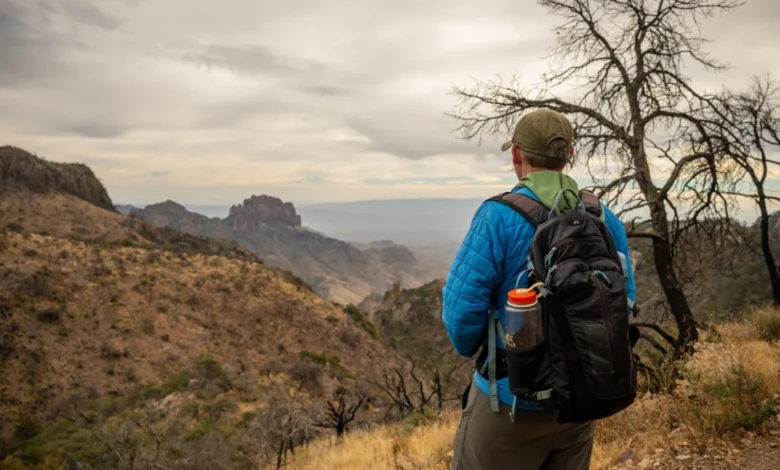
Big Bend National Park, spanning over 800,000 acres of remote West Texas wilderness along the international boundary between the United States and Mexico, stands at the center of a profound legal and environmental conflict. Following a decisive 8-1 ruling by the United States Supreme Court on November 9, the federal administration received authorization to resume border barrier construction projects running directly through the park’s fragile desert ecosystem. The judicial decision marks a major legal milestone in a multi-year battle between federal security mandates, environmental conservationists, and indigenous heritage advocates.
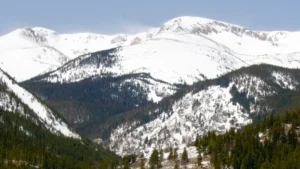
While the park continues to draw outdoor enthusiasts, backpackers, and geologists with its dramatic limestone canyons, diverse flora, and sweeping mountain ranges, the looming infrastructure development threatens to permanently alter the remote landscape. The juxtaposition of pristine wilderness recreation and heavy industrial security measures highlights the ongoing tension between national border policies and the preservation of America’s protected public lands.
Legal Chronology and Supreme Court Proceedings
The legal trajectory leading to the November 2026 Supreme Court decision spans several years of litigation involving federal agencies, local conservation groups, and the state of Texas.
- Initial Planning Phases: Plans to construct physical border infrastructure across ecologically sensitive regions of West Texas were initially fast-tracked under prior executive directives, utilizing federal waivers to bypass standard environmental review processes.
- Lower Court Challenges: Environmental coalitions and regional stakeholders filed lawsuits in federal district court, arguing that the barrier construction violated foundational statutes including the National Environmental Policy Act (NEPA) and the Endangered Species Act. Plaintiffs contended that heavy construction machinery and permanent fencing would irreparably disrupt wildlife corridors and destroy cultural resources.
- Appellate Actions: Legal injunctions temporarily halted specific phases of construction as appellate courts weighed the balance between national security enforcement authority and federal environmental statutes.
- The November 9 Ruling: In an 8-1 majority decision, the Supreme Court granted the administration’s request to lift remaining injunctions, enabling construction to proceed. The high court’s ruling rejected plaintiff arguments focused on localized environmental degradation, prioritizing federal discretion in border enforcement matters.
Environmental Impact and Geographic Significance of Big Bend
Big Bend National Park is geographically larger than the state of Rhode Island, encompassing three distinct ecosystems: the Chihuahuan Desert flats, the riparian zones of the Rio Grande, and the high-altitude pine-oak forests of the Chisos Mountains. This ecological diversity supports more than 1,200 species of plants, 450 species of birds, 56 species of reptiles, and 75 species of mammals.
Conservationists have repeatedly emphasized that the introduction of steel bollard walls, vehicle barriers, security roads, and high-intensity surveillance towers will severely fragment these habitats. Iconic species such as the black bear, mountain lion, javelina, and the nocturnal ringtail rely on unobstructed trans-boundary movement for foraging and genetic diversity. Furthermore, botanists note that rare and endemic plant species unique to the Chisos region face direct destruction from heavy excavation equipment and staging areas.
Beyond natural history, the park contains thousands of recorded archaeological and cultural sites documenting thousands of years of human habitation, including ancient rock art, Native American encampments, and historic homesteads. State heritage experts and tribal representatives have expressed grave concern that the rapid deployment of construction crews and surveillance infrastructure risks damaging or destroying irreplaceable artifacts before comprehensive archaeological surveys can be completed.
Recreation, Infrastructure, and Accessibility
Despite the impending construction and ongoing weather-related repairs, Big Bend remains a premier destination for backcountry hikers and wilderness explorers. November traditionally marks the peak of the park’s outdoor recreation season, as daytime temperatures drop from the broiling heat of summer to crisp, manageable conditions ideal for long-distance treks.
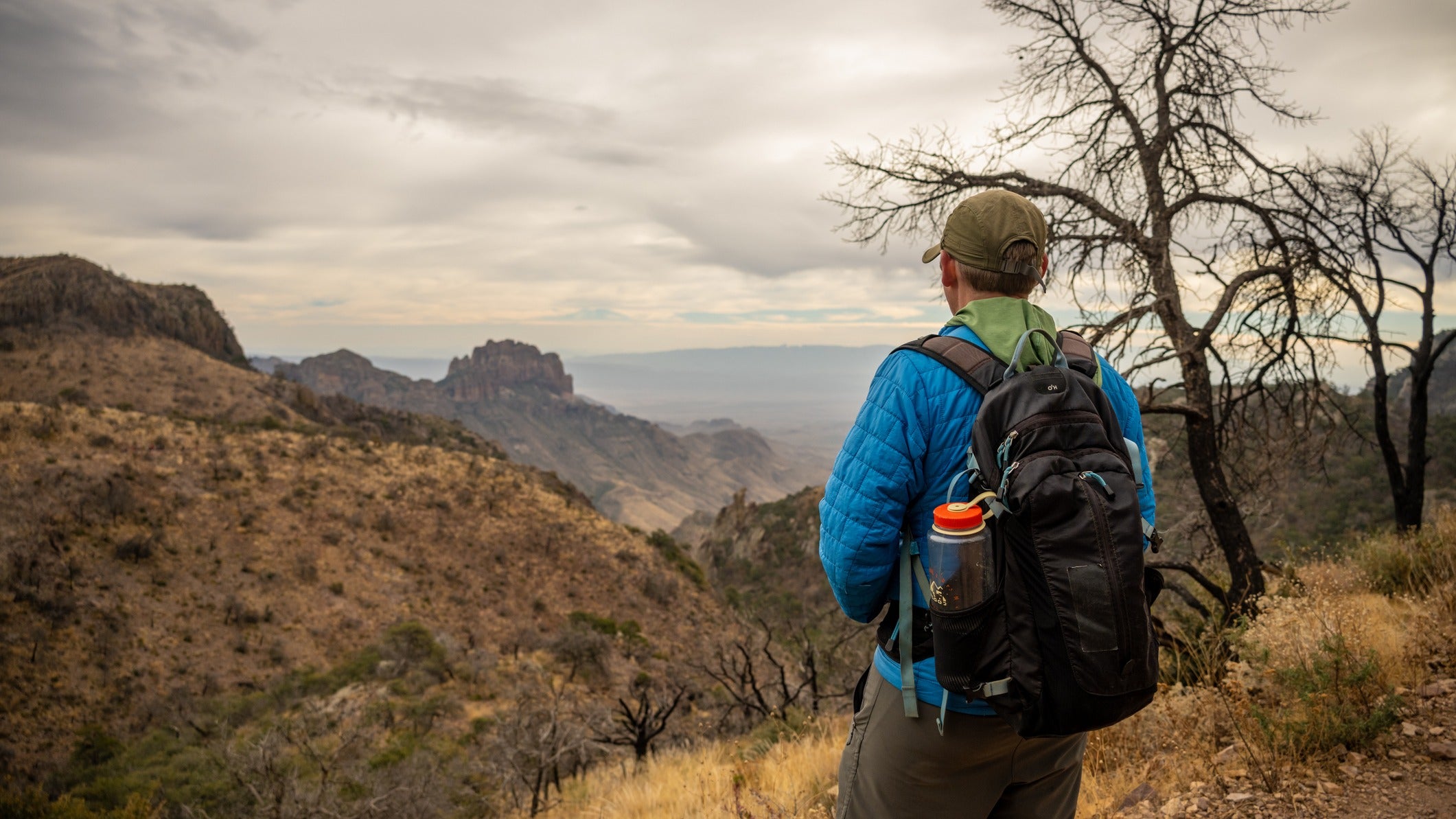
Among the park’s crown jewels is Emory Peak, standing at an elevation of 7,825 feet as the highest point in the Chisos Mountains. The grueling 9.7-mile round-trip trail challenges hikers with steep, rocky switchbacks, dense oak and juniper forests, and a final exposed 30-foot vertical rock scramble that rewards successful climbers with 360-degree panoramic views stretching deep into both American and Mexican territory. Park rangers strongly advise visitors tackling mountain routes to carry at least one liter of water per person per hour, given the complete absence of natural water sources along the trail.
At lower elevations, geographic highlights like Santa Elena Canyon—where the Rio Grande cuts through vertical limestone walls rising 1,500 feet—and the historic river-fed hot springs continue to attract tourists, albeit with logistical hurdles. Recent flood damage has disrupted standard park routes, closing the paved thoroughfare between Cottonwood Campground and Santa Elena Canyon. Consequently, vehicular access is currently restricted to high-clearance four-wheel-drive vehicles via Old Maverick Road, while visits to the natural hot springs necessitate a four-mile round-trip hike along a gravel access road.
Official Responses and Stakeholder Positions
The Supreme Court’s ruling has ignited sharp reactions from political leaders, conservation organizations, and local communities.
Federal security proponents maintain that the physical barriers and advanced technological surveillance infrastructure are vital to curbing unauthorized crossings, mitigating transnational trafficking, and supporting Border Patrol operations in notoriously rugged terrain. From this perspective, national security imperatives outweigh localized environmental concerns.
Conversely, conservation nonprofits, outdoor recreation advocates, and regional political figures have vowed to sustain political and legal opposition. State officials, including recently elected leaders such as Governor-Elect Gina Hinojosa, have expressed deep disappointment over the judicial outcome, highlighting the irreversible toll industrial construction will take on Texas’s natural heritage. Environmental legal defense funds are currently evaluating remaining narrow statutory avenues to challenge specific phases of construction that lack proper permitting or threaten specific endangered species habitats.
Broader Implications for National Park Integrity
The resumption of border wall construction in Big Bend raises critical questions regarding the legal protections afforded to federal public lands under emergency or national security declarations. Historically, the National Park System has operated under a strict mandate to conserve scenery, natural and historic objects, and wildlife for the enjoyment of future generations, unimpaired by industrial encroachment.
Legal scholars note that the broad application of federal waivers to bypass environmental impact assessments in border regions sets a powerful precedent. As engineering teams mobilize heavy machinery within Big Bend National Park, the long-term consequences for the park’s wilderness character, wildlife populations, and cultural legacy will serve as a definitive test of how federal land management agencies navigate the competing demands of border enforcement and environmental stewardship in the decades ahead.