Adventure Links of the Week: Navigating the Pacific, Ethics in Climbing, and Himalayan Expeditions

The modern landscape of adventure is shifting, driven by a blend of ancient navigation techniques, digital-age ethical dilemmas, and the raw, unpredictable nature of remote exploration. As the boundaries of human endurance continue to be tested, the stories emerging from the field—from the South Pacific to the high-altitude peaks of the Himalayas—offer a glimpse into the motivations and challenges defining contemporary adventure.
The Revival of Ancient Wayfinding in the Pacific
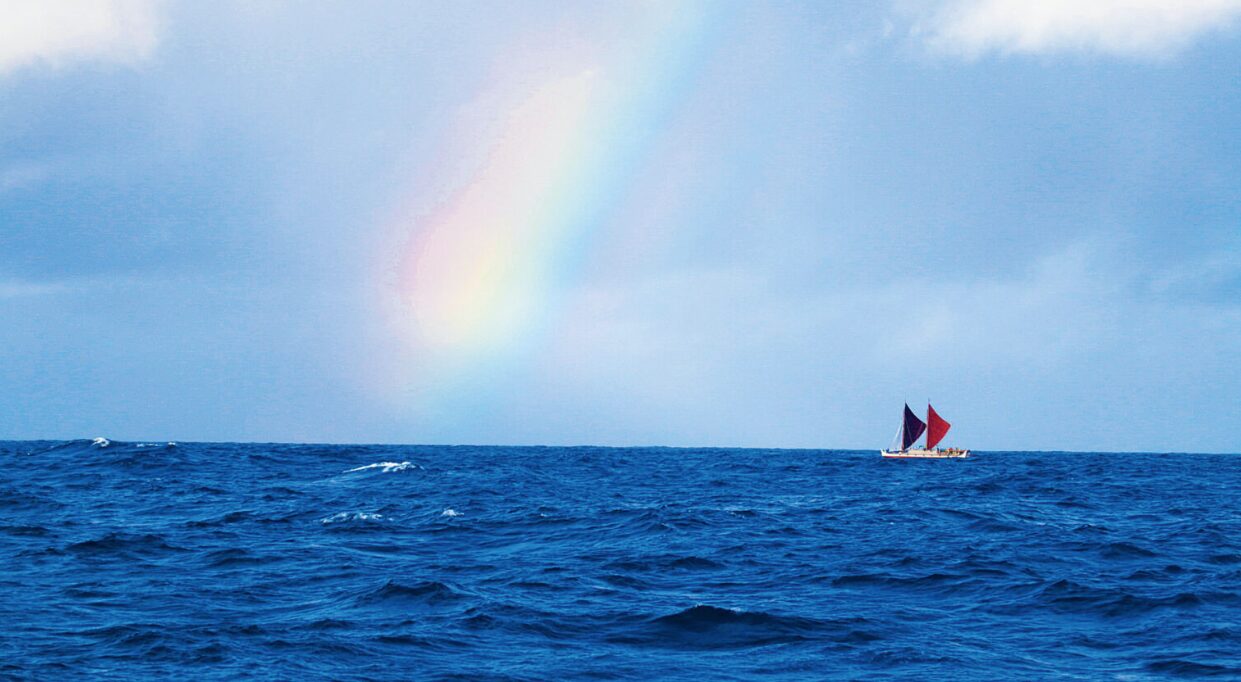
A group of ten Hawaiian sailors has successfully completed a monumental 2,574-kilometer journey from the Cook Islands to New Zealand, navigating entirely without the aid of modern instruments. Utilizing a double-hulled replica of a traditional Polynesian canoe, the crew eschewed GPS, compasses, and mechanical engines in favor of ancestral wayfinding. This practice, deeply rooted in Polynesian history, relies on a sophisticated synthesis of celestial patterns, ocean swell rhythms, wind direction, and the migration habits of seabirds.
The voyage is more than a test of nautical endurance; it is a critical component of a broader initiative to circumnavigate the Pacific. By documenting and applying these traditional skills, the Polynesian Voyaging Society aims to preserve a cultural heritage that was nearly lost to the dominance of Western navigational technology. The success of this voyage underscores the precision of indigenous science and serves as a vital bridge between historical mastery and contemporary maritime education.
The Crisis of Authenticity in Elite Bouldering
The climbing community is currently grappling with a significant erosion of its traditional honor system. For decades, mountaineering and bouldering culture were built on a foundation of self-policing and individual integrity. However, the rise of social media and the pressure to document "first ascents" or record-breaking climbs has led to a requirement for irrefutable evidence, such as raw video footage or independent witness verification.
This tension reached a breaking point earlier this year when Dutch climber Simon Boes claimed the first ascent of Deep Fake, a V16-rated boulder problem in Switzerland. Following the release of his send video, members of the global climbing community identified subtle digital manipulations within the footage. The incident has sparked a necessary, if contentious, debate regarding the integrity of digital documentation. As the stakes for professional sponsorship and prestige rise, the community is moving toward a more rigorous verification standard, suggesting that the "trust-based" model of the past may no longer be sufficient for the hyper-competitive future of the sport.
High-Stakes Research in the Lingti Valley
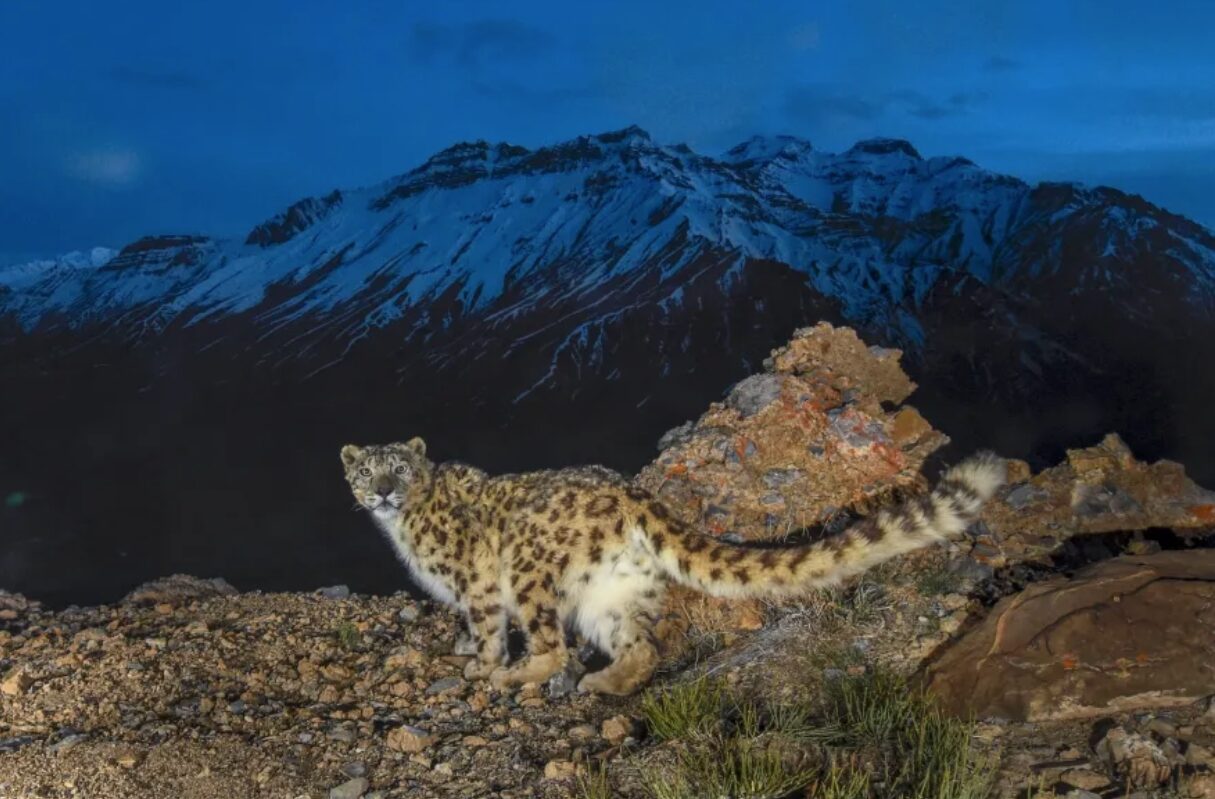
Scientific exploration remains as dangerous as ever, particularly when researchers attempt to reach the most inaccessible ecosystems on Earth. Dr. Kulbhushansingh Suryawanshi, a biologist specializing in the elusive snow leopard, has spent over twenty years attempting to unravel the secrets of the Himalayan apex predator. His recent efforts to establish a study site in India’s Lingti Valley highlight the logistical extremes required for modern field biology.
The expedition faced near-catastrophic conditions. Attempting to cross the 5,670-meter Shilla Pass during the height of winter, the team was met with temperatures plummeting to -30°C and gale-force winds. After being forced to retreat, the researchers pivoted to the frozen, unstable surface of the Lingti River. The successful traversal of the river allowed the team to document the first concrete evidence of snow leopard habitation in the valley, providing invaluable data for conservationists. This research is critical, as snow leopard populations remain highly vulnerable to the encroachment of human activity and changing climate conditions in the high-altitude corridors of Asia.
Resilience and Risk in the Karavshin Valley
In the remote Karavshin Valley of Kyrgyzstan, extreme mountaineering continues to test the limits of human perseverance. Katie Kelble, alongside climbing partners John Ebers and Colin Baker, recently attempted to summit "The American Way," a 950-meter free-climbing route on Slesova Peak. The expedition was characterized by a rapid escalation of adversity.
After struggling through the most difficult initial pitches in freezing conditions, the team faced a mid-expedition crisis when Baker fell ill. Despite the loss of a team member, Kelble and Ebers elected to continue the ascent. Over the course of three days, the duo navigated the technical route while racing against an approaching storm front. Their success serves as a case study in crisis management within the alpine environment, highlighting the necessity of adaptability when traditional plans are rendered obsolete by medical or meteorological emergencies.
Archival Perspectives: The Legacy of Skiing Imagery
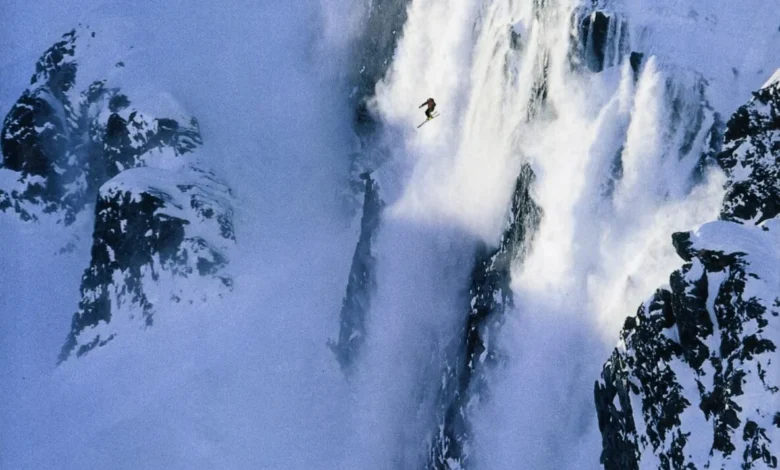
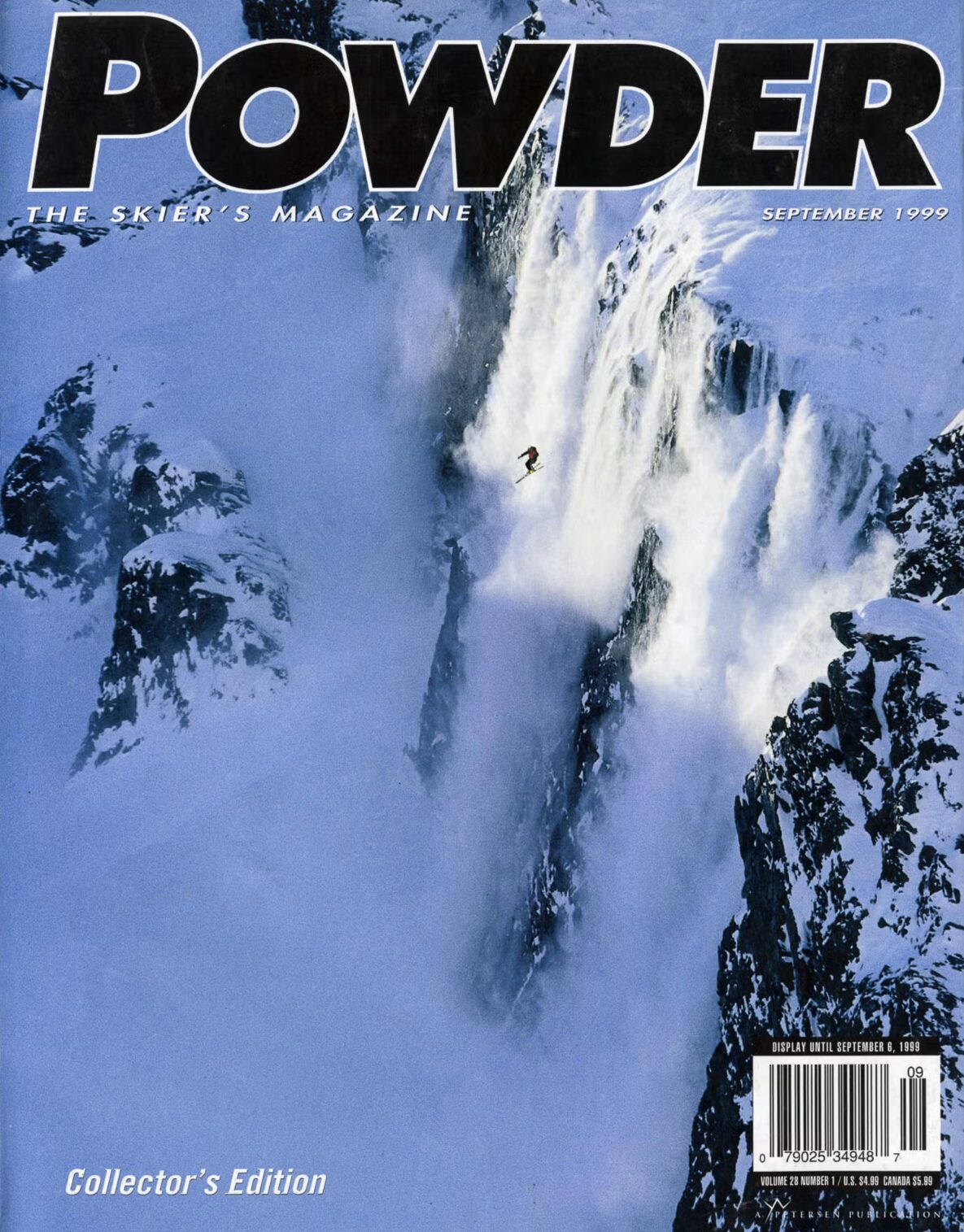
The evolution of outdoor photography remains a subject of academic and enthusiast interest. A recent retrospective on the 1999 POWDER magazine cover—featuring skier Jeff Holden’s 150-foot jump in the Chugach Mountains of Alaska—serves as a reminder of the sport’s golden era. Holden’s jump, which occurred during a filming session at the Points North heliski operation, set a new benchmark for technical audacity.
The story behind the image—which involved meditative preparation and the coordinated efforts of multiple film crews—illustrates the transition of skiing from a niche recreation to a highly produced, spectacle-driven industry. The photograph remains an iconic representation of the 1990s "extreme" sports boom, capturing a moment where human physical limitation was secondary to the pursuit of the impossible.
Sustainability and the Longevity of Gear
In a world increasingly defined by rapid consumption, the life cycle of outdoor equipment offers a different perspective on environmental impact. Neil Schulman’s recent discovery of a decades-old, marked-up SealLine bag at a local paddling shop provides a poignant reflection on the relationship between adventurers and their tools. The bag, which belonged to the late Jim and Jan Bollerman, serves as a physical link to a previous generation of explorers.
This narrative has resonated within the community, highlighting a shift toward the "repair, reuse, and respect" ethos. As outdoor gear becomes increasingly specialized and costly, the value of durable, long-lasting equipment—and the stories attached to it—is gaining renewed appreciation among modern practitioners who are becoming more conscious of the environmental cost of constant equipment turnover.
Lessons from the Bikepacking Frontier
The rise of long-distance bikepacking has attracted a new demographic of adventurers who prioritize personal growth over specialized, expensive equipment. Rylie Denis and Tristan La Haye, who recently completed an extensive journey from Banff to Argentina, provide a practical framework for novice adventurers.
Their experience, which involved integrating surf culture with long-distance cycling, revealed that the most significant barrier to success is often the obsession with "perfect" gear. Instead, they emphasize that flexibility and the ability to manage physical and mental fatigue are the primary determinants of long-distance success. Their journey serves as an important reminder that for many, the value of the expedition lies in the adaptability developed on the road, rather than the initial preparation.
The Matterhorn Tragedy: A Continuing Search for Answers
The disappearance of Canadian trail runner Kalie McCrystal on the Matterhorn has cast a somber light on the inherent dangers of skyrunning and high-altitude endurance events. McCrystal, an experienced athlete, was preparing for a Fastest Known Time (FKT) attempt on the mountain’s Italian side.
Chronology of the Event:
- September 1: McCrystal begins her ascent of the Lion’s Ridge. She is observed by guides making steady, efficient progress toward the summit.
- September 1, 15:45: McCrystal is last sighted by Polish climbers near the summit region as she begins her descent.
- September 2–8: Italian mountain rescue teams conduct an extensive search operation across the Matterhorn and adjacent alpine zones.
- September 8: Authorities officially suspend the search after a week of intensive effort failed to locate the athlete.
The incident underscores the extreme risks associated with solo skyrunning, even for athletes operating at a professional level. The complexity of the Matterhorn’s terrain, coupled with the unpredictable weather patterns of the Alps, creates an environment where even minor errors can lead to catastrophic outcomes. The case remains under review by Italian authorities, serving as a sobering reminder of the hazards inherent in the pursuit of high-speed mountain records.
As these diverse stories demonstrate, the adventure community is currently in a state of flux. Whether it is through the revival of ancient navigation, the struggle to maintain ethical standards in climbing, or the somber reality of mountain search and rescue, the common thread remains the pursuit of human potential against the backdrop of an increasingly documented and connected world.