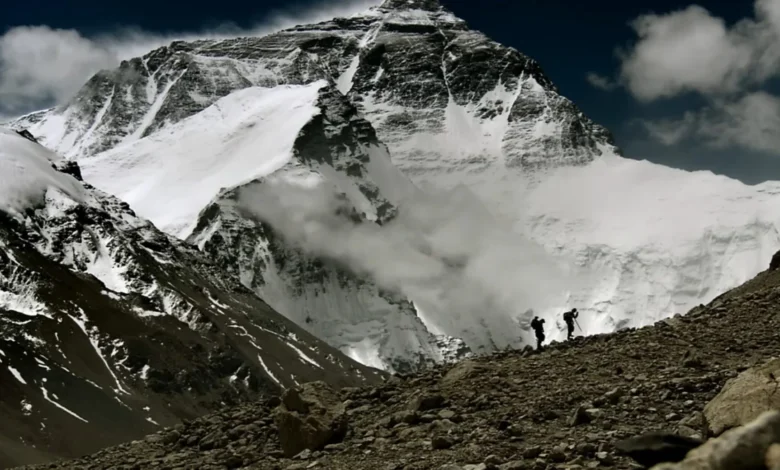
The 2010 documentary The Wildest Dream serves as a cinematic bridge between two distinct eras of high-altitude mountaineering, weaving together the tragic 1924 disappearance of George Mallory and Andrew “Sandy” Irvine with the modern investigative efforts of alpinist Conrad Anker. By juxtaposing the historical record of the early British expeditions with a contemporary attempt to replicate their ascent using period-appropriate equipment, the film provides a comprehensive examination of one of exploration’s most enduring enigmas: Did the pair reach the summit of Mount Everest 29 years before Sir Edmund Hillary and Tenzing Norgay?
The 1924 Expedition: A Race Against Time and Altitude
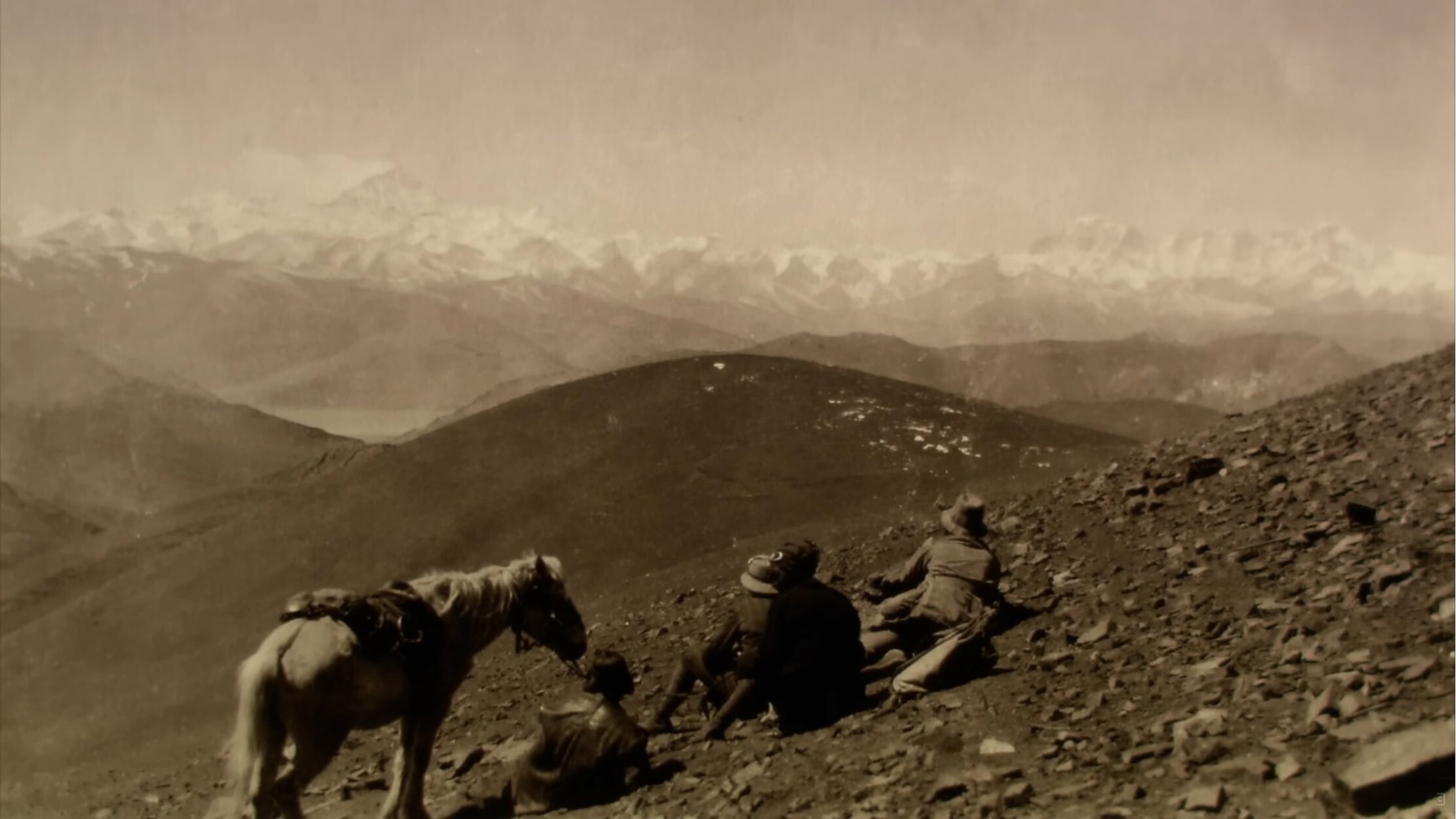
The mystery began on June 8, 1924, when George Mallory, an experienced climber, and his younger, less-experienced partner, Sandy Irvine, vanished into the clouds on the Northeast Ridge of Mount Everest. The British expedition, led by Colonel Edward Norton, was the third attempt by the British to conquer the world’s highest peak. Mallory was a veteran of the 1921 reconnaissance and the 1922 expedition, which had set a world altitude record of 8,326 meters without the use of supplemental oxygen.
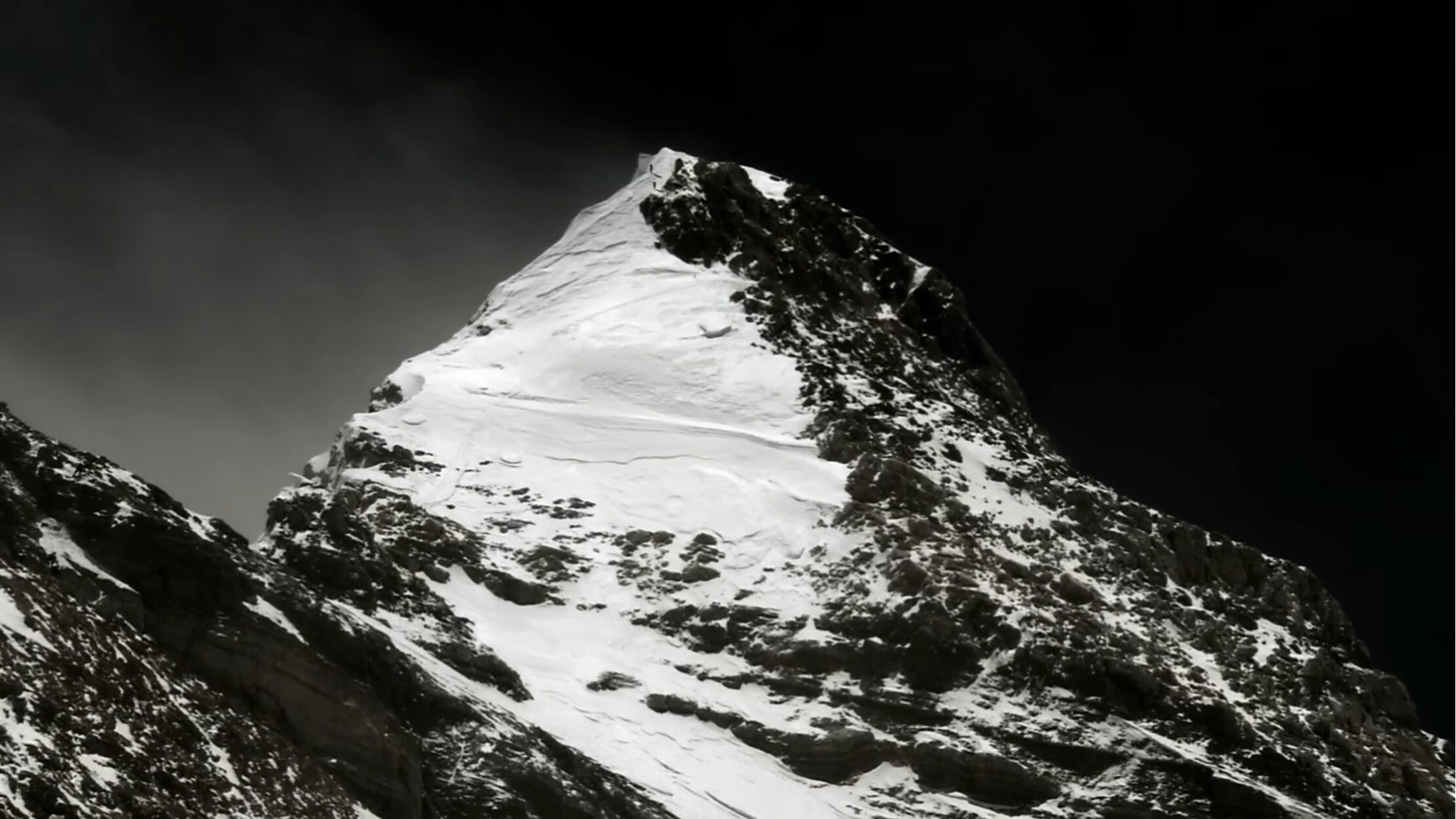
By 1924, the logistical constraints were immense. The team relied on heavy, inefficient early-model oxygen sets and lacked the technical support that modern mountaineers take for granted. On the morning of June 8, Noel Odell, the expedition’s geologist, spotted the two men through a brief clearing in the mist near the base of the "Second Step"—a formidable rock formation that remains a significant technical challenge even for modern climbers equipped with fixed ladders. Odell reported seeing them moving with great determination toward the summit, after which they were never seen alive again.
The Discovery and the Lingering Questions
For 75 years, the fate of Mallory and Irvine remained a matter of historical speculation. That changed in 1999 when the Mallory and Irvine Research Expedition, led by Eric Simonson and featuring Conrad Anker, uncovered Mallory’s remains at an elevation of approximately 8,155 meters.
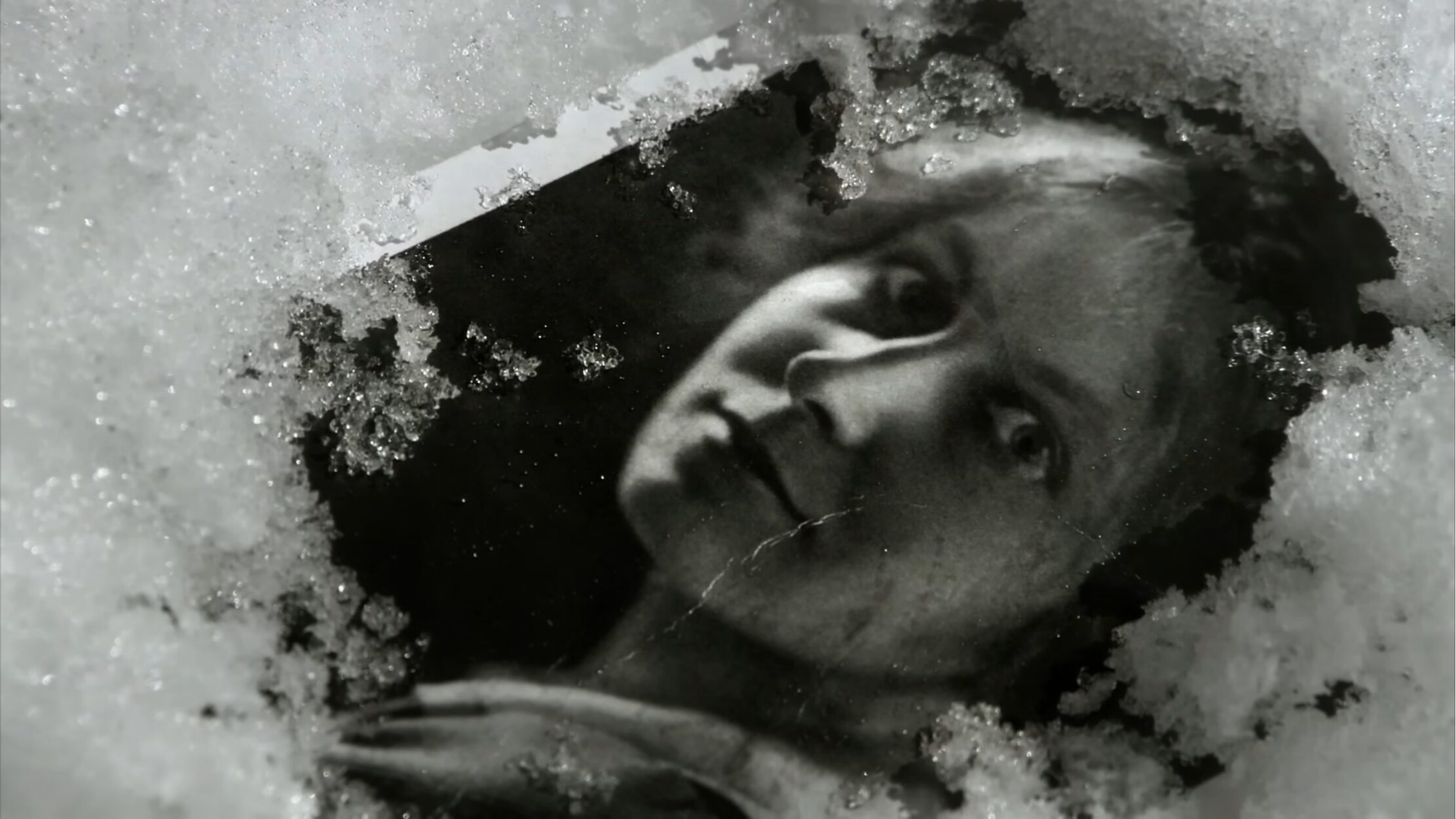
The physical evidence found on the body, which was remarkably preserved by the frigid conditions, added layers of complexity to the mystery. Mallory was found with a severe fracture to his leg, suggesting a fall, and his rope was snapped, indicating a sudden, violent tension. Most poignantly, the photograph of his wife, Ruth, which he had explicitly stated he intended to leave at the summit, was missing from his person. This led some researchers to hypothesize that the pair might have reached the top, as the absence of the photo suggests he had fulfilled his sentimental obligation. However, skeptics argue that the photograph may have simply been lost or removed during the final stages of the climb.
Chronology of the Mystery
- 1921: The first British reconnaissance expedition maps the northern approaches to Everest. George Mallory is a key participant.
- 1922: Mallory participates in a second expedition; seven Sherpas are killed in an avalanche, marking a somber chapter in early Himalayan climbing.
- June 8, 1924: Mallory and Irvine are last sighted by Noel Odell near the Second Step at 12:50 PM.
- 1953: Edmund Hillary and Tenzing Norgay make the first confirmed successful ascent of Mount Everest.
- 1999: Conrad Anker discovers Mallory’s body on the North Face, sparking renewed global interest in the 1924 climb.
- 2010: The documentary The Wildest Dream is released, chronicling Anker’s attempt to re-climb the Second Step using 1920s-style gear.
Technical Analysis: The Second Step
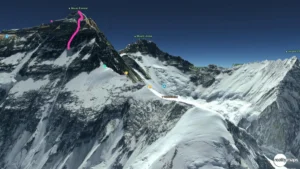
The crux of the debate centers on the Second Step, a vertical, 30-meter-high cliff face near the summit. In 1960, a Chinese climbing team claimed to have successfully climbed the face, and in 1975, they installed a metal ladder that has since facilitated passage for thousands of climbers. Without the aid of a ladder, the Second Step is rated at a V-degree difficulty, a significant challenge for even the most elite rock climbers at sea level, let alone at 8,600 meters in heavy, nailed leather boots.
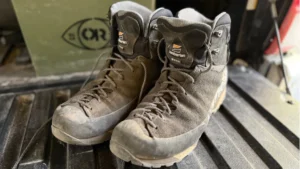
In The Wildest Dream, Conrad Anker and his climbing partner, Leo Houlding, conduct an experimental ascent to determine if it was physically possible for two men with 1924 technology to overcome this obstacle. By stripping away modern amenities—such as synthetic fabrics, lightweight carabiners, and the fixed ladder—the team sought to recreate the tactile reality of Mallory’s final hours. The results of this experiment suggested that while a free climb of the Second Step was technically possible for someone of Mallory’s skill, the margin for error was virtually nonexistent.
The Human Cost: A Legacy of Risk
The documentary is notable for its inclusion of the emotional toll such expeditions exact on the climbers’ families. The narrative draws a direct parallel between Ruth Mallory’s anxiety in the 1920s and the concerns of Jennifer Lowe-Anker, whose previous husband, legendary climber Alex Lowe, perished in an avalanche on Shishapangma in 1999.
These interviews highlight that mountaineering at this level is rarely a solitary pursuit of glory; it is a shared burden involving spouses, children, and communities. The film argues that the "wildest dream"—the desire to reach the roof of the world—is a drive so profound that it frequently overrides the instinct for self-preservation, a sentiment that has remained constant across the century.
Broader Implications and Historical Context
The investigation into the 1924 expedition serves as a case study in the limitations of historical documentation. Unlike modern expeditions, which are tracked via GPS, satellite imagery, and high-definition footage, the 1924 team left behind only journals, sparse photographic evidence, and the physical remains found decades later.
From an archaeological perspective, the ongoing interest in the Mallory and Irvine disappearance reflects the human need for closure regarding historical heroes. The question of whether they summited is not merely about records or mountaineering accolades; it is about the narrative of human potential. If Mallory and Irvine had reached the summit, they would have done so with a level of grit and technical improvisation that arguably surpasses the achievements of the mid-century era.
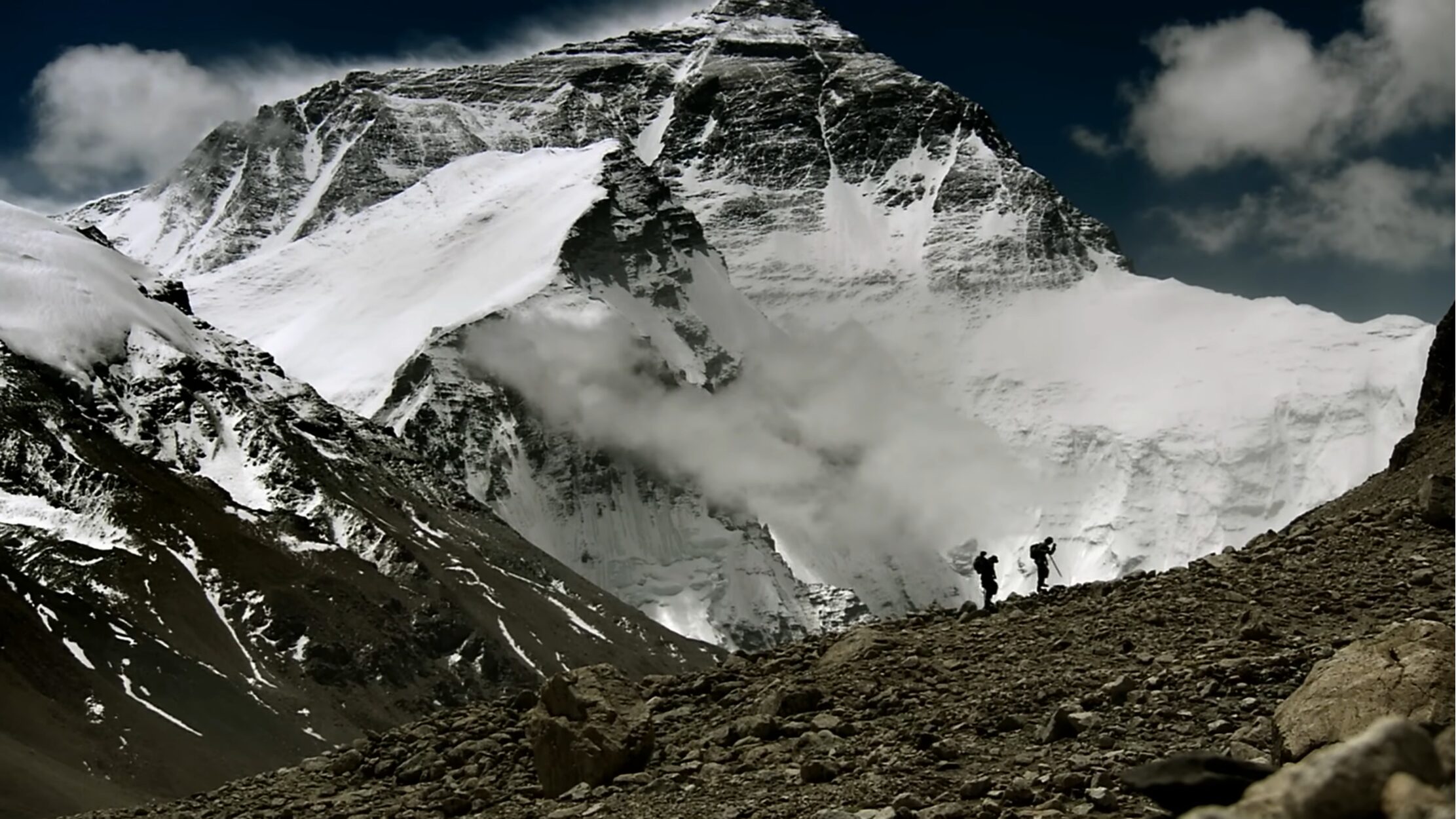
However, the lack of definitive proof—such as a summit photograph or an object left at the top—ensures that the debate will likely continue indefinitely. Every new expedition that scans the North Face adds small pieces to the puzzle, but the mountain remains an effective guardian of its secrets.
Conclusion: The Unfinished Story
The legacy of George Mallory and Sandy Irvine is defined not by their death, but by the audacity of their ambition. The Wildest Dream successfully captures the essence of this spirit, illustrating that the fascination with Everest is rooted in the intersection of extreme human endeavor and the indifferent majesty of the natural world.
Whether or not they stood upon the summit, the pair redefined the boundaries of what was considered possible in 1924. Their story remains a cornerstone of mountaineering literature, serving as a reminder that the most significant journeys are often those that leave the most questions behind. As climbing technology continues to evolve, the ghost of the 1924 expedition will undoubtedly persist as the ultimate benchmark of courage against impossible odds.