The Ultimate Backpacking Europe Packing List: Essential Gear, Weight Limits, and Expert Strategies for Light Travel

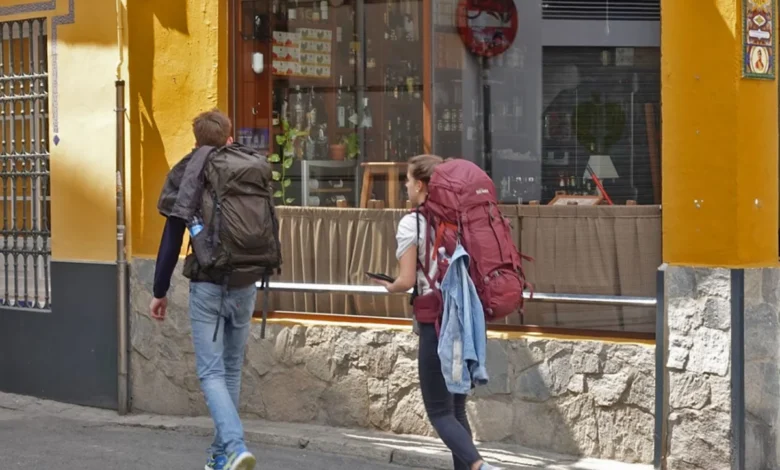
The art of packing for an extended journey across the European continent has long been a daunting hurdle for novices and seasoned travelers alike. Industry data compiled by European transit authorities and budget carrier associations indicates that overpacking remains the single most common logistical error made by international visitors. Lugging excessive weight not only compromises personal mobility when navigating historic cobblestone streets, multi-level train stations, and hostel stairwells, but it also increases the physical vulnerability of travelers to petty theft and pickpocketing. Furthermore, with budget airlines enforcing strict carry-on weight restrictions—frequently capped at 22 pounds (10 kilograms)—mastering the mechanics of ultralight packing has transitioned from a mere preference to an operational necessity for modern transit across European borders.
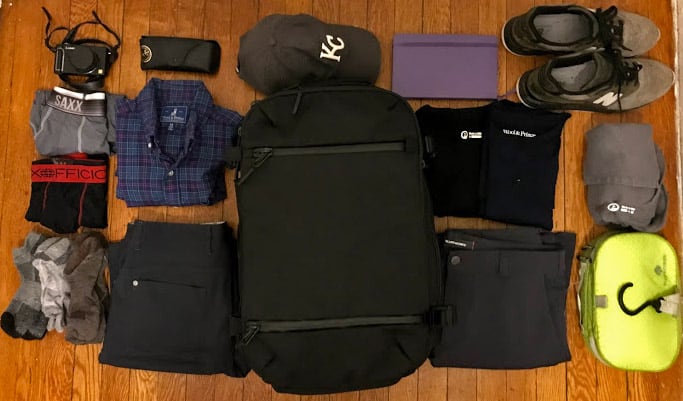
To address these logistical challenges, travel experts and veteran backpackers have synthesized decades of cross-border transit data to establish standardized protocols for minimalist travel. The core philosophy of contemporary European backpacking centers on strategic weight reduction, versatile layering, and leveraging local European infrastructure rather than hauling superfluous goods from home.

Establishing Weight Limits and Golden Rules for Transit
The foundational rule for any modern backpacking excursion across Europe is strict adherence to a 20-to-22-pound total weight threshold, encompassing the weight of the backpack itself. Exceeding this 10-kilogram threshold frequently triggers mandatory gate-check fees on low-cost carriers such as Ryanair, EasyJet, and Wizz Air, which have tightened enforcement of baggage allowances in recent fiscal quarters. Beyond financial penalties, biomechanical studies on backpacking posture demonstrate that loads exceeding 22 pounds accelerate spinal fatigue and lower-limb soreness during extended urban walking tours, which often average 10 to 15 miles per day.

To achieve this weight target, travelers must systematically audit three major categories: clothing, toiletries, and footwear.
Streamlining the Wardrobe
Clothing constitutes the vast majority of dead weight in any travel pack. A foundational realization for budget travelers is that the clothing requirements for a two-week trip are virtually identical to those for a two-month expedition. Because European laundromats, neighborhood wash-and-fold services, and hostel laundry facilities are universally accessible, travelers are advised to pack for a rolling seven-day cycle.
Merino wool and advanced synthetic blends have revolutionized travel wardrobes. Merino wool naturally possesses thermo-regulating and antimicrobial properties, allowing garments like socks and base-layer shirts to be worn multiple times before retaining body odor. Consequently, an optimized wardrobe typically consists of:

- Travel Socks: 5 to 8 pairs of lightweight merino wool or wool-synthetic blends to prevent blistering and moisture buildup.
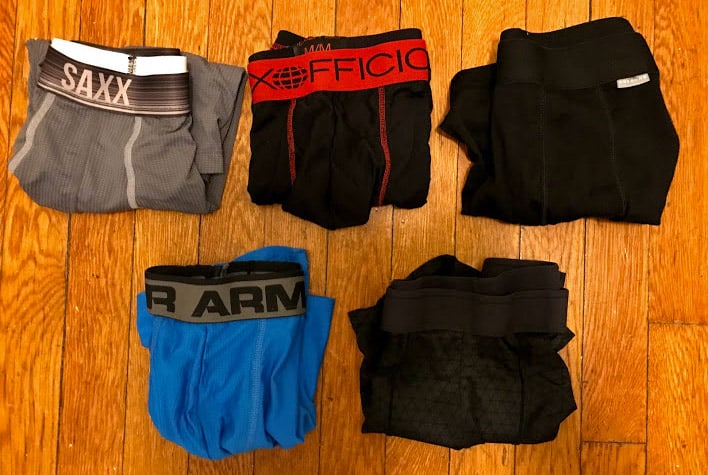
- Underwear: 5 to 9 pairs of quick-drying, breathable synthetic or merino undergarments.
- Shirts and Tops: A combination of 2 to 4 casual button-up shirts (versatile for rolling sleeves or layering), 3 to 4 solid-color t-shirts, and 1 to 2 lightweight sweaters or sweatshirts for cooler evening temperatures.
- Pants: Exactly 2 pairs of bottoms—typically a durable, dark-wash pair of denim jeans that can be worn for extended periods without washing, complemented by a pair of lightweight, neutral-colored cotton chinos for formal dining or warmer days.
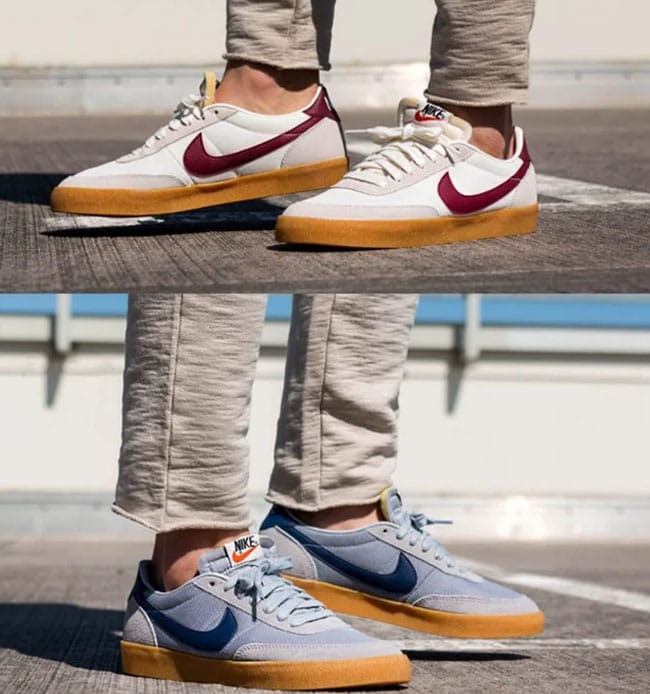
- Footwear: Restricted to a maximum of 2 pairs. Travel analysts recommend one pair of highly supportive, broken-in walking sneakers (such as leather or athletic hybrid sneakers from New Balance or Nike) for daily transit, supplemented by a pair of basic rubber flip-flops or sandals strictly designated for communal hostel showers. Heavy hiking boots and dedicated dress shoes are strongly discouraged due to their volumetric weight and limited utility.
Minimizing Toiletries and Liquid Management
Liquid toiletries—including full-sized bottles of shampoo, conditioner, body wash, and lotions—add unnecessary dead weight and complicate airport security screenings under EU aviation liquid restrictions (the standard 100ml limit per container rule). Travel industry analysts consistently advise travelers to pack only absolute essentials in travel-sized containers or, more practically, to purchase standard personal care items upon arrival at local European pharmacies and supermarkets (such as DM, Rossmann, or Boots), which stock identical global brands at comparable price points.

Essential Travel Accessories and Technological Infrastructure
Navigating Europe efficiently requires a curated selection of hardware, accessories, and digital tools designed to optimize mobility, security, and connectivity.

Luggage and Compartmentalization
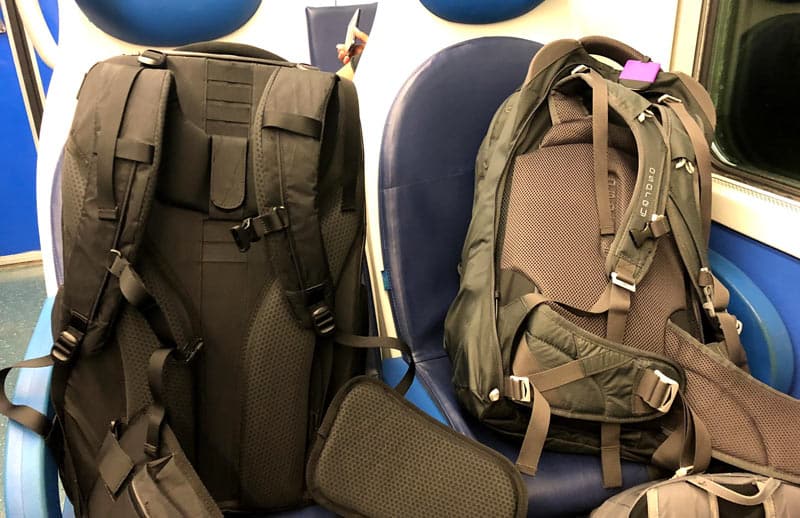
The primary vessel for a European backpacking trip should be a carry-on-compliant travel backpack designed with clamshell opening mechanisms, such as models from Osprey or Tortuga. Unlike top-loading wilderness backpacks, clamshell packs allow full visibility and access to contents without requiring complete unpacking.
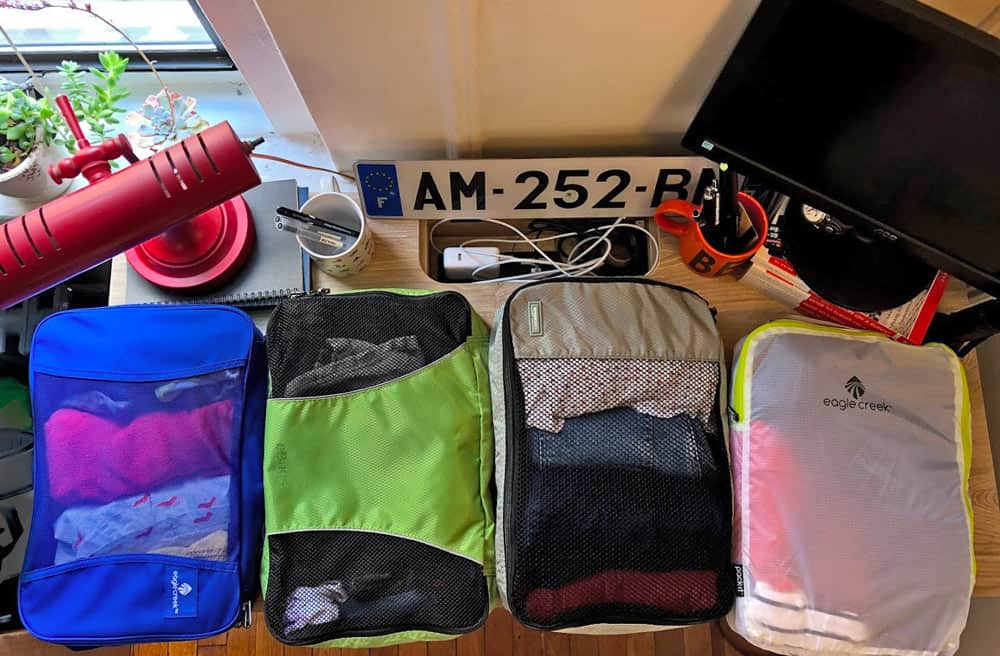
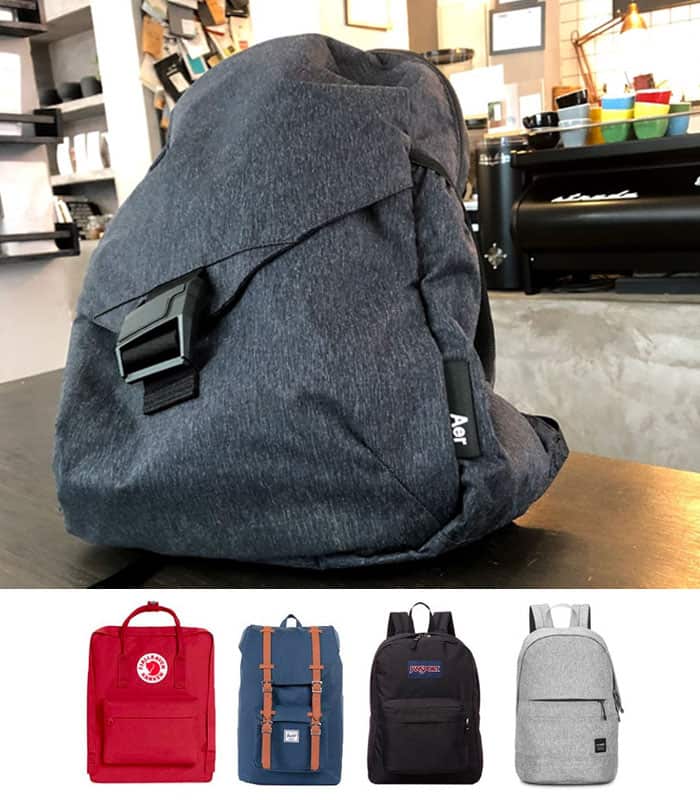
Internal organization is best managed through packing cubes. These lightweight nylon compartments segregate clothing categories—such as socks, underwear, and shirts—preventing shifting during transit, minimizing wrinkles, and compressing fabrics to maximize internal volume. A secondary, collapsible daypack is also indispensable for daily sightseeing excursions, folding flat into the main luggage during travel days.
Mobile Connectivity and eSIM Technology
Telecommunication expenditures have dropped significantly with the widespread adoption of embedded subscriber identity module (eSIM) technology. Historically, travelers relied on exorbitant international roaming packages billed by domestic carriers at rates between $10 and $15 per day. Modern European digital infrastructure allows visitors to install regional eSIM data plans via providers such as SimOptions or Holafly prior to departure. These data-only plans typically cost approximately $3 per day, providing high-speed 4G/5G mobile connectivity immediately upon arrival at European airports for navigation, translation, and transit booking.
Security, Documentation, and Miscellaneous Gear
European tourist hubs—particularly major metropolitan areas like Paris, Rome, Barcelona, and Prague—experience high volumes of urban pickpocketing. Security analysts recommend a multi-layered approach to asset protection:
- Padlocks and Cable Locks: Essential for securing zippers on main packs and locking belongings into security lockers provided in European hostel dormitories.
- Document Redundancy: Physical and encrypted cloud-based backups of passports, rail passes, and travel insurance policies mitigate the catastrophic impact of lost or stolen identification.
- Travel Insurance: Comprehensive medical and transit coverage, provided by specialized insurers like World Nomads, ensures financial protection against unexpected medical emergencies, flight cancellations, and medical evacuations abroad.
- Power and Electronics: Because European electrical grids operate on 230V standards with different plug configurations (predominantly Type C, E, and F, alongside Type G in the United Kingdom), travelers must pack appropriate prong adapters and a compact travel power strip. Modern high-end electronics (smartphones, tablets, and laptops) feature dual-voltage internal converters and require only physical shape adapters, though a portable USB power bank (such as an Anker PowerCore) remains vital for sustaining device batteries during long sightseeing days.
Economic and Logistical Implications of Ultralight Travel
The broader economic and operational implications of adopting an ultralight travel strategy extend well beyond individual physical comfort. By bypassing checked baggage counters, travelers eliminate the risk of lost luggage incidents—a recurring systemic challenge for commercial aviation hubs across Europe and North America during peak summer travel seasons. Furthermore, maintaining complete mobility via carry-on-only transit enables seamless navigation of high-speed rail networks (such as Eurostar, TGV, and Frecciarossa), regional commuter trains, and inner-city metro systems without the encumbrance of heavy baggage carts or oversized suitcases.

Ultimately, adherence to a streamlined packing list empowers travelers to navigate the cultural and geographical landscape of Europe with agility, self-reliance, and financial efficiency, aligning modern travel practices with the logistical realities of contemporary European transit infrastructure.
Related posts: