mersive Travel Are Replacing Traditional Tourism
Traditional tourism has long been characterized by a standard blueprint: arriving at a destination, capturing photographs of iconic landmarks, dining at heavily reviewed establishments, and interacting primarily with service staff or fellow travelers. For decades, this extractive and passive model has defined the global travel industry. Even long-term travelers—often distinguishing themselves from conventional tourists by traveling at a slower pace or on a stricter budget—frequently replicate these same behavioral patterns.
However, a growing shift within the global mobility sector indicates that modern travelers are increasingly seeking alternatives to passive sightseeing. Rather than viewing foreign countries merely as temporary backdrops for leisure, a significant demographic of travelers is pursuing long-term integration, community contribution, and immersive employment opportunities abroad. This evolution is reshaping how individuals interact with local economies, shifting the paradigm from transient vacationing to sustainable, purposeful living overseas.
The Limitations of Traditional Tourism and the Quest for Depth
The fundamental nature of short-term travel often restricts meaningful cross-cultural engagement. Sociological studies on tourism consistently demonstrate that transient visitors rarely build authentic, lasting relationships with host populations. Locals in major tourist hubs frequently view passing visitors through a transactional lens, making genuine integration difficult to achieve within a standard vacation timeframe.
Travel experts and industry analysts note that the most transformative international experiences typically require prolonged residency and active contribution. Living in a destination long enough to establish a routine, secure local employment, and participate in community initiatives fosters a deeper understanding of regional socioeconomic realities. This realization has fueled a surging demand for structured programs that bridge the gap between permanent migration and short-term tourism.
The Rise of Structured International Placement Programs
Historically, individuals seeking to work, volunteer, or intern abroad independently faced formidable administrative and logistical hurdles. Securing valid work visas, competing against domestic applicants for entry-level employment, navigating foreign housing markets, and vetting ethical volunteer organizations often required months of complex planning.
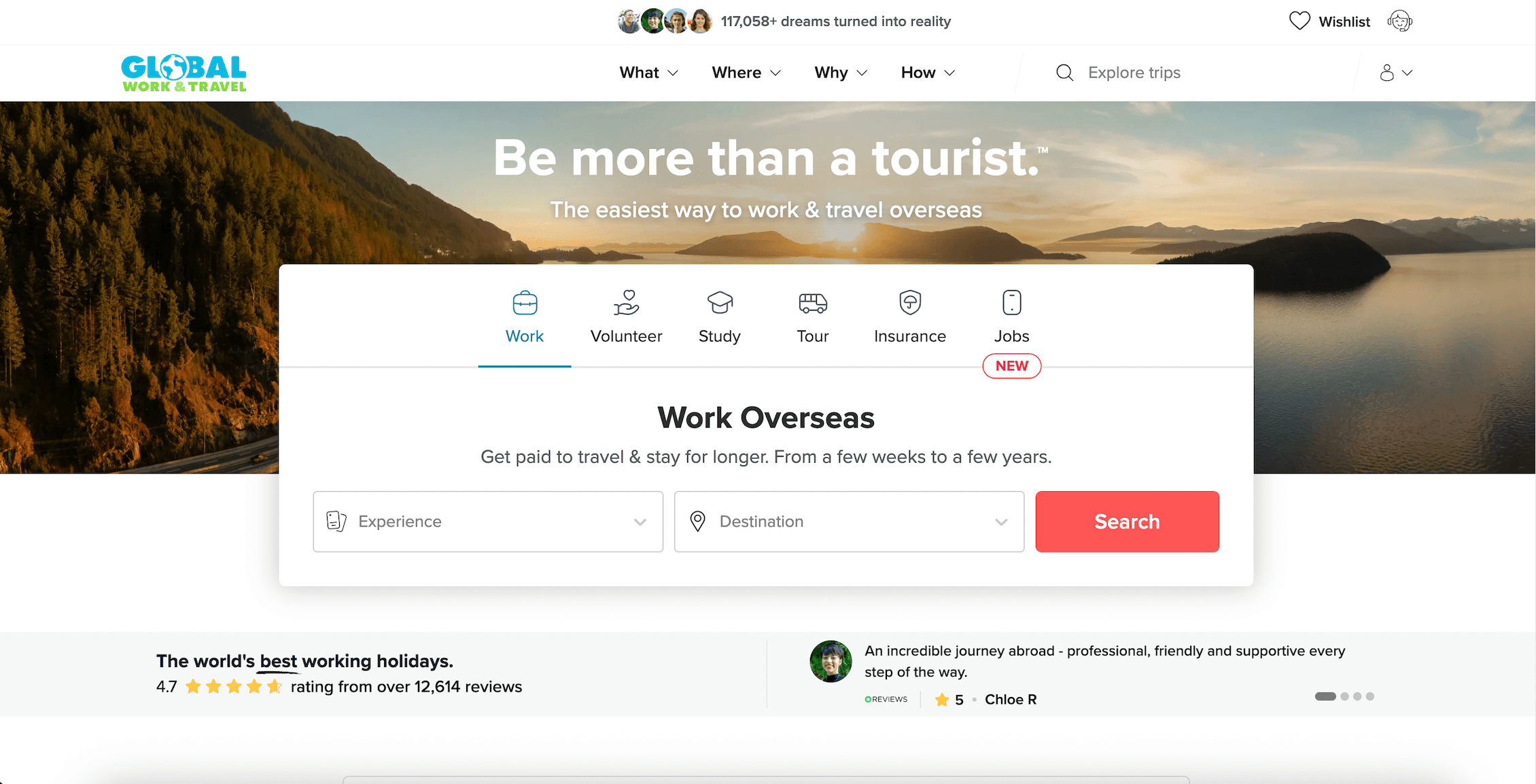
To mitigate these challenges, structured international placement organizations have expanded significantly. Among the largest entities in this sector is Global Work & Trade, a global gap year and working holiday provider. Operating for nearly two decades, the organization has facilitated international placements for more than 116,000 participants across Europe, the Americas, Asia, Africa, and the Pacific.
These organizations function as institutional safety nets for travelers, providing comprehensive logistical support that includes pre-departure counseling, visa navigation, job matching, and ongoing digital management via dedicated trip-tracking applications. By streamlining the bureaucratic processes associated with moving abroad, such programs have made international employment and volunteering accessible to a broader demographic, particularly first-time travelers and recent graduates.
Working Holiday Makers as the New Paradigm of Long-Term Mobility
For the past ten years, the "digital nomad" lifestyle has dominated discussions surrounding long-term international mobility. Characterized by remote work, income generation in strong currencies, and relocation to lower-cost-of-living regions, this model gained immense popularity following the expansion of remote work technologies.
Nevertheless, industry analysts observe that the digital nomad model remains inaccessible to a substantial segment of the population. It generally requires an established remote career, a steady income threshold, and professional flexibility—qualities that younger travelers, students, and early-career professionals often lack.
In contrast, working holiday programs offer a more egalitarian and integrated alternative. Instead of importing remote employment, working holiday makers enter the local labor market upon arrival. This approach embeds participants directly into regional economies, fostering professional networks with local colleagues rather than isolating them within remote co-working spaces or transient tourist enclaves.
By maintaining a daily schedule, earning local wages, and committing to extended stays—often ranging from several months to a full year—working holiday participants achieve a level of cultural immersion that mirrors permanent residency. This model addresses the growing preference among modern travelers for sustainable, grounded experiences over rapid, superficial transit.
Ethical Volunteering and Community-Led Conservation
Volunteering abroad has historically faced scrutiny from sociologists and economists regarding its efficacy and potential for unintended negative consequences. Critics have frequently pointed to poorly regulated, profit-driven programs that prioritize the emotional gratification of the volunteer over the genuine developmental needs of the host community—a phenomenon commonly referred to as "voluntourism."
In response to these criticisms, the international volunteer sector has experienced a strong push toward strict vetting, transparency, and community-led initiatives. Modern ethical frameworks emphasize that effective volunteer programs must align directly with the priorities defined by local populations rather than external assumptions.
Contemporary placement organizations now frequently collaborate with established regional projects focusing on critical areas such as wildlife conservation, community development, formal and informal education, and healthcare support. For example, structured community initiatives in regions like Zanzibar focus on locally prioritized infrastructure and educational needs, while programs in South Africa and Thailand concentrate on wildlife rehabilitation and conservation management.
Furthermore, the establishment of dedicated philanthropic funds—such as animal welfare and community development trusts—allows organizations to channel additional financial resources directly into partner sites, ensuring long-term institutional impact that extends far beyond the tenure of individual volunteers.
Economic and Professional Implications of Extended International Stays
Beyond personal enrichment and cultural exchange, participating in structured working holidays and international internships offers quantifiable professional advantages. In an increasingly globalized job market, international work experience is viewed favorably by employers across diverse industries.
Participants gain transferable skills, cross-cultural communication competencies, and adaptability—traits that enhance employability upon returning to their home countries. Additionally, because working holiday participants earn local wages during their stay, the financial burden of extended travel is significantly mitigated. Income generated abroad offsets living expenses, allowing individuals to sustain long-term travel without depleting personal savings accounts.
Industry Outlook and Future Trends in Global Mobility
The transition from passive tourism to active, immersive international living reflects a broader evolution in consumer values. Travelers are placing a higher premium on authenticity, sustainability, and personal growth. As bureaucratic frameworks for working holiday visas continue to expand through bilateral agreements between nations, the accessibility of these programs is expected to grow.
Organizations facilitating these transitions report sustained year-over-year interest, particularly among demographics seeking alternatives to traditional career paths or immediate post-university transitions. By removing the primary logistical barriers to international relocation, structured placement providers are democratizing access to global mobility, transforming what was once considered an exclusive lifestyle into a mainstream, achievable milestone for modern travelers.