From Digital Nomad to Polar Expedition Leader: The Evolution of Adventure Travel in the High North

The landscape of modern travel content creation is undergoing a quiet but profound transformation, best exemplified by the career pivot of prominent expedition guides and travel writers moving away from traditional influencer models toward hands-on polar tourism. As global interest in the world’s most remote environments surges, industry professionals are increasingly embedding themselves within specialized operations like Adventure Canada to meet rising consumer demand while fostering deeper environmental stewardship. This shift highlights a broader trend within the travel industry: a departure from superficial digital metrics in favor of experiential, purpose-driven expedition travel, particularly in fragile ecosystems such as the Arctic and Antarctica.
The Logistics and Appeal of Modern Polar Travel
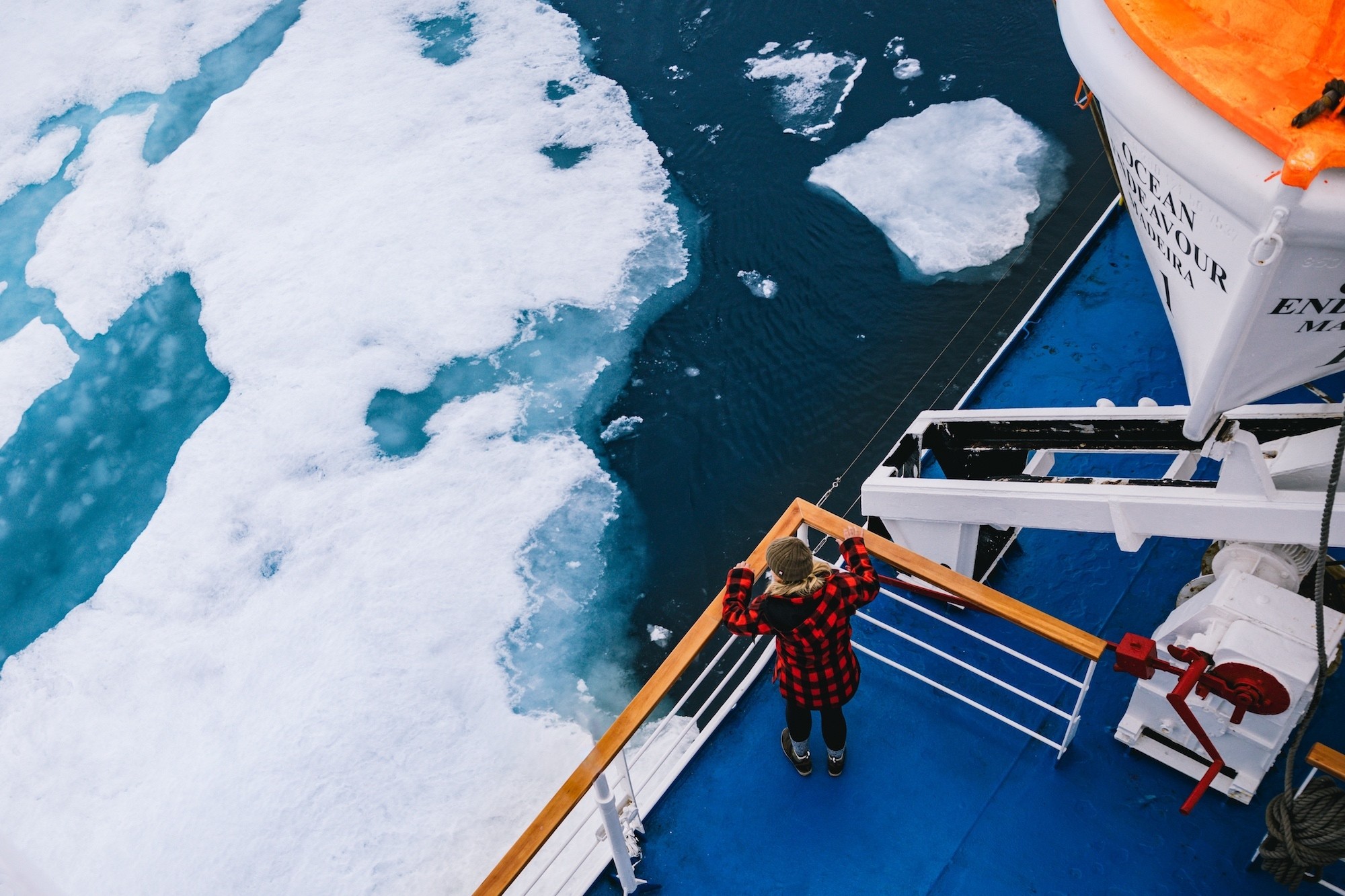
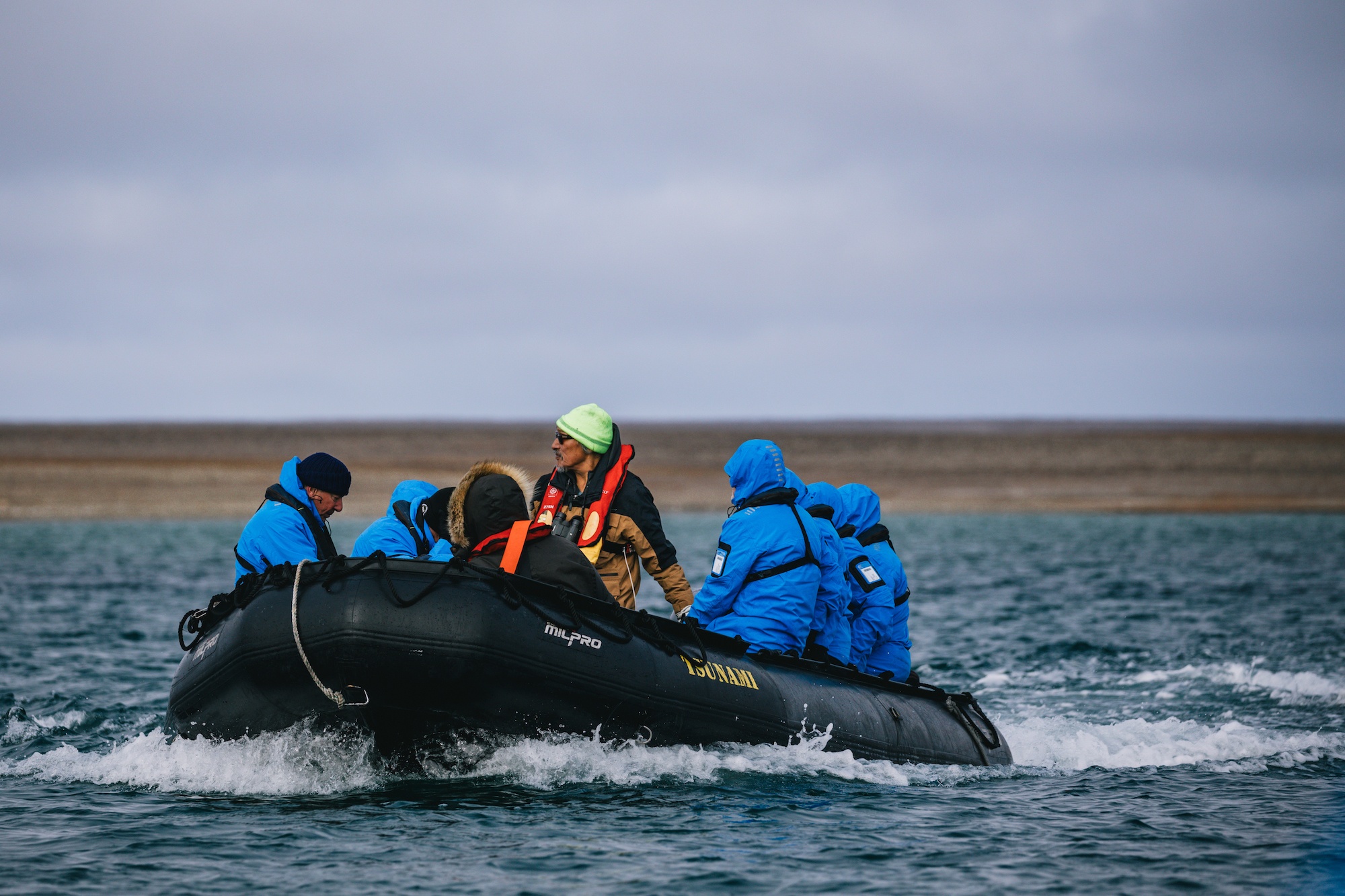
Visiting the Arctic and Antarctica presents logistical challenges that distinguish polar tourism from conventional international travel. Due to extreme geographic isolation and thick seasonal sea ice that locks down waterways for the majority of the year, these regions are largely inaccessible via traditional commercial transit. Efficient access relies almost exclusively on specialized expedition vessels, reinforced hulls, and localized support infrastructure such as Zodiac boats, small regional aircraft, and winter snowmobiles.
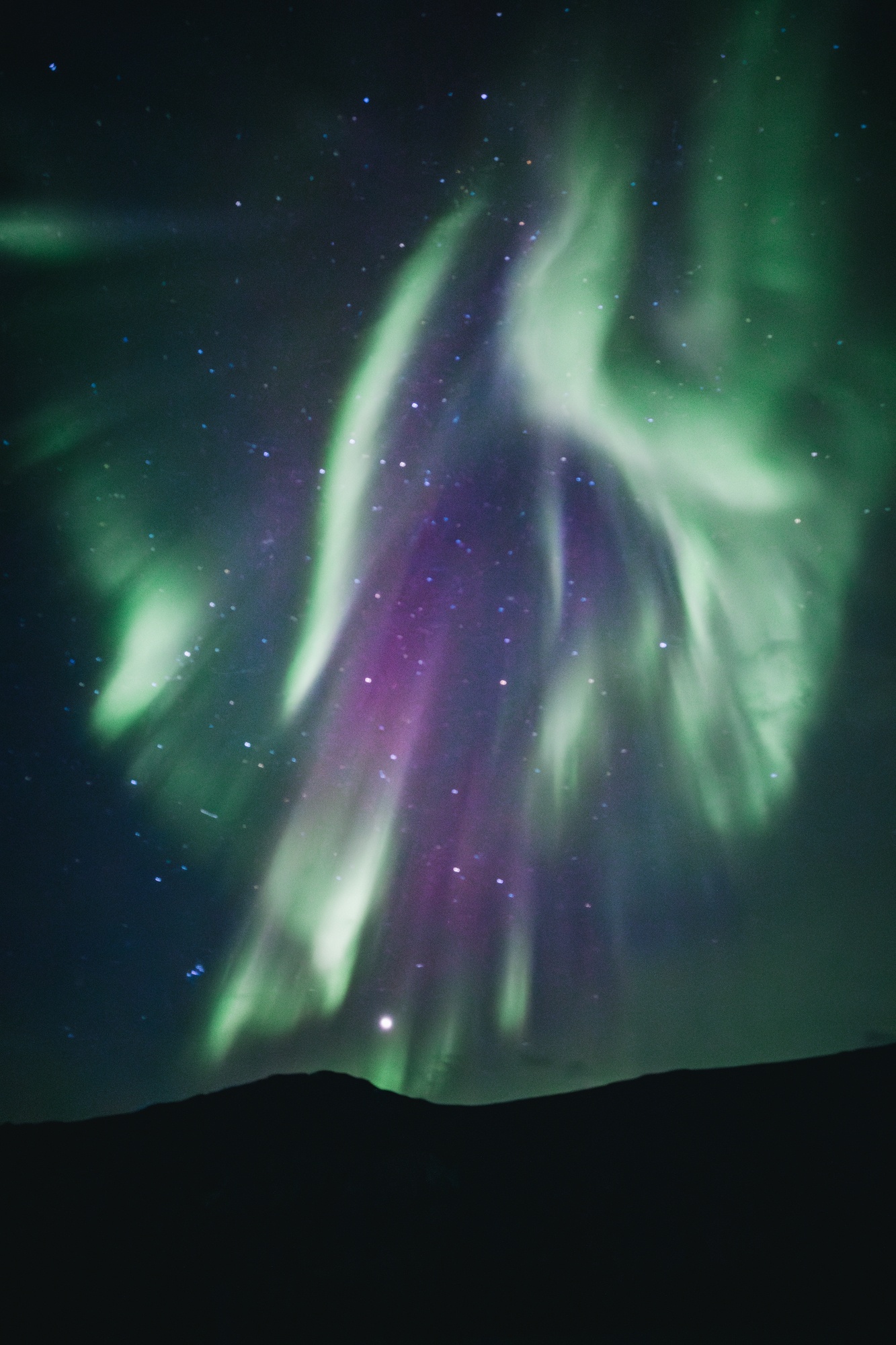
Historically, polar exploration was the exclusive domain of scientific researchers and government-backed expeditions. In recent decades, however, maritime tourism has opened these pristine environments to adventurous travelers. According to data from the International Association of Antarctica Tour Operators (IAATO) and the Association of Arctic Expedition Cruise Operators (AECO), polar tourism has experienced steady long-term growth, driven by travelers seeking immersive wilderness experiences before significant climatic shifts alter the landscape.
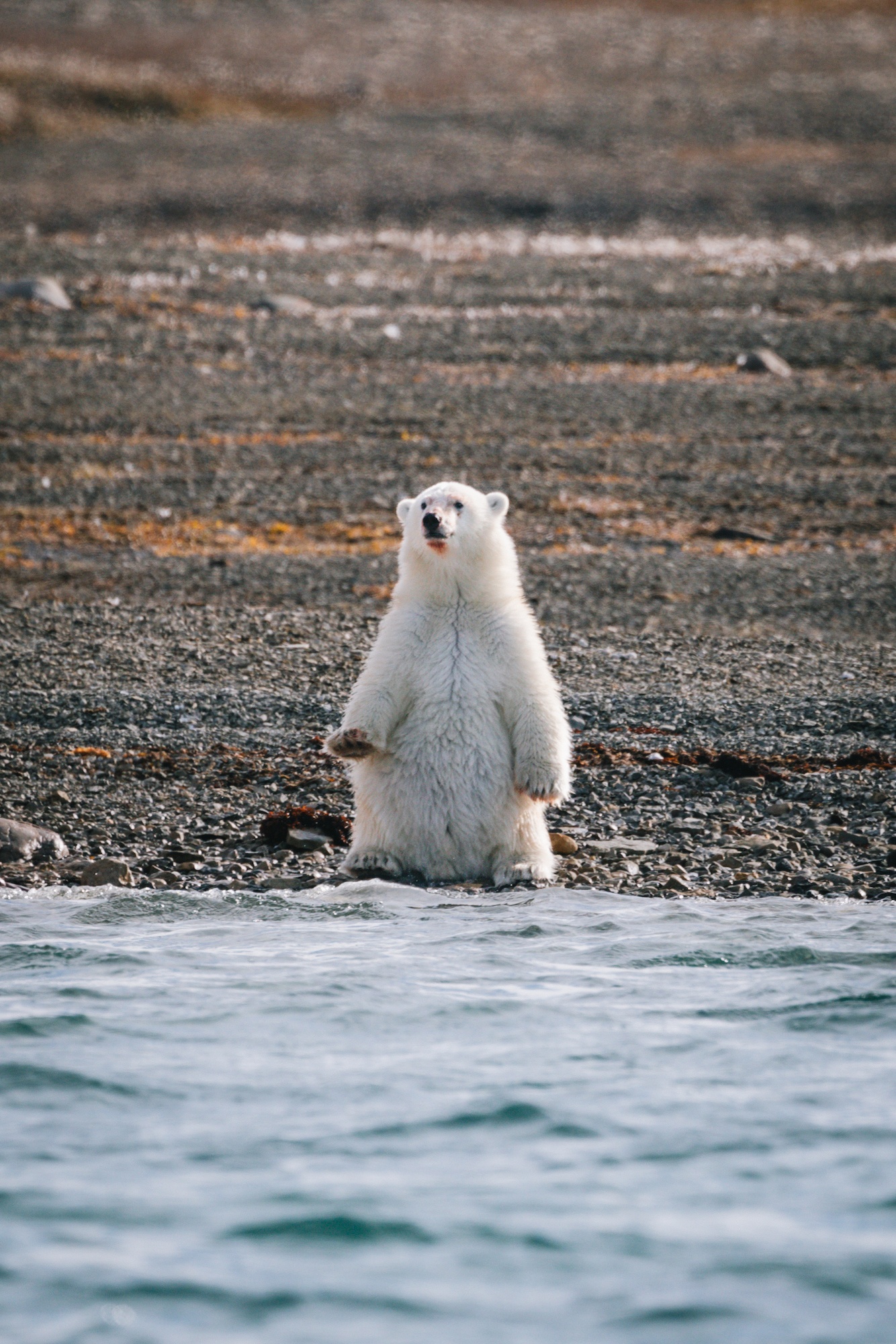
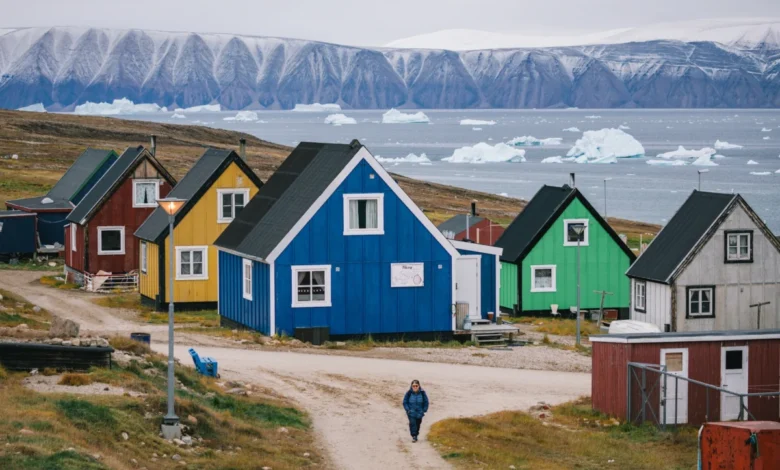
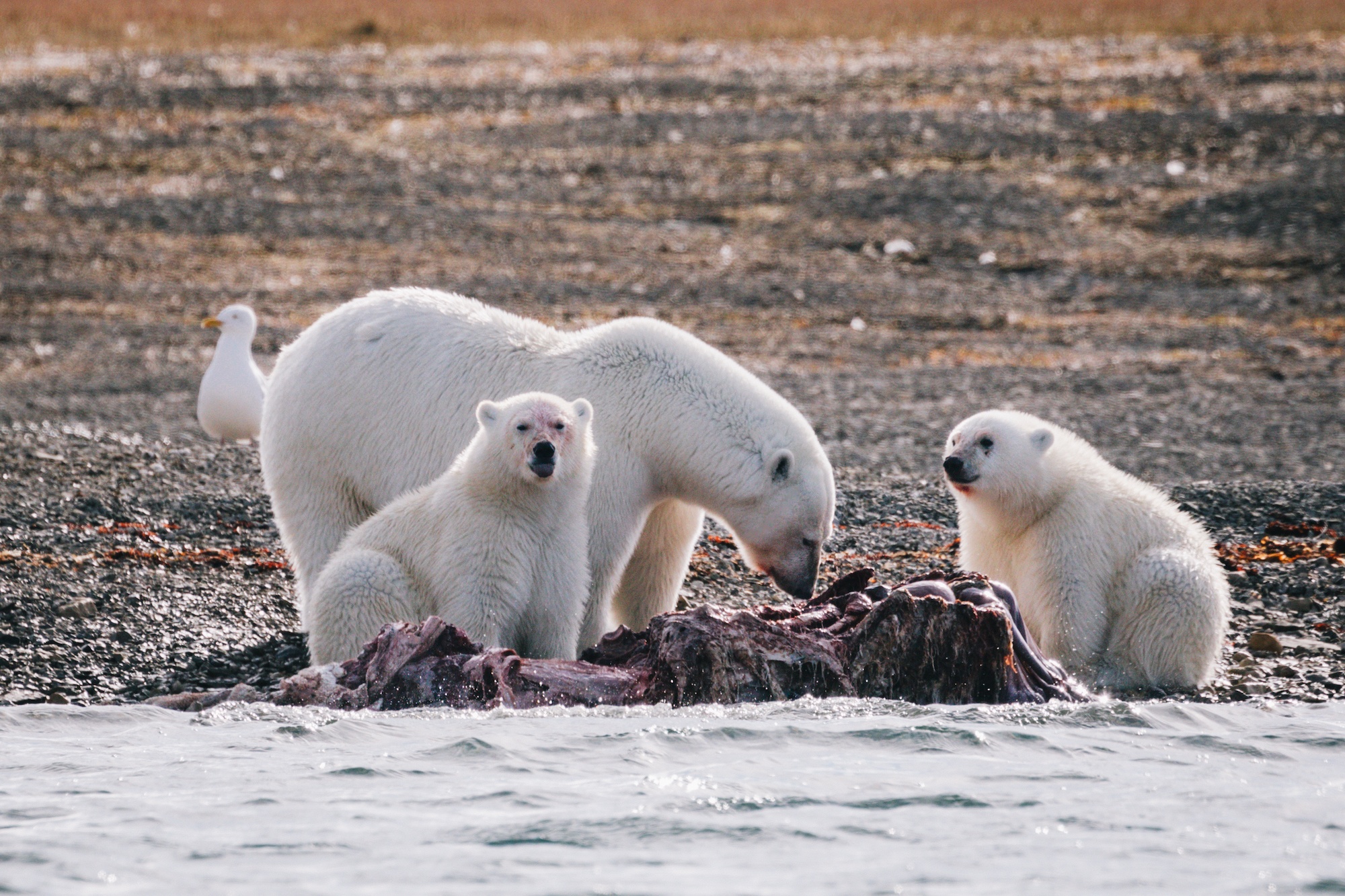
The appeal of the high north lies precisely in its unpredictability and untamed nature. Visitors routinely encounter marine mammals, including pods of whales and seals, alongside apex predators such as polar bears navigating dwindling sea ice. Furthermore, cultural exchanges with indigenous communities in northern Canada and Greenland provide an anthropological depth that elevates polar journeys beyond standard wildlife viewing.

Disillusionment with the Digital Influencer Economy
The decision of many veteran content creators to pivot toward specialized expedition guiding reflects widespread systemic fatigue within the digital media landscape. In the wake of the COVID-19 pandemic, the travel blogging and influencer ecosystem faced heightened market saturation, algorithmic volatility, and an exhausting demand for constant digital output. Industry observers note that the pressure to maintain perpetual online visibility often compromises creative authenticity and mental well-being.
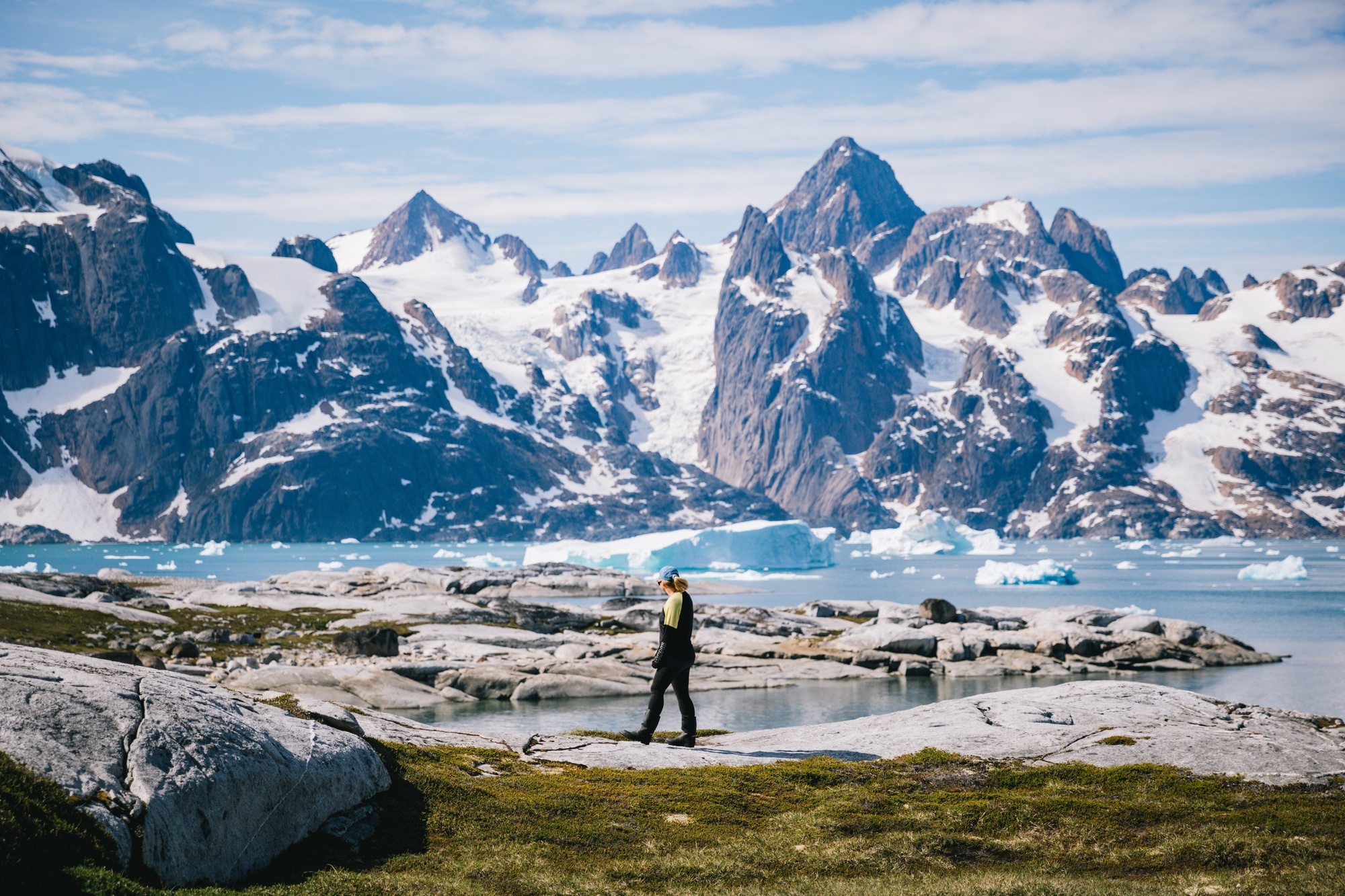
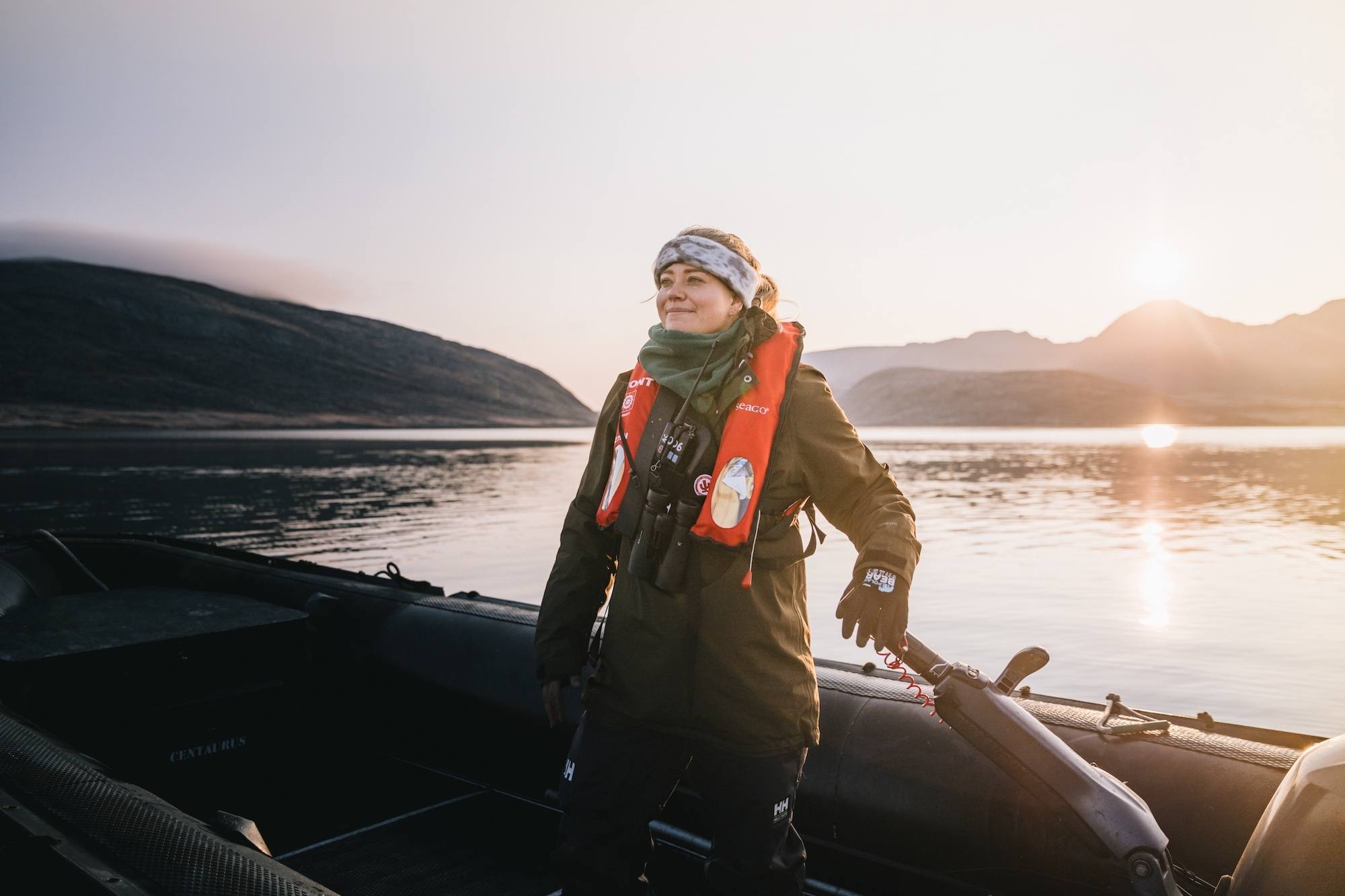
By transitioning into operational roles—such as serving as marine wildlife spotters, Zodiac drivers, and onboard lecturers—travel professionals are reclaiming a sense of community and purposeful labor. Rather than viewing destinations merely as backdrops for digital monetization, expedition guides participate directly in the daily operations of vessels, bridging the gap between passengers and the extreme environment. This hands-on approach fosters stronger professional networks and enduring camaraderie among crew members, many of whom return to polar waters season after season.
The Business Model of Expedition Booking and Referral Tourism
In response to changing consumer preferences, travel professionals with deep regional expertise are increasingly adopting specialized referral and booking models. Rather than relying solely on passive advertising revenue, sponsored content, or affiliate marketing, these creators are leveraging their firsthand knowledge to act as specialized consultants for high-end expedition companies.
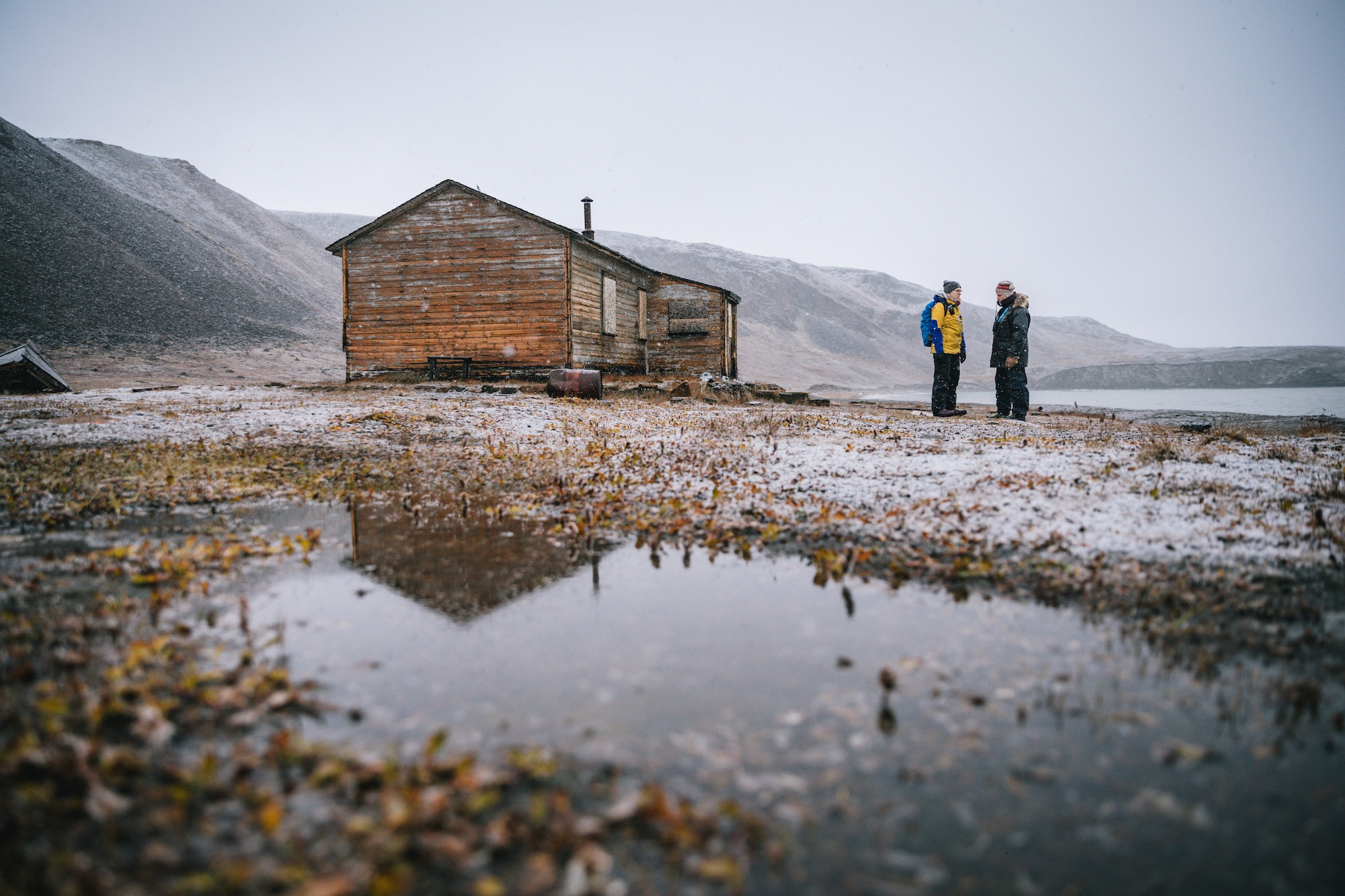
This consultative approach functions similarly to boutique travel agencies. By guiding prospective travelers through the complex process of selecting polar itineraries—factoring in vessel size, seasonal wildlife migrations, historical site access, and physical fitness requirements—referral guides provide tailored recommendations. When a traveler books an expedition through these curated channels, the guide receives a modest commission from the operating cruise line.
Industry analysts suggest that this direct-to-consumer advisory model yields higher customer satisfaction rates compared to generalized booking platforms. Travelers benefit from the granular insights of professionals who have spent months navigating Arctic fjords and Antarctic channels, ensuring that their financial investment aligns with their specific adventure expectations.
Environmental Stewardship and the Future of the High North
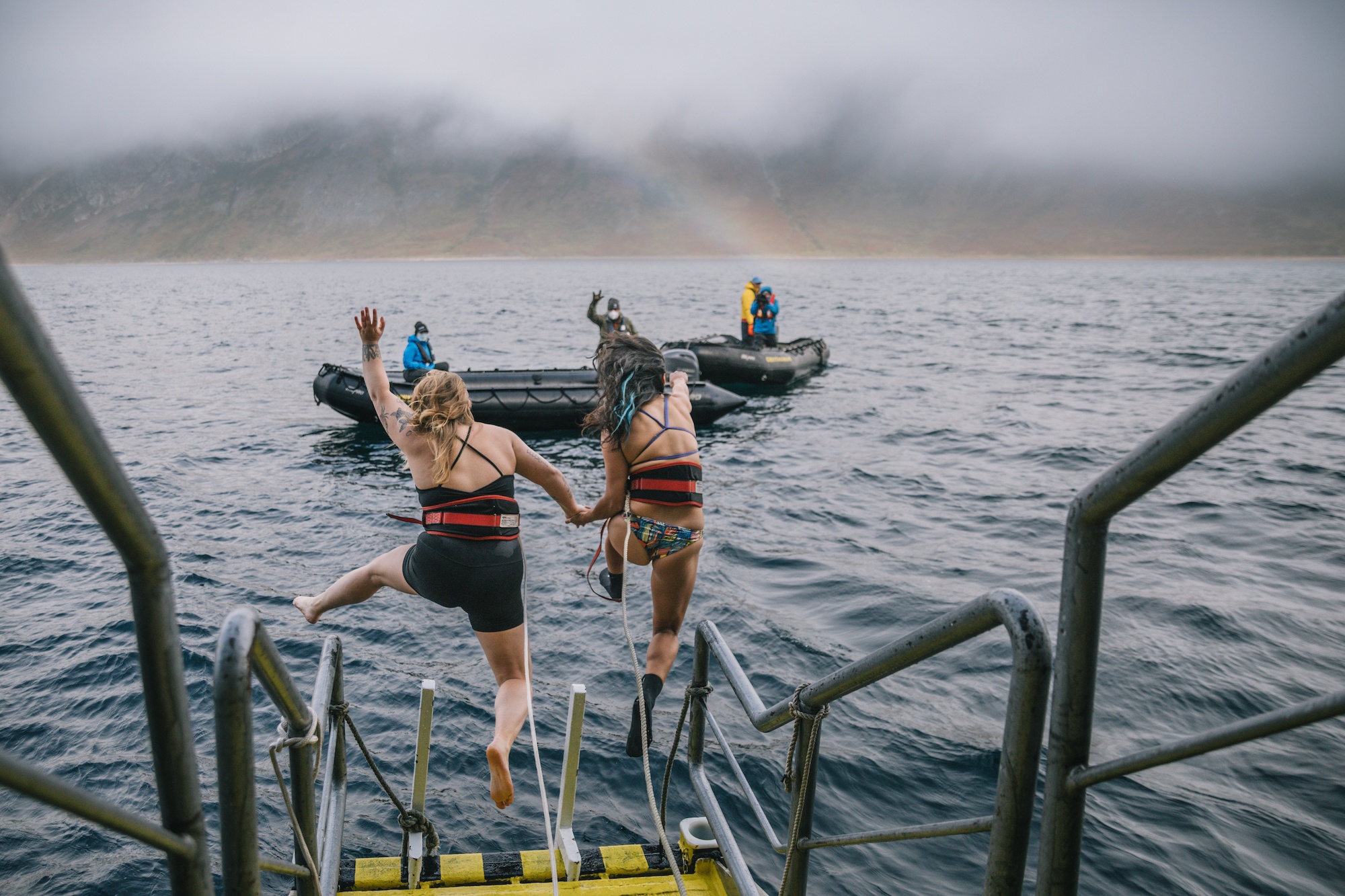
The expansion of polar tourism brings complex environmental responsibilities. Climate scientists and conservationists closely monitor the ecological footprint of expedition vessels operating in vulnerable Arctic and sub-Arctic habitats. Issues such as marine acoustic disturbance, localized waste management, and the carbon intensity of maritime fuel consumption remain central concerns for governing bodies and responsible tour operators alike.
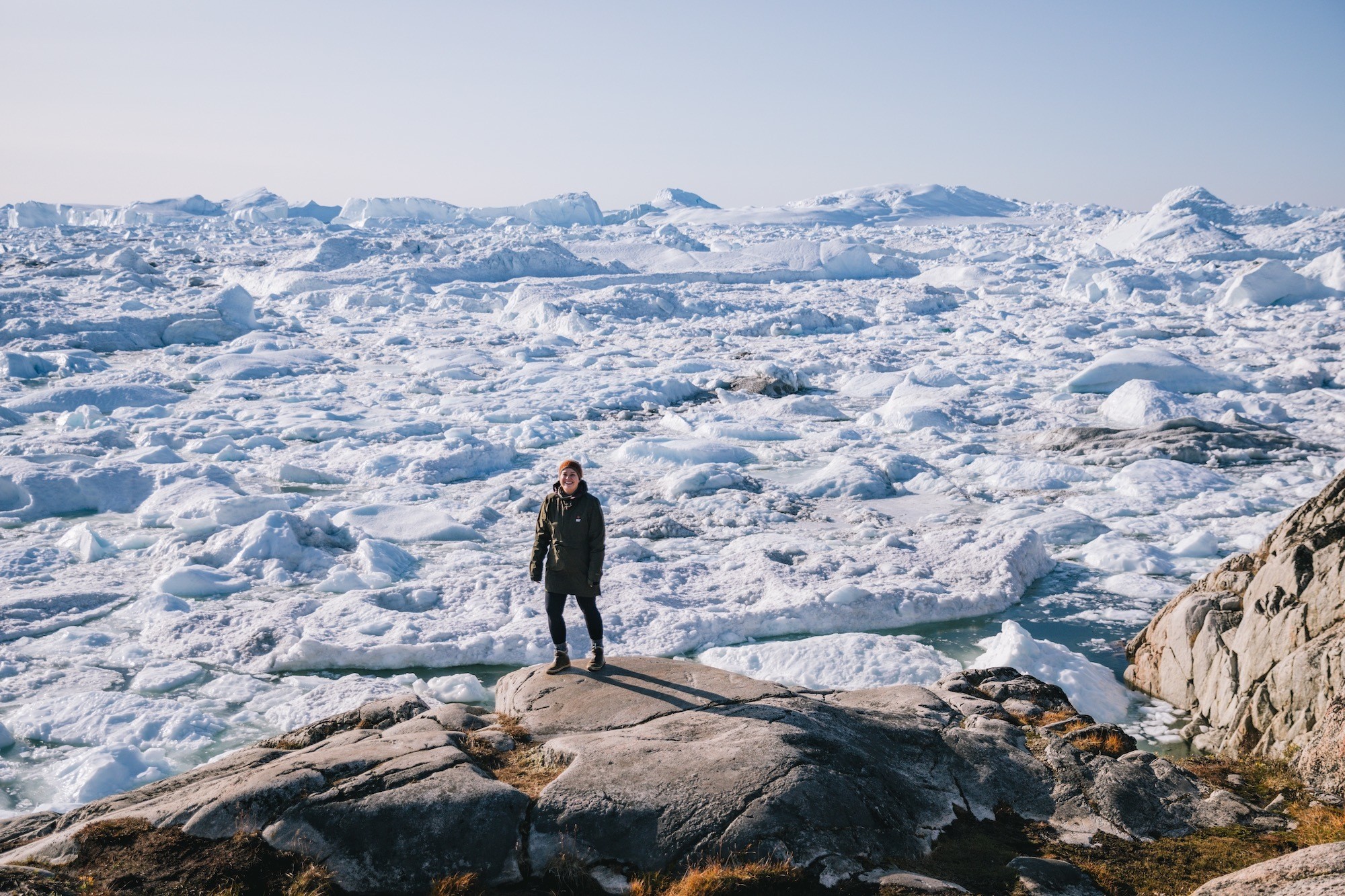
However, organizations operating within the AECO framework emphasize that responsible tourism serves as a powerful conservation tool. Proponents argue that travelers who witness firsthand the impacts of climate change—such as receding glaciers, thinning sea ice, and altered wildlife migration patterns—frequently return home as passionate ambassadors for polar preservation. This firsthand exposure often translates into increased support for international climate policies, marine protected areas, and indigenous-led conservation initiatives.
As the demand for remote travel continues to rebound and expand, the integration of experienced guides into the commercial booking framework represents a maturing market. By prioritizing specialized knowledge, community engagement, and environmental awareness, the polar tourism sector is charting a sustainable course for travelers eager to experience the planet’s final frontiers.