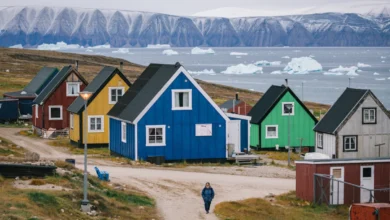
The global travel industry is witnessing a significant paradigm shift as travelers increasingly move away from traditional sightseeing in favor of experiential immersion. While iconic landmarks and historical monuments remain staple attractions, a growing demographic of international tourists, particularly solo travelers, is prioritizing "living like a local" to gain a deeper, more nuanced understanding of their destinations. This trend, often categorized under the umbrella of "slow travel" or "authentic tourism," emphasizes community engagement, local transit usage, and peer-to-peer economic exchanges over standardized tour packages.
The Evolution of Experiential Travel
The concept of local immersion is not entirely new, but its formalization as a dominant travel strategy has accelerated over the last decade. Historically, mass tourism was characterized by the "Grand Tour" model—visiting a predetermined list of major cities and monuments. However, the rise of the sharing economy in the late 2000s, spearheaded by platforms such as Airbnb and later Eatwith, provided the infrastructure necessary for travelers to bypass traditional hospitality sectors.
Industry data supports this shift. According to a 2023 report by Grand View Research, the global vacation rental market size was valued at USD 82.63 billion in 2022 and is expected to expand at a compound annual growth rate (CAGR) of 4.7% through 2030. This growth is driven by a desire for "home-like" amenities and the ability to reside in residential neighborhoods rather than commercial hotel districts. For the solo traveler, this shift offers a dual benefit: the comfort of a private, quiet residence and a front-row seat to the daily rhythms of a foreign community.
Strategic Accommodation and the "Comfort Paradox"
A critical component of the "live like a local" philosophy involves a strategic approach to accommodation. Expert travelers often distinguish between short-term stays and extended visits. For trips lasting a week or longer, the preference has shifted toward apartment rentals. This allows travelers to engage in routine activities—such as grocery shopping at local markets or cooking with regional ingredients—that are impossible in a standard hotel setting.
Interestingly, the pursuit of local living does not necessarily equate to "budget" travel. There is a growing "comfort paradox" among modern solo travelers: while they seek authentic, gritty local experiences, they demand high-quality, quiet, and secure accommodations. This demographic often views their lodging as a sanctuary that must meet or exceed the standards of their primary home. By securing a high-quality residential base, travelers are better positioned to spend their days exploring the social and cultural fabric of the city without the fatigue associated with lower-end hostels or transit-heavy hotel zones.
Peer-to-Peer Dining: The Social Gastronomy Movement
Food has long been considered the most accessible gateway to a new culture. However, the "live like a local" movement takes this beyond restaurant dining. Platforms like Eatwith have revolutionized how travelers consume local cuisine by facilitating dinner parties in the private homes of residents.
This model of "social gastronomy" provides several layers of immersion:
- Cultural Exchange: Travelers engage in direct conversation with hosts about political, social, and economic life in the destination.
- Authenticity: Menus often feature family recipes or regional specialties that are not found in tourist-oriented restaurants.
- Community Building: For solo travelers, these settings provide a safe and structured environment to meet both locals and fellow travelers, mitigating the isolation sometimes associated with solo journeys.
Market analysts suggest that the "experience economy" is now outperforming the "goods economy" in the travel sector. Travelers are increasingly willing to pay a premium for a seat at a local’s dinner table than for a luxury meal at a Michelin-starred establishment that lacks a personal connection.
Community Events and the "Secondary Attraction" Strategy
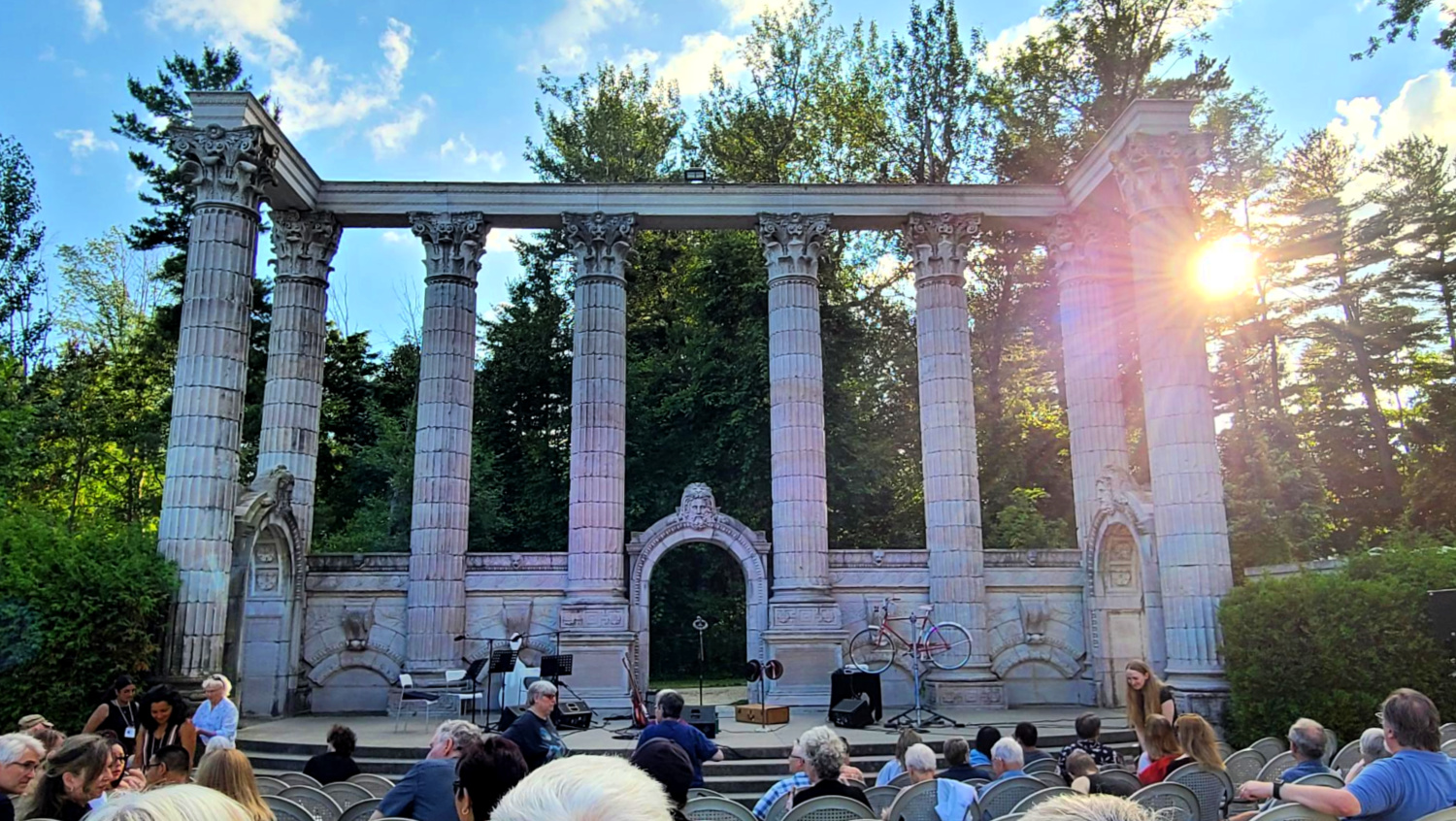
To truly understand a destination, travelers are increasingly seeking out "secondary attractions"—events and venues that are primary staples for residents but are often overlooked by the international press. This includes community theaters, such as Scarborough’s Guild Theatre in Canada, or local sports clubs and neighborhood festivals.

Attending these events serves as a litmus test for the values and interests of a community. While a Broadway show in New York or a West End production in London offers world-class entertainment, a local community play provides insight into regional dialects, social humor, and local talent. These experiences are typically more affordable and offer a higher "return on investment" in terms of cultural literacy.
Infrastructure as an Immersion Tool
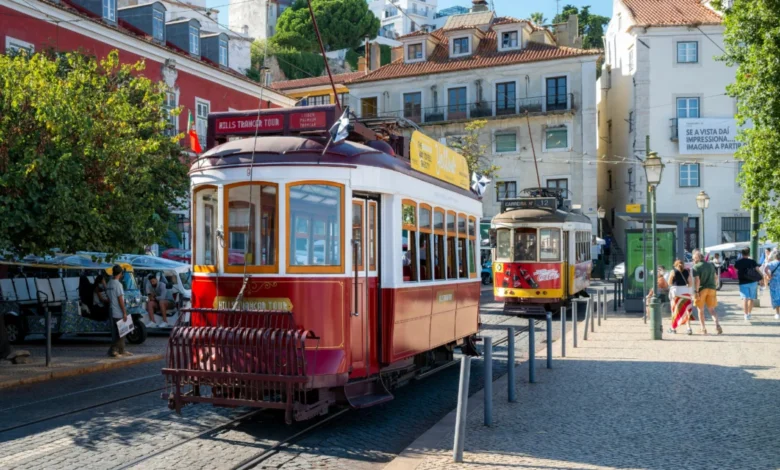
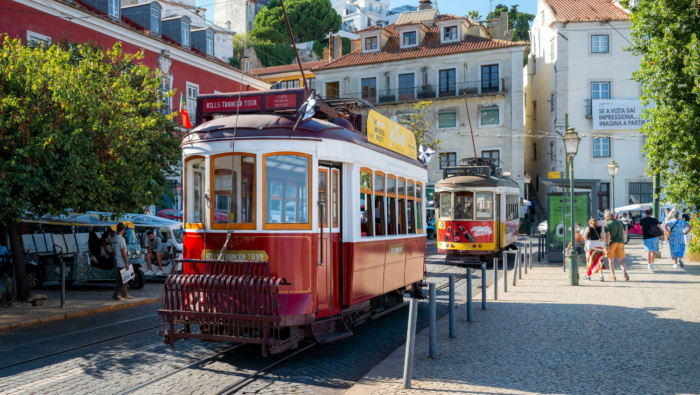
The choice of transportation is another defining factor in the local-immersion strategy. While ride-sharing apps and taxis offer convenience, they insulate the traveler from the public sphere. Conversely, utilizing a city’s public transit system—such as the iconic trams in Lisbon or the U-Bahn in Berlin—forces a traveler to navigate the city as its citizens do.
The Lisbon tram system, specifically the historic Route 28, serves as a case study in the tension between local utility and tourist demand. While it remains a vital piece of infrastructure for residents, it has become a major tourist attraction. Savvy travelers are now seeking out less-crowded lines or traveling during off-peak hours to observe the genuine commute of the city’s workforce. This "navigational immersion" helps travelers develop a spatial awareness of the city that is often lost when traveling via private car.
Analysis of Implications: Sustainability and the "Authentic" Paradox
The push to live like locals has broader implications for urban planning and sustainable tourism. On the positive side, this trend redistributes tourist dollars away from multinational hotel chains and toward local landlords, grocers, and independent artisans. It encourages "dispersal," where tourists move out of congested city centers and into under-visited neighborhoods, potentially easing the burden of "overtourism" in historical hubs.
However, the "live like a local" movement is not without its critics. The surge in short-term rentals has been linked to rising housing costs and the displacement of long-term residents in cities like Barcelona, Venice, and Mexico City. This creates an "authentic paradox": as more travelers move into residential areas to find "authenticity," their presence can fundamentally alter the character of those neighborhoods, making them less authentic and more tourist-centric.
Furthermore, there is a risk of "performative authenticity," where local experiences are commodified and staged specifically for the tourist gaze. This necessitates a high degree of discernment from the traveler to ensure that their presence is respectful and that their engagement with the community is mutually beneficial.
Industry and Official Responses
Tourism boards are beginning to adapt to this shift. Organizations like "Visit Portugal" and "Tourism Toronto" have launched campaigns that highlight neighborhood-specific itineraries, encouraging visitors to explore the "hidden gems" of the city. These official bodies are recognizing that the modern traveler’s definition of "sightseeing" has expanded to include the mundane and the everyday.
In a statement regarding the evolution of solo travel, industry analysts at the Solo Travel Society noted that their community members increasingly prioritize "human connection" over "monument viewing." The feedback from these communities suggests that the most memorable parts of a trip are often the unplanned interactions—a conversation with a shopkeeper, a shared laugh on a bus, or an invitation to a local gathering.
Chronology of the Local Living Trend
- 2008-2010: The emergence of the sharing economy (Airbnb, VRBO) provides the first scalable tools for residential travel.
- 2012-2015: Peer-to-peer dining platforms like Eatwith and Vizeat gain traction, moving the "local" trend into the culinary sphere.
- 2016-2019: The "Slow Travel" movement becomes mainstream, with travel influencers and journalists advocating for longer stays and deeper community engagement.
- 2020-2022: The COVID-19 pandemic temporarily halts travel but accelerates the desire for "private" and "residential" accommodations over crowded hotels once borders reopen.
- 2023-Present: A surge in "revenge travel" is characterized by a heightened demand for meaningful, high-quality experiences. Travelers are more selective, favoring depth over breadth.
Conclusion: The Future of Destination Learning
Living like a local is more than a travel hack; it is a philosophy of engagement that prioritizes empathy and education. By choosing to walk in the footsteps of residents—whether through their transit systems, their theaters, or their dining rooms—travelers can bridge the gap between being a "tourist" and being a "guest."
As the travel industry continues to evolve, the ability to offer genuine, non-commodified local experiences will likely become the hallmark of a successful destination. For the solo traveler, this approach not only enriches the travel experience but also fosters a more profound sense of global citizenship. The data indicates that this trend is not a fleeting fad but a permanent shift in how we perceive and interact with the world around us. In an era of digital disconnection, the physical act of "living" in a new place remains one of the most powerful tools for cross-cultural understanding.