The Transition of Polar Tourism: From Digital Influence to Professional Expedition Guiding and Specialized Travel Consulting

The landscape of high-latitude tourism is undergoing a significant transformation as experienced travel professionals move away from traditional digital influence toward specialized, boots-on-the-ground expedition roles. This shift reflects a broader trend within the travel industry where expertise, community-building, and environmental stewardship are becoming the primary drivers of consumer engagement in the polar regions. As the Arctic and Antarctic become increasingly central to global conversations regarding climate change and niche luxury travel, the role of the expedition guide has evolved into a critical bridge between remote wilderness and the growing market of "ambassador" travelers.
The Operational Realities of Polar Expedition Tourism
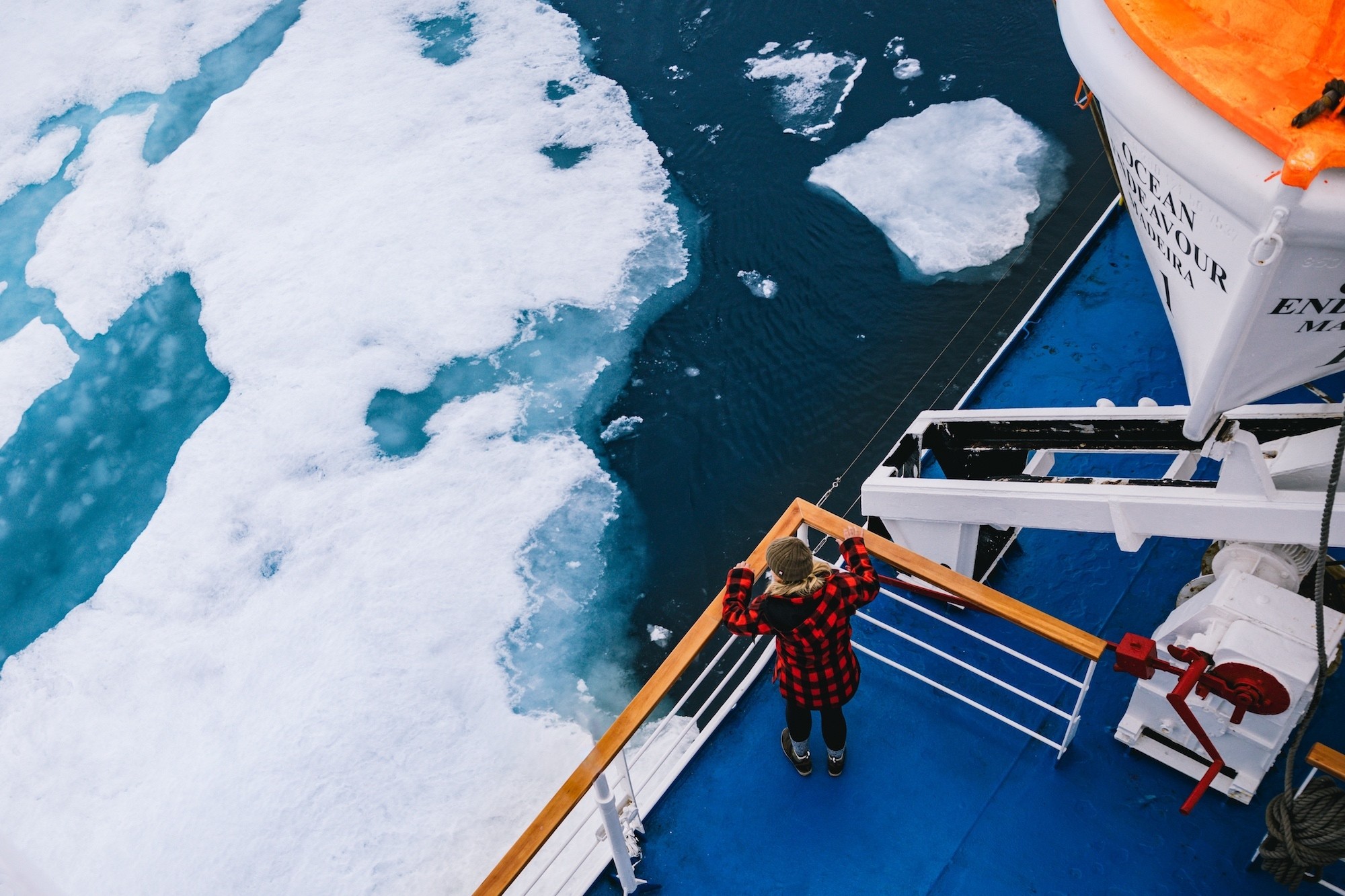
Polar travel remains one of the most logistically complex sectors of the global tourism industry. Unlike traditional terrestrial tourism, the Arctic and Antarctic regions are characterized by extreme isolation and a lack of permanent infrastructure. Access to these areas is strictly seasonal, dictated by the presence of sea ice. In the Arctic, the window for maritime navigation is limited to a few months during the northern summer, typically from late June to September, when the ice melts sufficiently to allow passage for ice-strengthened vessels.
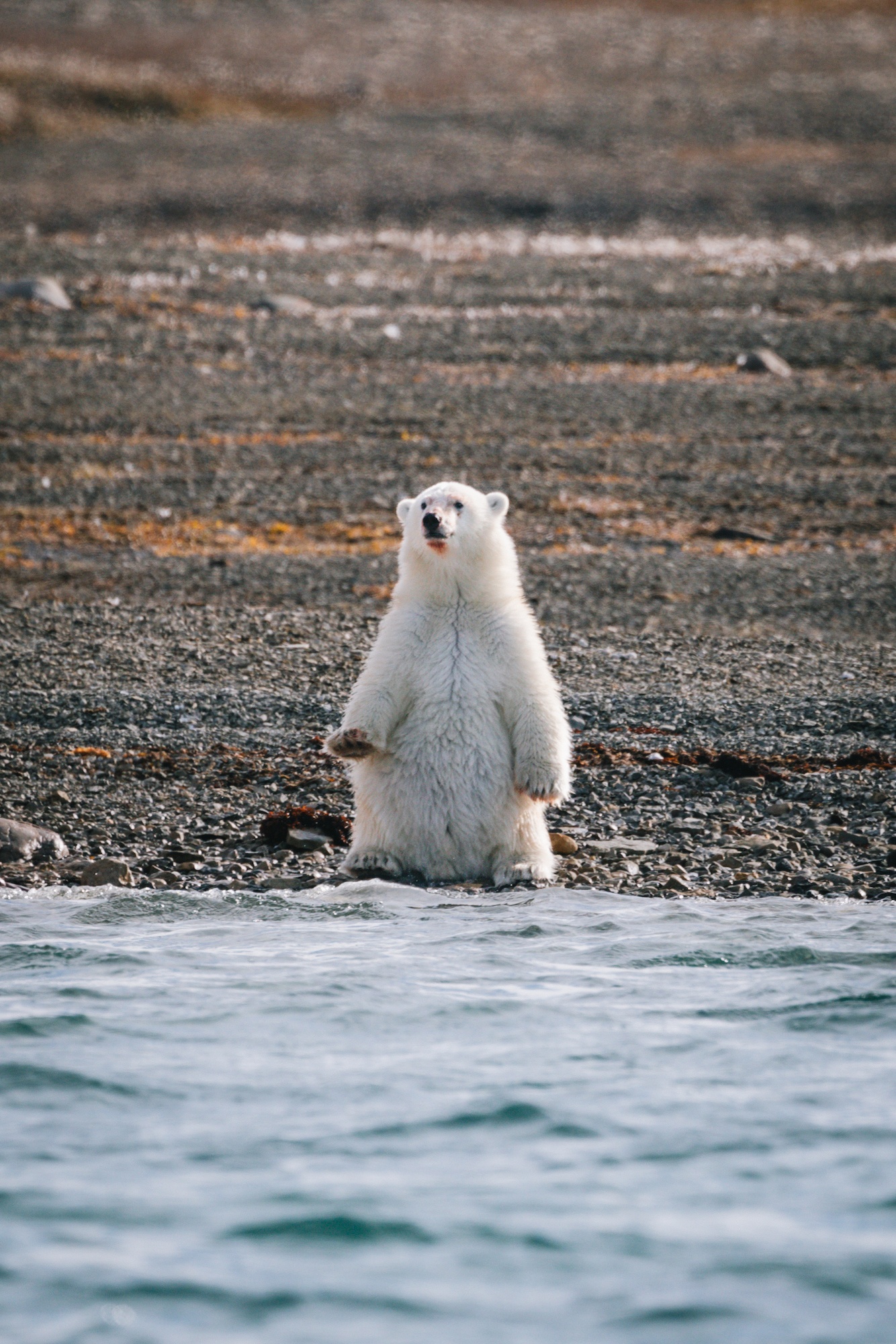
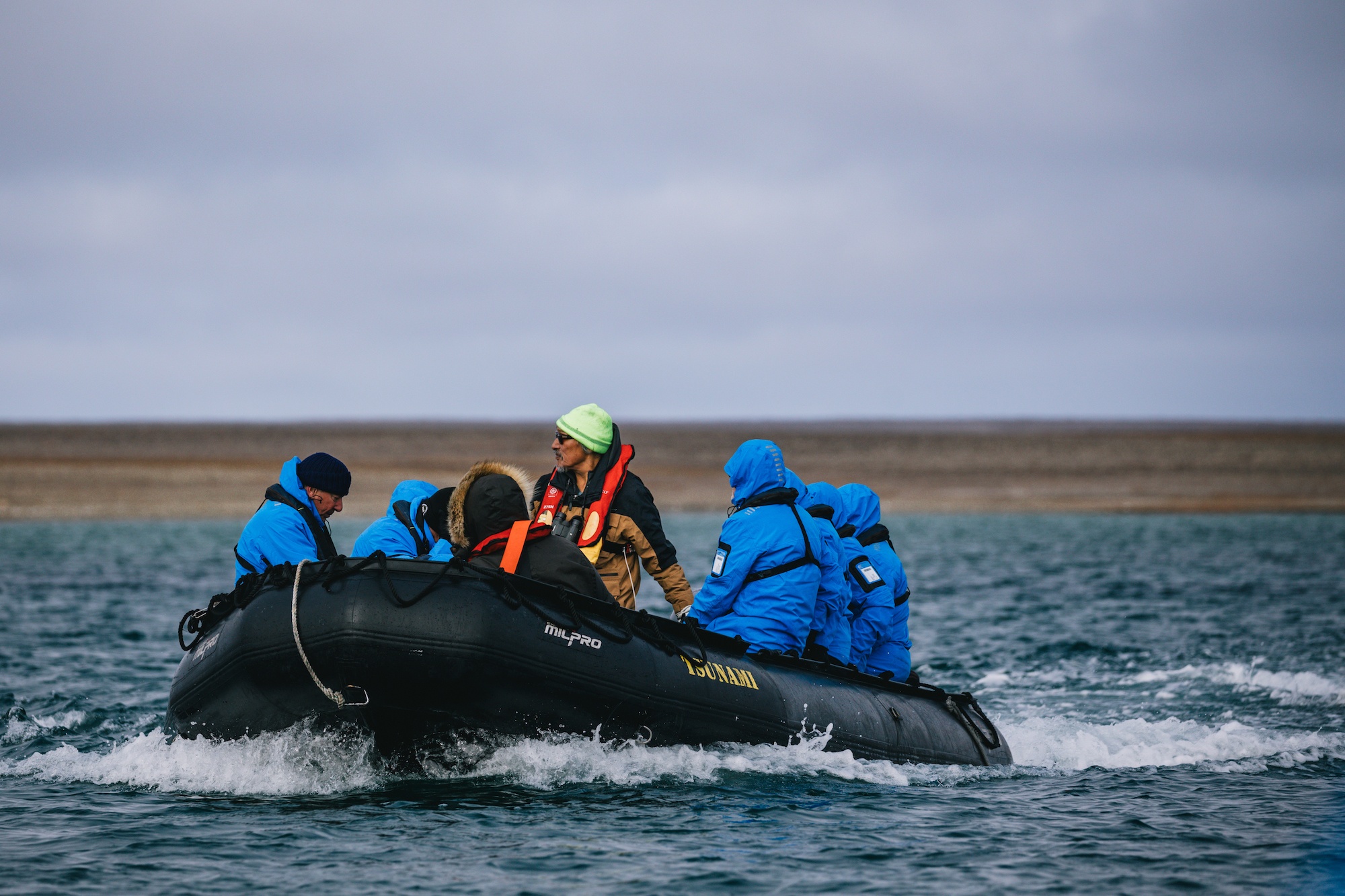
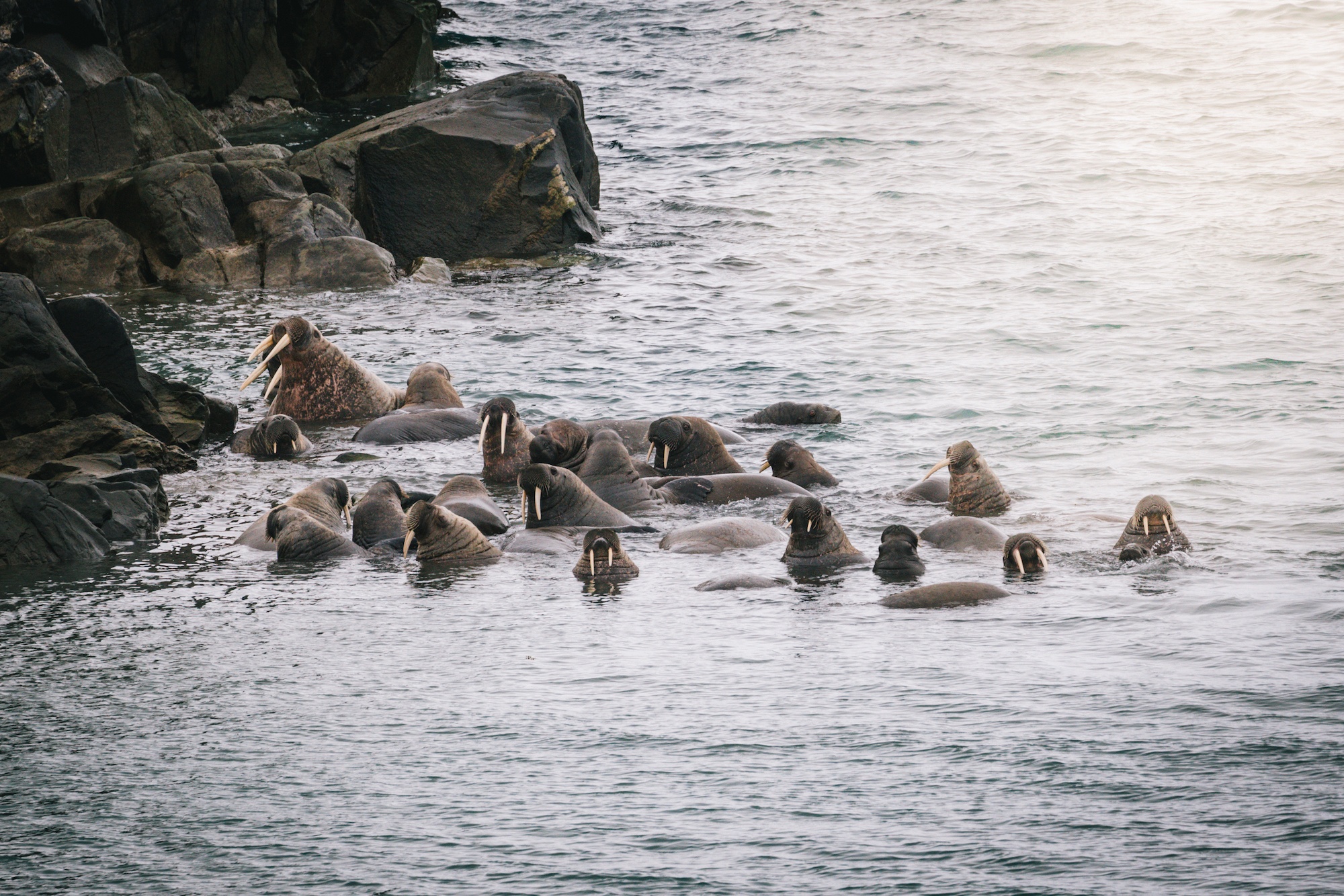
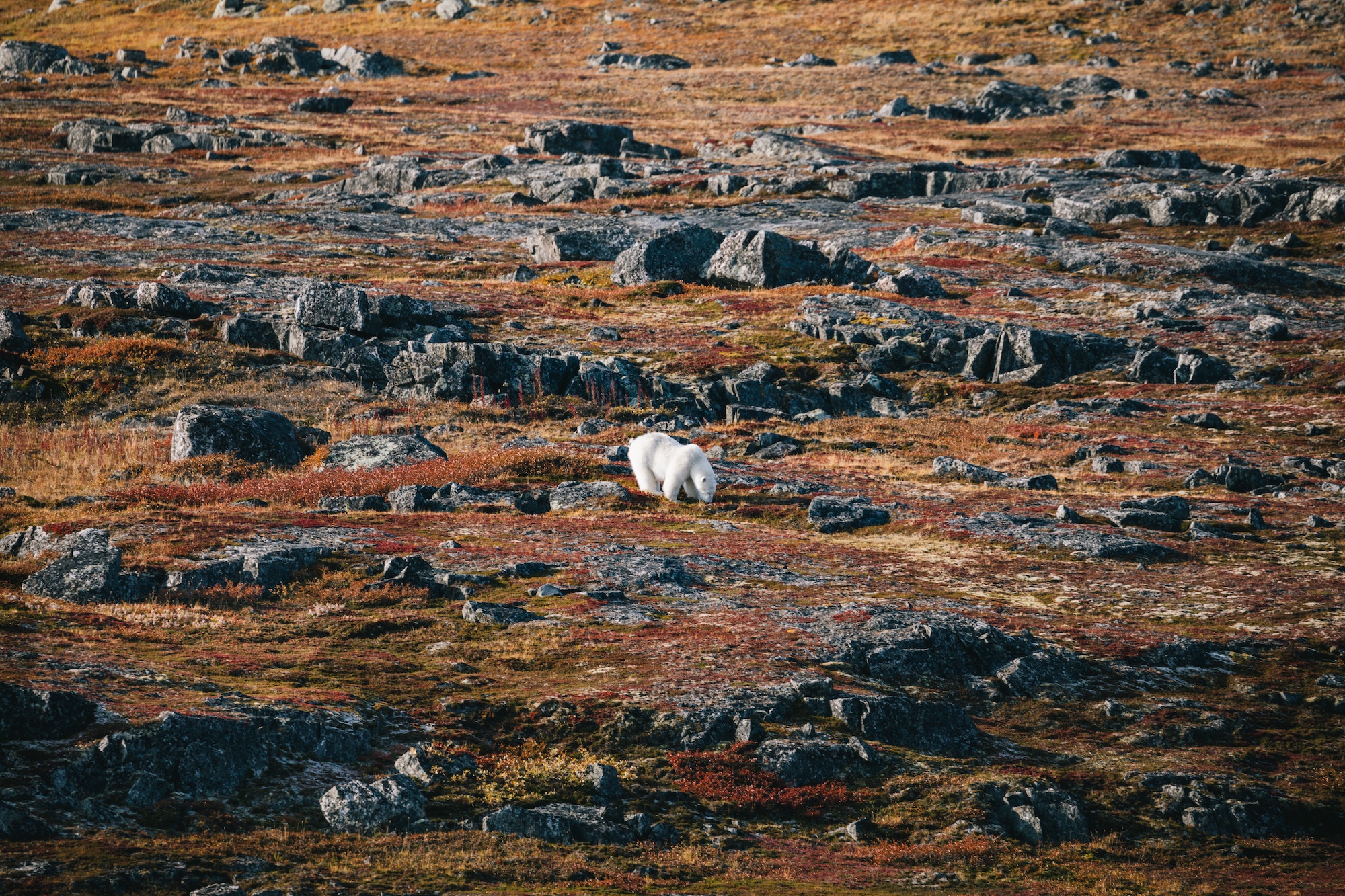
For the majority of the year, the Arctic is effectively inaccessible to standard commercial travel. Movement within the region traditionally relies on small-engine aircraft, local watercraft, or snowmobiles during the winter freeze. Consequently, the expedition ship has emerged as the most efficient and least invasive method for visiting these high-latitude environments. These vessels serve as mobile research and hospitality hubs, allowing passengers to witness rare wildlife—such as polar bears (Ursus maritimus), beluga whales, and various pinniped species—while maintaining a self-sufficient footprint in an environment where resources are non-existent.
A Strategic Shift in the Travel Creator Economy
The professional pivot from travel blogging to expedition guiding highlights a growing disillusionment with the "influencer" model that dominated the 2010s. Industry analysts note that the post-pandemic travel landscape has shifted the value proposition for content creators. The traditional "hustle" of digital marketing—characterized by high-frequency content production and competitive engagement metrics—is being replaced by a desire for meaningful professional integration within specialized communities.

For many veterans of the travel media industry, the transition to guiding represents a move toward career sustainability. Guiding offers a structured team environment, a departure from the isolation of independent content creation. Within organizations like Adventure Canada, a family-owned and operated expedition company, the emphasis is placed on long-term relationships and institutional knowledge. This model has proven successful, with reports indicating that approximately 50% of passengers on specialized polar trips are returning customers, a level of brand loyalty that far exceeds the industry average for standard cruise lines.
The Chronology of Professional Specialization
The evolution of a polar professional typically follows a multi-stage trajectory. The initial phase often involves generalist travel writing and photography, establishing a digital footprint and building an audience. However, as the limitations of digital influence become apparent, professionals seek deeper immersion in specific niches.
- Initial Exploration (Pre-2020): Professionals establish themselves as authorities in global travel, using blogs and social media to document diverse destinations.
- The Pandemic Pivot (2020–2022): Global travel restrictions force a period of reflection. The competitive nature of digital influence is scrutinized, leading many to seek more stable and fulfilling roles within the industry.
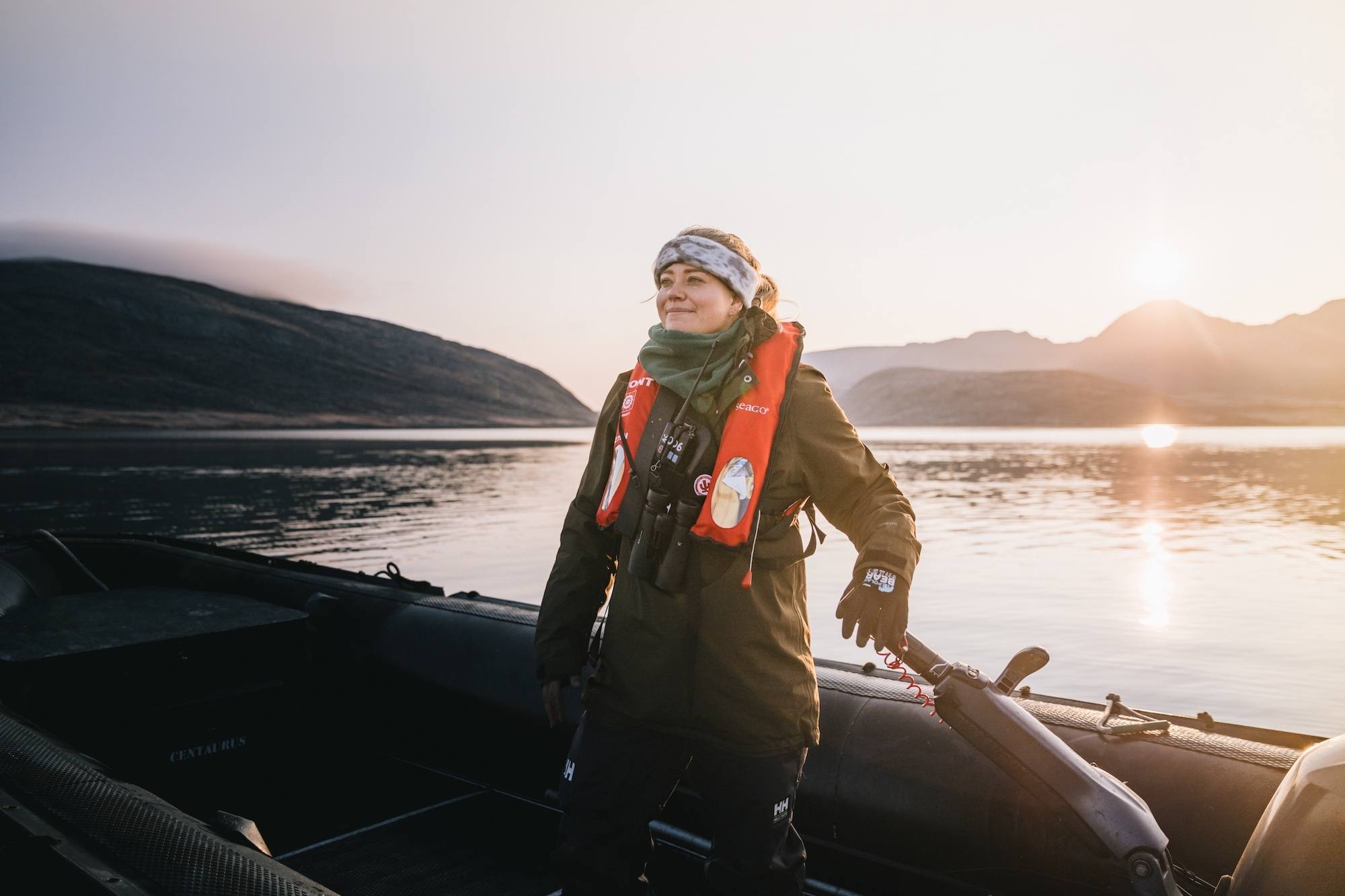
- Professional Certification and Guiding (2023–Present): Creators transition into formal roles, such as expedition guides. This involves acquiring specialized skills, including Zodiac boat operation, wildlife spotting, and historical lecturing.
- Consultancy and Integrated Sales: The final stage of this evolution involves combining guiding expertise with travel consulting. By acting as a referral-based consultant, the professional leverages their firsthand knowledge to match travelers with specific itineraries, moving beyond passive advertising to active, expert-led sales.
Supporting Data: The Growth of the Expedition Cruise Market
The shift toward specialized guiding is supported by robust growth in the expedition cruise sector. According to data from the Cruise Lines International Association (CLIA) and the Association of Arctic Expedition Cruise Operators (AECO), the demand for "adventure" and "expedition" style cruising has outpaced traditional luxury segments.
- Market Expansion: The global expedition cruise fleet has grown by over 40% in the last five years, with more ice-class vessels entering service.
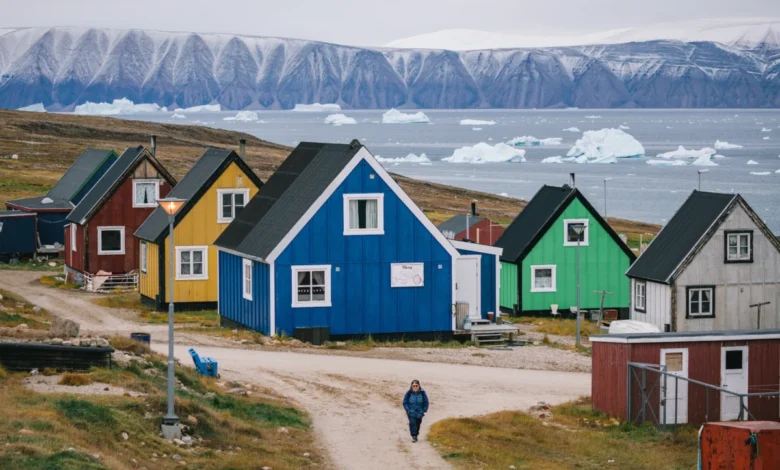
- Economic Impact: Specialized tourism provides vital economic injections into remote northern communities in Greenland and the Canadian Arctic. These visits often include cultural exchanges and the purchase of local Inuit art, which supports indigenous economies.
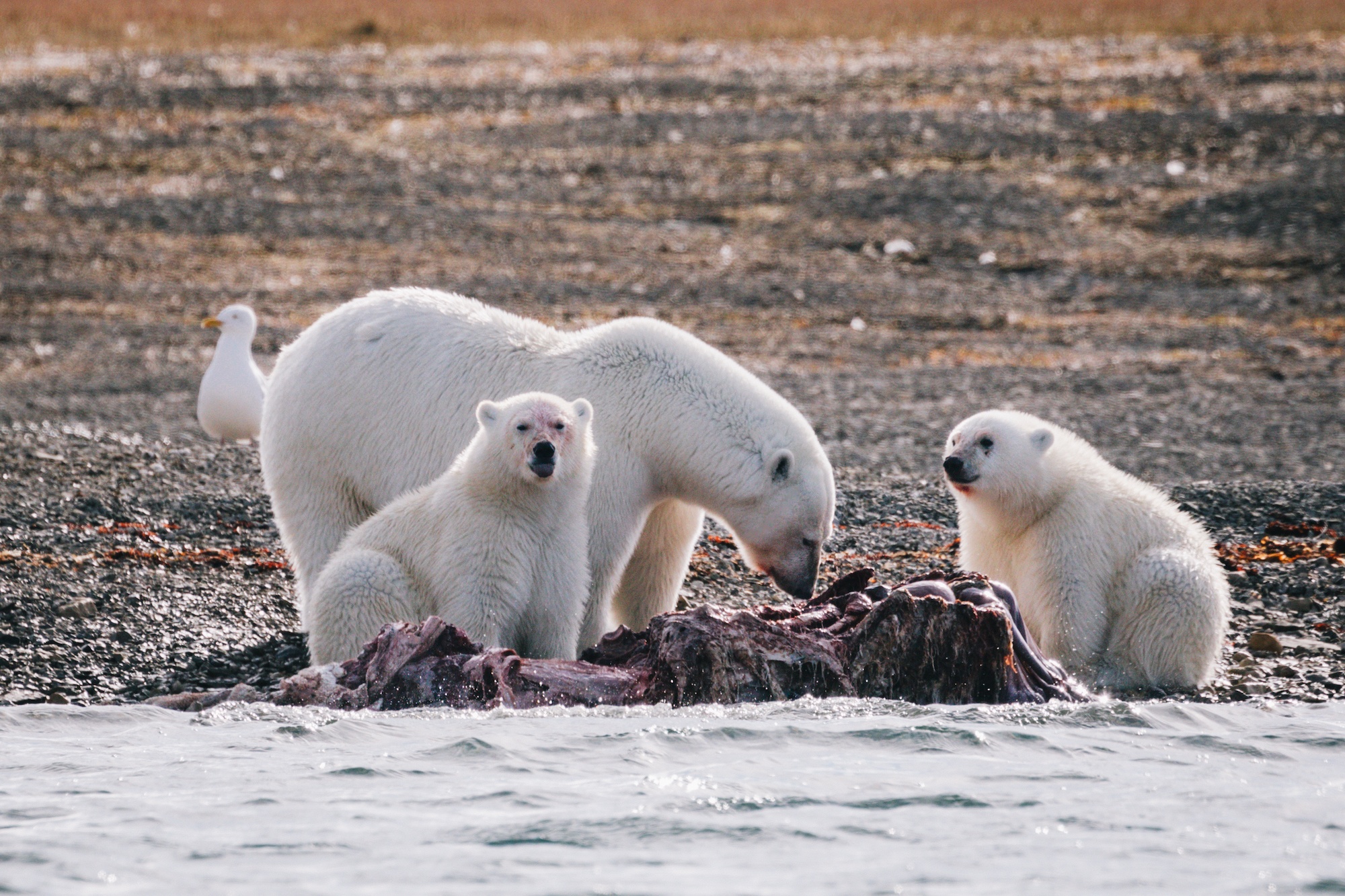
- Environmental Observations: The increase in tourism coincides with significant environmental changes. Last year, expedition teams in the Arctic reported high frequencies of polar bear sightings, including rare predatory behaviors, such as bears scavenging beluga whales. These sightings are increasingly documented by guides who serve as citizen scientists, providing data to research organizations regarding wildlife health and sea ice conditions.
Historical and Cultural Context of Arctic Exploration
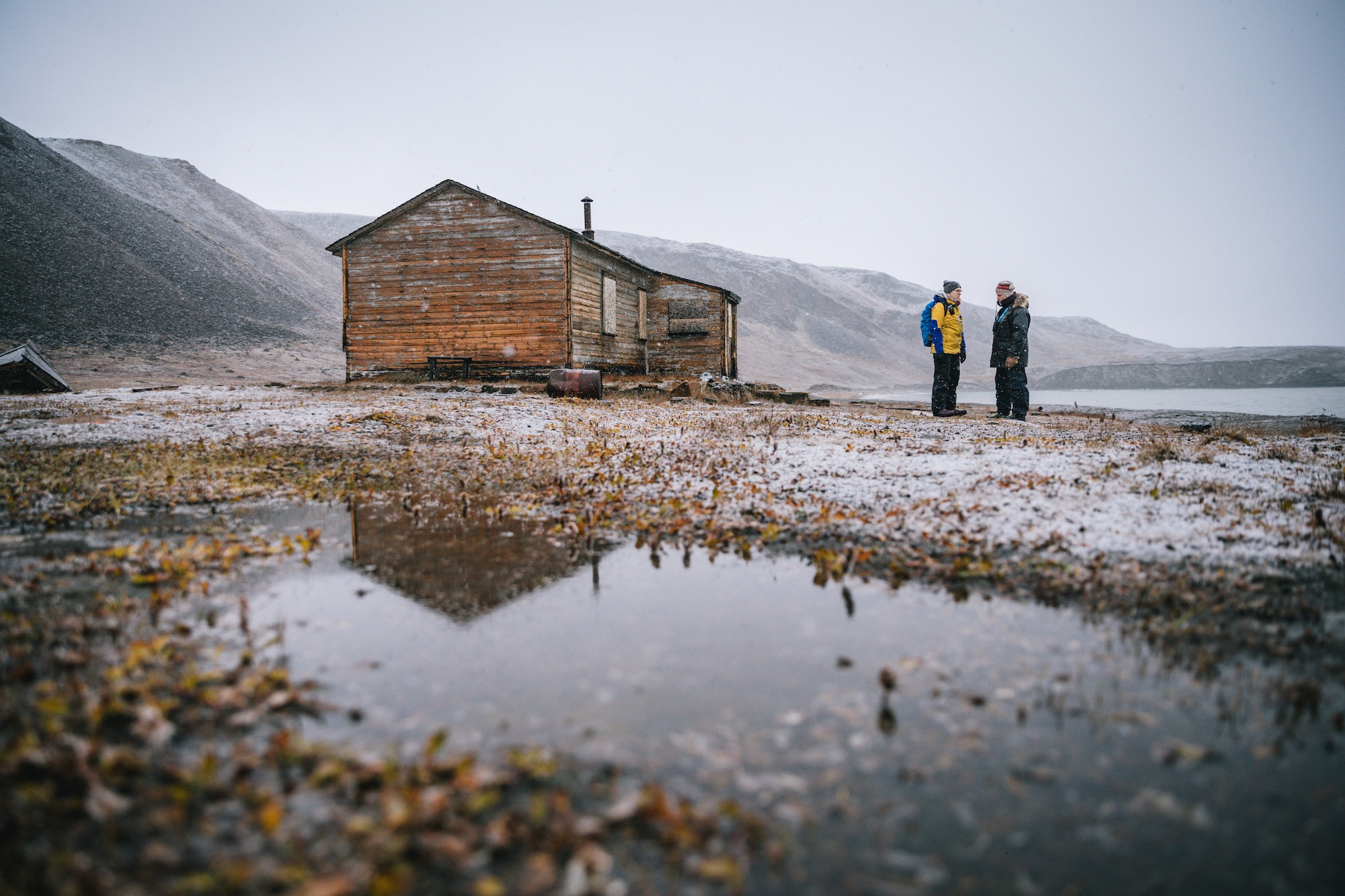
Modern expeditions often trace the routes of historical explorers, adding an educational layer to the travel experience. A frequent destination is Beechey Island in the Canadian High Arctic, a site of immense historical significance. It served as the wintering site for Sir John Franklin’s ill-fated 1845 expedition to find the Northwest Passage.
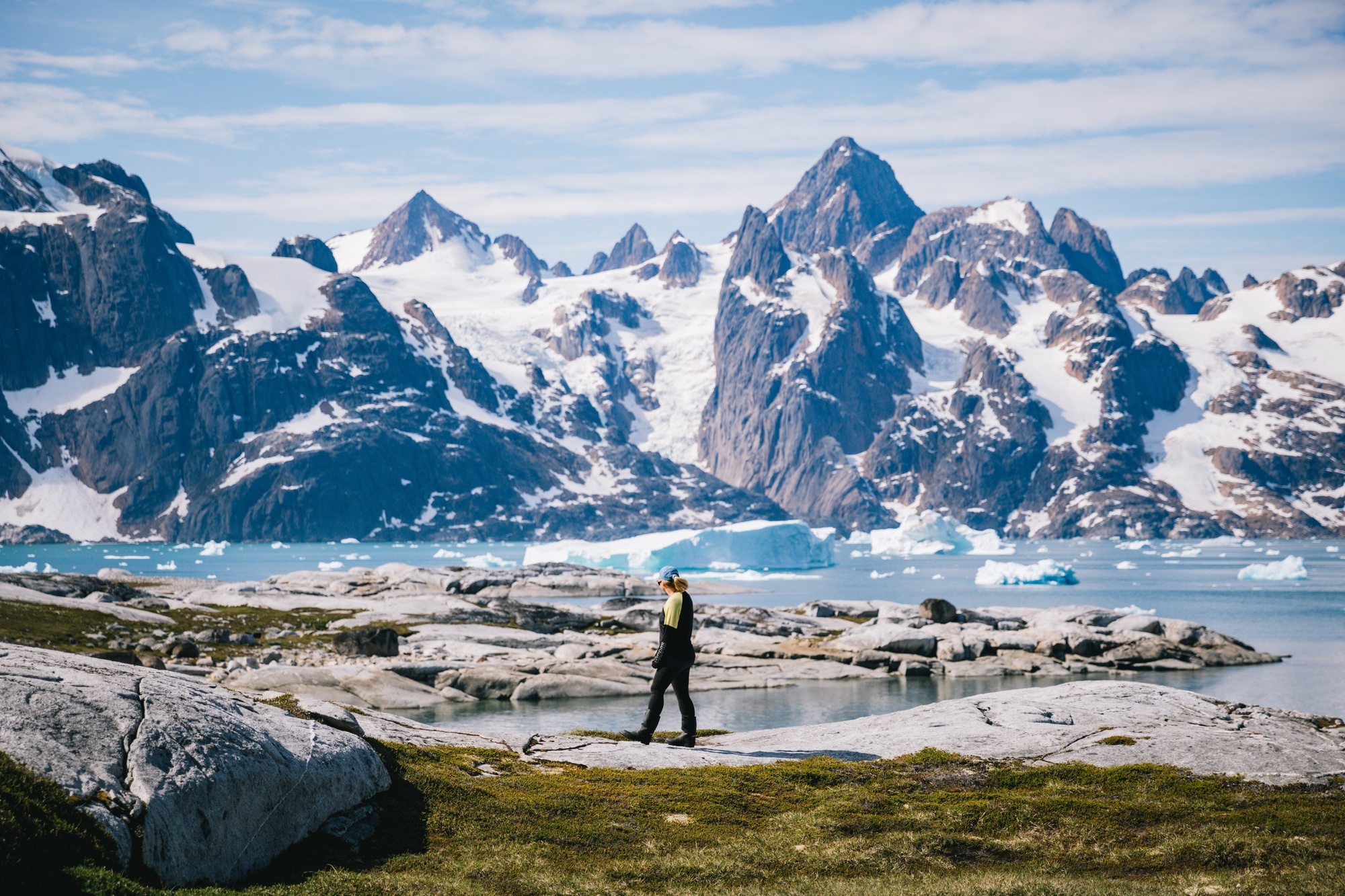
The ability to stand on sites like Beechey Island or navigate the fjords of Greenland allows travelers to connect with the "Heroic Age of Antarctic Exploration" and the subsequent search for the Northwest Passage. This historical context is a cornerstone of the expedition model, where lectures on Inuit history, geology, and maritime law replace standard shipboard entertainment. The goal is to transform the passenger from a tourist into an informed observer of the polar world.
The Role of Referral-Based Consulting in Niche Tourism
The introduction of the "guide-as-consultant" model represents a new frontier in the travel agent industry. By moving toward a referral-based commission structure, guides are able to provide personalized recommendations that traditional travel agents may lack. This transparency is vital in a niche market where the cost of entry is high, and the expectations for a "once-in-a-lifetime" experience are significant.
This model allows the professional to step back from the high-pressure environment of social media influencing while maintaining an income stream that supports their creative work. It fosters a more "natural and organic" relationship with the audience, who may have followed the professional’s journey for years before deciding to undertake a polar trip themselves.
Broader Implications and Environmental Ambassadorship
The ultimate objective of modern polar tourism, as articulated by industry leaders and guides, is the creation of "polar ambassadors." There is a firm belief within the community that firsthand exposure to the fragility and majesty of the Arctic and Antarctic fosters a lifelong commitment to environmental conservation.
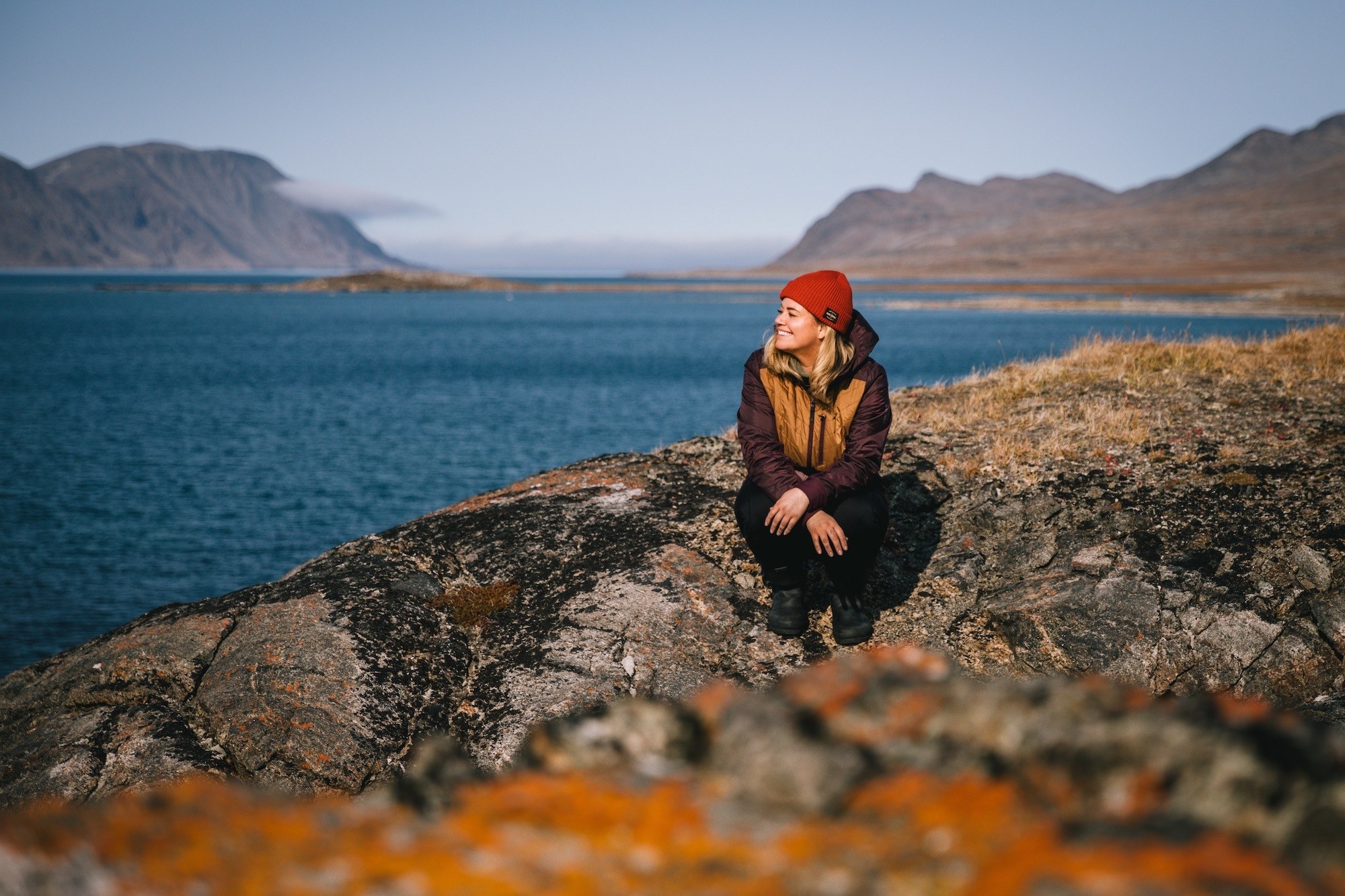
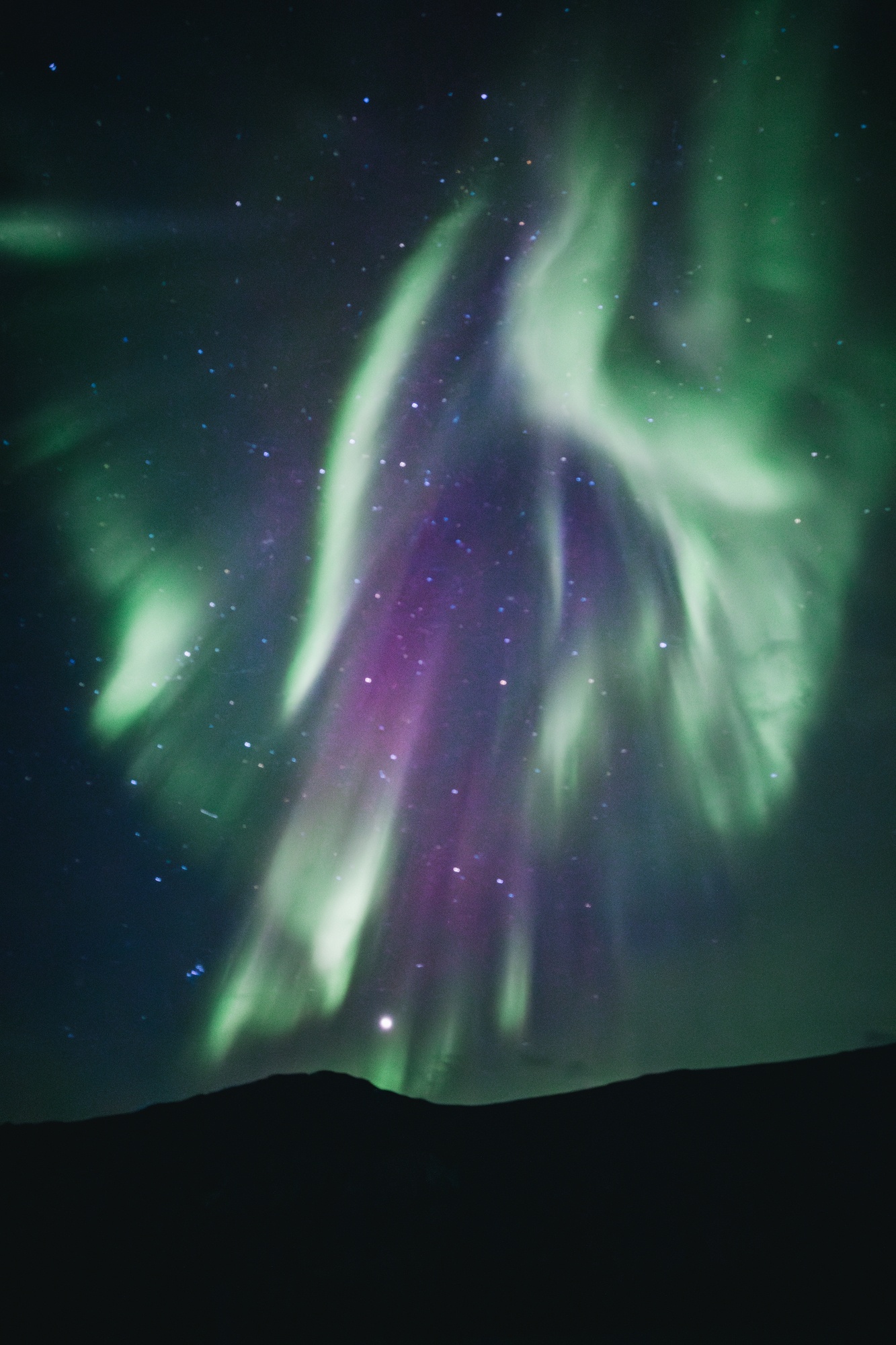
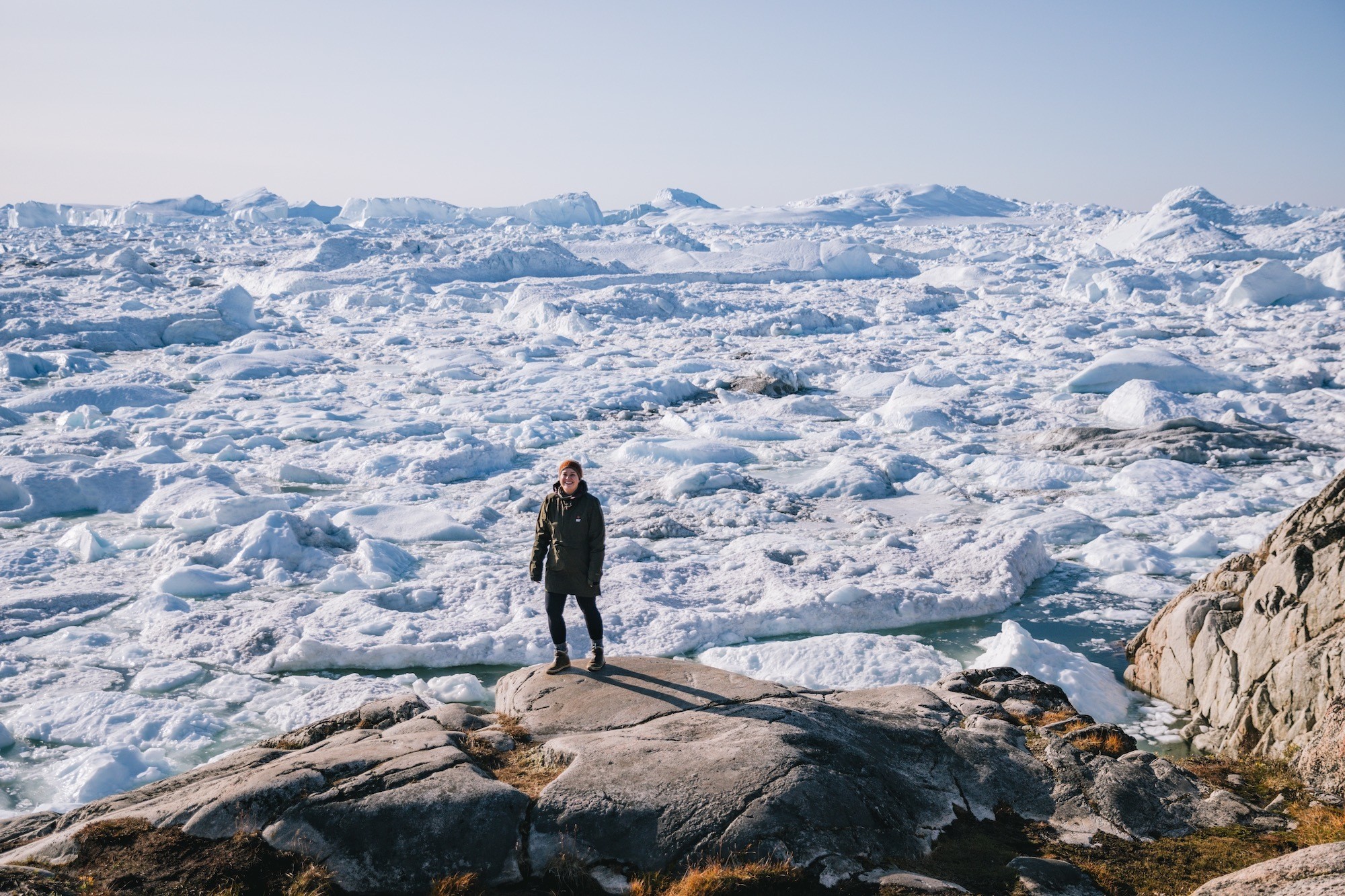
As sea ice continues to diminish at an alarming rate due to anthropogenic climate change, the visibility of these regions becomes a double-edged sword. While increased tourism raises concerns regarding carbon footprints and environmental impact, the educational value provided by expert guides is seen as a necessary tool for advocacy. Travelers who witness the "dancing" Northern Lights in Greenland or the vast, skyscraper-sized icebergs of the Ilulissat Icefjord are statistically more likely to support polar conservation initiatives and climate policy.
Conclusion: The Future of the Polar Professional
The transition from influencer to guide and consultant signifies the professionalization of the travel creator. It marks a shift away from the "meaningless competition" of the digital world toward a collaborative, community-focused career. By integrating specialized knowledge, maritime skills, and a commitment to storytelling, these professionals are defining a new standard for high-latitude exploration.
The Arctic remains a vast, wild, and unpredictable frontier. However, through the work of dedicated guides and specialized operators like Adventure Canada, it is becoming a space where education, adventure, and conservation intersect. For the travel industry at large, this evolution serves as a blueprint for how expertise and authenticity can replace traditional marketing in the pursuit of more meaningful and sustainable global exploration.