Digital Nomad Transition to Residency in Bulgaria Highlights Health Benefits of Home Bases for Long-Term Travelers

The transition from perpetual global travel to established residency represents a significant shift in the digital nomad paradigm, as evidenced by the recent move of long-term travelers Nick and Dariece, founders of the "Goats on the Road" platform, to Bulgaria. After more than 15 years of continuous movement, the couple has transitioned into a lifestyle defined by a "home base," a move they report has fundamentally improved their physical and mental well-being. This shift highlights a growing trend within the remote work community known as "slow travel" or "home-basing," where the traditional nomadic lifestyle is replaced by semi-permanent residency to mitigate the health risks associated with constant transit.

The Evolution of the Digital Nomad Lifestyle: A 15-Year Chronology
The journey of these prominent travel influencers began in 2008, a period when the term "digital nomad" was in its infancy. For over a decade and a half, their existence was characterized by frequent relocation, living in short-term rentals, and managing the logistical challenges of international travel. While this lifestyle offered unparalleled freedom, it also presented significant obstacles to maintaining a consistent health regimen.
The timeline of their transition reflects a gradual realization of the need for stability. A period of part-time residency in Grenada provided the first glimpse into the benefits of a fixed location. This was followed by a four-year stint in a large house near Plovdiv, Bulgaria, where the couple began experimenting with more permanent wellness fixtures, such as an infrared sauna. The final phase of this evolution was their recent move to Bansko, a mountain town that has emerged as a global hub for remote workers. By becoming official residents of Bulgaria, the couple has moved away from "living out of suitcases" to a structured environment that allows for the implementation of a 10-point health framework.

The 10-Point Wellness Framework for Resident Nomads
The shift to a home base in Bulgaria has allowed for the integration of specific health practices that are often impossible to maintain while in constant transit. According to data from the couple’s experience, these practices fall into three main categories: environmental therapy, biological optimization, and community integration.
1. Environmental and Thermal Therapy
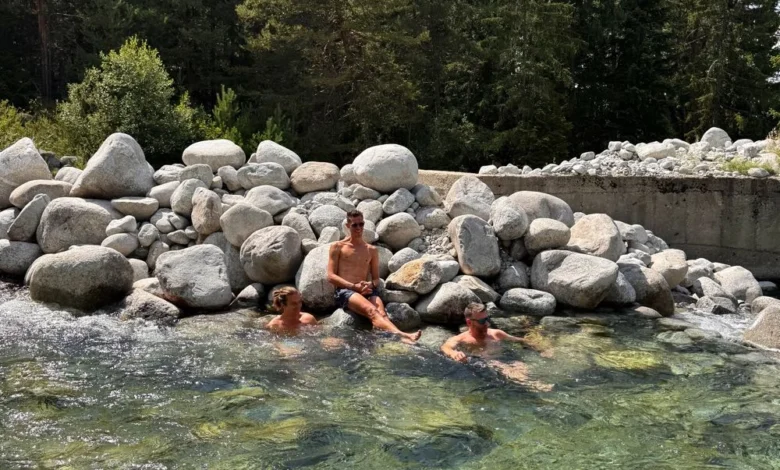
Living in the Pirin Mountain region has provided consistent access to specific therapeutic modalities. The couple has made weekly sauna sessions a "non-negotiable" part of their routine. Clinical studies have long linked regular sauna use to improved cardiovascular health, enhanced muscle recovery, and reduced systemic inflammation.

Complementing the heat is the practice of cold exposure. While Dariece maintains a more moderate approach, Nick has integrated natural cold plunges in mountain streams into his routine. Cold water immersion is widely recognized for its ability to boost immune response and provide mental clarity through the release of endorphins. Furthermore, the region’s abundance of mineral springs—Bulgaria possesses over 700 such springs—allows for regular soaking in water rich in magnesium, calcium, and sulfur, which aids in skin health and joint recovery.
2. Biological Optimization and Sleep Hygiene
One of the most detrimental aspects of long-term travel is the disruption of circadian rhythms and sleep quality. Constant changes in mattresses, ambient noise levels, and time zones contribute to chronic sleep deprivation. By establishing a permanent residence, the couple has been able to invest in high-quality sleep infrastructure, including specialized mattresses and toppers.

To monitor the success of these changes, they utilize wearable technology, such as the Oura Ring and Apple Watch, to track sleep architecture. Additionally, they have moved toward precision nutrition by utilizing Hair Tissue Mineral Analysis (HTMA). This diagnostic tool allows for the identification of specific mineral deficiencies and heavy metal toxicity, enabling a targeted supplementation strategy rather than a generic approach to vitamins.
3. Physical Activity and Nutrition
In a fixed location, the "Goats on the Road" team has moved from sporadic exercise to a high-frequency movement model. Their daily routine now includes morning stretching, hour-long hikes, midday runs, and strength training. This level of consistency is rarely achievable when navigating the logistics of a new city every few weeks.

The presence of a fully equipped kitchen has also revolutionized their nutritional intake. Data suggests that travelers eat out significantly more often than residents, leading to higher consumption of sodium, unhealthy fats, and processed sugars. Cooking at home allows for total control over ingredients and portion sizes, which is a critical factor in long-term health maintenance.
Contextualizing Bulgaria’s Appeal for Digital Nomads
Bulgaria has become an increasingly attractive destination for remote workers seeking a permanent base. Several factors contribute to this status:

- Tax Incentives: Bulgaria offers a 10% flat tax rate on personal and corporate income, one of the lowest in the European Union.
- Cost of Living: The affordability of real estate and daily expenses allows nomads to invest more in their health and wellness.
- Infrastructure: Cities like Bansko have developed robust coworking ecosystems, such as Coworking Bansko, which foster a sense of professional stability.
- Natural Resources: The combination of the Pirin, Rila, and Rhodope Mountains provides an outdoor "gymnasium" for residents, facilitating a lifestyle centered on hiking and skiing.
Expert Insights and Inferred Reactions
While the couple’s account is personal, it aligns with broader observations from health and relocation experts. Psychologists specializing in "nomad burnout" note that the lack of a "third place" and a consistent community can lead to significant mental health challenges.
"The transition from nomadism to residency is often a response to the cumulative stress of decision fatigue," says a hypothetical analysis of the trend. "When a traveler no longer has to decide where they will sleep, where they will find healthy food, or where the nearest gym is, they can reallocate that cognitive energy toward actual health habits."

Local residents and the expat community in Bansko have reportedly welcomed this trend of "settling nomads." The influx of long-term residents provides more economic stability to local businesses than transient tourists, who may only stay for a few days. The creation of a "real-life community" that exists beyond a digital screen is cited by the couple as a primary driver of their improved mental state.
Supporting Data: The Health Impact of Long-Term Travel
Research into the health of frequent travelers reveals a consistent pattern of physical decline if not managed carefully. A study published in the Journal of Occupational and Environmental Medicine found that individuals who travel for business 21 or more nights per month are more likely to have a higher body mass index (BMI) and report clinical symptoms of anxiety and depression.

By contrast, the "slow travel" movement promotes staying in one location for months or years at a time. This allows for the normalization of blood pressure, the stabilization of gut microbiota through consistent diet, and the lowering of cortisol levels through established social connections. The experience of Nick and Dariece serves as a case study for this transition, suggesting that the "ultimate travel lifestyle" may eventually require a stationary foundation to remain sustainable.
Broader Implications and the Future of Remote Work
The move toward residency in places like Bulgaria suggests a maturing of the digital nomad movement. As the first generation of nomads, who started in the late 2000s, enters their 40s, the focus is shifting from "exploration at all costs" to "optimized longevity."

This trend has significant implications for global real estate and urban planning. Small towns with high natural capital, like Bansko, may see a permanent shift in their demographics, necessitating improvements in healthcare infrastructure and long-term service industries to cater to a health-conscious, remote-working population.
Final Analysis of the Transition
Becoming residents of Bulgaria has allowed the "Goats on the Road" founders to move from a survivalist mode of travel to a thriving mode of residency. The 10 changes they implemented—ranging from weekly saunas and mineral baths to mindful alcohol consumption and community engagement—represent a holistic approach to wellness that is anchored in geographic stability.

While the allure of the open road remains a central theme of their professional lives, their personal lives are now defined by the "consistency they were craving." Their story underscores a vital lesson for the modern remote workforce: while the ability to work from anywhere is a privilege, the ability to stay in one place may be the ultimate luxury for one’s health. The success of their residency in Bulgaria provides a blueprint for other long-term travelers looking to "level up" their quality of life without abandoning the nomadic spirit that first drove them to explore the world.
Related posts: