The Evolution of the Digital Nomad: Why Global Employment Is Replacing Freelancing as the New Remote Standard


For over a decade, the archetype of the digital nomad has been inextricably linked to the independent freelancer. Individuals seeking to escape the traditional 9-to-5 office routine typically transitioned into self-employment, offering specialized services online ranging from copywriting and web design to digital marketing, search engine optimization (SEO), and video editing. This path required professionals to package their skills, secure a roster of private clients, and navigate the unpredictable waters of independent contracting while working from foreign locales.

However, structural shifts in the global workforce, advancements in remote operational infrastructure, and evolving legal frameworks are reshaping international mobility. While freelancing remains a viable avenue for location independence, a growing segment of the global workforce is bypassing entrepreneurship altogether. Instead, modern remote workers are increasingly securing stable, traditional employment contracts with international corporations while maintaining a nomadic or expatriate lifestyle. This transition marks a fundamental maturation of the remote work ecosystem, moving away from hyper-individualistic hustle culture toward structured, legally compliant global employment.
The Structural Realities of Freelancing Versus Global Employment
The traditional trajectory of the digital nomad often begins with resignation, followed by a scramble for freelance clients, the booking of a one-way ticket, and the pursuit of location-independent income. While this model offers unmatched autonomy—permitting individuals to choose their clients, set their own rates, and dictate their schedules—it also introduces significant operational friction.
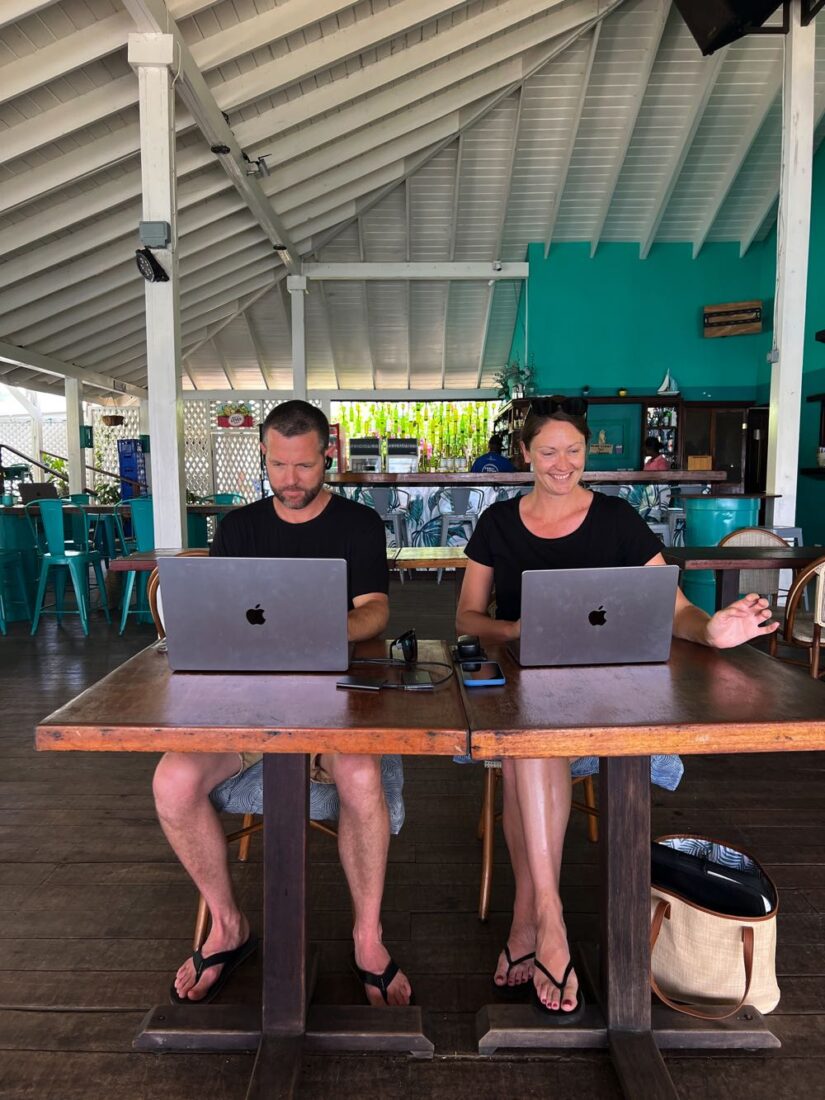
Independent contractors assume the responsibilities of an entire enterprise. Beyond executing the core technical work, freelancers must function as their own marketing, sales, accounting, and legal departments. This dynamic frequently results in a "feast-or-famine" income cycle. The sudden departure of a major client can destabilize a freelancer’s financial foundation, transforming the idealized "freedom lifestyle" into a source of chronic economic precarity.
Conversely, traditional employment offers structured compensation, defined responsibilities, predictable salaries, and access to statutory benefits such as paid time off, health insurance, and local labor protections. For professionals who value meaningful labor and international mobility but prefer to avoid the administrative burdens of self-employment, global employment bridges the gap. Under this model, a software engineer based in Thailand might work for a United States technology startup, a marketer from Canada can manage campaigns for a Dutch firm while residing in Portugal, and a customer success manager from South Africa can service a German enterprise from a Spanish base.

Compliance, Borders, and the Rise of the Employer of Record
The primary barrier to international employment has historically been regulatory rather than technological. Although digital communication tools allow teams to collaborate seamlessly across continents, labor laws, tax jurisdictions, and social security mandates remain strictly localized.
When a remote employee relocates across international borders, their employer immediately faces complex compliance obligations. Issues regarding corporate tax residency, permanent establishment risk, local labor laws, and mandatory payroll withholdings often compel human resources departments to reject cross-border remote work requests, even when the job functions do not require physical presence in an office. Companies frequently decline these arrangements not out of a lack of trust in the employee, but to avoid severe legal penalties and auditing liabilities.

To resolve this friction, the remote work economy has accelerated its reliance on Employers of Record (EORs). Organizations such as Rivermate function as legal intermediaries that enable companies to hire talent in foreign jurisdictions where the hiring enterprise lacks a registered corporate entity.
Under an EOR arrangement, the operational relationship remains unchanged: the employee continues to report to their managers, execute daily tasks, and integrate with their corporate team. However, the EOR assumes the legal mantle of the local employer. This includes processing country-compliant payroll, managing tax withholdings, issuing standardized employment contracts, and administering mandatory local benefits. By shifting compliance responsibilities to third-party infrastructure, EORs have transformed international hiring from a legal minefield into a streamlined, scalable process for modern enterprises.

Economic Implications and Workplace Dynamics
The mainstream adoption of global employment models carries profound implications for the global labor market. For enterprises, accessing borderless talent pools alleviates regional labor shortages, particularly in specialized technical sectors such as engineering, artificial intelligence, data analytics, and product management. Companies are no longer constrained by local geographic boundaries in their pursuit of top-tier human capital.
For workers, the normalization of globally distributed teams democratizes access to competitive compensation structures that reflect corporate headquarters standards rather than localized purchasing power parity. This dynamic can significantly elevate living standards for professionals residing in lower-cost economies while providing corporations with dedicated, long-term talent that is less prone to the rapid turnover associated with contract freelancing.
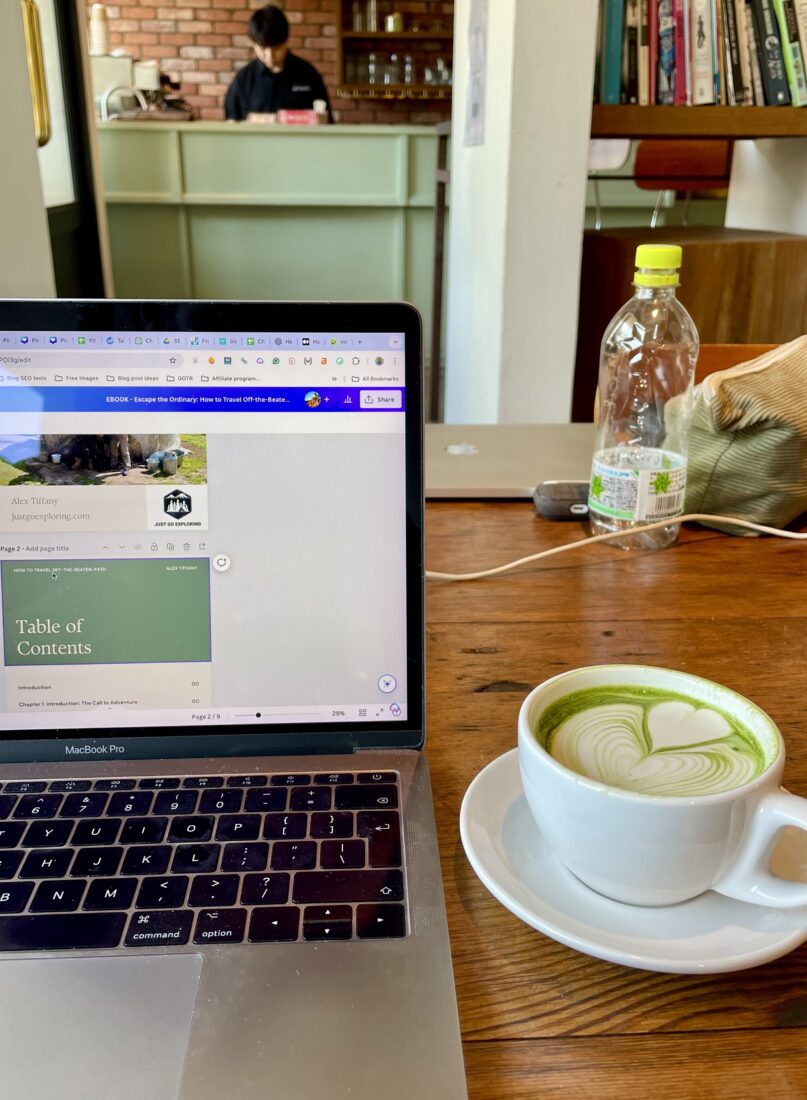
Furthermore, economic data indicates that remote-first and hybrid organizational models continue to demonstrate resilience and high productivity levels. Industry analyses frequently highlight that structured remote employment yields higher employee retention rates compared to freelance models, where workers are perpetually exposed to market volatility and economic uncertainty.
Navigating the Transition to International Employment
For digital nomads seeking to secure international employment positions, professional positioning requires a deliberate pivot away from lifestyle-centric pitches toward outcome-driven value propositions. Hiring managers at global firms are rarely motivated by an applicant’s desire to reside in specific expatriate hubs such as Lisbon, Bali, Chiang Mai, or Mexico City; rather, they are focused on organizational problem-solving, operational reliability, and cross-functional communication.

Experts recommend several strategic adjustments for professionals targeting international roles:
- Target Remote-First Organizations: Prioritize companies that explicitly advertise roles using terms such as "globally distributed," "remote-first," "work from anywhere," or "EOR-supported." Reviewing corporate team directories can also reveal whether a company possesses a history of cross-border hiring.
- Maintain Transparent and Stable Location Plans: Ambiguity regarding a worker’s physical location can trigger compliance concerns during interviews. Providing a clear, stable baseline regarding tax residency and primary time zones reassures prospective employers of operational continuity.
- Inquire About Employment Setup Upfront: Candidates should proactively clarify how a company intends to manage cross-border compliance, asking whether employment will be managed directly via a local entity or facilitated through an Employer of Record.
- Highlight Professional Reliability: Successful international employees must demonstrate exceptional asynchronous communication skills, rigorous adherence to project deadlines, and the ability to operate autonomously across disparate time zones.
The Maturation of Location Independence
The mainstreaming of global employment signifies a critical evolution in the conceptualization of the digital nomad. What began as an underground movement dominated by independent entrepreneurs and digital creators has matured into a sophisticated, highly professionalized segment of the global workforce.
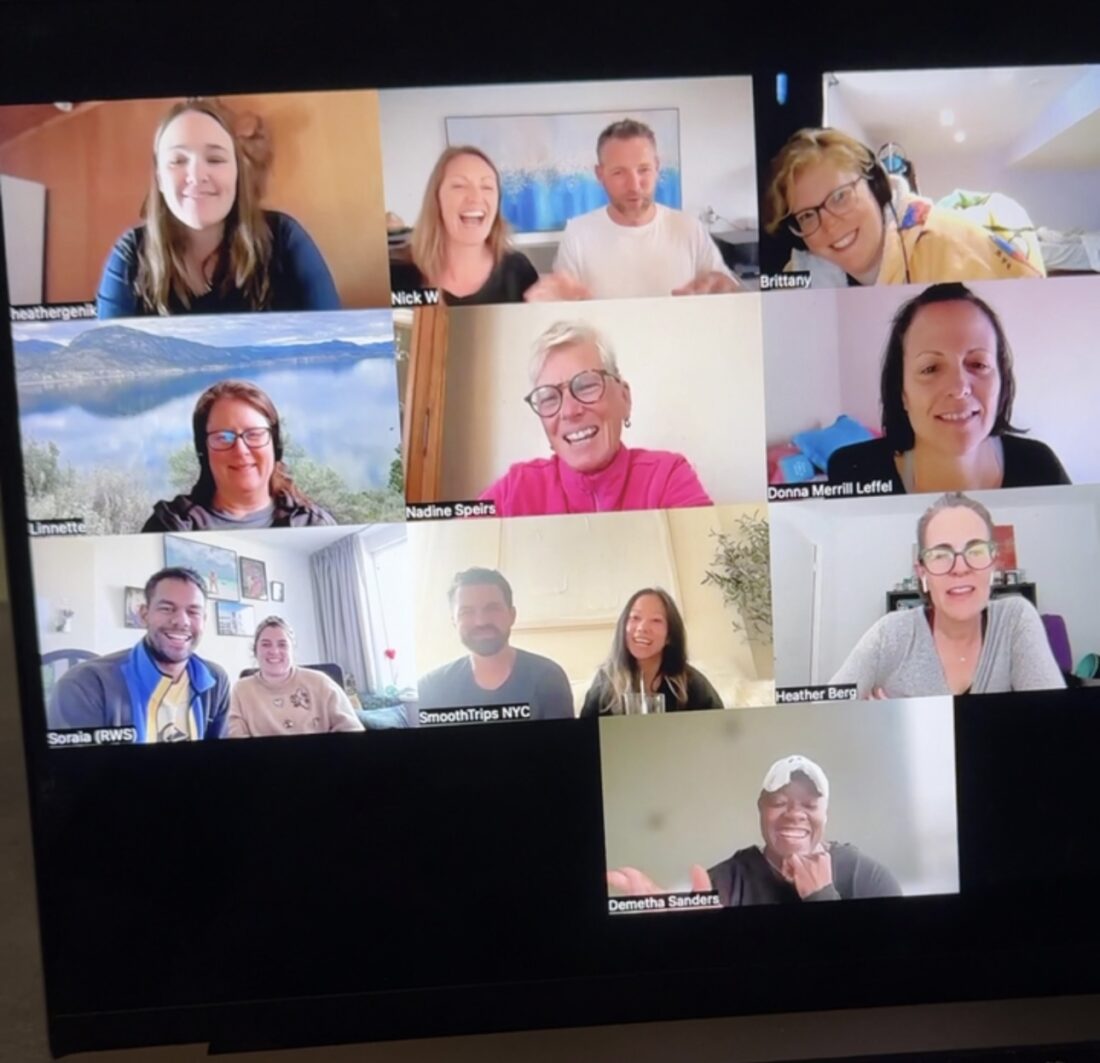
As remote-first corporate policies expand and Employer of Record infrastructure becomes increasingly standardized, the false dichotomy between traditional office employment and freelance precariousness is dissolving. Professionals no longer need to choose between financial stability and geographic freedom. Through the integration of global payroll solutions and forward-thinking corporate human resources policies, the modern workforce is proving that a serious, career-oriented professional life can be successfully built across international borders.