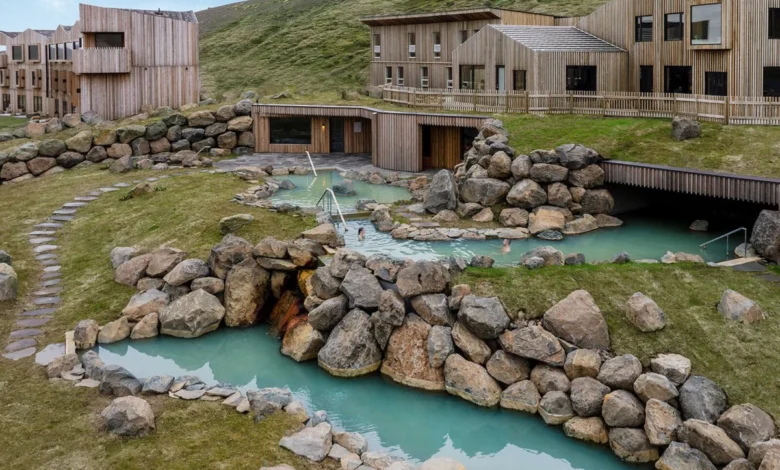
Deep within the raw, untamed interior of Iceland’s Central Highlands, Highland Base Kerlingarfjöll stands as a testament to the nation’s commitment to sustainable, high-end wilderness hospitality. Located in the heart of one of Europe’s most geologically active and visually arresting landscapes, the property serves as a vital gateway for travelers seeking to navigate the rhyolite mountains, glacial rivers, and geothermal wonders of the region. As tourism in Iceland shifts from the heavily trafficked Ring Road toward the more fragile, interior territories, Highland Base provides a managed, infrastructure-heavy alternative to unguided exploration, effectively balancing accessibility with environmental stewardship.
A New Standard for Remote Hospitality
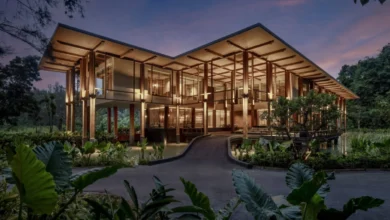
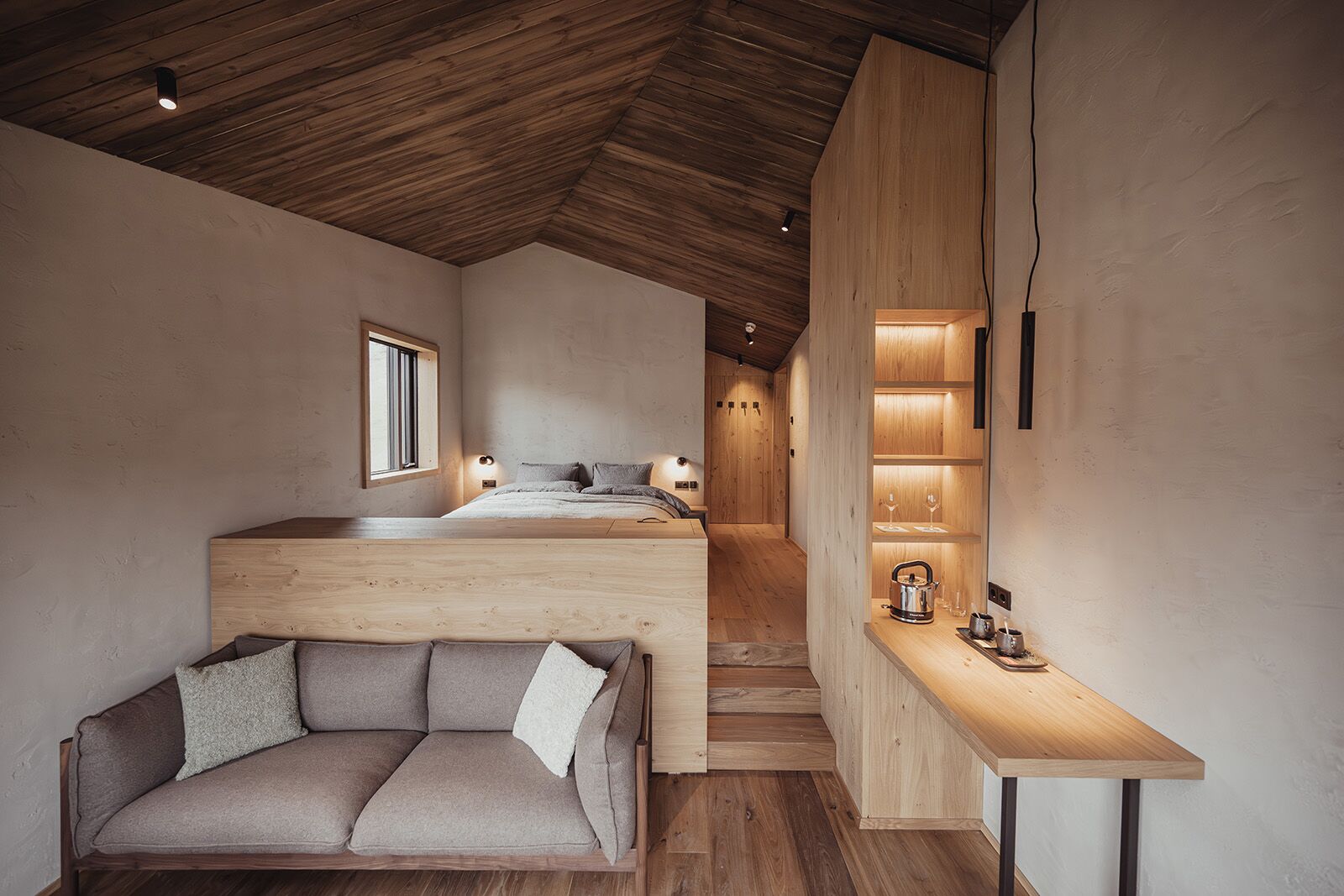
The architectural philosophy behind Highland Base is rooted in Scandinavian minimalism, designed to minimize the visual footprint of human habitation against the backdrop of the Ásgarður Valley. The property’s accommodation strategy is stratified to cater to diverse traveler profiles, ranging from rugged backcountry enthusiasts to those seeking premium, off-grid comfort.
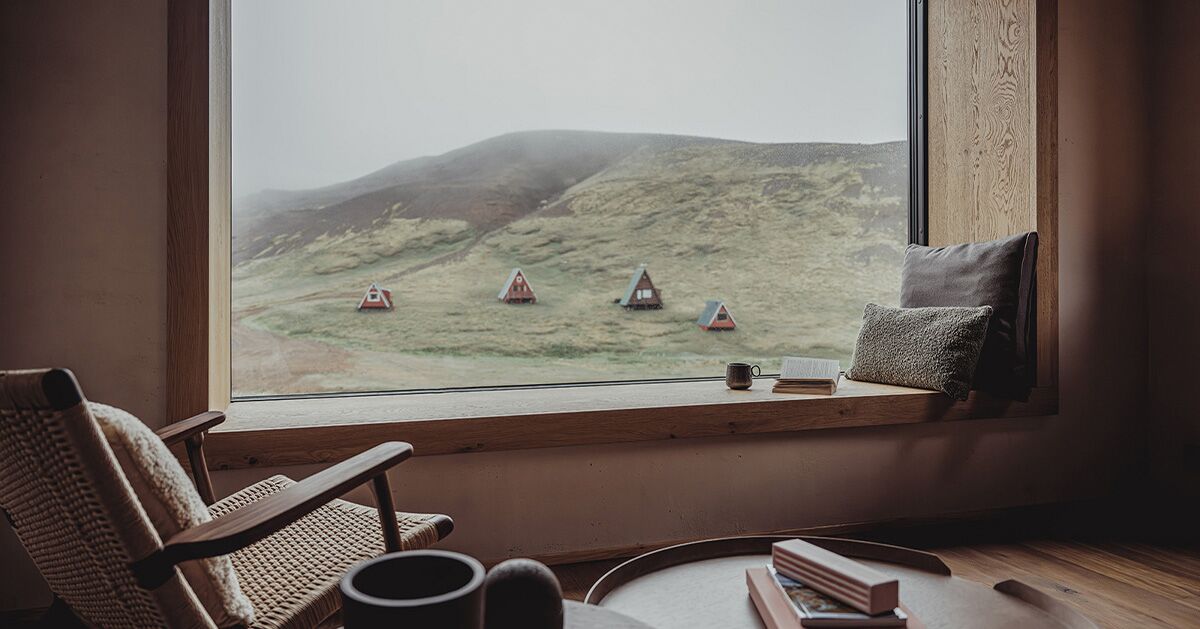
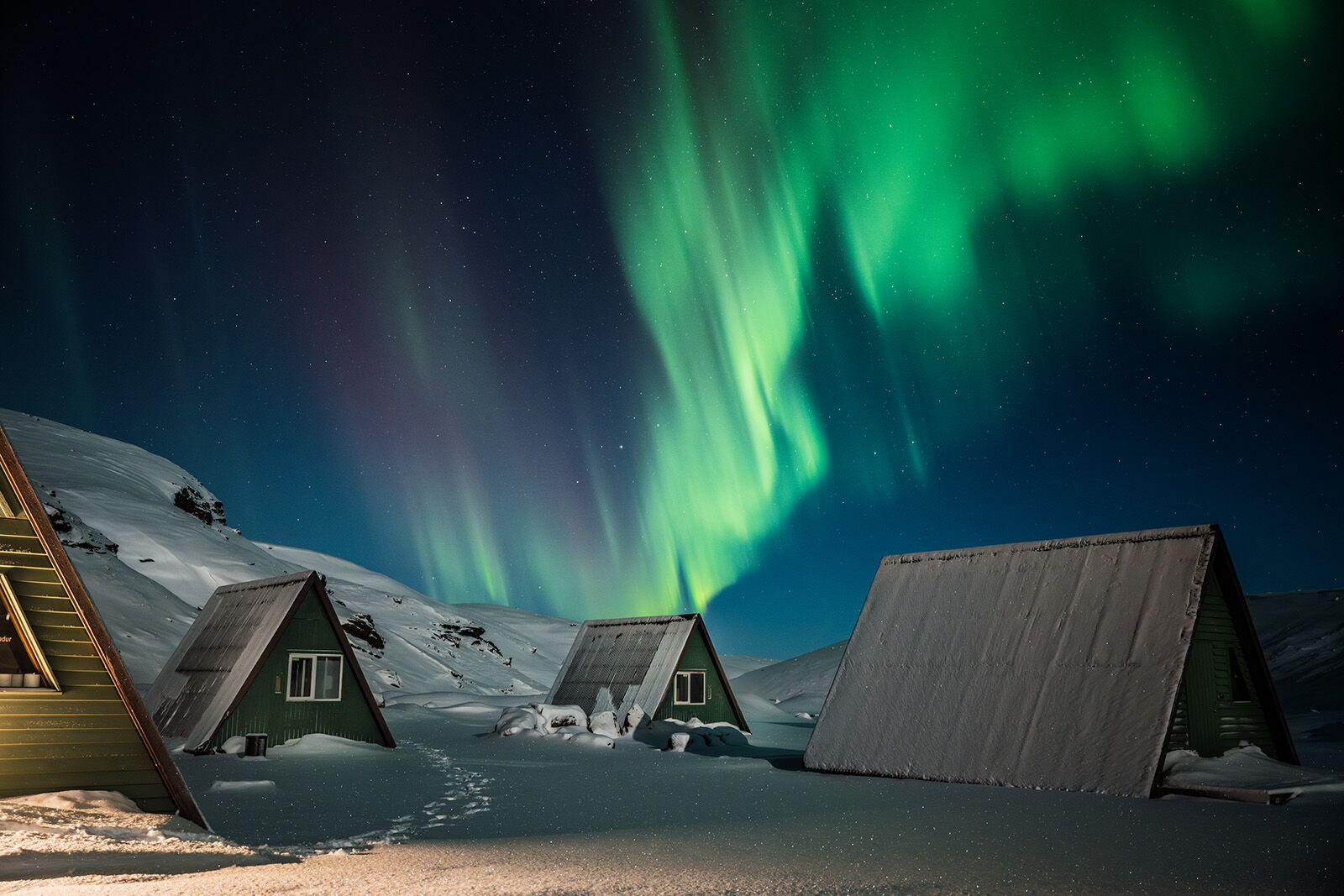
The site features a complex array of lodging options: 46 hotel rooms, two expansive suites, six private lodges, seven A-frame huts, and a designated campground. This tiered pricing model reflects the broader economic reality of the Icelandic Highlands, where the cost of logistics and resource maintenance is significantly higher than in coastal urban centers. For the 2027 season, hotel room rates commence at $502 per night, while private lodges are priced from $1,097 per night. The campsite, which serves as a seasonal anchor for hikers and overland travelers, operates from June 15 to September 30, with access priced at $25 per adult per night.
Geothermal Integration and Cultural Preservation
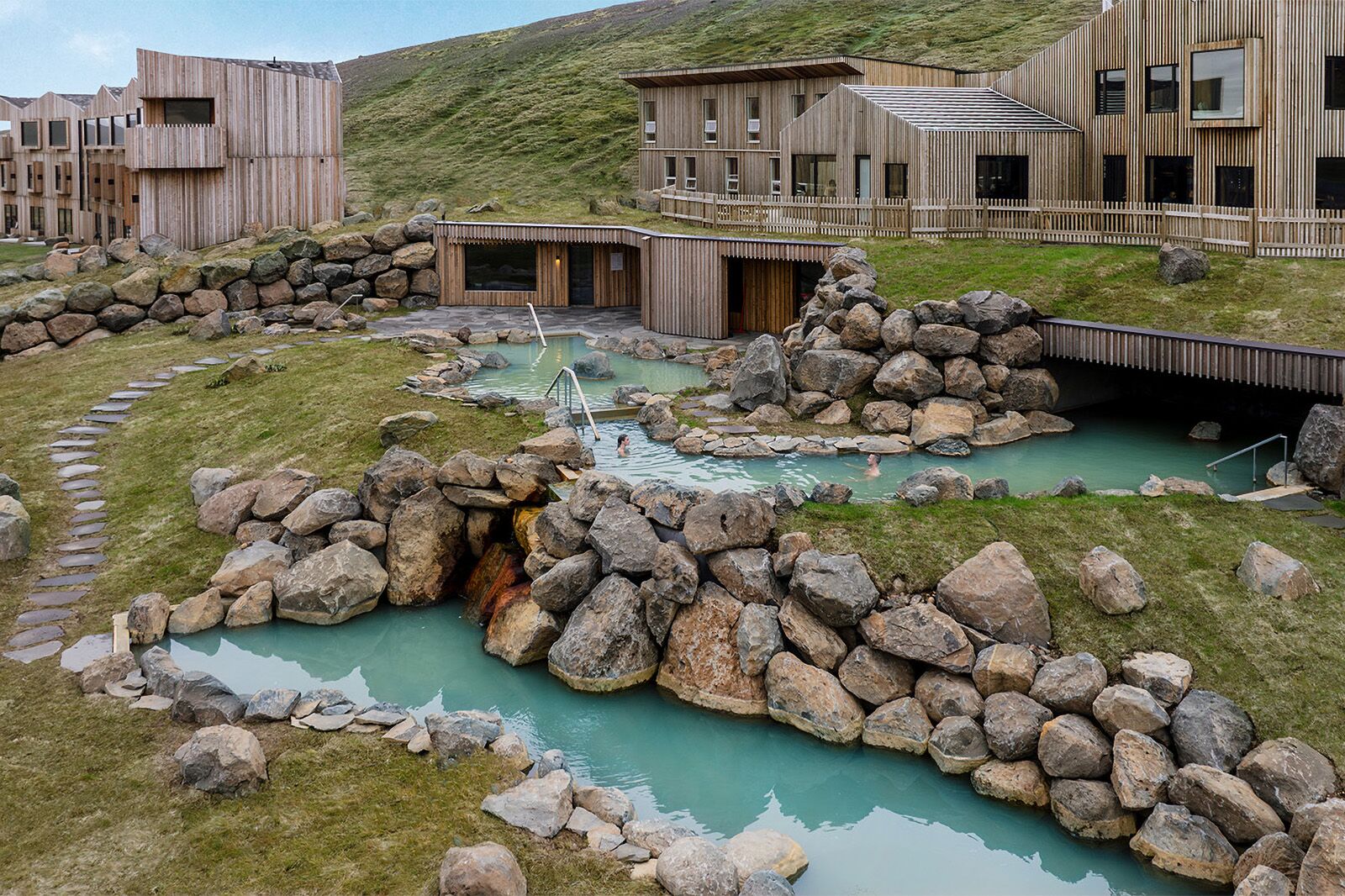
Central to the guest experience at Highland Base is the integration of geothermal energy, which is harnessed not only for facility heating but as a central recreational feature. The Highland Baths are constructed directly into the riverbed landscape, offering an immersive thermal experience that mimics traditional Icelandic bathing culture. By concentrating bathing activities into a managed facility, the property reduces the risk of environmental degradation that often occurs when visitors attempt to bathe in uncontrolled, wild hot springs—a practice that has led to the closure of several sensitive sites across the country.
The inclusion of saunas and cold plunges serves to educate international visitors on the specific health and cultural protocols associated with Icelandic geothermal usage. According to property management, these facilities are designed to operate with minimal environmental impact, utilizing the natural flow of mineral-rich water that characterizes the volcanic architecture of the region.
Navigating the Fragile Frontier
The Kerlingarfjöll range is a highly sensitive environment, defined by its thin volcanic crust and high-temperature steam vents. The area of Hveradalir—the "Valley of Hot Springs"—represents the most delicate section of the reserve. Access to this region is strictly regulated, with Highland Base implementing guided excursions to ensure that human traffic remains confined to designated boardwalks and paths.
This approach addresses a growing concern among Icelandic environmental authorities: the impact of uncontrolled foot traffic on moss-covered volcanic soil and geothermal vents. By employing professional guides, the property ensures that visitors are informed about the risks of the terrain, which is subject to rapid meteorological shifts. Records from October 2026 indicate that even as the primary tourist season concludes, the weather in the Central Highlands remains volatile, with rapid transitions from snow flurries to clear conditions. The availability of gear rentals—including crampons, trekking poles, and waterproof clothing—at the base mitigates the risks associated with inadequate visitor preparation.
Culinary Logistics in the Wilderness
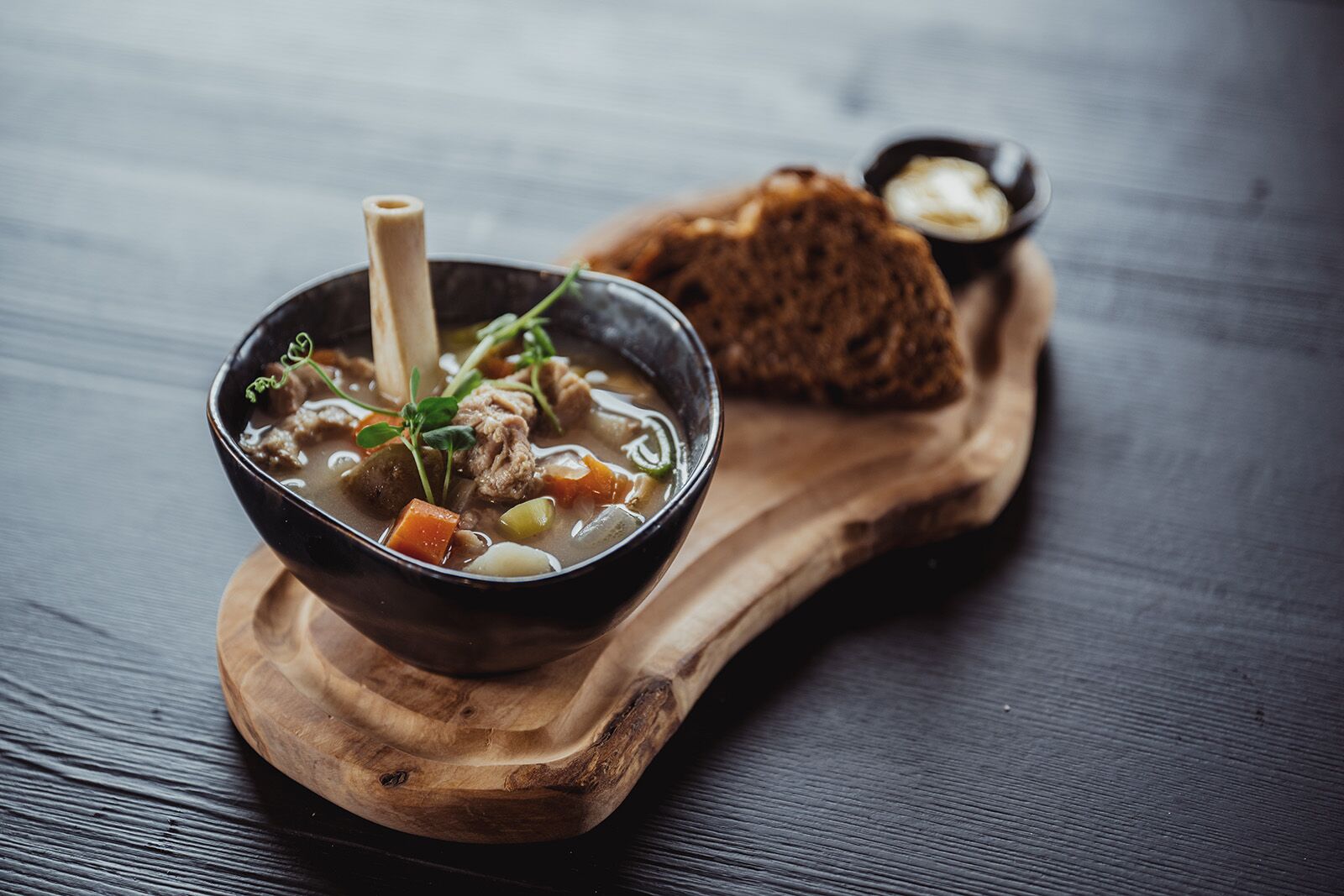
Dining at Highland Base presents a significant logistical challenge, given that the facility functions as the sole purveyor of food for a vast, uninhabited radius. The restaurant operates on a seasonal, à la carte model that shifts between summer and winter. The menu is heavily reliant on Icelandic staples such as lamb, Atlantic cod, and root vegetables, emphasizing a "farm-to-table" ethos that seeks to reduce the carbon footprint associated with long-distance food transport.
The management reports that the kitchen facilities are designed to be self-sustaining, offering takeaway services for hikers and outdoor expeditions. This logistical capability is critical for supporting the safety of individuals entering the highlands, as it ensures that travelers are properly provisioned before departing for the interior trails.
The Seasonal Window: Aurora and Access
The temporal window for visiting the Central Highlands is dictated by the maintenance of F-roads, which are unpaved, often treacherous, and subject to closure by the Icelandic Road and Coastal Administration based on weather conditions.
The shift from the summer season to the shoulder months of September and October marks a distinct change in visitor demographics and environmental conditions. During these months, the reduction in daylight hours provides an optimal environment for viewing the aurora borealis, particularly due to the absolute lack of light pollution in the Highlands. However, this period also marks the cessation of regular bus services. From October onwards, transit to the facility is restricted to "super jeeps"—specialized, high-clearance vehicles operated by professional drivers who are trained to navigate the deep gravel and mud of the F347 route.
Infrastructure and Strategic Implications
The development of Highland Base is a strategic response to the increased demand for "deep tourism" in Iceland. By centralizing operations, the Icelandic government and private developers aim to prevent the "scattershot" tourism that has plagued other fragile regions of the country.
The chronology of development at the site has been marked by a transition from a simple mountain hut to a modern, electrified base. This evolution highlights a broader trend in Arctic and sub-Arctic tourism: the professionalization of wilderness access. The property’s policy of advising guests to book departing flights at least 24 hours after checkout is a calculated measure to account for the potential for severe weather events to delay travel out of the Highlands, a common occurrence in the region.
Economic and Environmental Impact
The implications of the Highland Base model are twofold. Economically, it provides a high-value anchor for the tourism industry in an otherwise low-revenue segment of the country. Environmentally, it serves as a "containment zone," allowing for the controlled exploration of areas that would otherwise be subject to unregulated human impact.
While critics may argue that the high cost of entry creates a class-based barrier to the wilderness, proponents note that the revenue generated by the hotel and lodge operations directly funds the maintenance of the trails, the restoration of volcanic paths, and the waste management systems that keep the Kerlingarfjöll range in its current pristine condition. As climate change continues to alter the glacial landscapes of Iceland, the role of such facilities in monitoring the environment and educating the public becomes increasingly vital.
For the modern traveler, the experience at Highland Base is no longer one of mere survival in the wilderness, but one of managed integration. By providing the tools, safety protocols, and infrastructure required to survive and thrive in one of the world’s most demanding environments, Highland Base Kerlingarfjöll effectively bridges the gap between the comforts of modern life and the raw, prehistoric power of the Icelandic Highlands. As the facility moves into its next phase of operation, it remains the primary model for sustainable, high-latitude tourism in the 21st century.