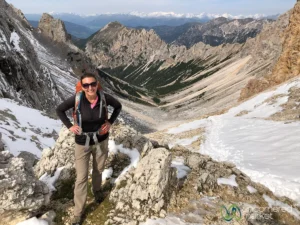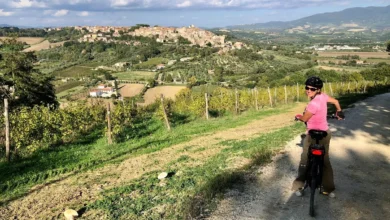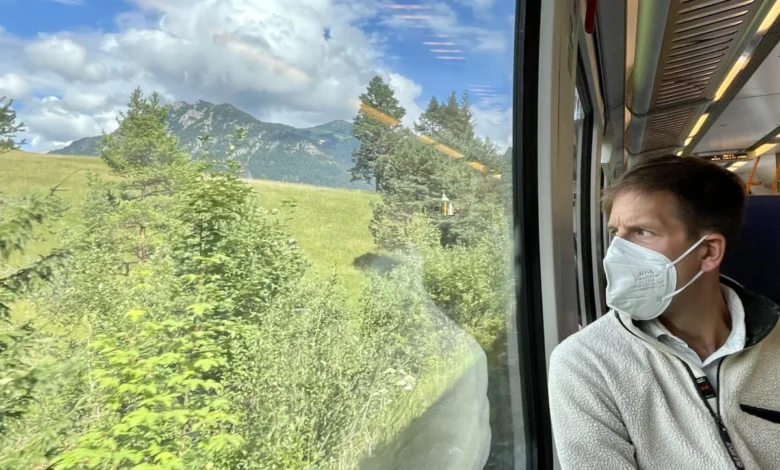
The global tourism industry has faced unprecedented disruption, forcing travelers, policymakers, and local economies to recalibrate how mobility functions during ongoing health crises. When experienced travelers Audrey Scott and Dan embarked on a 20th wedding anniversary journey from Berlin, Germany, to the Dolomite region of northern Italy, their decision-making process reflected a broader paradigm shift in modern tourism. Rather than relying on pre-pandemic assumptions of frictionless international movement, their voyage exemplified a calculated, highly structured approach to risk management, regulatory compliance, and community-conscious travel.
As global health organizations continue to monitor fluctuating transmission rates and the emergence of new viral variants, the lessons learned from early pandemic travel protocols have evolved into a permanent framework for mindful mobility. Modern travel planning now requires a sophisticated synthesis of epidemiological research, legal compliance, and strategic adaptability.
Epidemiological Research and Pre-Trip Risk Assessment
The foundational step in contemporary travel planning involves rigorous data collection regarding destination health metrics. Unlike historical travel preparations centered primarily on cost, climate, and accommodation availability, current methodologies demand a granular understanding of regional healthcare capacities, local vaccination rates, and cross-border quarantine mandates.
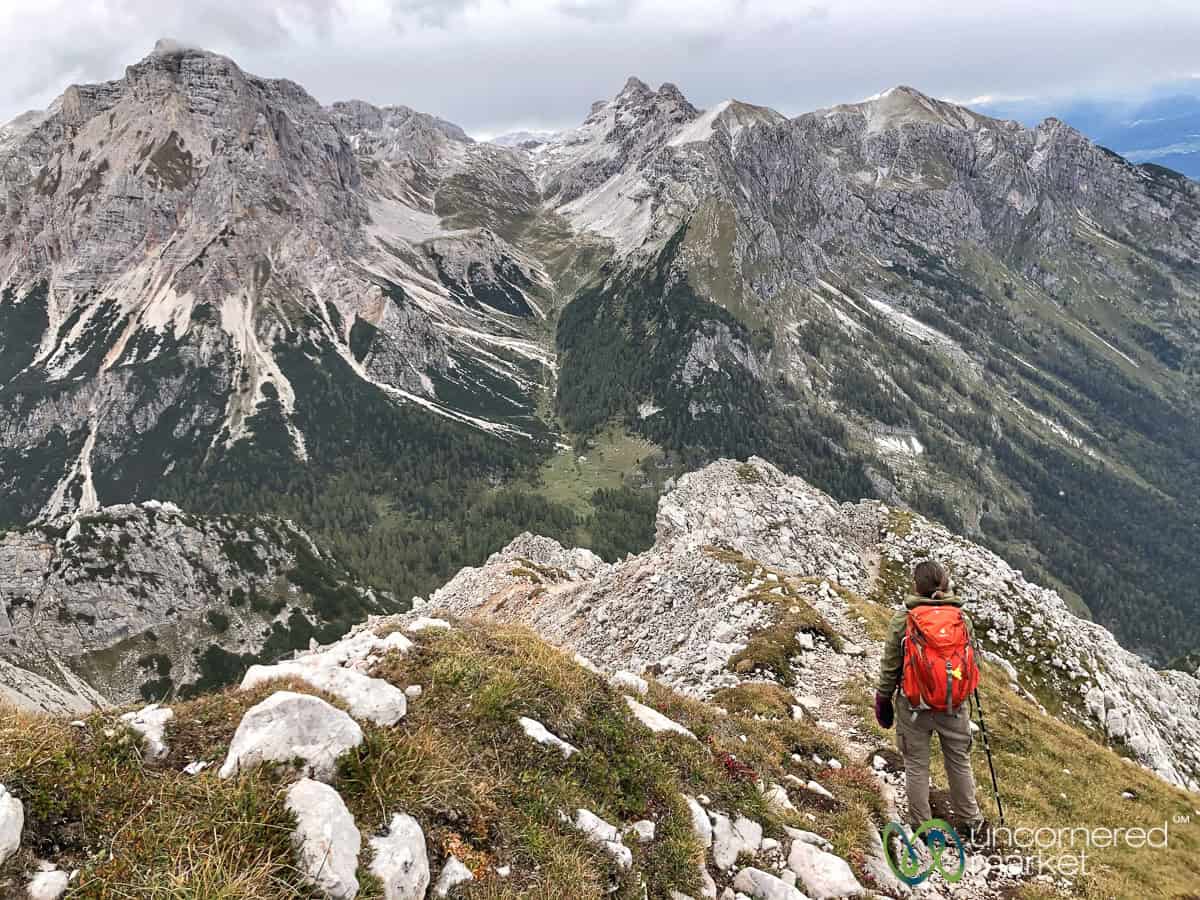
According to public health guidelines issued by agencies such as the Centers for Disease Control and Prevention (CDC) and the European Centre for Disease Prevention and Control (ECDC), travelers must evaluate whether a prospective destination constitutes an active transmission hotspot. Furthermore, individuals must navigate a complex patchwork of national border restrictions, digital health certificate verifications, and transit country regulations.
During their Italian excursion, Scott and Dan consulted official government portals from both Germany and Italy daily. By identifying regions with lower viral incidence and high vaccination uptake, they minimized the probability of mandatory quarantine upon arrival or sudden regulatory shifts that could impede their return. Additionally, they established contingency plans, researching alternative destinations in the event that primary travel corridors experienced sudden closures or spikes in infection rates.

Strategic Flexibility and Contingency Planning
The unpredictability of contemporary travel demands a departure from rigid itineraries. Military strategist Dwight Eisenhower’s observation regarding planning—that plans are of little value, but planning is indispensable—serves as an apt metaphor for navigating health-crisis logistics.
Travelers must anticipate disruptions, ranging from sudden border restrictions and localized lockdowns to adverse weather events during the shoulder seasons. Financial risk mitigation is equally critical; securing transport and accommodation options with flexible cancellation policies or refundable rates has become an industry standard. Although flexible bookings often carry a financial premium, industry analysts note that this cost functions as an essential insurance policy against unforeseen global shifts.
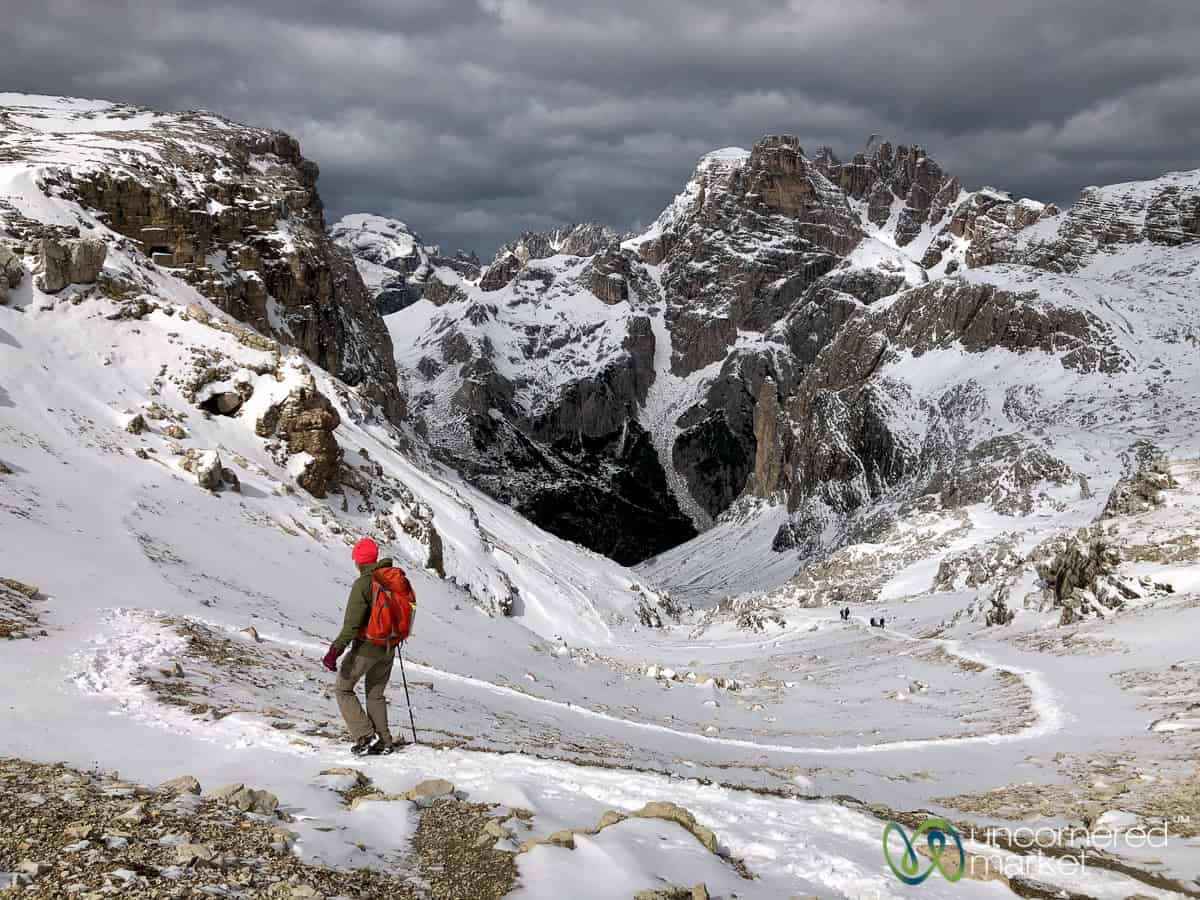
In practice, the couple opted for rail transport over air travel between Germany and Italy, citing reduced bureaucratic friction and greater logistical predictability in the event of a last-minute cancellation. Similarly, they utilized local weather forecasting models multiple times daily to dynamically adjust their hiking routes, circumventing localized inclement weather and optimizing safety.
The Economic and Social Imperative of Shoulder-Season Travel
The temporal distribution of tourism has a profound impact on local communities and public health outcomes. Traveling during the shoulder and off-seasons—such as late September and early October—yields significant logistical advantages.
From a health perspective, off-peak travel drastically reduces crowd density, facilitating natural social distancing and minimizing exposure risks in confined spaces. Economically, visiting destinations outside the traditional peak summer season extends the operational runway for small, family-run businesses that rely heavily on tourism revenue. Tourism economists emphasize that decentralized travel patterns help alleviate infrastructural strain on primary metropolitan hubs while distributing economic benefits to secondary cities and rural communities.
Regulatory Compliance and the Social Contract of Mobility
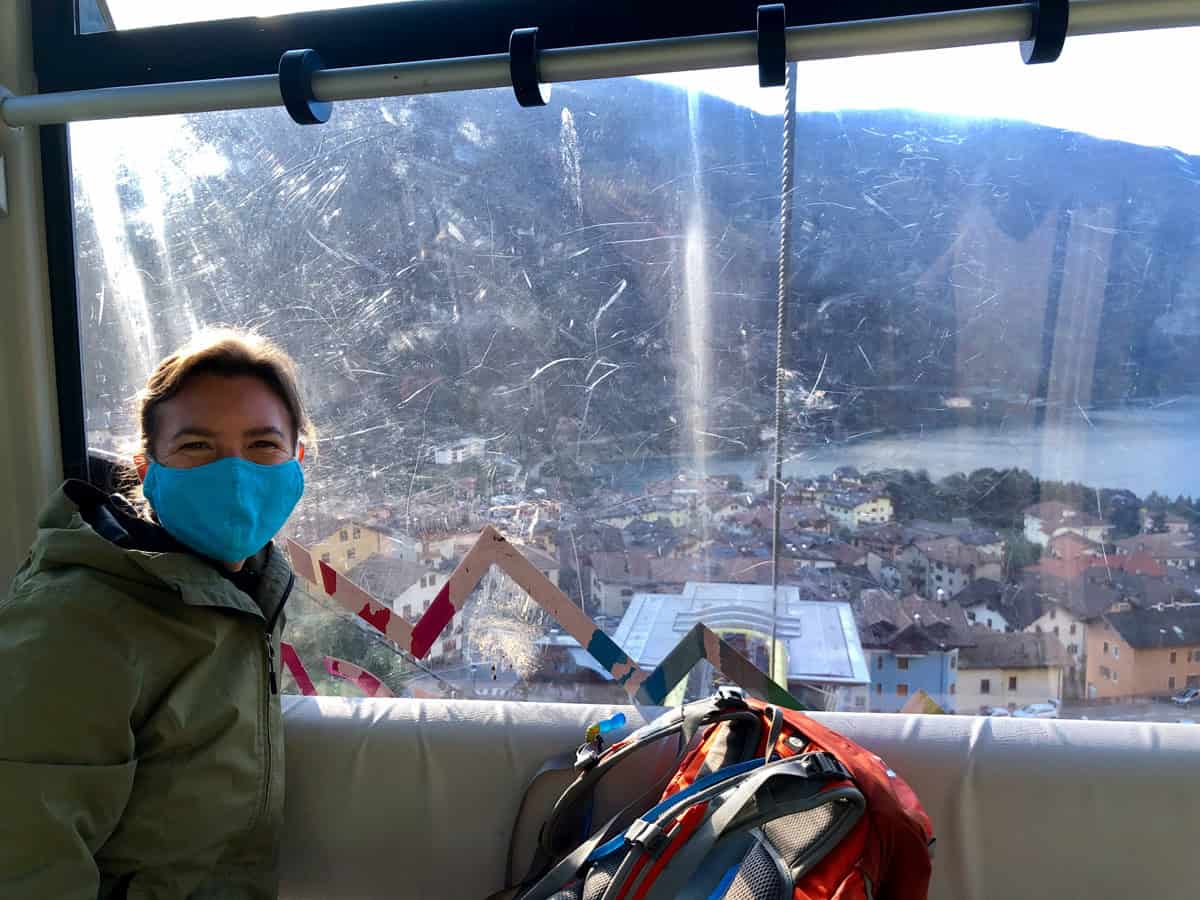
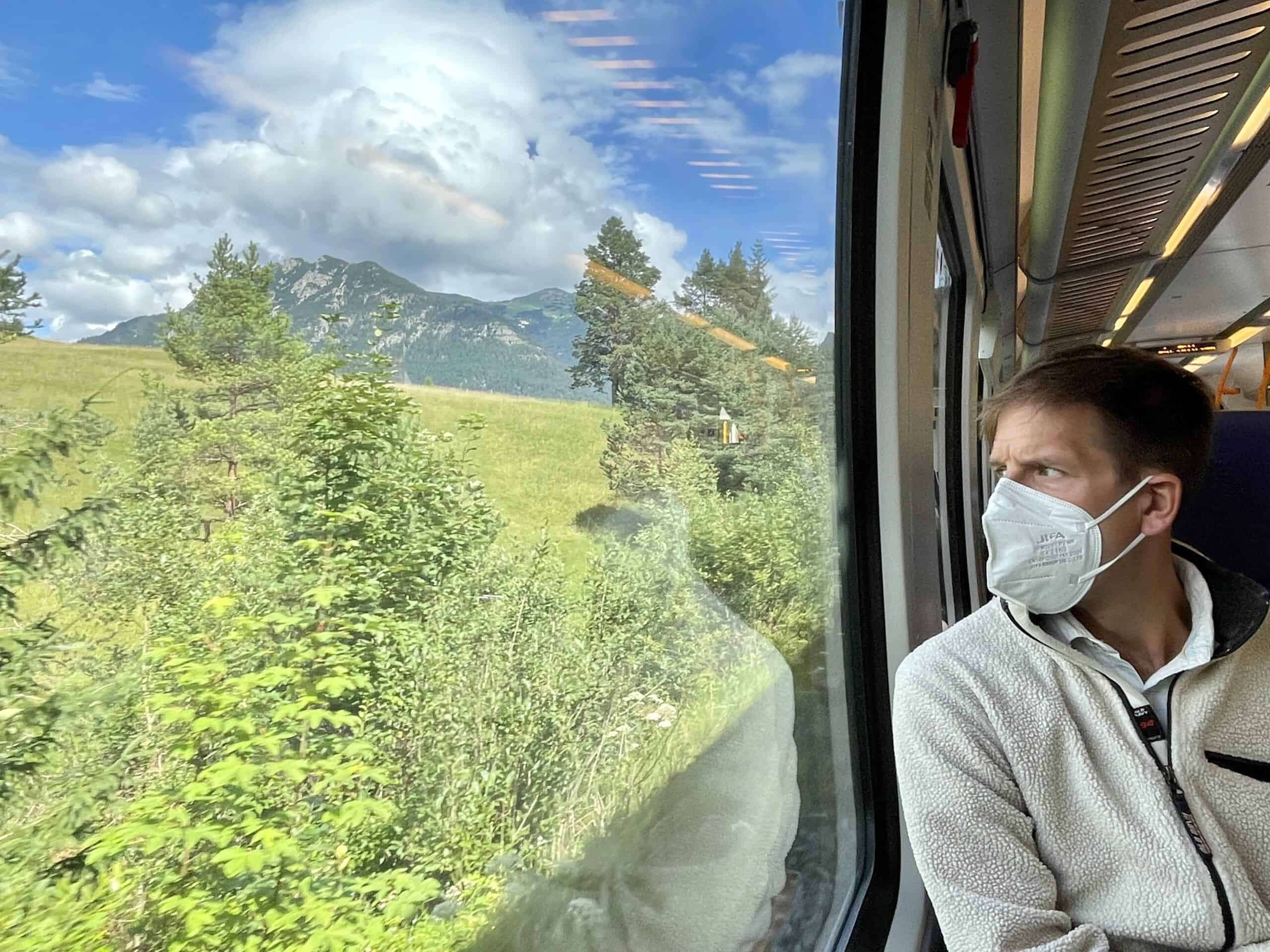
Cross-border travel inherently involves entering a distinct civic ecosystem, obligating visitors to adhere strictly to local ordinances. Public health mandates—such as mandatory mask-wearing in enclosed spaces, digital green pass verifications, and capacity limits in hospitality venues—represent a collective social contract designed to protect both residents and visitors.

A failure or refusal to comply with host-nation regulations not only risks legal penalties but also places undue strain on local healthcare systems and municipal workers. Epidemiological studies consistently demonstrate that adherence to barrier measures, such as the mandatory use of high-filtration respirators (N95/FFP2) in public transit and indoor settings, significantly curtails viral transmission.
Upon returning to Berlin, despite the absence of formal governmental quarantine mandates for travelers arriving from low-incidence regions of Italy at the time, the travelers elected to undergo a voluntary self-isolation period. This decision underscores a growing ethical framework among responsible travelers: recognizing that asymptomatic transmission poses a latent risk to home communities, proactive self-regulation is an essential component of post-crisis mobility.
Sustainable Choices: Supporting Local Economies and Infrastructure
The mechanics of tourism consumption have undergone structural scrutiny, highlighting the importance of localized economic retention. Online booking aggregators, while offering convenience, extract substantial commission fees from independent hoteliers and restaurateurs.
During economic recovery phases, direct booking models ensure that capital remains within the local economy, directly supporting small businesses facing prolonged financial precarity. Furthermore, selecting locally owned accommodations often correlates with enhanced sustainability practices, such as localized sourcing of foodstuffs and reduced resource consumption.

In the hospitality sector, travelers increasingly favor self-catering apartments or independent guest houses over large-scale resort hotels. This preference is driven not only by a desire for authentic cultural engagement but also by the practical need to avoid high-density communal spaces, such as crowded breakfast buffets and indoor dining halls.
Dining Logistics and Risk Mitigation in the Hospitality Sector
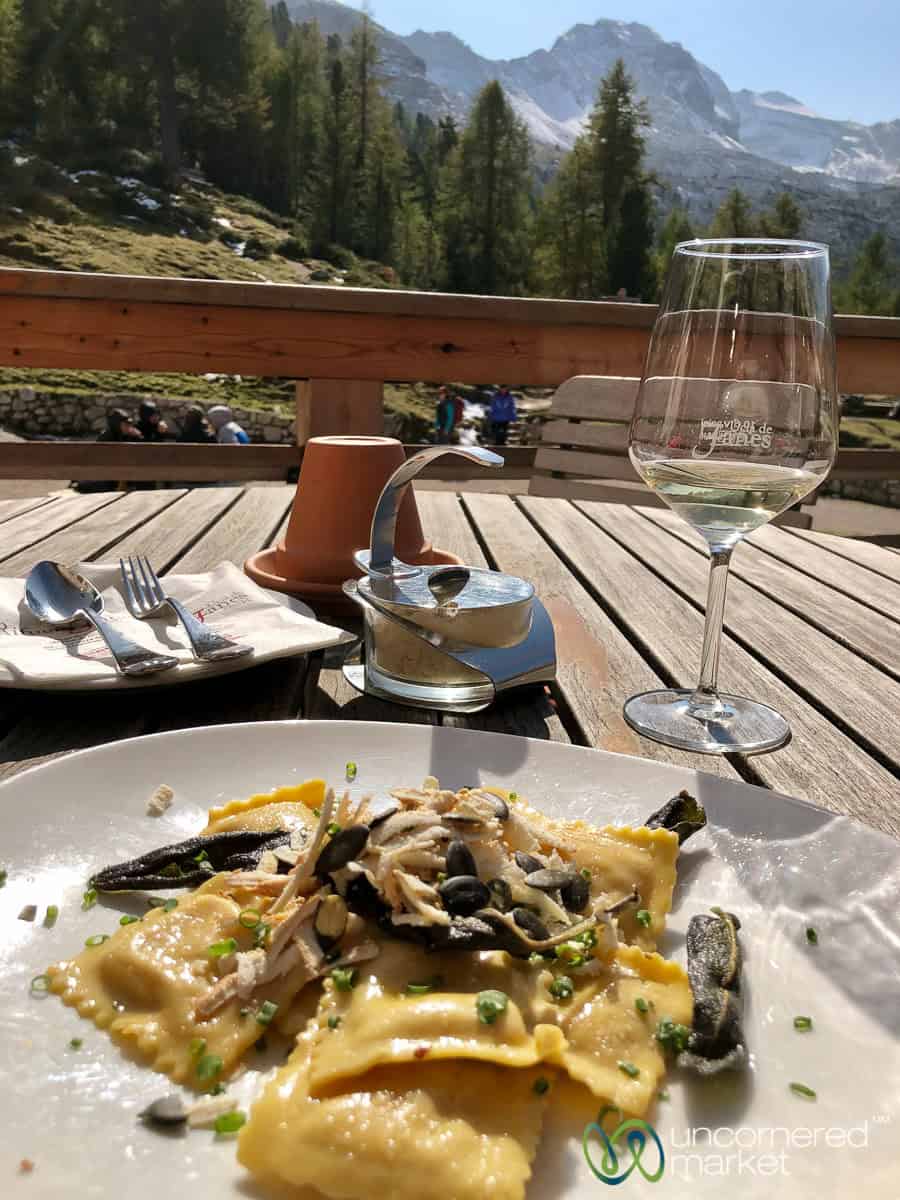
The operational dynamics of food and beverage service have adapted to prioritize open-air configurations and minimized indoor density. Scientific consensus identifies indoor, poorly ventilated environments as primary vectors for airborne pathogen transmission.
Consequently, modern travel protocols emphasize outdoor dining (en plein air), even during cooler months, supported by outdoor heating infrastructure. When outdoor seating is unavailable, travelers are advised to patronize establishments during off-peak hours—such as immediately upon opening for lunch or dinner—to drastically reduce proximity to other patrons.
The Fallacy of Hygiene Theater Versus Evidence-Based Interventions
A critical analysis of early pandemic sanitation responses reveals a widespread reliance on "hygiene theater"—intensive, highly visible surface disinfection regimes designed primarily to provide psychological reassurance rather than mitigate primary transmission vectors.

Public health experts emphasize that while general cleanliness remains important, COVID-19 is predominantly airborne rather than fomite-borne. Therefore, risk management strategies must prioritize environmental ventilation, crowd control, and mask compliance over excessive chemical sanitization of surfaces. Travelers are encouraged to assess establishments based on their ventilation protocols, seating capacities, and adherence to occupancy limits rather than superficial cleaning displays.
Conclusion: Mindset, Resilience, and the Psychology of Travel
Ultimately, successful navigation of the post-pandemic travel landscape requires a recalibration of personal expectations. The pursuit of idealized, frictionless vacations promoted by social media often clashes with the unpredictable realities of modern logistics, variable weather, and evolving public health mandates.
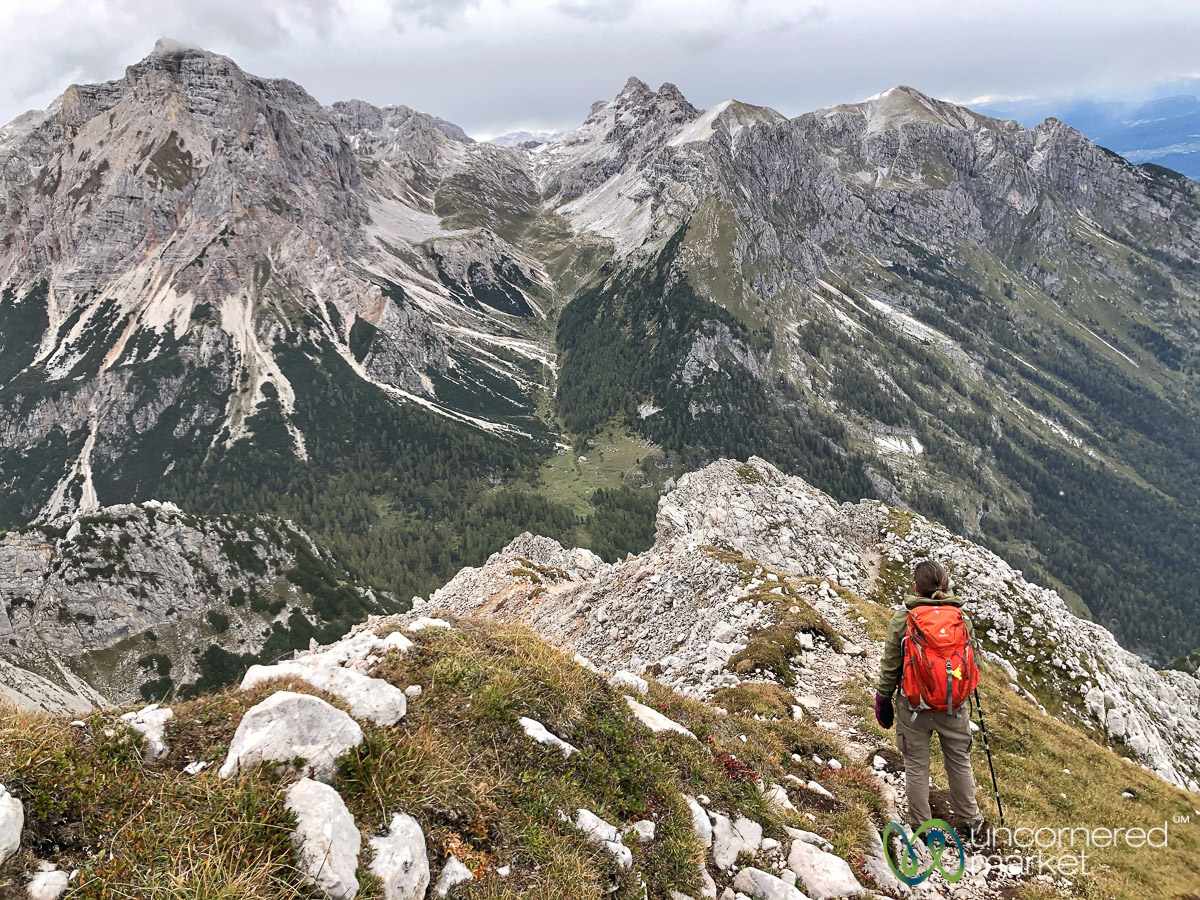
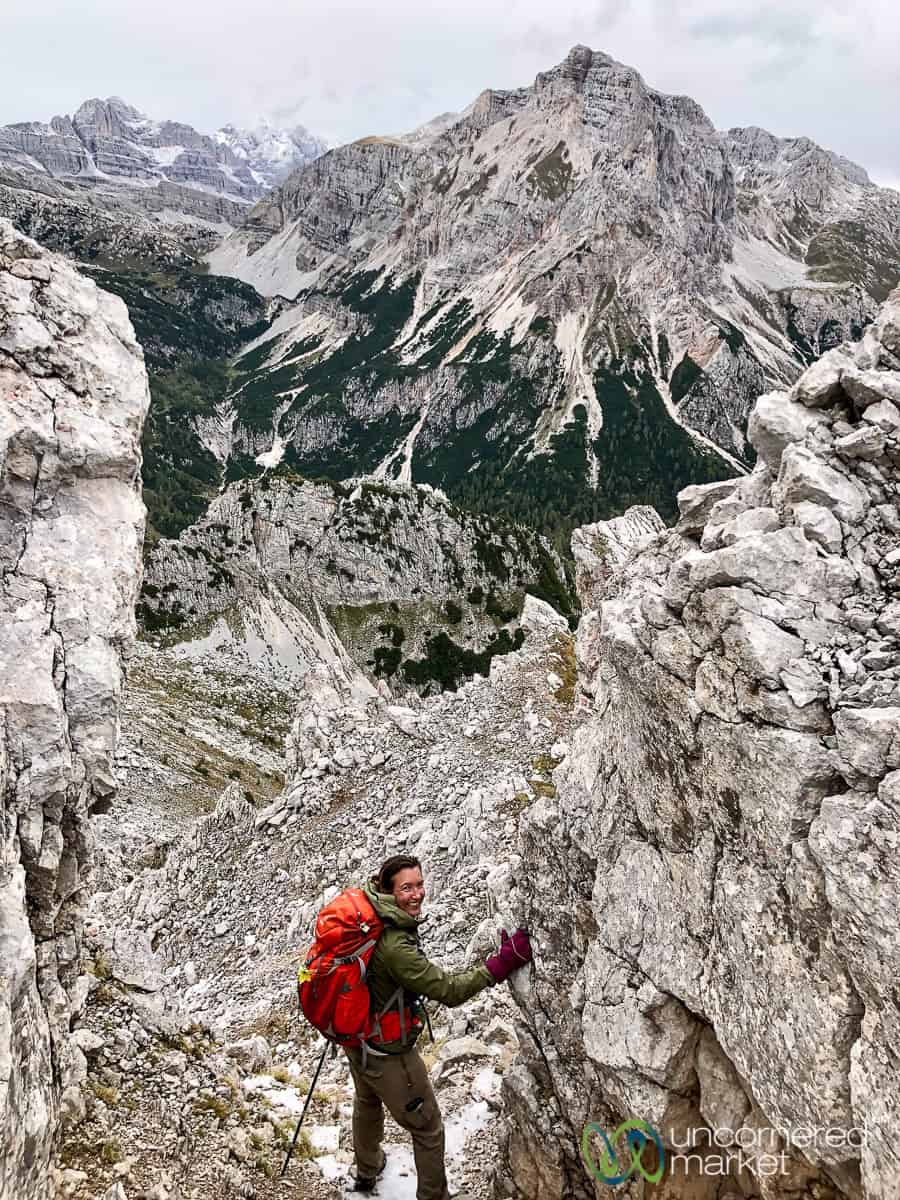
Travelers who cultivate psychological resilience—acknowledging that disruptions are a natural component of exploration—are better equipped to derive satisfaction from their journeys. As demonstrated in the Alpine terrain of the Dolomites, where sudden shifts from clear blue skies to alpine squalls are commonplace, the value of travel lies not in the perfection of conditions, but in the capacity to engage meaningfully with the environment as it is. By balancing rigorous preparation, community responsibility, and emotional adaptability, modern travelers can continue to explore the world safely and sustainably.